

Fiction · Romance · Historical"
Jane Eyre by Charlotte Brontë — Summary, Key Ideas & Quotes
1847480 pages✦ 3-min Big ideas★ 4.0 (180)
Rate it
The novel is set somewhere in the north of England. Jane's childhood at Gateshead Hall, where she is emotionally and physically abused by her aunt and cousins; her education at Lowood School, where she acquires friends and role models but also suffers privations and oppression; her time as the governess of Thornfield Hall, where she falls in love with her Byronic employer, Edward Rochester; her time with the Rivers family, during which her earnest but cold clergyman cousin, St John Rivers, proposes to her. Will she or will she not marry him?
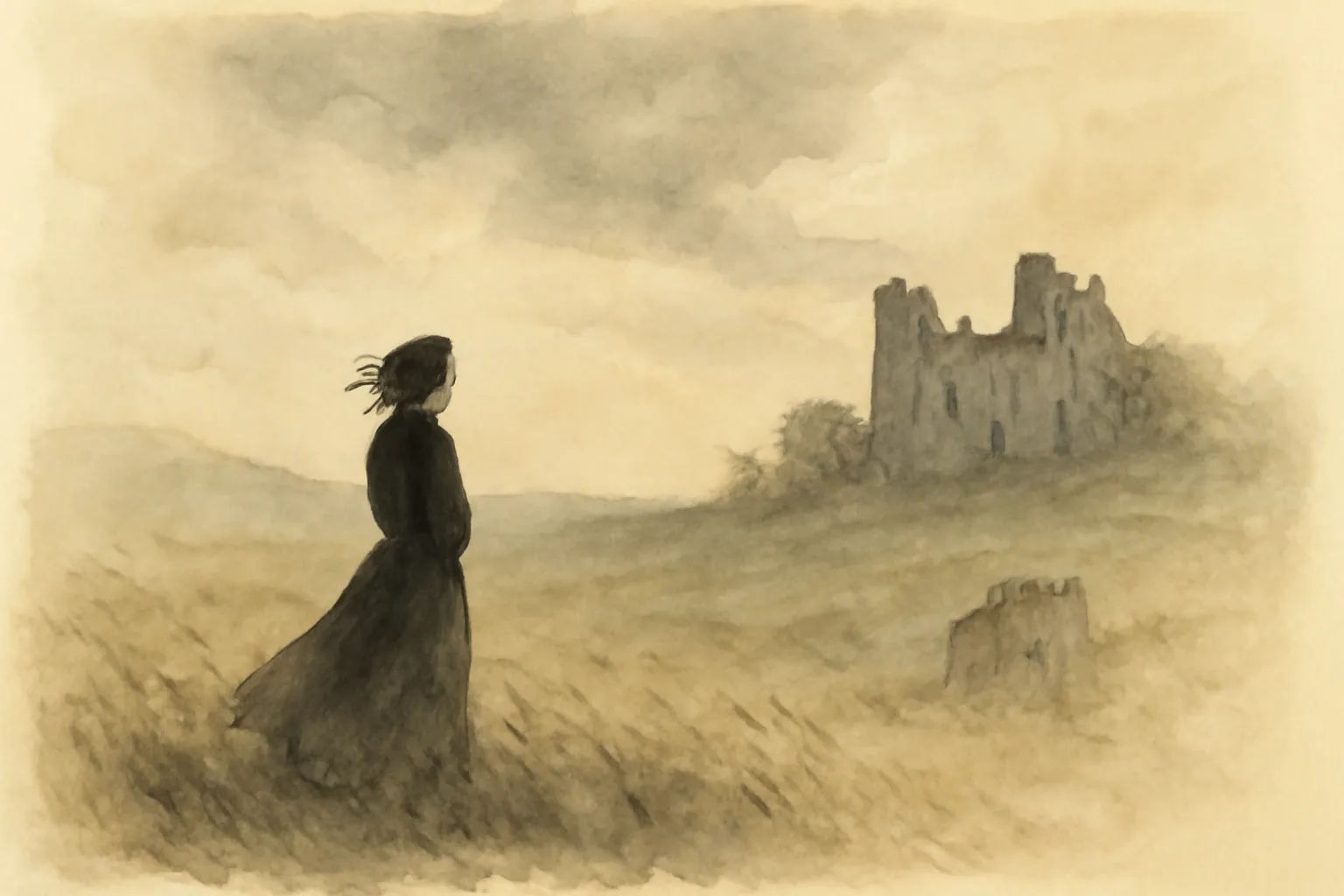
Jane’s journey is fundamentally about self-respect and independence. Despite her vulnerable position as an orphan and later as a governess, she consistently asserts her moral and emotional autonomy. Her refusal to become Rochester’s mistress, even when it means sacrificing love and comfort, is a radical assertion of self-worth in a time when women had few rights. The novel argues that true love and fulfillment are only possible when both partners meet as equals.
Brontë uses Jane’s experiences to expose the rigid class system of Victorian England. Jane, though educated and intelligent, is constantly reminded of her low status. The novel critiques not only the aristocracy’s disdain for the poor but also the hypocrisy and cruelty within supposedly charitable institutions like Lowood School. Through Jane’s resilience, Brontë champions the dignity and potential of those society marginalizes.
“I am no bird; and no net ensnares me: I am a free human being with an independent will.”
“I would always rather be happy than dignified.”
“Reader, I married him.”
“I am not an angel, and I will not be one till I die: I will be myself.”