1.The Quest for Autonomy
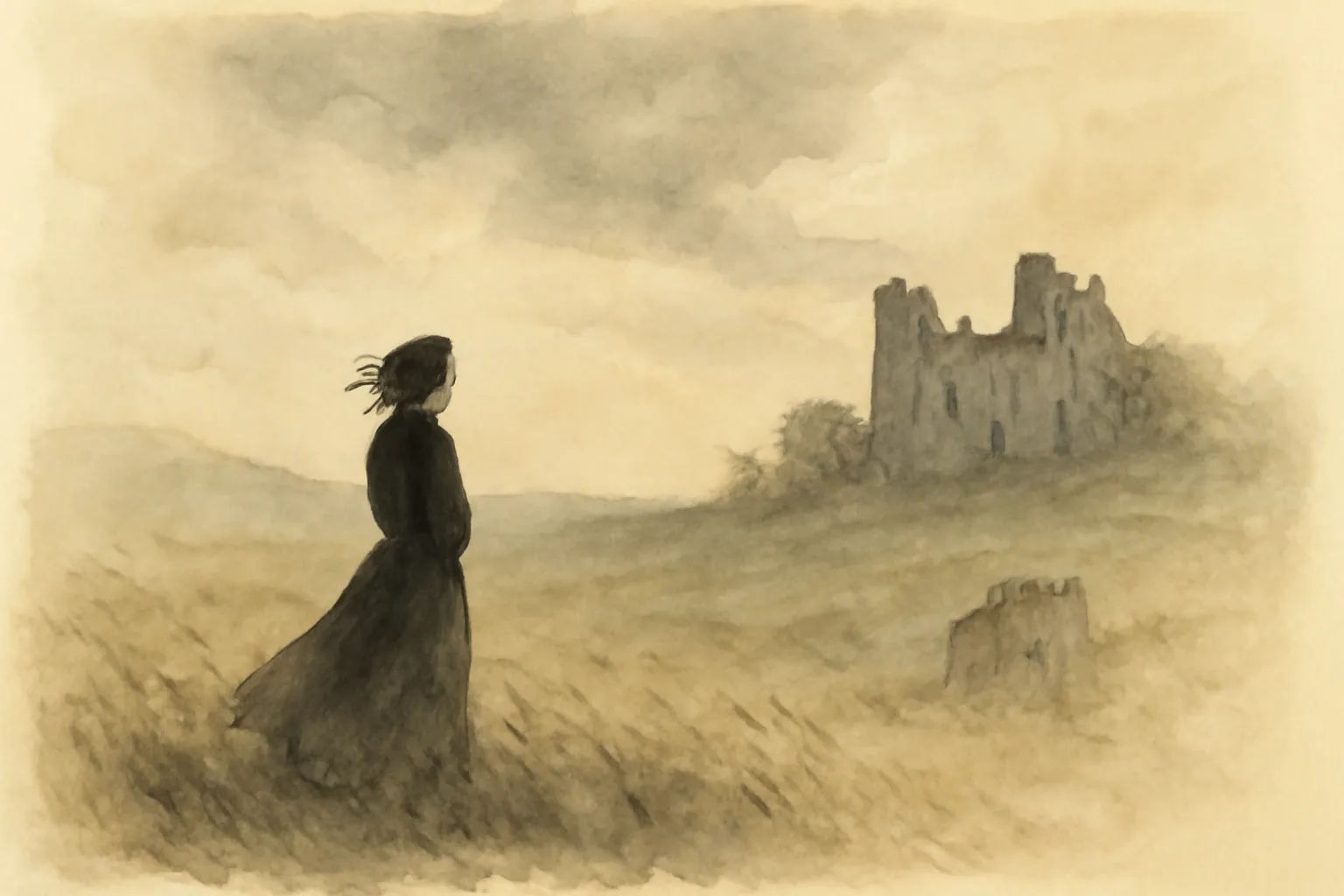
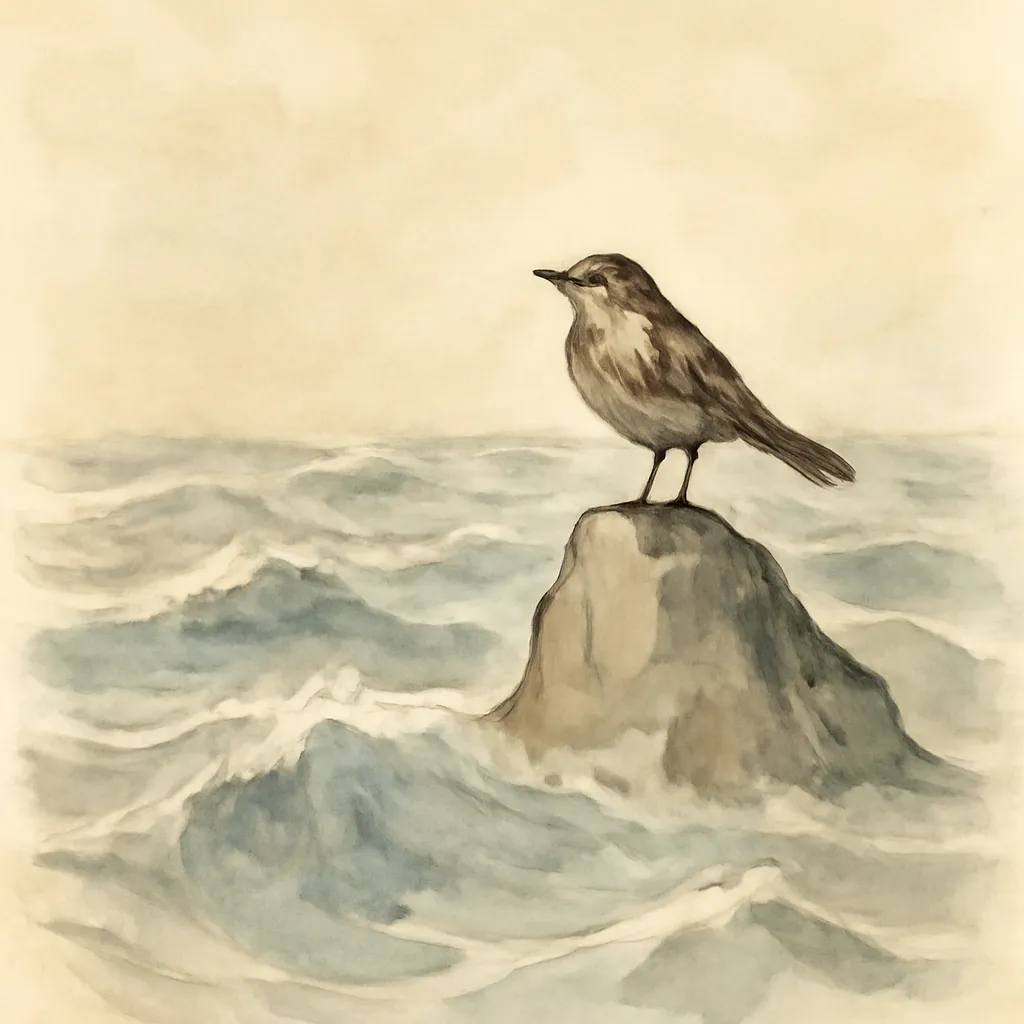
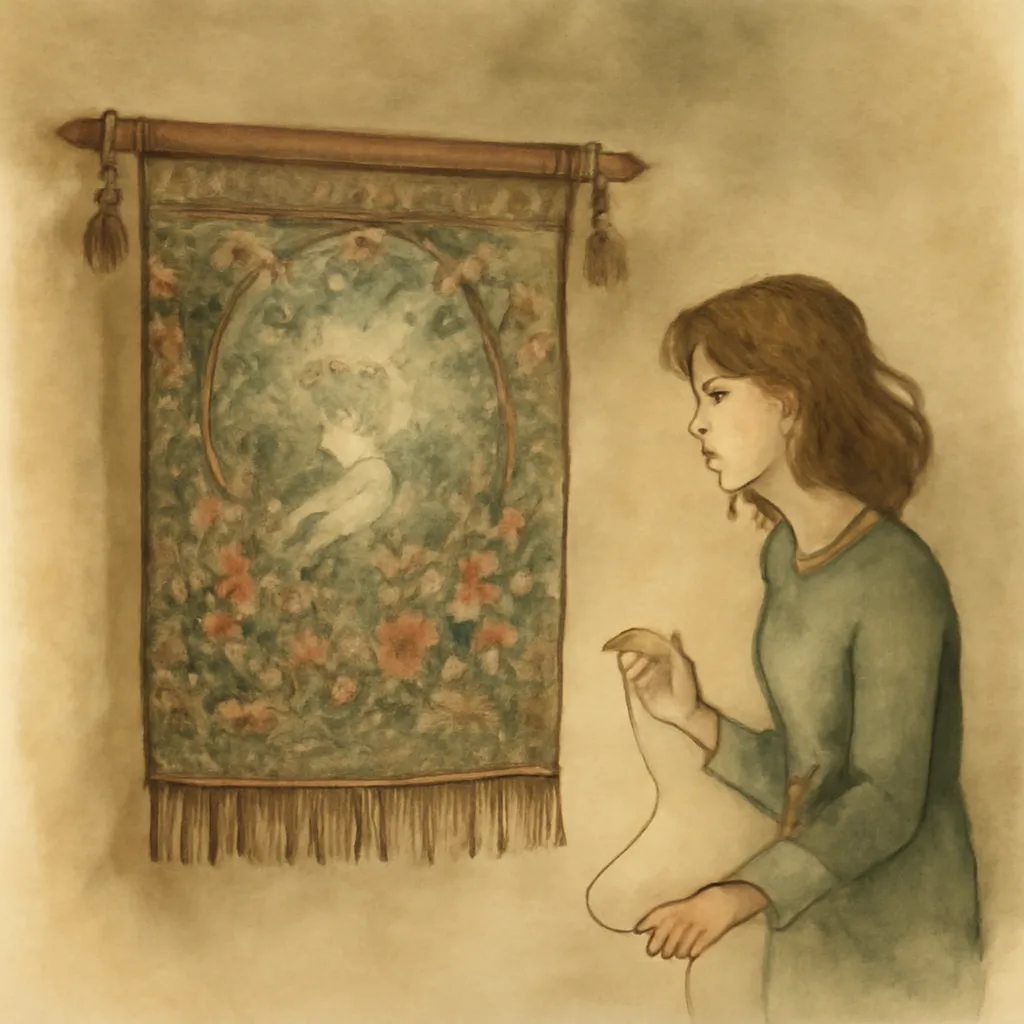
Jane’s journey is fundamentally about self-respect and independence. Despite her vulnerable position as an orphan and later as a governess, she consistently asserts her moral and emotional autonomy. Her refusal to become Rochester’s mistress, even when it means sacrificing love and comfort, is a radical assertion of self-worth in a time when women had few rights. The novel argues that true love and fulfillment are only possible when both partners meet as equals.
2.Social Critique and Class
Brontë uses Jane’s experiences to expose the rigid class system of Victorian England. Jane, though educated and intelligent, is constantly reminded of her low status. The novel critiques not only the aristocracy’s disdain for the poor but also the hypocrisy and cruelty within supposedly charitable institutions like Lowood School. Through Jane’s resilience, Brontë champions the dignity and potential of those society marginalizes.
3.Religion and Morality
Jane Eyre explores different models of religious belief, contrasting the cold, self-denying piety of St. John Rivers with Jane’s own compassionate and principled spirituality. Jane refuses to submit to a faith that denies her feelings and individuality, instead seeking a personal morality rooted in empathy and justice. This nuanced approach to religion was innovative for its time.
4.Love Versus Independence
The novel’s central tension is Jane’s desire for love and belonging versus her need for independence. Her relationship with Rochester is passionate but fraught with power imbalances and secrets. Jane’s decision to leave Thornfield is a turning point: she will not compromise her principles or self-respect for love. Only when she and Rochester can meet as equals does she return, making their union a model of mutual respect.
5.The Gothic and the Uncanny
Jane Eyre is infused with gothic elements—mysterious laughter, dark corridors, and secrets in the attic. These motifs heighten the emotional stakes and symbolize the hidden dangers and repressed desires lurking within Victorian society. The novel uses the gothic not just for suspense, but to explore psychological depth and the complexities of female experience.
6.Female Empowerment
Jane Eyre is often celebrated as an early feminist text. Jane’s insistence on her own worth, her intellectual and emotional agency, and her refusal to be defined by her relationships with men were groundbreaking. Brontë gives her heroine a voice that demands to be heard, inspiring generations of readers to value their own autonomy.