1.Understanding Cotton Fiber Chemistry
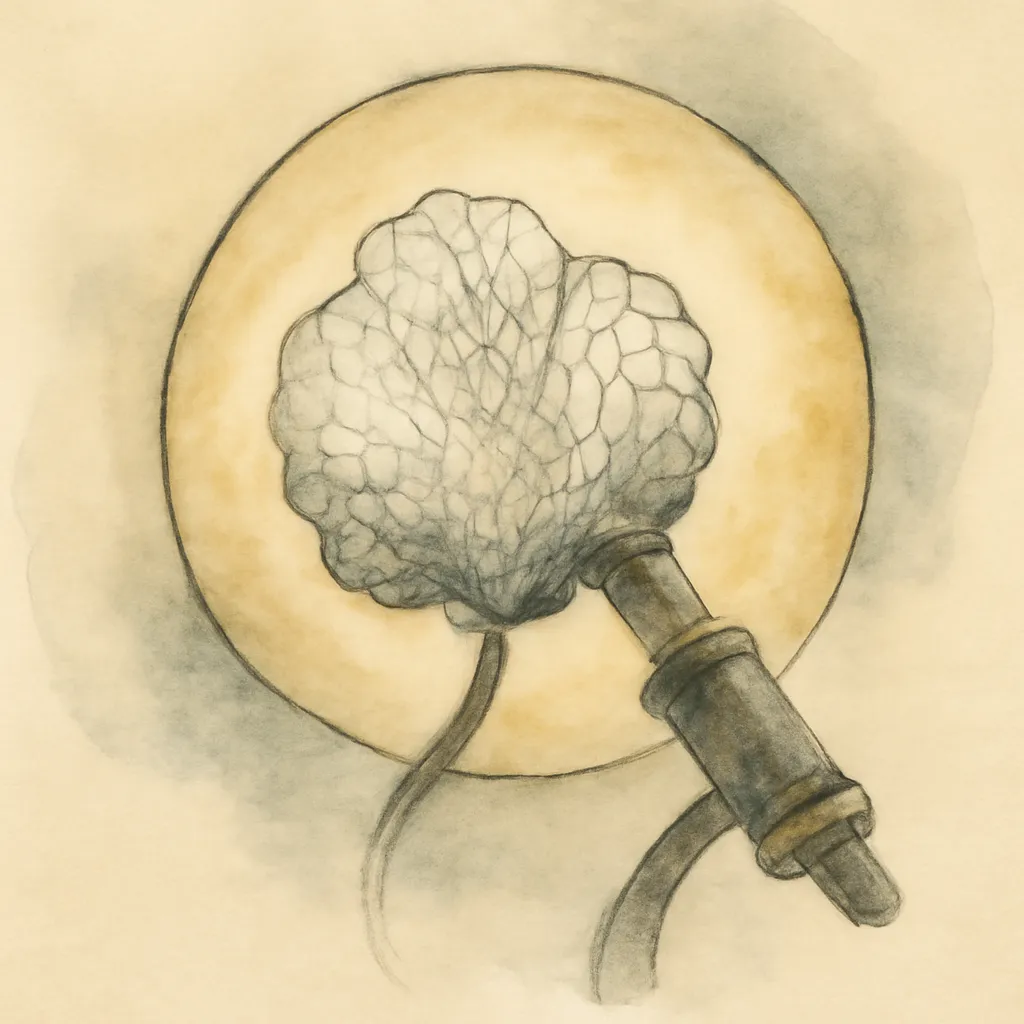
The foundation of successful dyeing lies in the understanding of the cotton fiber's structure and chemistry. Cotton fibers are primarily composed of cellulose, a polysaccharide that influences their behavior during dyeing. Beech explains how different chemical treatments can alter the properties of cotton, making it more receptive to dyes. For instance, the action of alkalies such as sodium hydroxide can help to open up the fiber structure, increasing its surface area and allowing better dye penetration. Conversely, acids like sulfuric acid can lead to the degradation of cellulose, potentially ruining the fiber's integrity and adversely affecting the dyeing process. Beech illustrates these effects with specific examples, emphasizing that the pre-treatment of cotton is crucial for achieving the desired color outcomes. By grasping these chemical principles, dyers can make informed decisions on how to prepare their cotton for dyeing, ensuring optimal results.
2.The Importance of Scouring and Bleaching
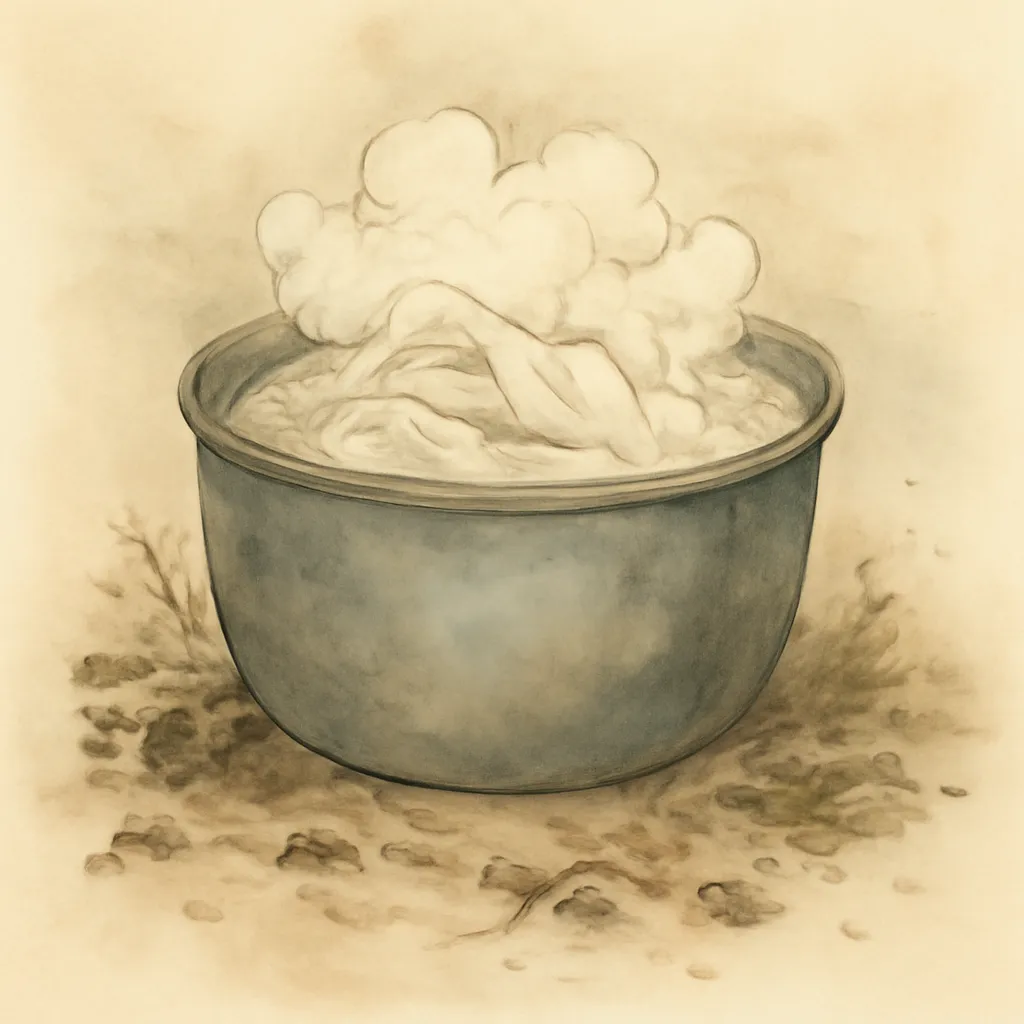
Before dyeing, cotton must undergo thorough scouring and bleaching to remove impurities that can lead to uneven coloration. Beech emphasizes that raw cotton often contains mechanical impurities such as dust, dirt, and vegetable matter, along with natural coloring agents that can interfere with the dyeing process. Scouring involves treating cotton with hot alkali solutions, which effectively cleans the fibers and prepares them for dye application. For lighter colors, bleaching is essential to eliminate any residual browning from the cotton itself. Beech outlines various methods for bleaching cotton, including the use of chlorine-based agents and natural bleaching techniques such as sunlight exposure. These preparatory processes are not merely cosmetic; they are crucial for achieving a uniform shade across the fabric. By detailing these methods, Beech highlights the meticulous nature of dyeing processes and the significant impact of proper preparation on the final product.
3.Dyeing Machinery: An Evolution in Technique

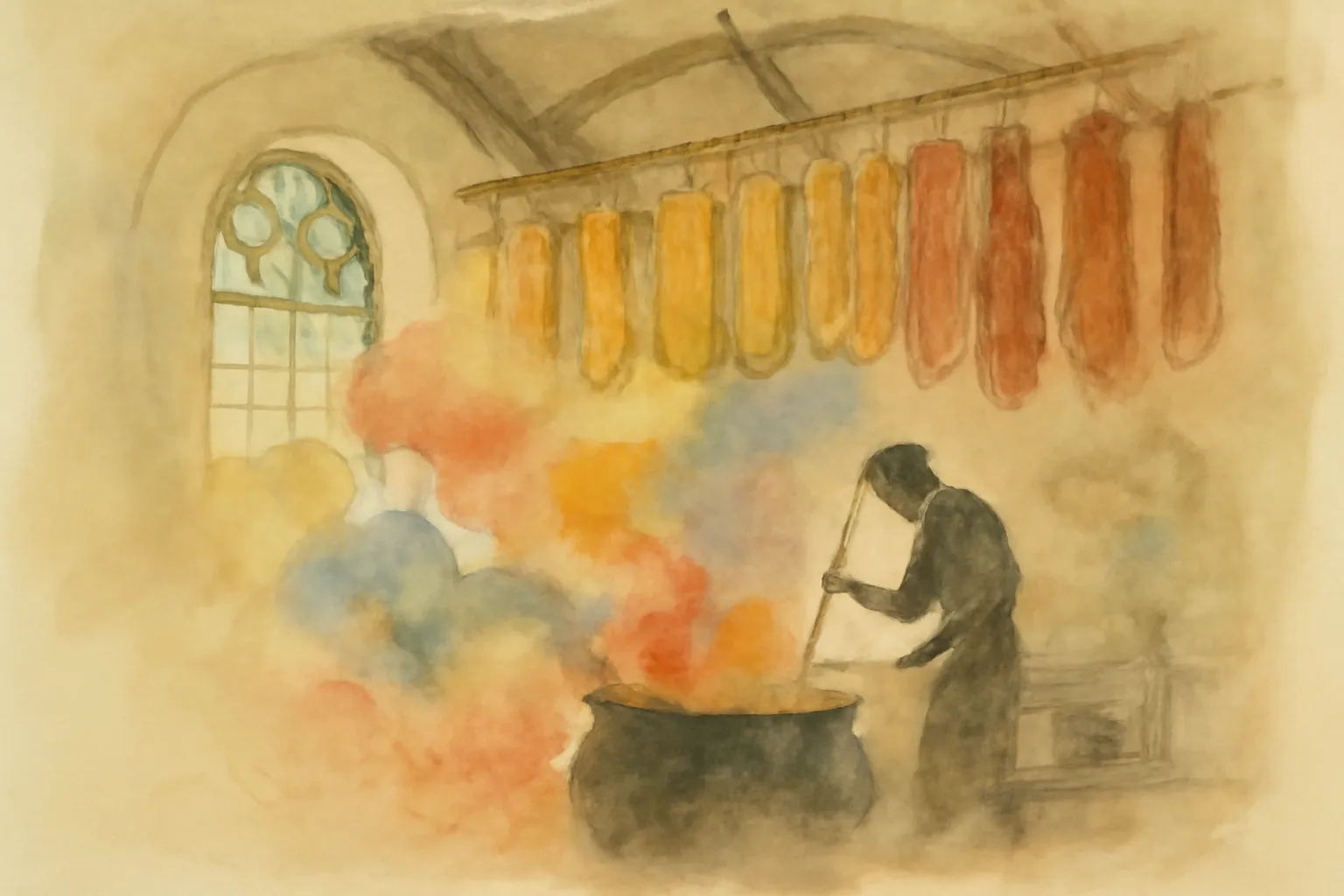
The machinery used in dyeing cotton has evolved significantly over the years, transitioning from manual methods to sophisticated machines that enhance efficiency and consistency. Beech describes various dyeing machines, including jiggers, winches, and continuous dyeing machines, each designed for specific forms of cotton, such as loose fibers, yarns, or finished fabrics. In the early days, all dyeing was done by hand in the simplest contrivances, but during the last quarter of a century, a great development in machinery has occurred. This advancement has allowed for greater control over the dyeing process, enabling dyers to achieve consistent results across large batches. For instance, jiggers allow for the simultaneous treatment of both sides of the fabric, ensuring even dye distribution. The introduction of mechanized dyeing has also significantly reduced labor costs and increased production speed. By understanding the capabilities and limitations of different dyeing machines, practitioners can choose the right equipment for their specific needs and improve overall productivity.
4.Principles of Cotton Dyeing: Direct vs. Indirect Methods

Beech categorizes dyeing methods into direct and indirect techniques, each with its own advantages and applications. Direct dyeing involves applying dyes directly to the cotton without any additional treatment, which is particularly effective for bright colors. However, these dyes can sometimes be less stable and may fade over time. In contrast, indirect methods may involve the use of mordants or chemical reactions to fix the dye onto the fiber, leading to more durable colors. Understanding the differences between these methods is crucial for achieving the desired color and durability of the finished product. Beech goes on to explain how certain dyes require specific conditions—such as temperature and pH levels—to ensure optimal fixation. For example, some direct dyes may perform best at higher temperatures, while others may require a cooler dye bath. This nuanced understanding empowers dyers to select the most appropriate dyeing method based on the desired outcome and the specific characteristics of the cotton being dyed.
5.Mordants: The Key to Color Fixation
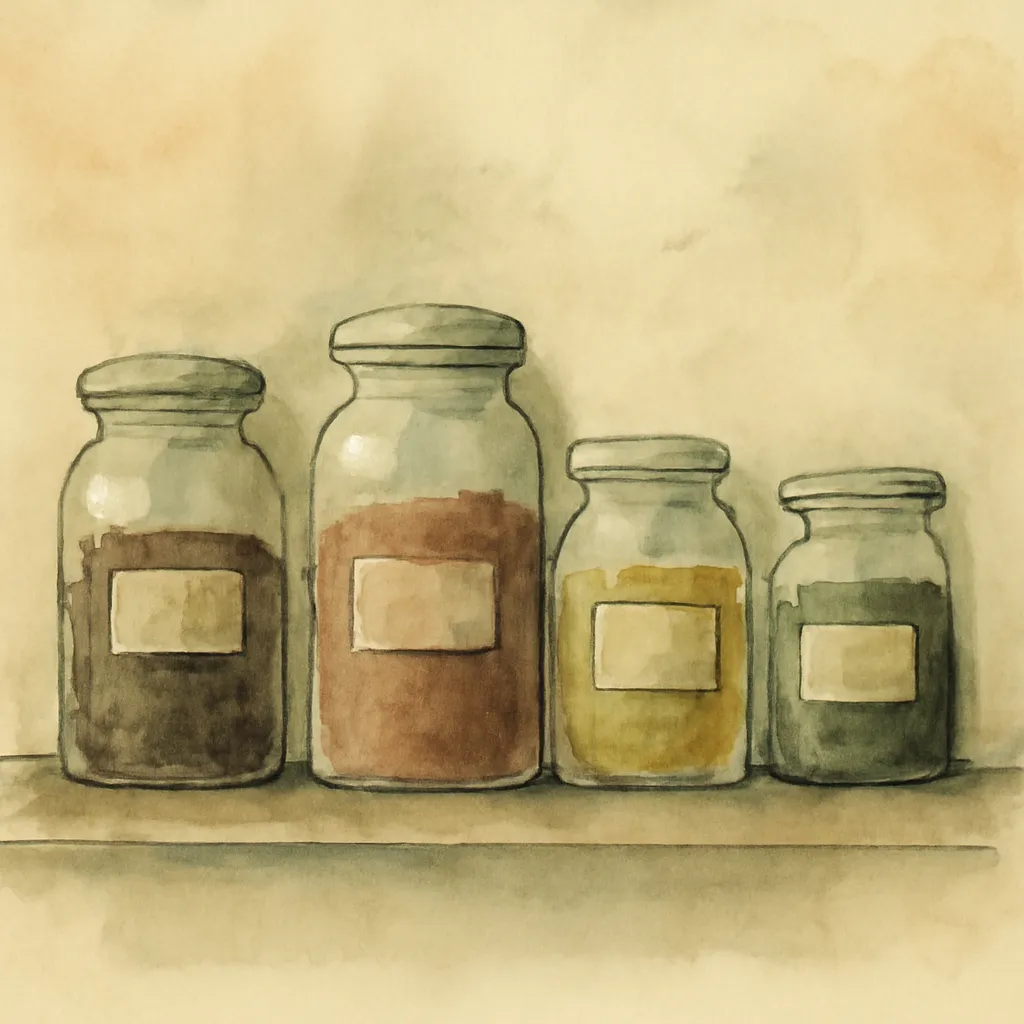
Mordants play a vital role in the dyeing process by enhancing the bond between the dye and the cotton fiber. Beech discusses various types of mordants, including metallic salts such as aluminum sulfate and tannins, and their impact on the final color of the fabric. For instance, using aluminum sulfate as a mordant can produce brighter and more vibrant colors, while iron mordants may yield darker, more muted tones. The choice of mordant not only influences the color outcome but also the fabric's wash fastness and light stability. Beech illustrates how the correct application of mordants can dramatically change the aesthetic quality of dyed fabrics, demonstrating the importance of this step in the dyeing process. He emphasizes that understanding how mordants interact with different dyes is crucial for achieving the desired results. By experimenting with different mordants and understanding their chemical interactions with dyes, practitioners can achieve a broader palette of colors and improve the longevity of the dyed fabric.
6.Testing and Quality Control in Dyeing
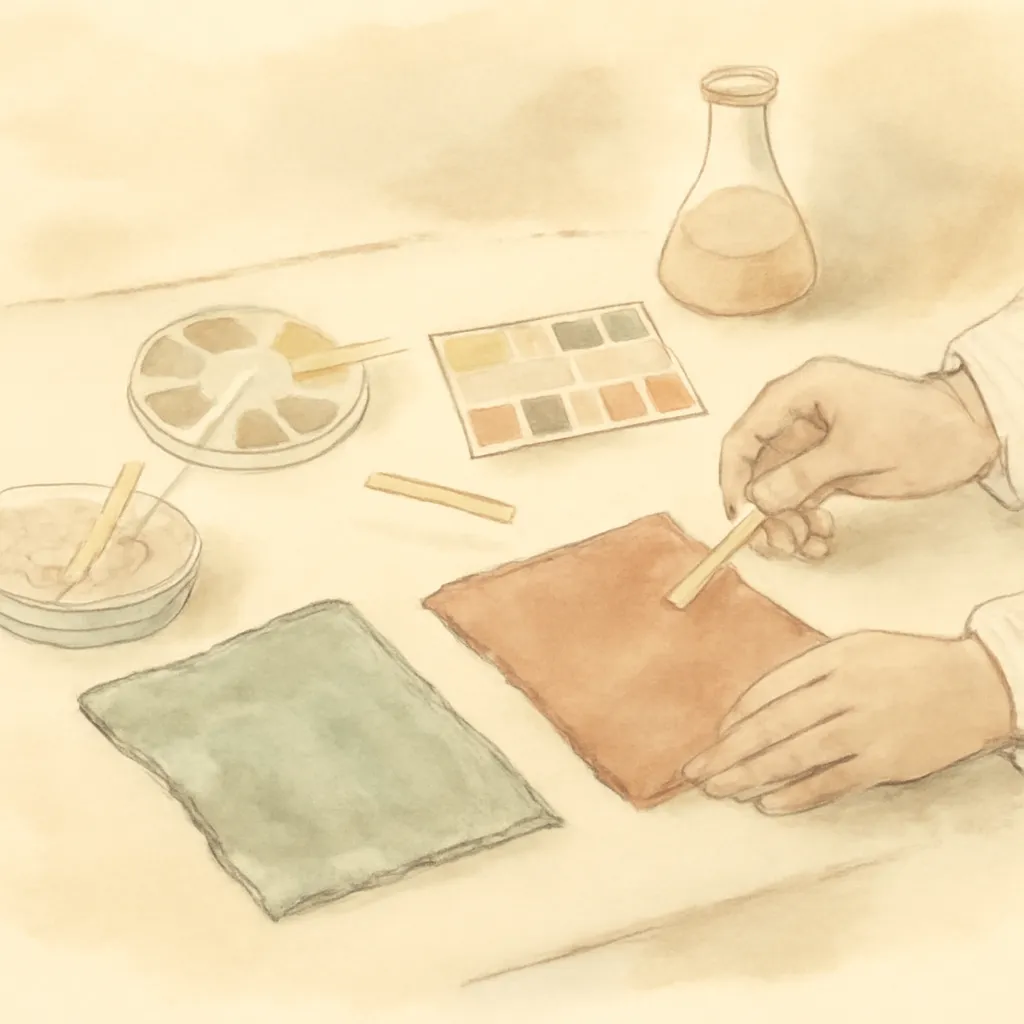
Quality control is paramount in the dyeing process to ensure that the final product meets the desired specifications. Beech outlines methods for testing dyed fabrics, including the use of chemical reagents to assess color fastness and stability. For instance, applying acids or alkalis to dyed samples can reveal how well the dyes adhere to the fibers under different conditions. This testing not only helps in identifying potential issues but also aids in refining the dyeing process for future batches. Beech emphasizes the importance of developing a systematic testing protocol that can be applied consistently across different dye lots. By accumulating data on the performance of various dyes and treatments, dyers can improve their practices over time and ensure that their products consistently meet quality standards. This approach fosters a culture of continuous improvement, which is essential for maintaining a competitive edge in the textile industry.
7.Experimental Dyeing: The Path to Innovation
Beech advocates for experimental dyeing as a means to discover new shades and techniques. By setting up a small dyeing laboratory, dyers can experiment with different dye combinations, mordants, and processes to create unique colors. This hands-on approach is crucial for developing a deeper understanding of dye chemistry and the behavior of various materials. Beech provides practical advice on setting up experiments, including the necessary equipment, safety precautions, and record-keeping practices to document results. The willingness to experiment fosters innovation and creativity in dyeing, allowing practitioners to push the boundaries of traditional techniques. By sharing case studies of successful experimental dyeing projects, Beech illustrates how this approach can yield significant advancements in dyeing practices and open new avenues for artistic expression in textile design.
8.Dyeing Union Fabrics: Challenges and Solutions
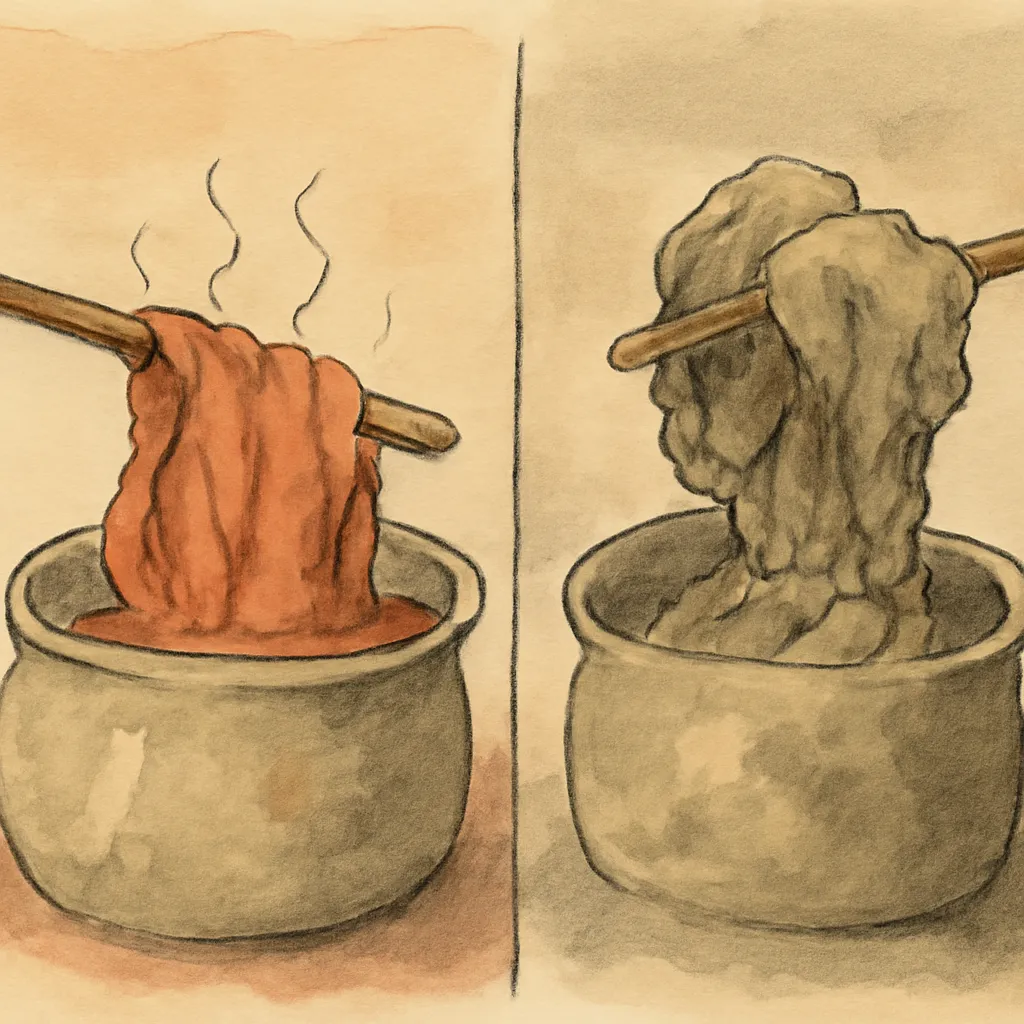
Dyeing fabrics that combine cotton and wool presents unique challenges due to the differing affinities of the two fibers for dyes. Beech explains how the introduction of direct dyes has revolutionized the dyeing of mixed fabrics, allowing for more uniform results. The dyer of union fabrics, that is, fabrics composed of wool and cotton, was formerly put to great straits to obtain uniform shades, owing to the difference in the affinity of the two fibers for the dye-stuffs then known. He emphasizes the importance of selecting dyes that perform well on both fibers and suggests methods for achieving two-tone effects or patterned designs. For instance, using dyes that have similar fixation properties can help ensure that both fibers absorb the dye at comparable rates, resulting in a more cohesive color. This knowledge is crucial for textile manufacturers who wish to produce high-quality mixed-fiber fabrics that meet consumer demands. By understanding the science behind dyeing union fabrics, practitioners can overcome the challenges posed by these complex materials.
9.Half Silk Fabrics: Unique Dyeing Techniques
Dyeing half silk fabrics, which combine cotton and silk, requires specialized techniques to achieve the desired color balance between the two fibers. Beech discusses the use of direct dyes and the importance of choosing the right dye bath conditions to ensure both fibers absorb the dye evenly. He highlights how certain direct dyes can allow for deeper shades on cotton compared to silk, which can be a beneficial property for achieving a desired aesthetic. The methodology for dyeing half silk fabrics often involves careful monitoring of dye concentrations and bath temperatures to avoid uneven results. Beech also explains the critical role of additives, such as salts and surfactants, in achieving the desired dyeing characteristics. This chapter provides valuable insights for dyers looking to expand their expertise into more complex fabric compositions. Understanding these unique challenges allows practitioners to create stunning and innovative designs while maintaining fabric integrity.
10.Post-Dyeing Operations: Ensuring Quality and Longevity
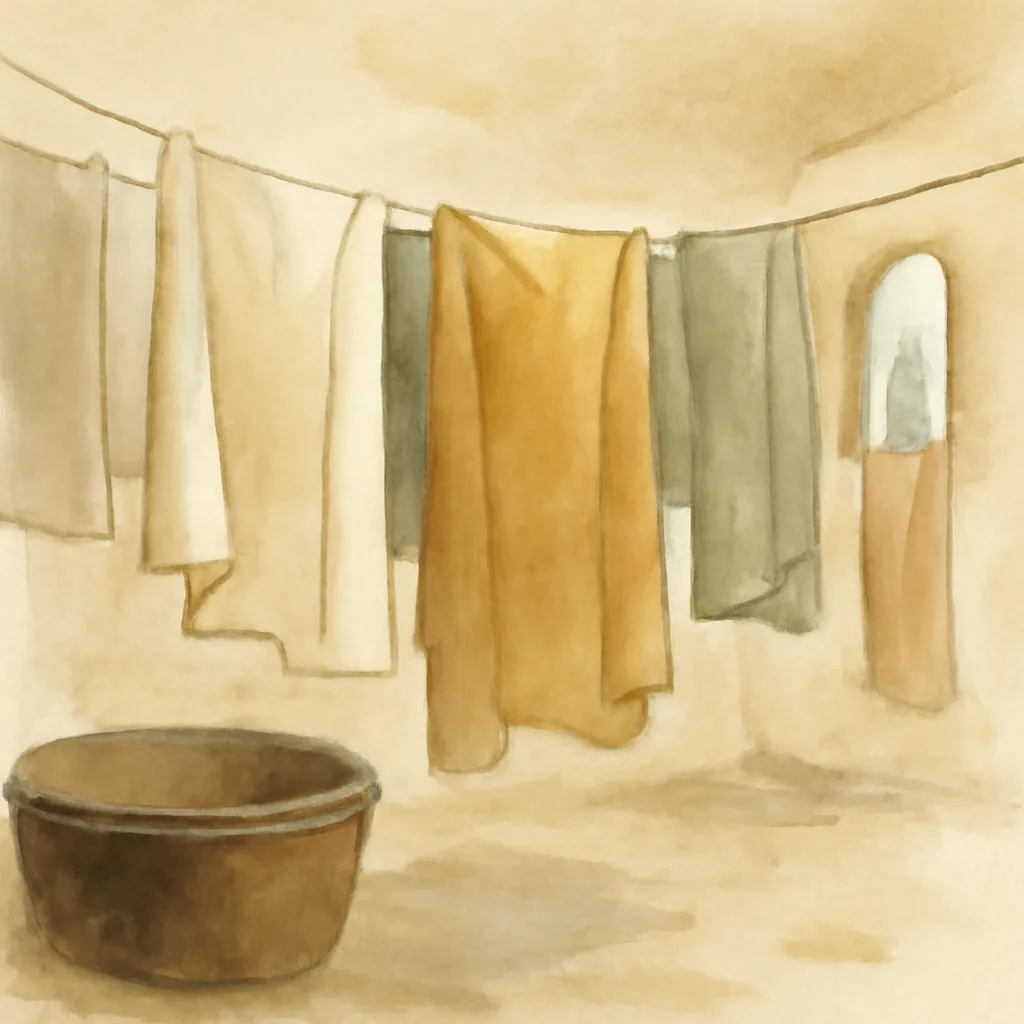
After dyeing, cotton fabrics must undergo several post-dyeing operations to remove excess dye and prepare them for market. Beech outlines the processes of washing, soaping, and drying, which are crucial for ensuring the fabric's appearance and durability. Washing removes any unbounded dye that could lead to bleeding or fading over time, while soaping helps in setting the dye and enhancing the fabric's feel. The drying process, whether by air or machine, is equally important as it affects the final texture and appearance of the fabric. Beech discusses the various drying methods, including the use of hydro-extractors and drying cylinders, emphasizing the need for appropriate drying conditions to preserve dye quality. He also notes that improper drying can lead to issues such as color loss or fabric damage. Understanding these post-dyeing operations allows dyers to deliver high-quality products that meet consumer expectations and stand the test of time. By incorporating thorough finishing techniques, practitioners can ensure that their dyed fabrics are both beautiful and durable.