1.The Fragility of Identity
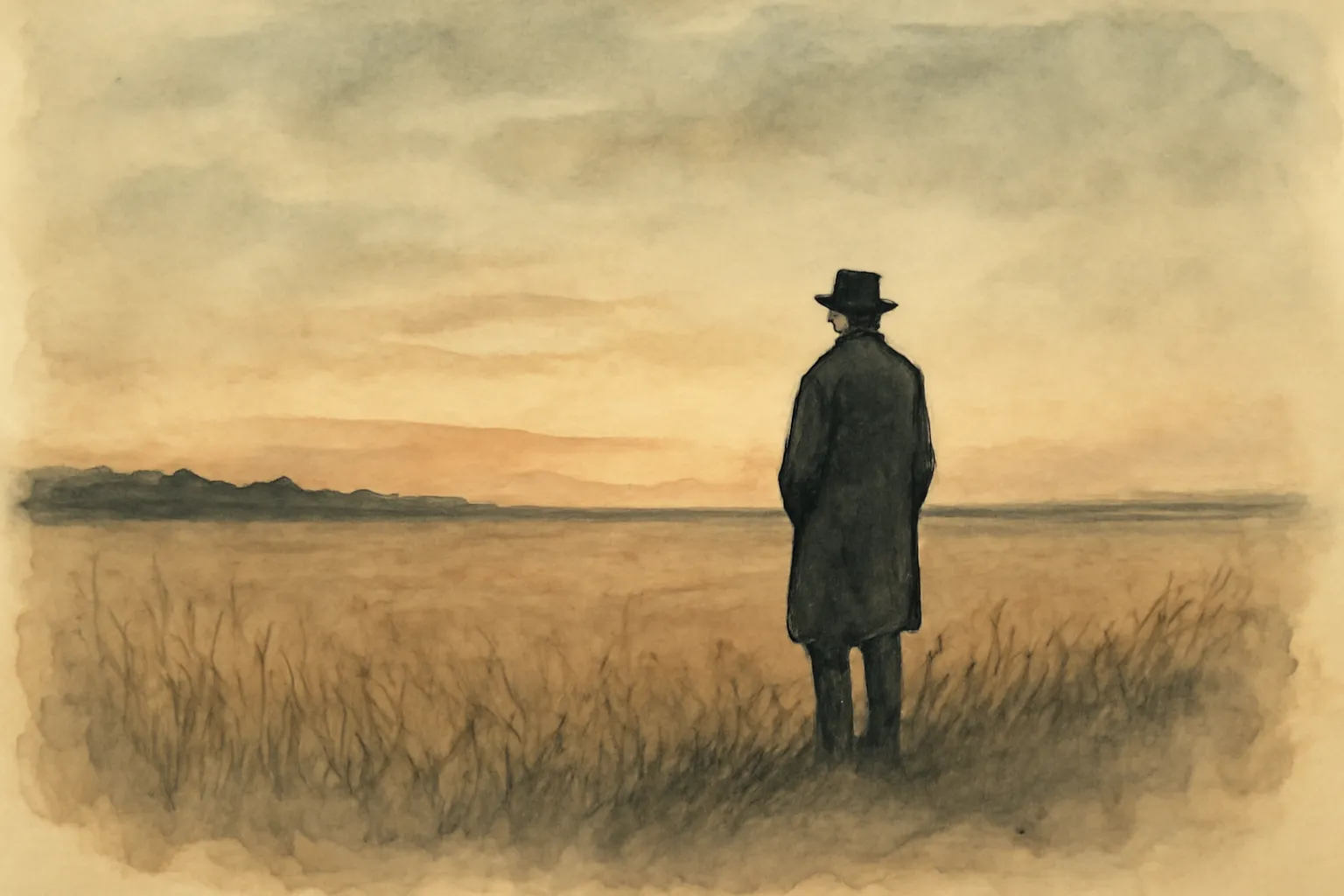
At the heart of The Echo Maker is the question of what makes us who we are. Mark’s Capgras Syndrome—his belief that his sister is an impostor—serves as a powerful metaphor for the instability of personal identity. Powers uses Mark’s neurological condition to explore how memory, perception, and emotion construct our sense of self, and how easily that construction can be disrupted. The novel invites readers to consider how much of our identity depends on others’ recognition and on the stories we tell about ourselves.
2.The Limits of Science and Understanding
Through the character of Gerald Weber, a renowned neurologist, Powers interrogates the boundaries of scientific knowledge. Weber’s confidence in his expertise is gradually eroded as he confronts the complexities of Mark’s case and the emotional realities of those affected. The novel questions whether science can ever fully explain the mysteries of consciousness, or whether some aspects of the human experience remain ineffable. This tension between scientific explanation and existential uncertainty is a central theme.
3.Family, Obligation, and the Weight of the Past
Karin’s return to her hometown and her struggle to care for her brother highlight the burdens and bonds of family. The siblings’ relationship is fraught with unresolved tensions, regrets, and unspoken histories. Powers examines how trauma can both fracture and reinforce familial ties, and how caring for a loved one can force a reckoning with the past. The novel is as much about the emotional labor of caregiving as it is about neurological mystery.
4.The Unreliability of Memory and Truth
Mark’s quest to uncover what happened on the night of his accident becomes a meditation on the unreliability of memory. As he tries to piece together the truth, the novel blurs the line between fact and interpretation, suggesting that all recollection is shaped by desire, fear, and self-preservation. The mystery at the novel’s core is less about solving a crime than about understanding how subjective and elusive truth can be.
5.Nature, Place, and the Nonhuman
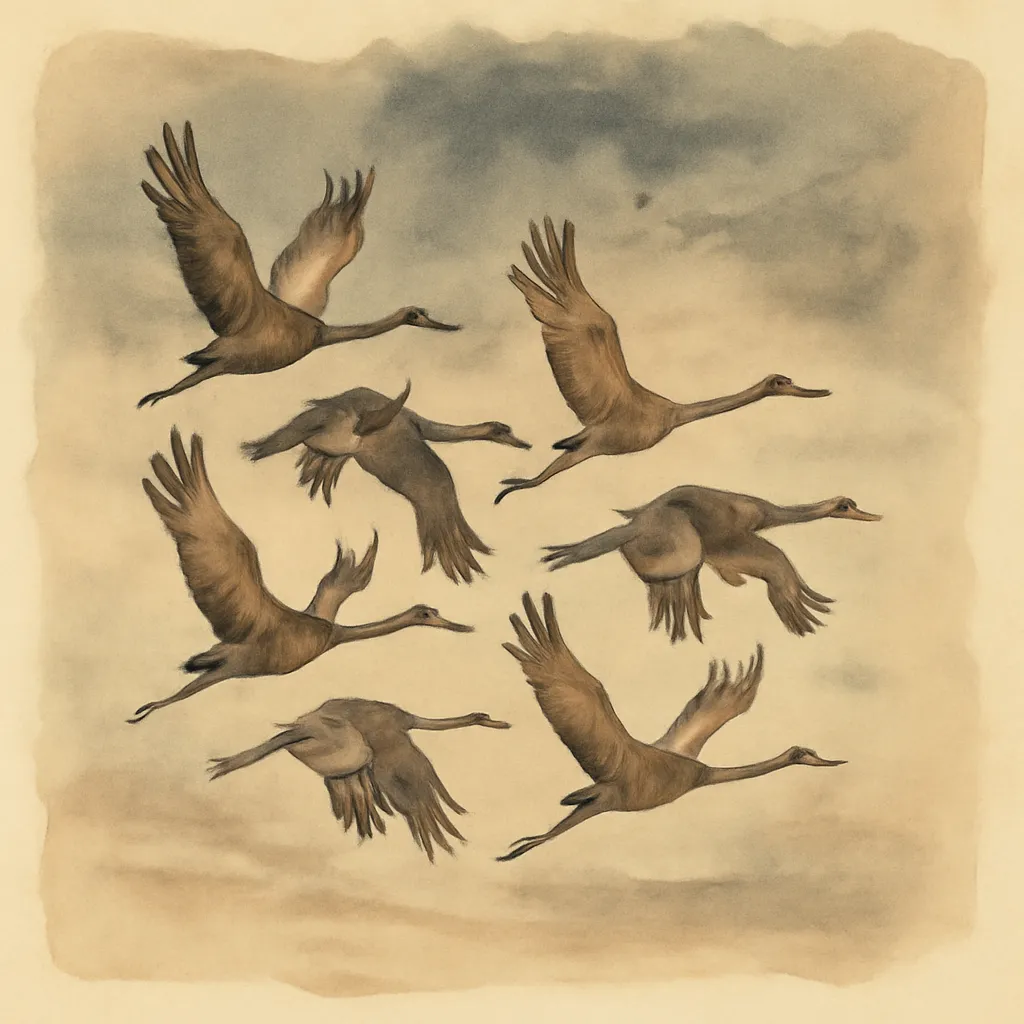
Set in the stark Nebraska landscape, The Echo Maker draws parallels between human and animal worlds, particularly through the recurring motif of the sandhill cranes. These birds, with their ancient migratory patterns, serve as a symbol of memory, instinct, and the continuity of life beyond human drama. Powers uses the natural setting to reflect on themes of belonging, displacement, and the search for meaning in a vast, indifferent world.
6.The Interplay of Mystery and Meaning
The novel’s structure as a mystery—centered on the enigmatic accident and the anonymous note—mirrors its thematic preoccupation with the unknown. Powers suggests that the search for answers, whether scientific or personal, is itself a fundamental human drive, and that meaning often emerges not from certainty, but from the act of questioning.