1.Cancer as a Historical Foe
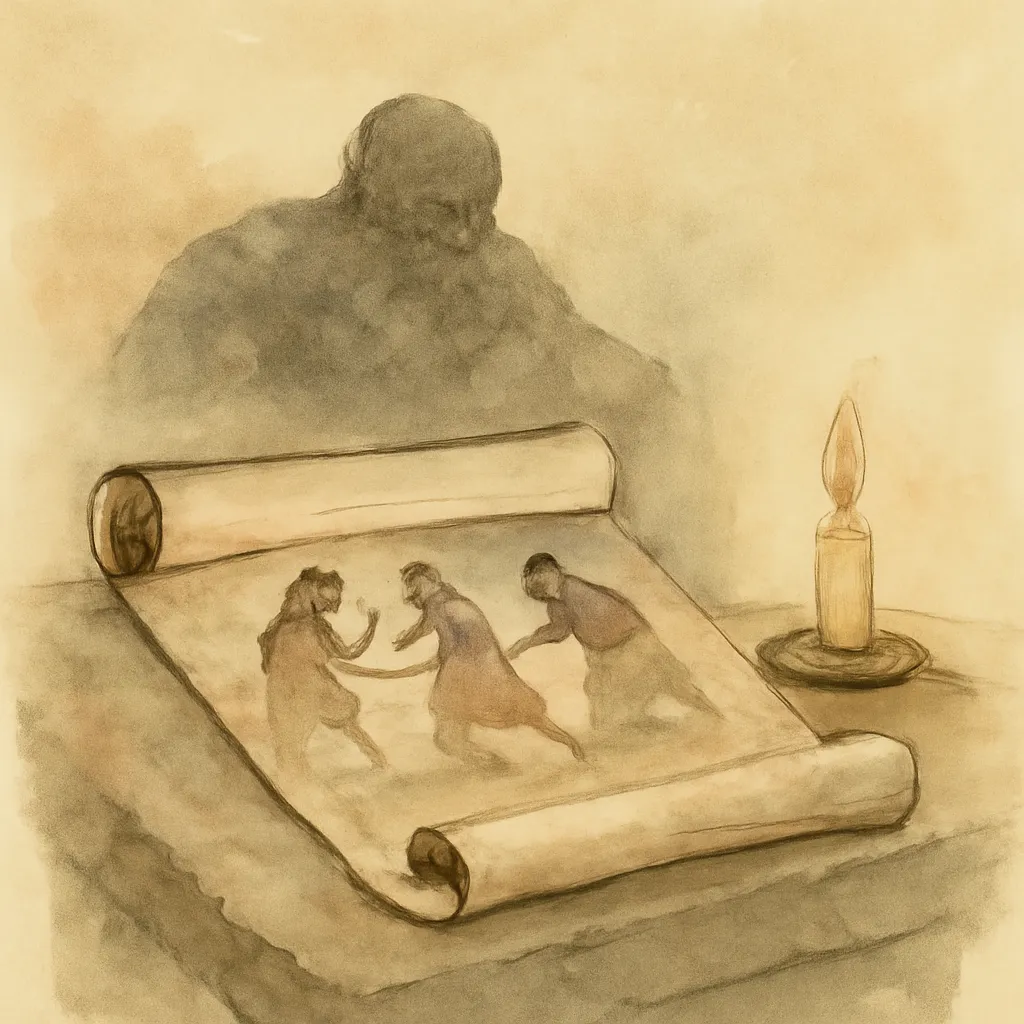
Mukherjee frames cancer not simply as a disease, but as an ancient adversary intertwined with human history. He traces references to cancer back to antiquity, demonstrating that our struggle with it is as old as civilization itself. By contextualizing cancer within the broader sweep of medical history, the book reveals how each era’s understanding of the disease reflects its prevailing scientific and cultural attitudes. This historical perspective underscores the persistent, evolving nature of the battle against cancer.
2.The Evolution of Cancer Treatment
A major theme is the shifting landscape of cancer treatment—from radical surgeries and early chemotherapy to targeted therapies and immunology. Mukherjee details the personalities, breakthroughs, and setbacks that shaped oncology, showing how treatments often emerged from a mix of scientific insight, desperation, and even hubris. He highlights both the progress and the limits of medicine, emphasizing that each advance often brings new challenges and ethical dilemmas.
3.The Human Face of Cancer
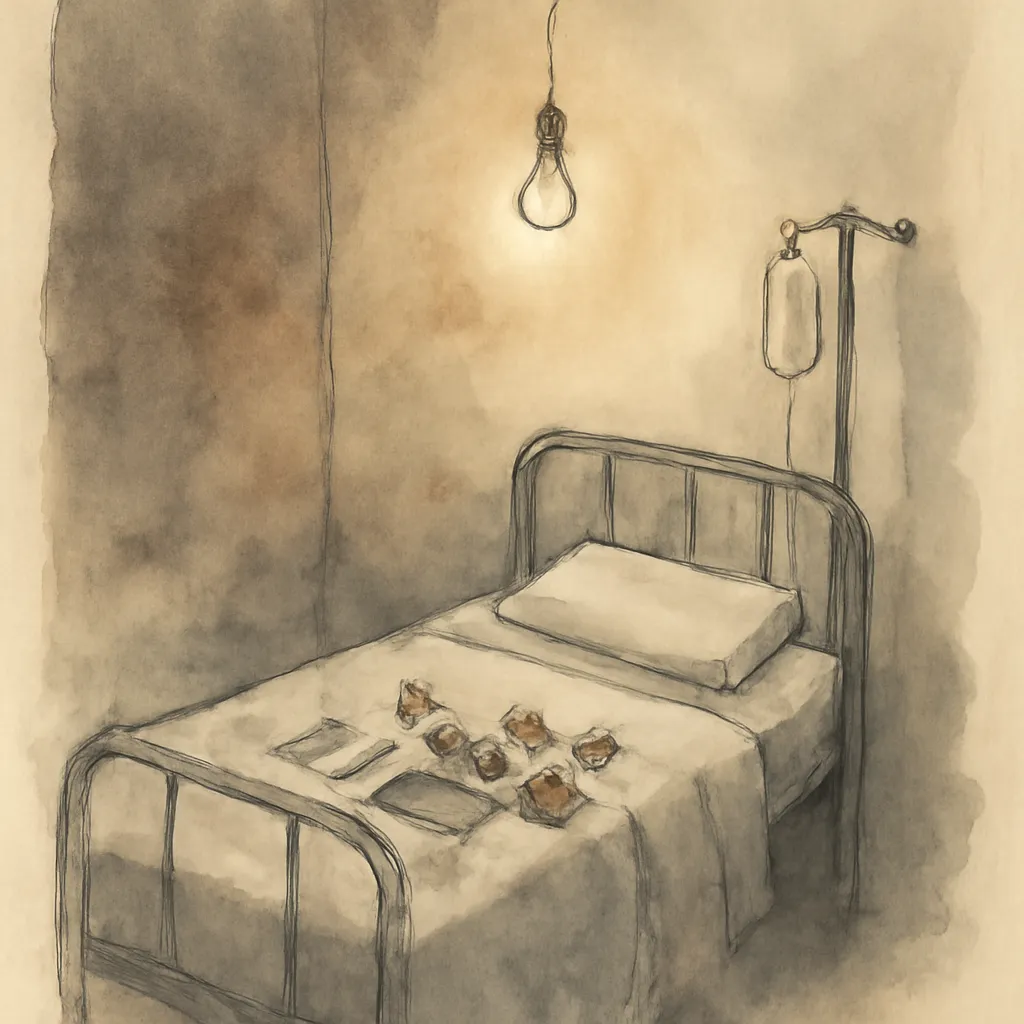
Interwoven with scientific history are the stories of patients, doctors, and researchers. Mukherjee brings to life the emotional and psychological toll of cancer, making the disease more than a clinical abstraction. Through patient narratives, he explores themes of hope, fear, resilience, and the search for meaning in the face of mortality. This humanistic approach invites readers to see cancer not just as a medical problem, but as a deeply personal experience.
4.The Politics and Economics of Cancer
The book delves into the political and economic forces that have shaped cancer research and treatment, such as the 'War on Cancer' launched in the 1970s. Mukherjee examines how funding, advocacy, and public perception have influenced the direction and pace of scientific discovery. He also addresses the disparities in access to care and the complex relationship between pharmaceutical innovation and profit. This analysis reveals that cancer is not only a biological challenge, but also a societal one.
5.The Biology of Cancer: Complexity and Adaptation
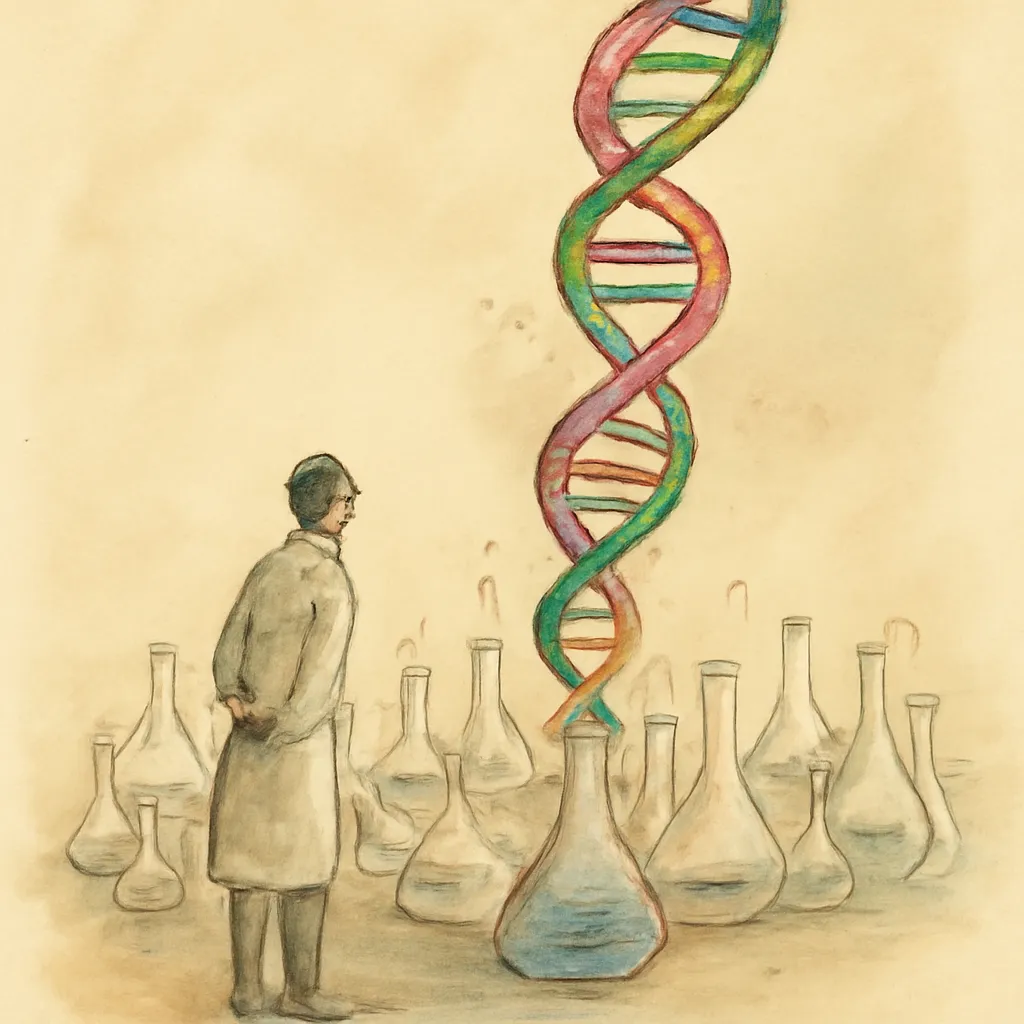
Mukherjee explains the science of cancer with clarity, unpacking how cancer arises from the body’s own cells gone awry. He emphasizes the disease’s adaptability—its ability to evade treatments and exploit biological pathways. This complexity makes cancer a formidable foe, requiring continual adaptation in research and therapy. The book demystifies the science without oversimplifying, making the reader appreciate both the intricacy of cancer and the ingenuity required to fight it.
6.Hope, Progress, and Uncertainty
While acknowledging the enormous challenges, Mukherjee ultimately offers a message of cautious optimism. He charts the incremental victories and the growing arsenal of therapies, but also reminds readers that cancer may never be fully 'cured' in the traditional sense. Instead, he suggests that progress lies in transforming cancer from a death sentence into a manageable, chronic condition. The book encourages realistic hope grounded in scientific rigor.