1.The Awakening of Mrs. Wilkins
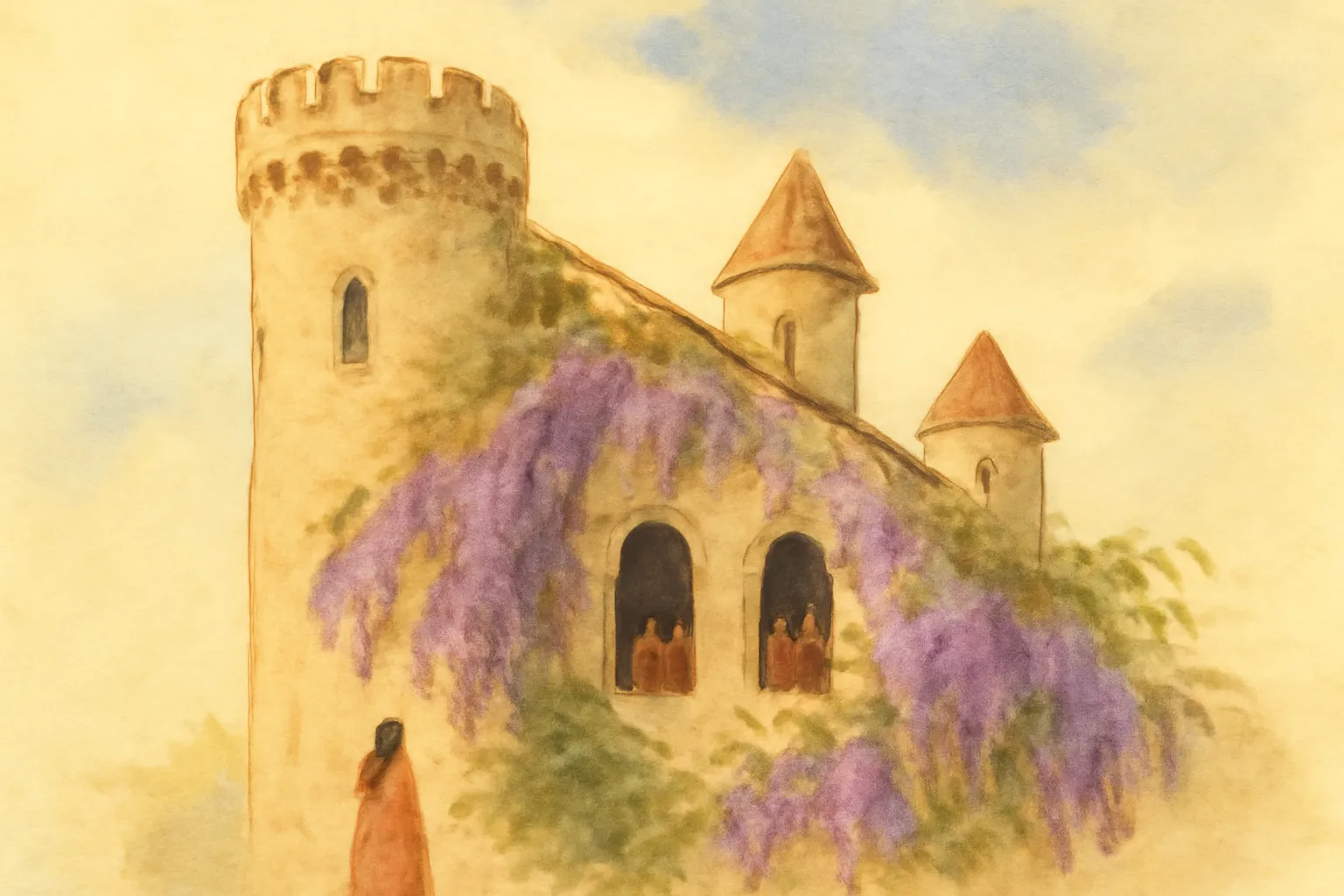
Mrs. Wilkins, a seemingly insignificant woman stifled by her marriage and societal expectations, symbolizes the struggle for self-identity. Initially, she is depicted as a meek character, constrained by her husband’s thrift and her own financial limitations. However, upon seeing the advertisement for the Italian castle, she experiences a spark of hope and longing for beauty and freedom. This advertisement becomes a catalyst for her transformation, as it plants the seed of adventure and desire within her. As she contemplates leaving her mundane life behind, she must wrestle with feelings of guilt and the societal norms that dictate her role as a wife. Ultimately, her journey to Italy represents a rebirth, as she learns to embrace her desires and assert her independence.
2.The Role of Companionship
Companionship plays a pivotal role in the transformation of the four women. Mrs. Wilkins and Mrs. Arbuthnot's initial bond forms over their shared longing for escape, illustrating how mutual understanding can foster friendship. Their decision to embark on this journey together not only provides them with emotional support but also strengthens their resolve to break free from their respective constraints. Lady Caroline and Mrs. Fisher, despite their initial aloofness and antagonism toward the other two, gradually soften as they experience the beauty of their surroundings and the warmth of companionship. This evolution highlights the importance of community in personal growth; as the women interact, they challenge each other’s perspectives and ultimately learn to appreciate the diverse facets of femininity.
3.The Healing Power of Nature
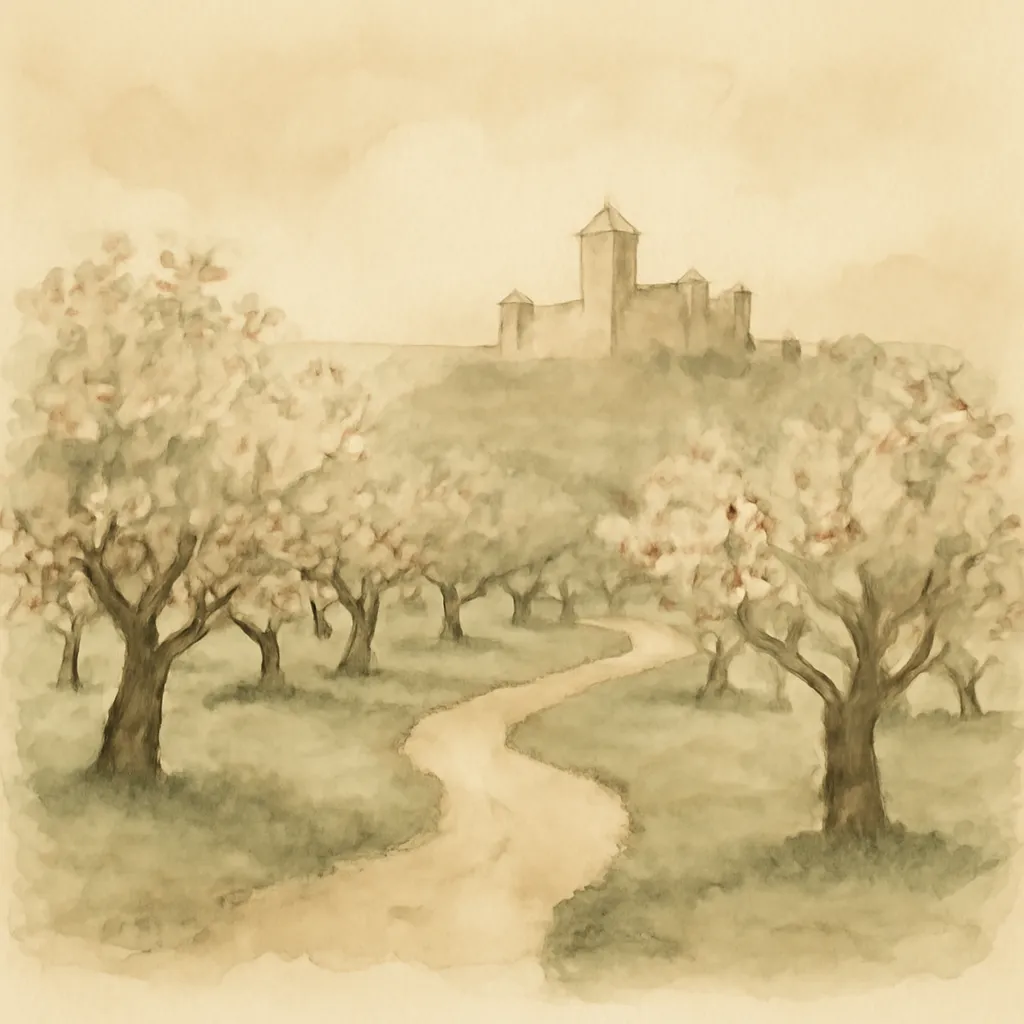
The Italian landscape serves as a powerful backdrop for the women's transformation, emphasizing the healing qualities of nature. San Salvatore, with its blossoming flowers and vibrant colors, symbolizes renewal and rejuvenation. The initial disappointment of cloudy weather quickly gives way to the realization that even the rain in Italy carries a different beauty, further illustrating the idea that one’s perspective can alter experiences. As the women immerse themselves in the natural beauty surrounding them, they begin to shed their insecurities and societal expectations. The vivid descriptions of flowers, gardens, and the Mediterranean sea evoke a sense of wonder that inspires the characters to embrace life more fully. This connection to nature not only rejuvenates their spirits but also serves as a reminder of the simplicity and joy that beauty can bring.
4.Challenging Social Norms
The novel subtly critiques the rigid social norms of early 20th-century England, particularly regarding gender roles and expectations in marriage. Mrs. Wilkins and Mrs. Arbuthnot, both constrained by their husbands’ expectations, represent the struggles many women faced during this period. Their journey to Italy serves as a rebellion against these norms, as they prioritize their happiness and well-being over societal approval. Lady Caroline, despite her aristocratic background, also grapples with her own constraints, revealing that privilege does not guarantee freedom. Mrs. Fisher’s character further illustrates the absurdity of societal expectations; her possessiveness and jealousy over the castle's beauty highlight how these norms can lead to isolation and bitterness. As the women collectively embrace their individuality, they challenge the status quo and redefine what it means to be a woman in their society.
5.The Complexity of Relationships
The relationships among the four women evolve throughout the story, revealing the complexities of friendship and rivalry. Initially, Mrs. Fisher's possessiveness over the castle creates tension, as she feels her space is being encroached upon. This conflict serves to highlight the insecurities and fears each woman harbors, as they grapple with their identities and the roles they play in each other’s lives. Lady Caroline's initial aloofness masks her own vulnerabilities, and as the story progresses, her interactions with the other women reveal a deeper longing for connection. The novel emphasizes that relationships are not always harmonious; they require effort, understanding, and, at times, confrontation. Through their shared experiences, the women learn to navigate these complexities, ultimately leading to stronger bonds and mutual respect.
6.Personal Growth Through Conflict
Conflict acts as a catalyst for personal growth among the characters, pushing them to confront their fears and insecurities. The initial disagreements between Mrs. Wilkins and Mrs. Fisher over the use of the castle create an environment of tension that forces the women to reflect on their motivations and desires. Rather than allowing these conflicts to drive them apart, the characters learn to communicate openly and work through their differences. For instance, Mrs. Wilkins's ability to stand up for herself and assert her needs demonstrates her growth from a passive individual to one who claims her space and voice. This journey of self-discovery is mirrored in Mrs. Arbuthnot's evolving relationship with her own expectations and desires. The resolution of these conflicts ultimately leads to a harmonious coexistence, showcasing how challenges can foster resilience and deeper understanding.
7.The Enchantment of Love
Love, in its various forms, weaves throughout the narrative, offering both challenges and rewards. The romantic tension between Lady Caroline and Mr. Briggs adds a layer of complexity to the story, as it navigates the nuances of attraction and vulnerability. Their interactions highlight the transformative power of love, as they both confront their preconceived notions about relationships. Additionally, Mrs. Wilkins's rekindled affection for her husband, Mellersh, becomes a central theme, illustrating how time apart can reignite feelings and inspire personal growth. The novel suggests that love is not merely a romantic notion but a force that can heal, inspire, and transform individuals. Through the women’s evolving relationships, 'The Enchanted April' celebrates the beauty of love in its many manifestations, ultimately revealing it as a fundamental component of the human experience.
8.The Role of Class and Privilege
Class and privilege play significant roles in shaping the characters' experiences and perceptions. Lady Caroline, as an aristocrat, initially embodies the privileges of her status, yet she struggles with the isolation that this privilege brings. Her encounters with Mrs. Wilkins and Mrs. Arbuthnot challenge her perspectives, as they reveal the limitations of her world. Conversely, Mrs. Wilkins's financial constraints highlight the struggles of the middle class, illustrating how economic status can dictate one's opportunities and experiences. The interactions between characters of different social standings serve to blur the lines of class, as they find common ground in their shared humanity. This theme encourages readers to reflect on how societal structures impact personal relationships and individual growth, ultimately advocating for a more egalitarian understanding of human connection.
9.The Magic of Transformation

The overarching theme of transformation permeates the narrative, as each character undergoes significant personal growth during their time at San Salvatore. The idyllic setting acts as a catalyst for change, allowing the women to shed their old selves and embrace new identities. Mrs. Wilkins transforms from a timid wife into a confident woman who claims her desires. Mrs. Arbuthnot learns to prioritize her happiness, recognizing that self-care is not selfish. Lady Caroline’s journey reveals her vulnerability, allowing her to connect more deeply with others. Even Mrs. Fisher, initially characterized by her bitterness, experiences a shift as she begins to appreciate the beauty around her. This transformation is not only individual but collective; as the women learn from one another, they create a supportive environment that fosters growth. The novel ultimately posits that change is possible for anyone willing to embrace their true selves and open their hearts to the enchantment of life.
10.Conclusion: The Legacy of San Salvatore
In 'The Enchanted April', Elizabeth Von Arnim crafts a narrative that transcends time, exploring themes of self-discovery, friendship, and the power of nature. The characters' journeys reflect the universal quest for happiness and fulfillment, reminding readers of the importance of stepping outside one's comfort zone. As the women of San Salvatore navigate their differences and personal struggles, they ultimately find common ground in their shared experiences and aspirations. The castle serves not only as a physical escape but as a metaphor for the transformative power of beauty and companionship. In a world often defined by constraints and expectations, the novel's message resonates: true enchantment lies in embracing one's desires, forging meaningful connections, and allowing oneself to be transformed by the magic of life.