1.The Power and Peril of Faith
Hamilton explores how faith—both religious and secular—can inspire hope, drive collective action, or lead to catastrophic consequences. The pilgrimage into the Void is not just a physical journey but a metaphor for the human desire to believe in something greater, even at the risk of annihilation. The book interrogates the tension between spiritual yearning and rational skepticism, showing how belief systems can both unite and endanger civilizations.
2.The Nature of the Void
The Void is more than a cosmic anomaly; it is a force that manipulates reality and consciousness itself. Through Edeard’s story, Hamilton delves into the seductive promise of a perfect world and the cost of achieving it. The Void becomes a crucible for examining utopian dreams and the dangers of escaping from the messy complexity of real existence.
3.Human Evolution and Transcendence
A central theme is the next stage of human evolution, both technologically and spiritually. Characters grapple with the possibility of transcending physical limitations, whether through advanced technology, psychic powers, or the transformative potential of the Void. The narrative asks what it means to be human in a universe where consciousness can be altered or expanded beyond recognition.
4.Interconnected Destinies
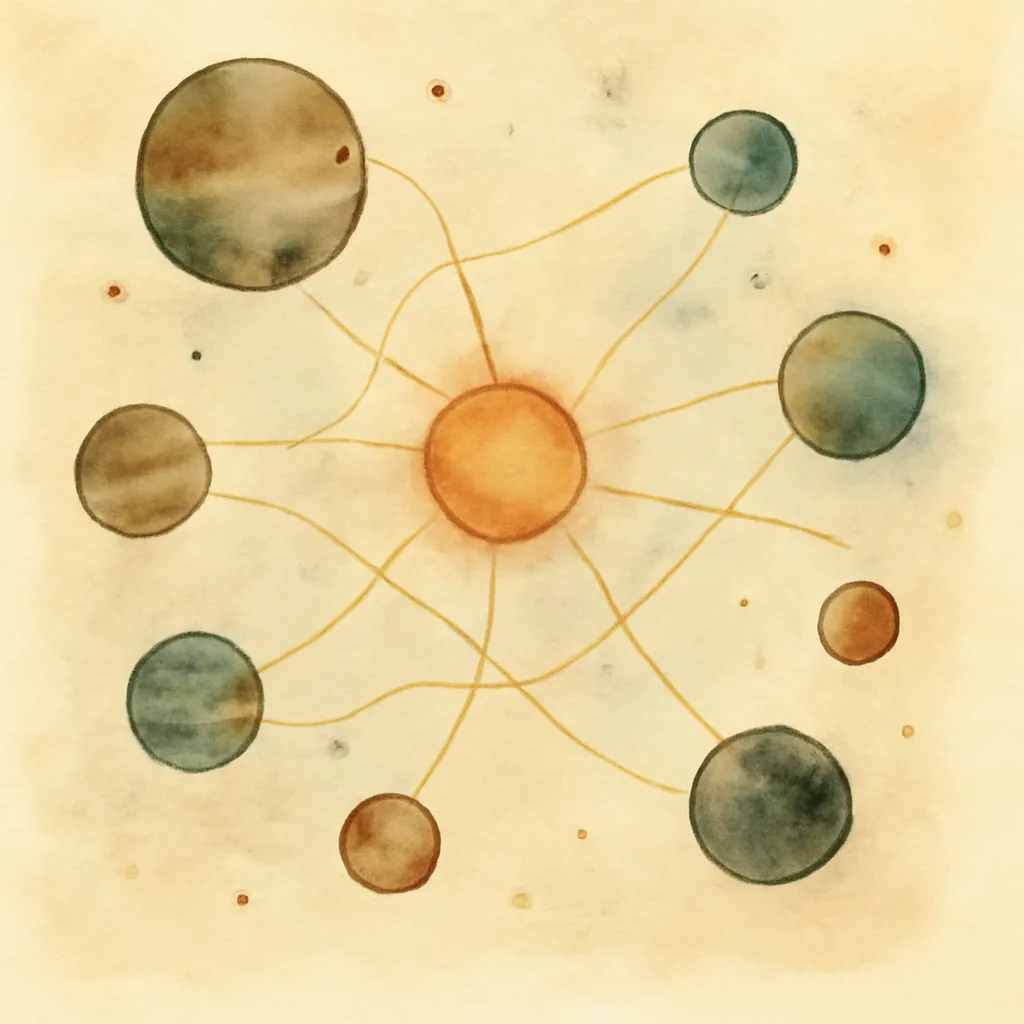
Hamilton weaves together multiple storylines, showing how individual choices reverberate across the galaxy. Araminta, Edeard, and others are caught in events much larger than themselves, yet their personal struggles and decisions shape the fate of billions. The book underscores the importance of agency, responsibility, and the unforeseen impact of seemingly small actions.
5.The Ethics of Intervention
As governments, cults, and powerful individuals vie to control or contain the Void, the story raises complex ethical questions about intervention, autonomy, and the right to self-determination. Should a society be prevented from pursuing its own destiny if it threatens wider catastrophe? Hamilton refuses easy answers, instead inviting readers to ponder the moral ambiguities of power.
6.The Limits of Utopia
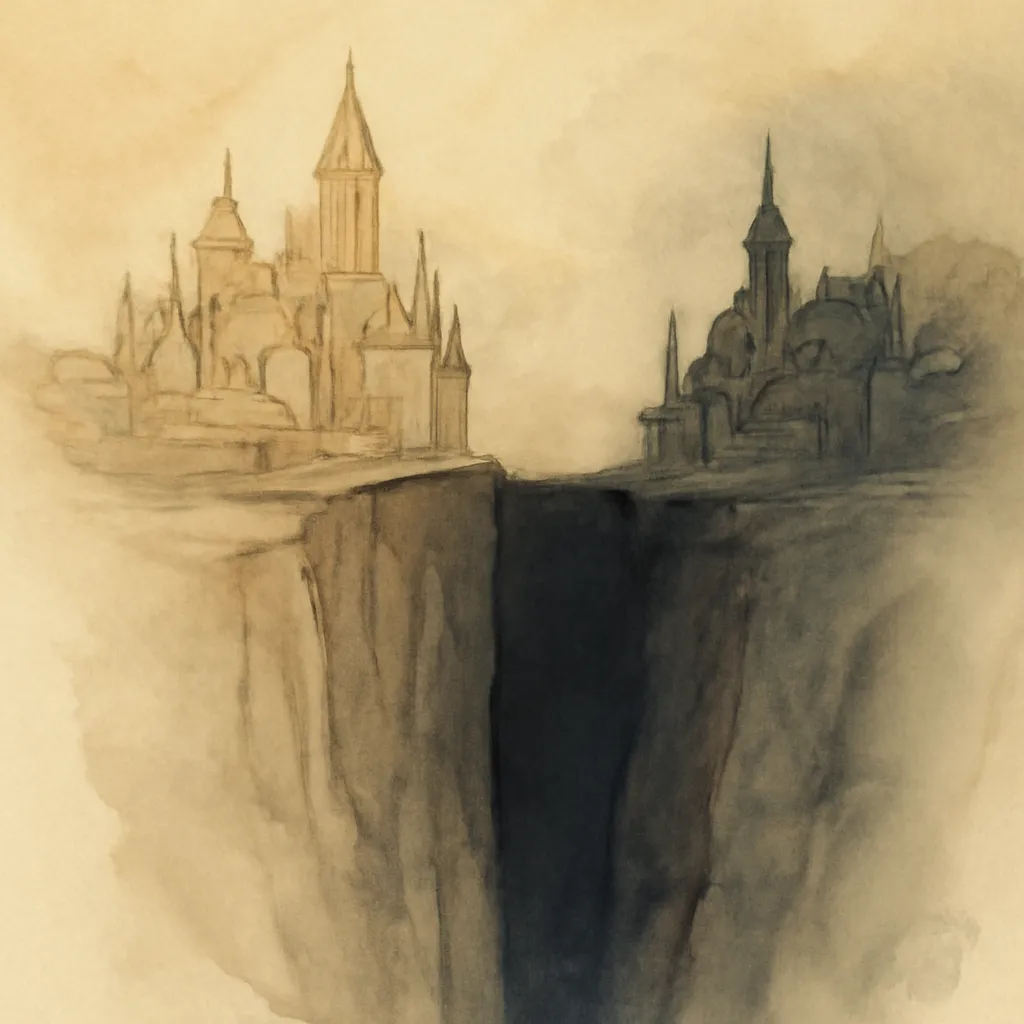
Through the contrasting societies inside and outside the Void, the book examines the allure and limitations of utopian visions. Hamilton suggests that perfection, when imposed or artificially constructed, can become a trap—stifling growth, diversity, and the messy but vital process of change.