1.The Extended Phenotype Concept
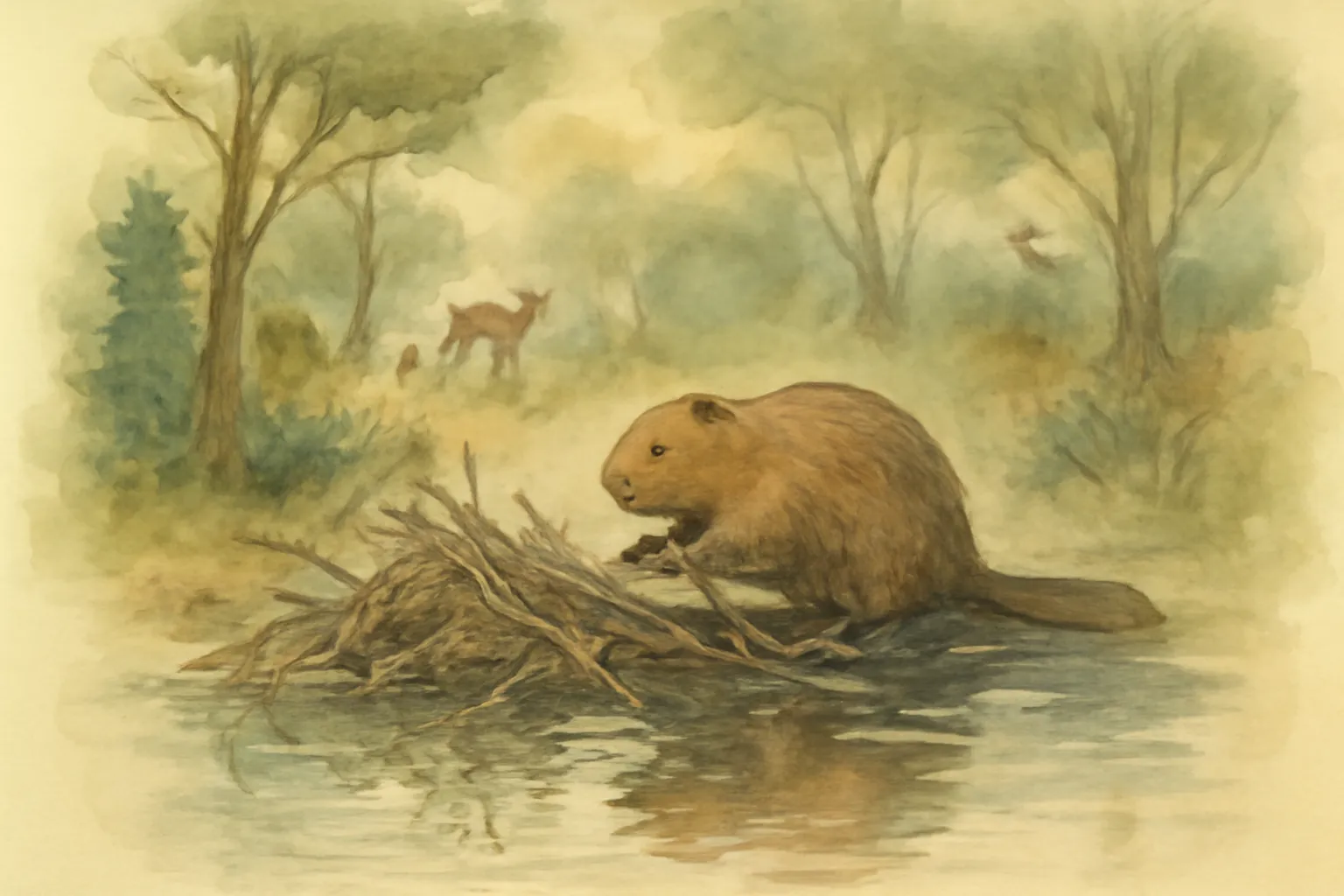
Dawkins introduces the idea that a gene’s influence is not restricted to the organism’s body (its phenotype), but can extend into the environment and other organisms. For example, a beaver’s dam or a parasite’s manipulation of its host are considered expressions of the genes’ effects, just as much as fur color or limb shape. This reframes adaptation as a process that can shape the world outside the organism, not just its own body.
2.Genes as the Central Agents of Selection
Building on his earlier work in The Selfish Gene, Dawkins argues that genes, not individuals or groups, are the fundamental units of natural selection. The extended phenotype concept strengthens this view by showing that what matters is the total effect a gene has—whether inside or outside the body. This gene-centered approach clarifies many evolutionary puzzles and avoids the pitfalls of thinking in terms of 'good for the species.'
3.Organisms as Vehicles, Not Agents
Dawkins emphasizes that organisms are best seen as vehicles or survival machines for genes. The extended phenotype pushes this further: the organism’s body is just one tool in the gene’s arsenal. Structures built by the organism, or behavioral changes induced in other species, can all be part of the gene’s strategy to propagate itself.
4.Adaptation Beyond the Body
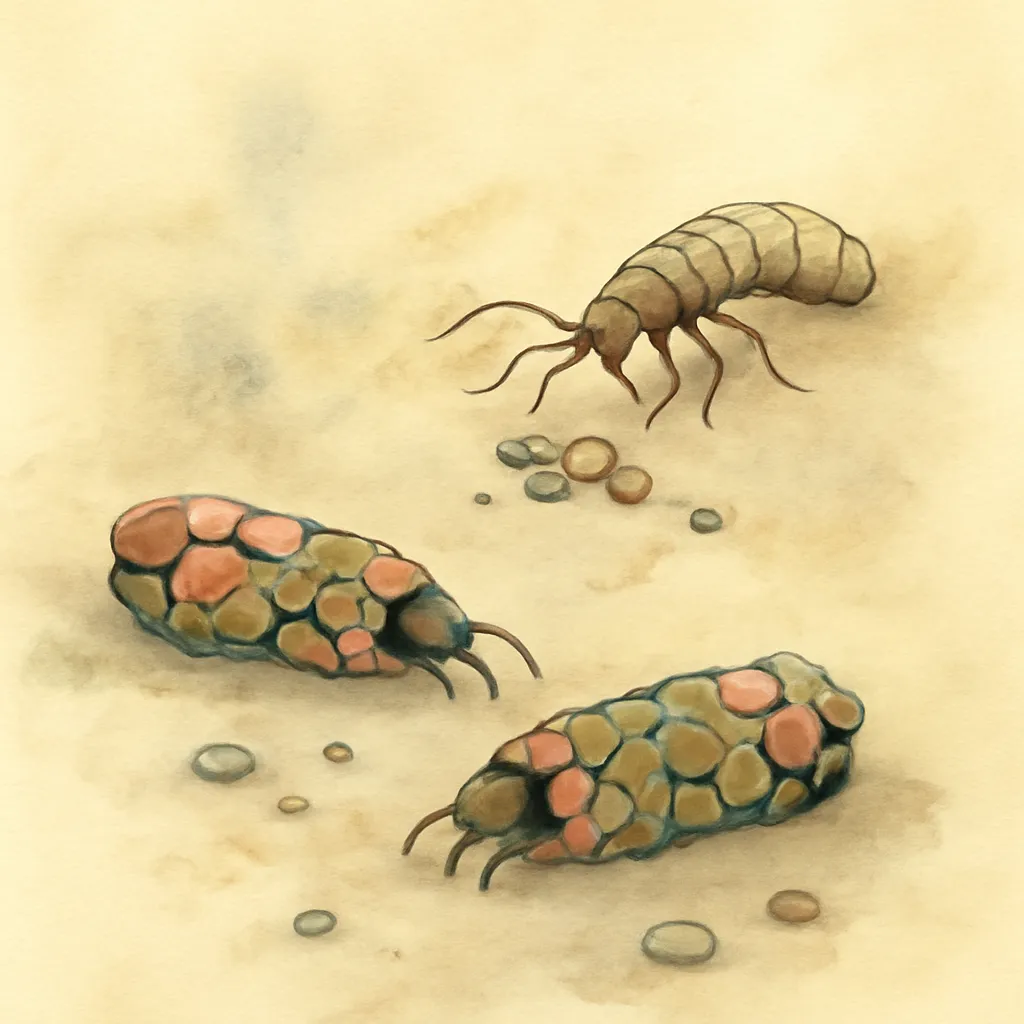
The book explores how adaptations can manifest outside the organism’s physical form. Examples include caddisfly larvae building protective cases, spiders weaving webs, or parasites altering host behavior. These are all considered extensions of the phenotype, shaped by natural selection to serve the gene’s reproductive interests.
5.Implications for Evolutionary Biology
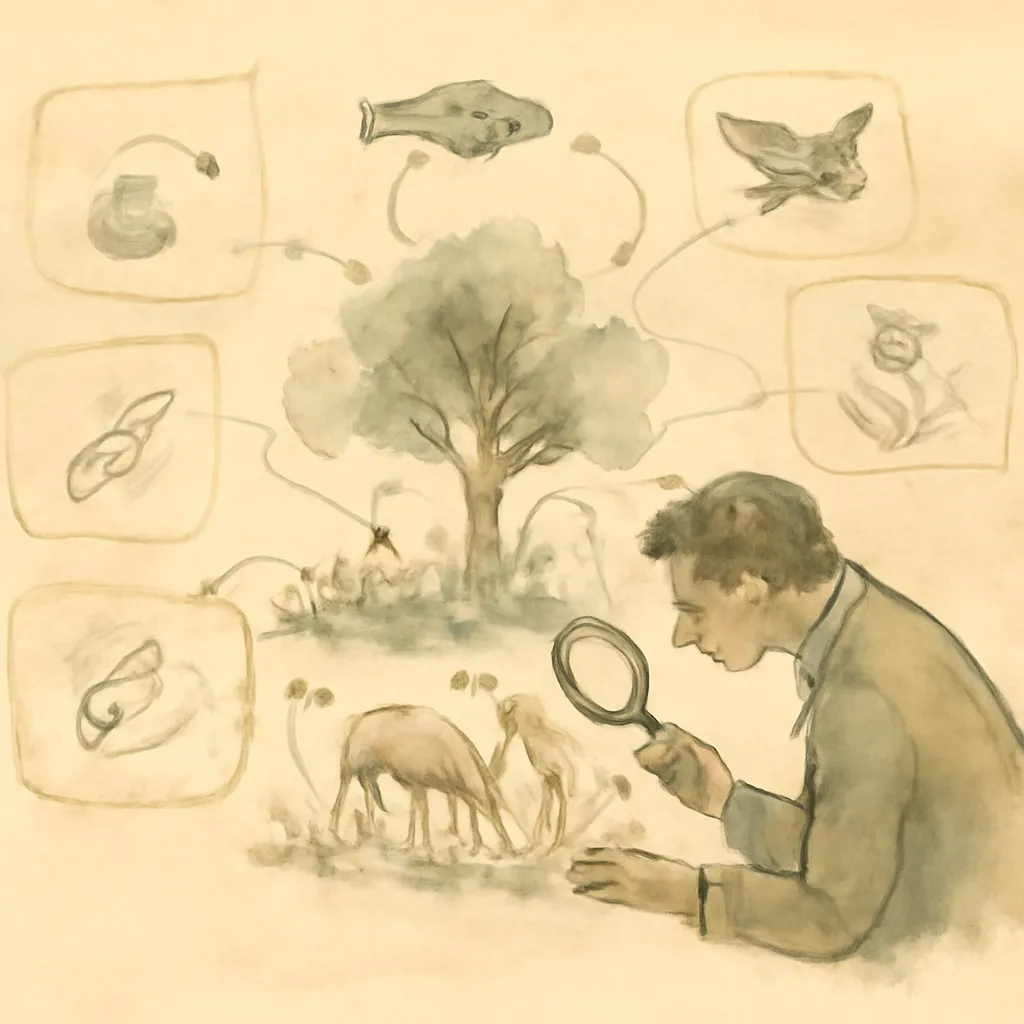
Dawkins’ arguments challenge biologists to reconsider what counts as an adaptation and where the boundaries of the organism lie. The extended phenotype concept has influenced fields from behavioral ecology to evolutionary psychology, prompting new research into how genes can shape not just bodies, but entire ecosystems.
6.Critique of Group Selection
Throughout the book, Dawkins critiques the idea that adaptations evolve for the benefit of groups or species. By focusing on the gene’s-eye view, he dismantles group selection arguments and demonstrates how apparent group-level adaptations can be explained by the extended effects of selfish genes.