

Gene expression · Natural selection · Genetics
The Extended Phenotype by Richard Dawkins — Summary, Key Ideas & Quotes
1981307 pages✦ 3-min Big ideas★ 4.5 (6)
Rate it
By suggesting that individual organisms should be viewed as a single coherent unit, working to maximize their own reproductive success, the author explains that as these organisms are "selfish" they have the capacity to effect the body of another animal, so revolutionizing our views of adaptation.
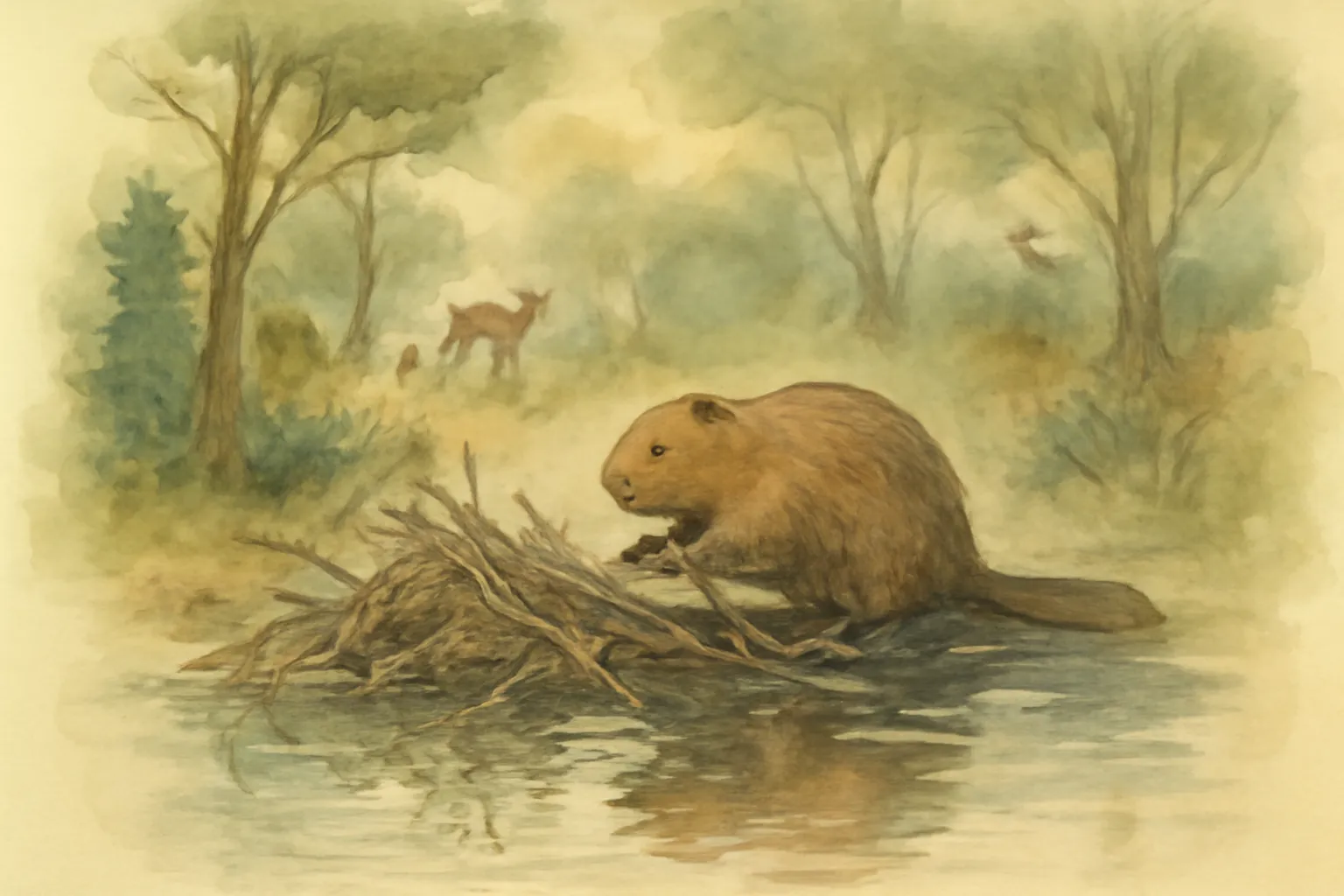
Dawkins introduces the idea that a gene’s influence is not restricted to the organism’s body (its phenotype), but can extend into the environment and other organisms. For example, a beaver’s dam or a parasite’s manipulation of its host are considered expressions of the genes’ effects, just as much as fur color or limb shape. This reframes adaptation as a process that can shape the world outside the organism, not just its own body.
Building on his earlier work in The Selfish Gene, Dawkins argues that genes, not individuals or groups, are the fundamental units of natural selection. The extended phenotype concept strengthens this view by showing that what matters is the total effect a gene has—whether inside or outside the body. This gene-centered approach clarifies many evolutionary puzzles and avoids the pitfalls of thinking in terms of 'good for the species.'
“An animal’s behaviour tends to maximize the survival of the genes ‘for’ that behaviour, whether or not those genes happen to be in the body of the particular animal performing it.”
“The phenotype is not limited to bodily products such as shells, webs, or nests. It also includes all effects that a gene has on the world.”


