

Evolution (Biology) · Genetics · Sociobiology
The Selfish Gene by Richard Dawkins — Summary, Key Ideas & Quotes
1976352 pages✦ 3-min Big ideas★ 4.4 (73)
Rate it
As influential today as when it was first published, The Selfish Gene has become a classic exposition of evolutionary thought. Professor Dawkins articulates a gene's eye view of evolution - a view giving centre stage to these persistent units of information, and in which organisms can be seen as vehicles for their replication. This imaginative, powerful, and stylistically brilliant work not only brought the insights of Neo-Darwinism to a wide audience, but galvanized the biology community, generating much debate and stimulating whole new areas of research. Forty years later, its insights remain as relevant today as on the day it was published. This 40th anniversary edition includes a new epilogue from the author discussing the continuing relevance of these ideas in evolutionary biology today, as well as the original prefaces and foreword, and extracts from early reviews. Oxford Landmark Science books are 'must-read' classics of modern science writing which have crystallized big ideas, and shaped the way we think.
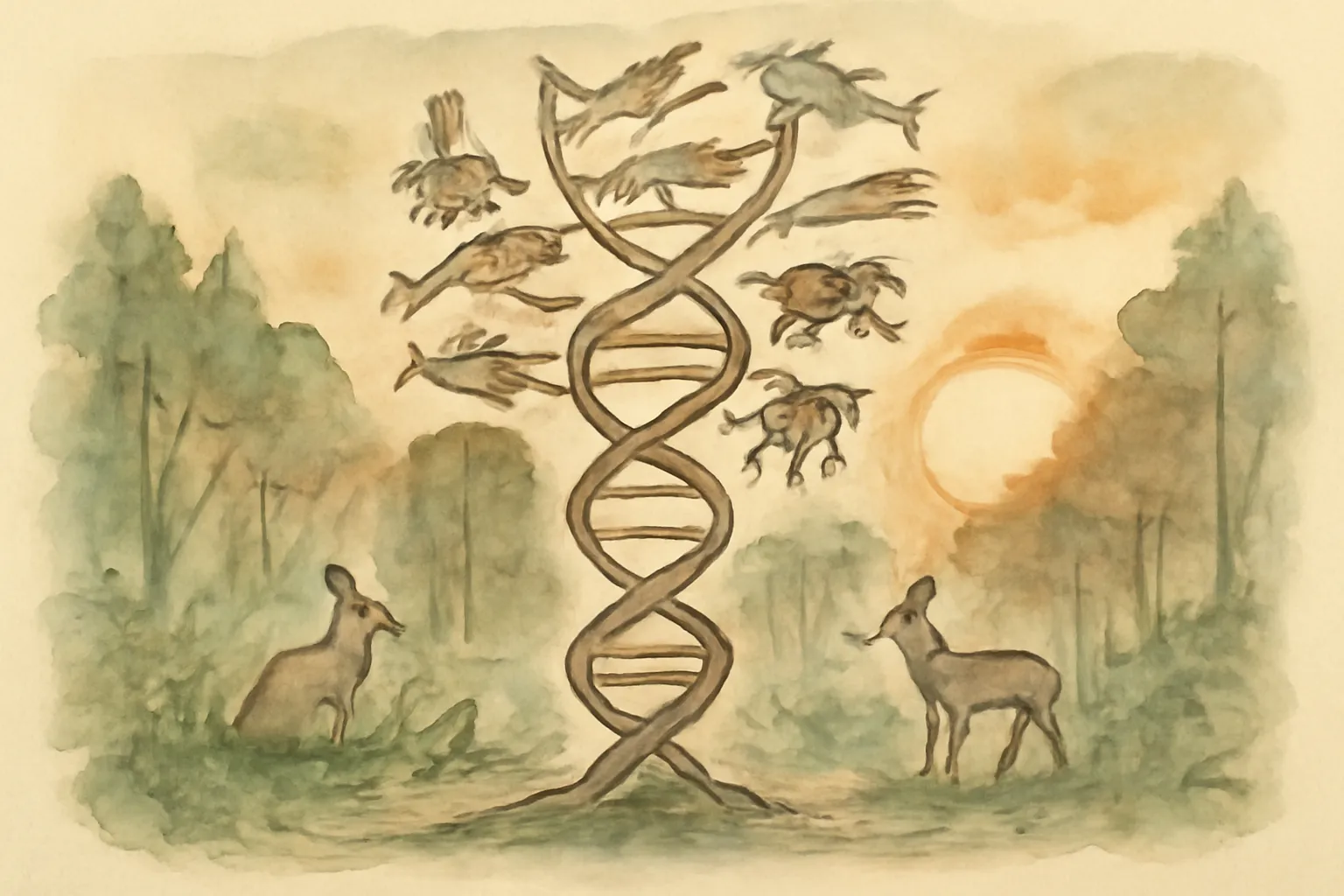
Dawkins argues that natural selection operates primarily at the level of genes, not individuals or species. Genes are the enduring entities that survive across generations, using bodies (organisms) as temporary vehicles for their replication. This perspective reframes evolution as a competition among genes to propagate themselves, resulting in the behaviors and forms we observe in nature. It’s a radical departure from the idea that evolution works for the 'good of the species' or even the individual.
Despite the title, Dawkins does not claim that genes are literally selfish or that organisms are consciously driven by selfish motives. Instead, he shows how apparently altruistic behaviors—like a bird warning others of a predator—can evolve if they increase the likelihood that the altruist’s genes are passed on, often by helping relatives who share those genes. This gene-level logic explains both cooperation and conflict in the natural world.
“We are survival machines – robot vehicles blindly programmed to preserve the selfish molecules known as genes.”
“Let us try to teach generosity and altruism, because we are born selfish.”
“Genes are immortal.”


