1.The Gene as the Unit of Selection
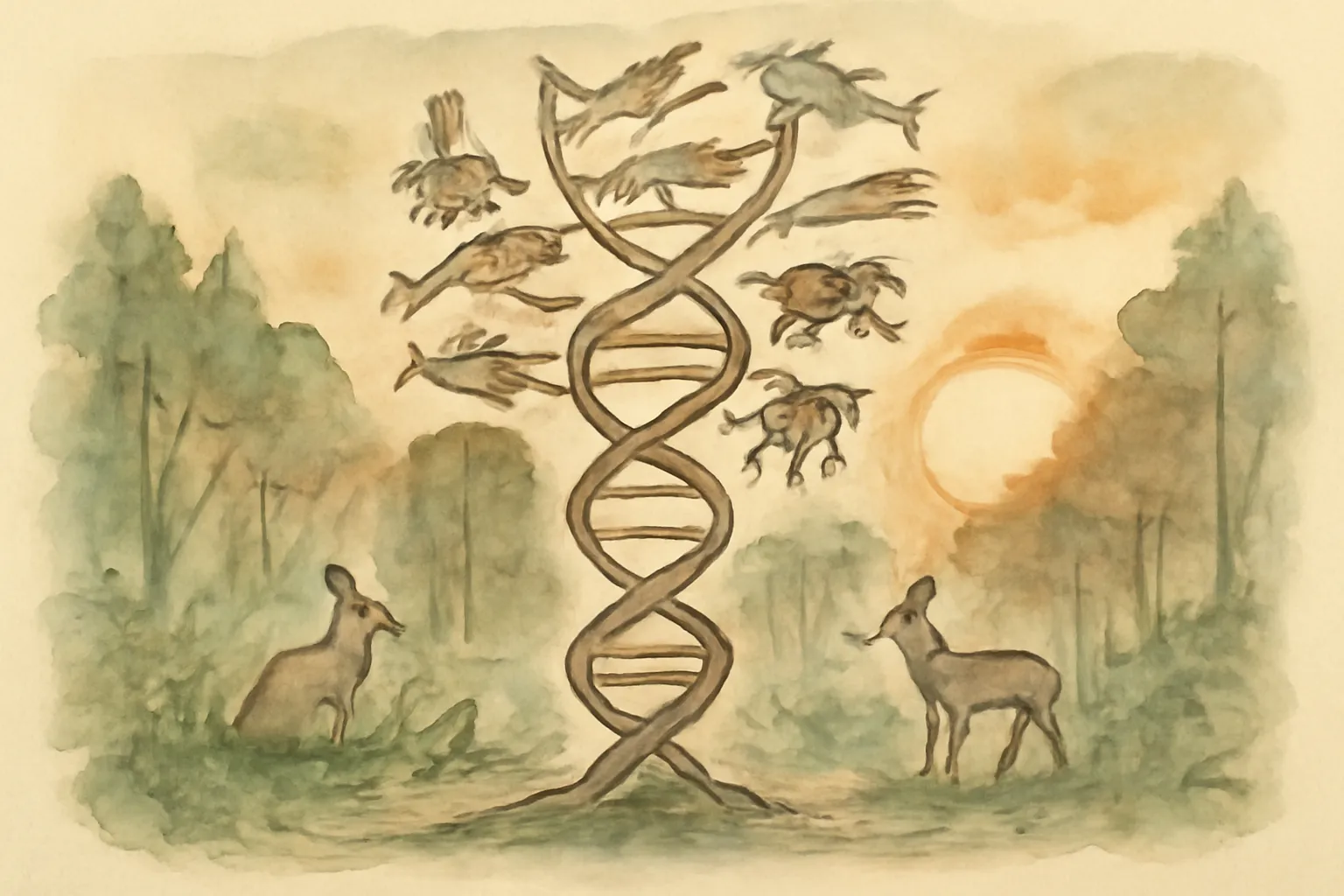
Dawkins argues that natural selection operates primarily at the level of genes, not individuals or species. Genes are the enduring entities that survive across generations, using bodies (organisms) as temporary vehicles for their replication. This perspective reframes evolution as a competition among genes to propagate themselves, resulting in the behaviors and forms we observe in nature. It’s a radical departure from the idea that evolution works for the 'good of the species' or even the individual.
2.Selfishness and Altruism Reconsidered
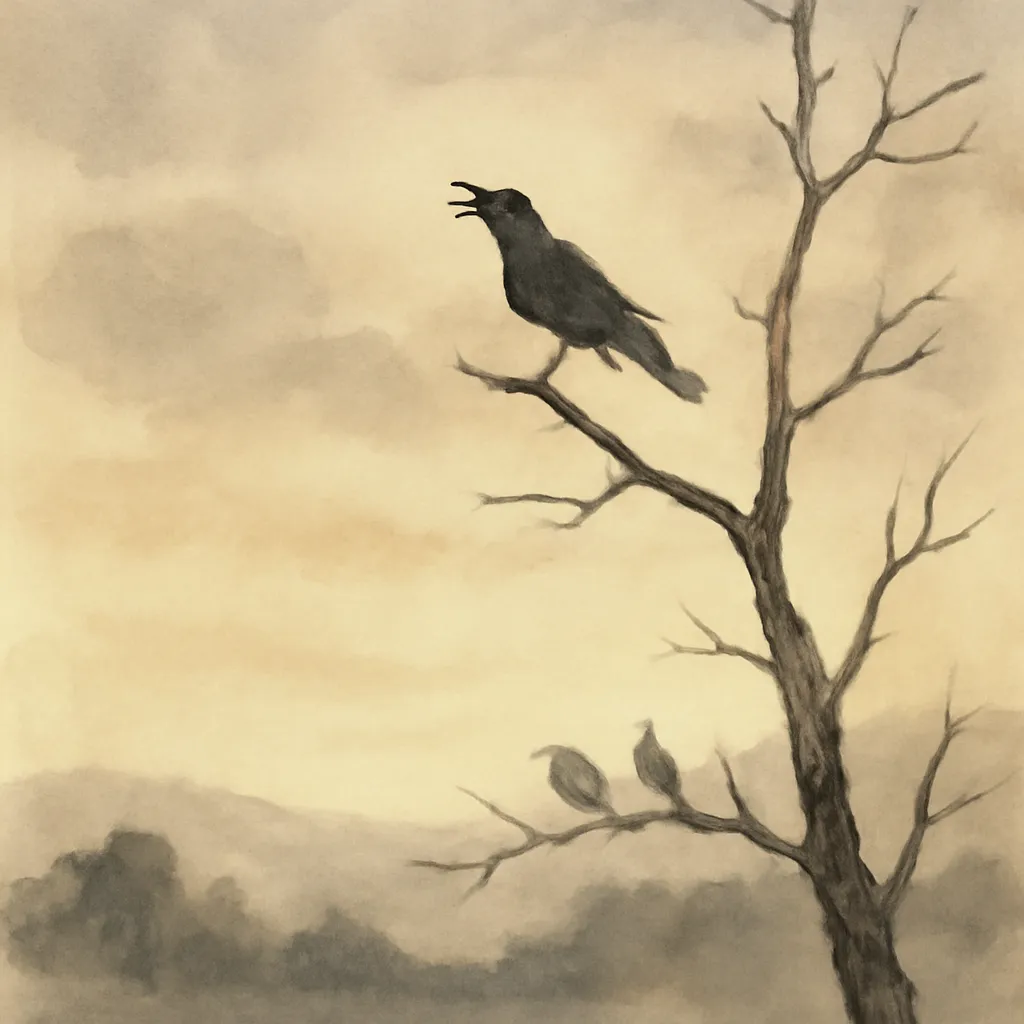
Despite the title, Dawkins does not claim that genes are literally selfish or that organisms are consciously driven by selfish motives. Instead, he shows how apparently altruistic behaviors—like a bird warning others of a predator—can evolve if they increase the likelihood that the altruist’s genes are passed on, often by helping relatives who share those genes. This gene-level logic explains both cooperation and conflict in the natural world.
3.The Power of Replicators and Memes
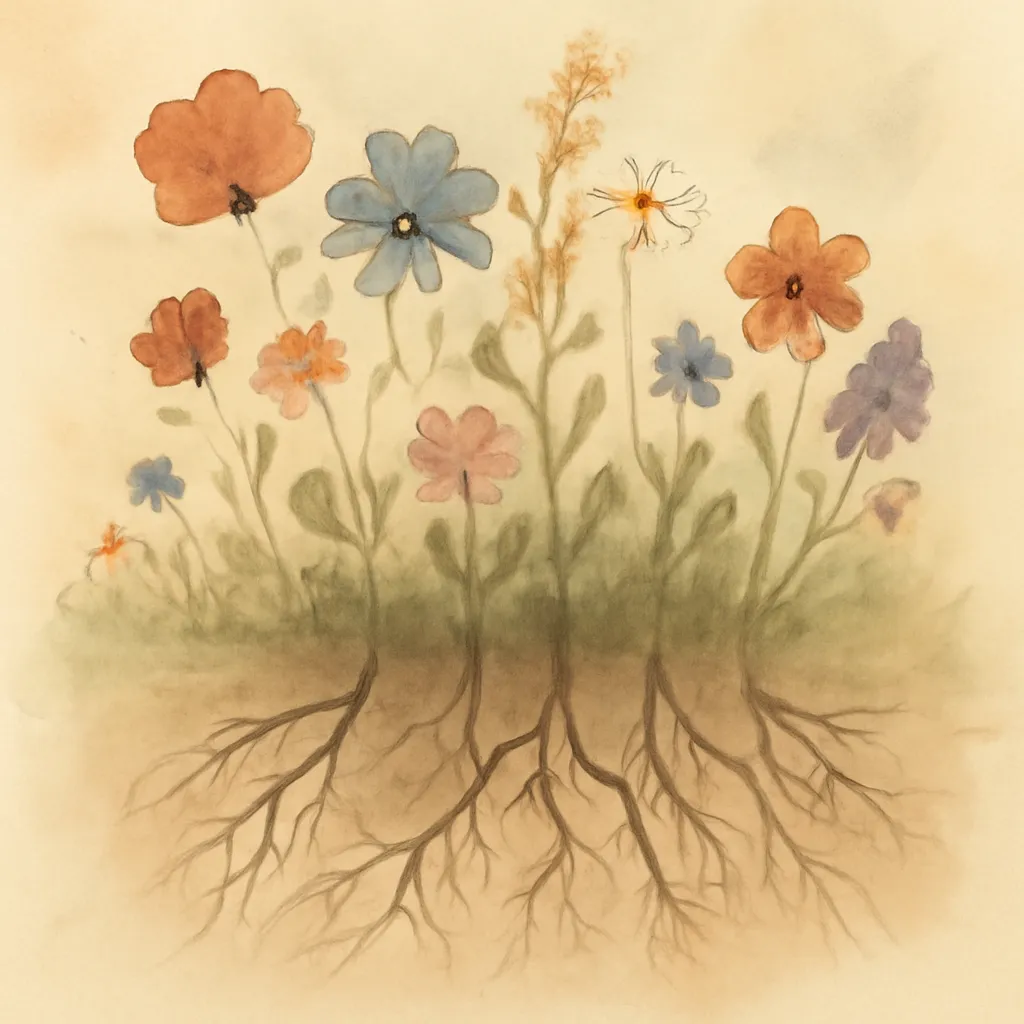
Dawkins introduces the concept of 'replicators'—entities that make copies of themselves, with genes as the primary biological example. In a groundbreaking move, he extends this logic to culture by coining the term 'meme' for units of cultural transmission. Memes, like genes, spread by replication and variation, suggesting that cultural evolution can be understood through similar principles.
4.Extended Phenotype and Organism as Survival Machine
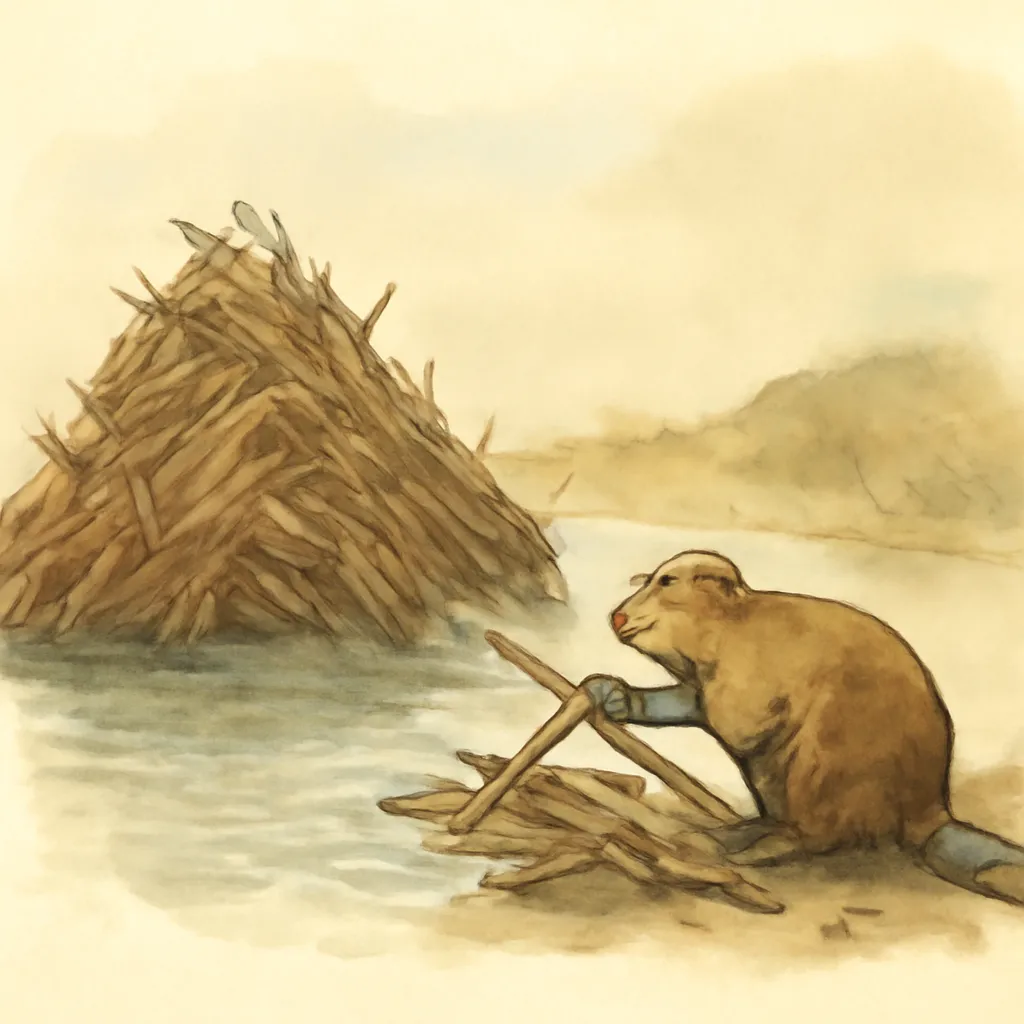
Organisms are portrayed as 'survival machines' or vehicles constructed by genes to ensure their own replication. Dawkins also hints at the 'extended phenotype'—the idea that a gene’s influence can reach beyond the body, shaping behaviors or even building structures like beaver dams, all in service of gene survival.
5.Misconceptions about Evolutionary Purpose
The book confronts common misunderstandings, such as the belief that evolution is purposeful or aimed at perfection. Dawkins clarifies that evolution is an unguided process driven by differential gene survival, producing complex adaptations without foresight or intent. This demystifies the apparent 'design' in nature.
6.Implications for Human Behavior and Ethics
While Dawkins is careful to distinguish between what is natural and what is right, his analysis invites readers to reflect on the biological roots of human behaviors like kindness, rivalry, and even morality. He cautions against using evolutionary logic as a justification for selfishness, instead urging us to 'rebel against the tyranny of the selfish replicators' when shaping society.