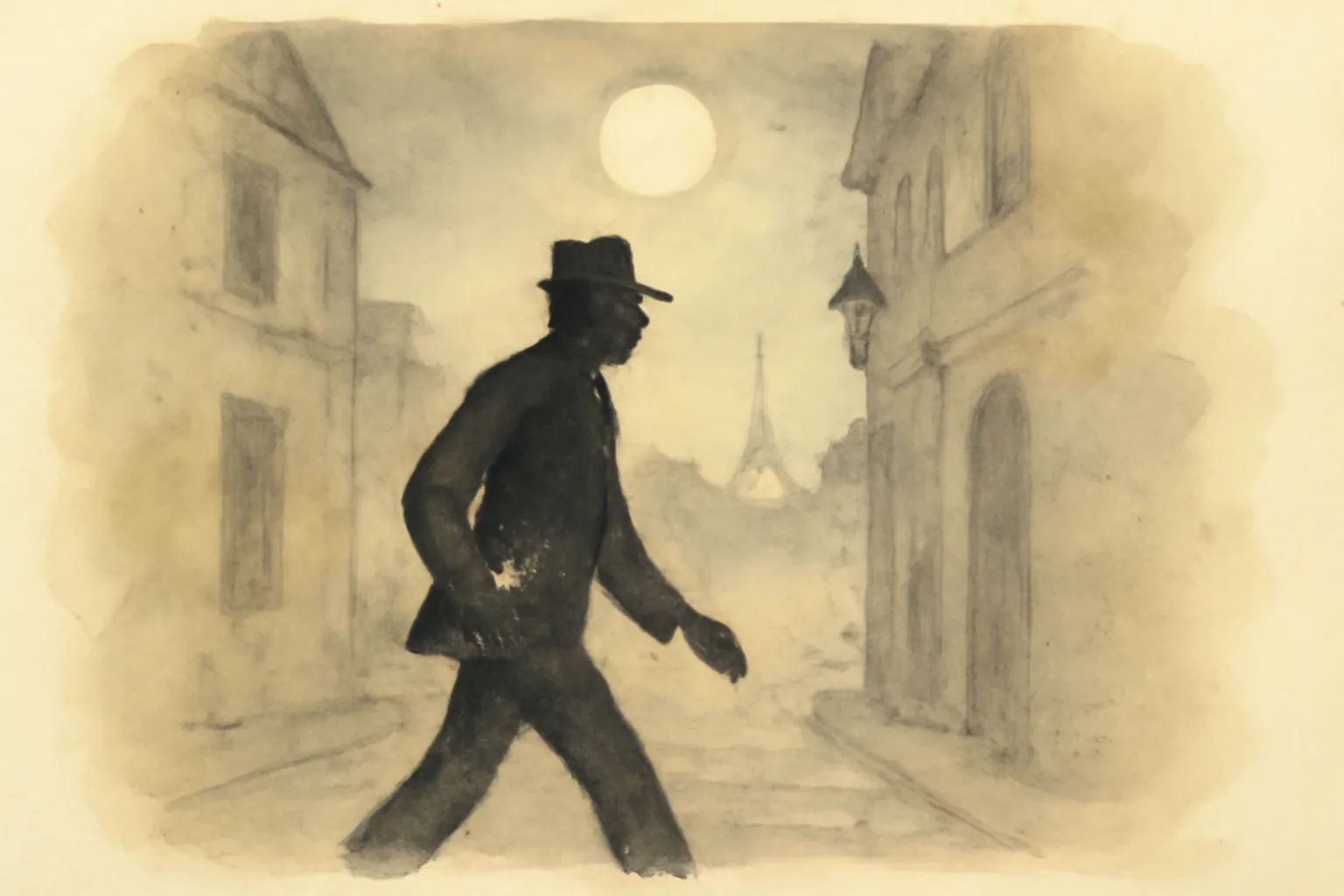
1.The Allure of the Anti-Hero

Arsène Lupin embodies the quintessential anti-hero, captivating readers with his charm and cleverness. Unlike traditional protagonists, Lupin operates outside the law, utilizing his extraordinary skills in disguise and deception to outsmart his adversaries. His charm is not merely superficial; it allows him to manipulate social situations to his advantage, often winning over those around him, including the reader. For instance, in the narrative, he often interacts with women and men alike, using his charm to navigate treacherous waters. This allure is particularly potent in a society that grapples with rigid class structures and moral codes. Lupin's escapades serve as a critique of these societal norms, as he often exposes the hypocrisy of the elite while simultaneously engaging in his own brand of criminality. His adventures prompt readers to reflect on the nature of justice and whether the ends justify the means, a theme that resonates throughout the collection. The stories invite readers to embrace the thrill that comes from siding with a character who operates on the fringes of society, blurring the lines between heroism and villainy.
2.The Thrill of the Chase

Each story in The Extraordinary Adventures of Arsène Lupin is punctuated by a palpable sense of suspense and excitement, which is especially evident during the chase sequences. The narrative often places Lupin in precarious situations, pursued by relentless law enforcement and rival criminals alike. The tension escalates as Lupin employs his keen intellect and resourcefulness to evade capture, leading to exhilarating confrontations. For instance, in the 'I. The Arrest of Arsène Lupin', the protagonist receives a warning about his presence on the transatlantic ship, setting the stage for a dramatic cat-and-mouse game. The reader is drawn into the thrill of the chase, feeling Lupin's adrenaline as he navigates close calls and harrowing escapes. The narrative arc often mimics a rollercoaster ride, with unexpected twists and turns that keep readers guessing. This element of suspense not only entertains but also accentuates Lupin's cunning nature, reinforcing his status as a master thief. The immersive quality of the chase sequences creates an emotional investment in Lupin's fate, making the reader root for his success against overwhelming odds.
3.Societal Reflections through Crime
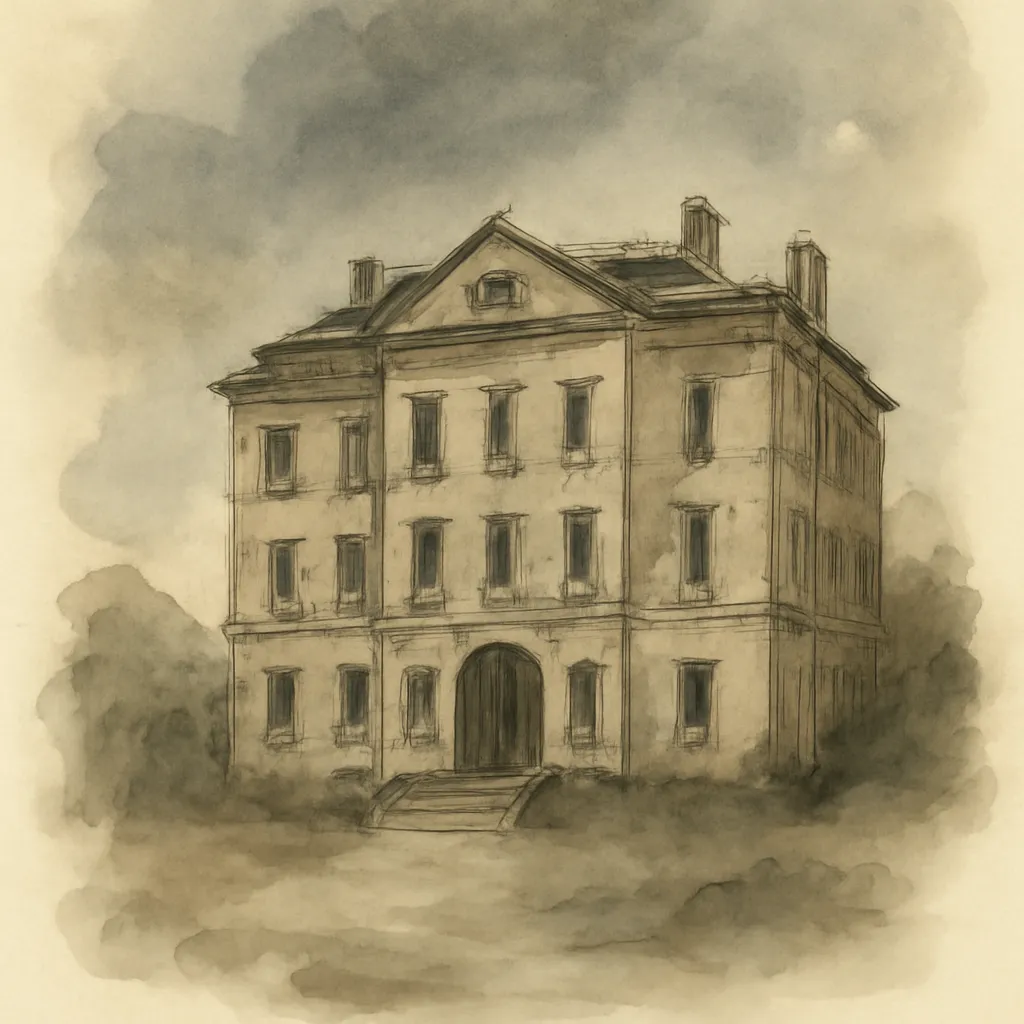
Lupin's escapades often serve as a mirror to society, reflecting the moral ambiguities and class disparities of early 20th-century France. The tales reveal the darker underbelly of wealth and privilege, highlighting how those in power often exploit their status for personal gain. For example, in 'The Queen’s Necklace,' the narrative explores the legacy of a stolen royal jewel, emphasizing the lengths to which individuals will go to reclaim or possess symbols of status. The story recounts a legendary necklace once owned by royalty, illustrating how its value transcends mere monetary worth, encapsulating the very essence of power and prestige. Lupin's thefts are not merely acts of criminality; they are statements that challenge the status quo and question the integrity of those who uphold it. By targeting the wealthy elite, Lupin elevates the narrative beyond mere entertainment, prompting readers to consider the moral implications of wealth, power, and justice. His actions spark discussions about equity and the ethics of societal structures, encouraging readers to reflect on their own values in a world where wealth often dictates one's worth.
4.The Role of Disguise and Deception
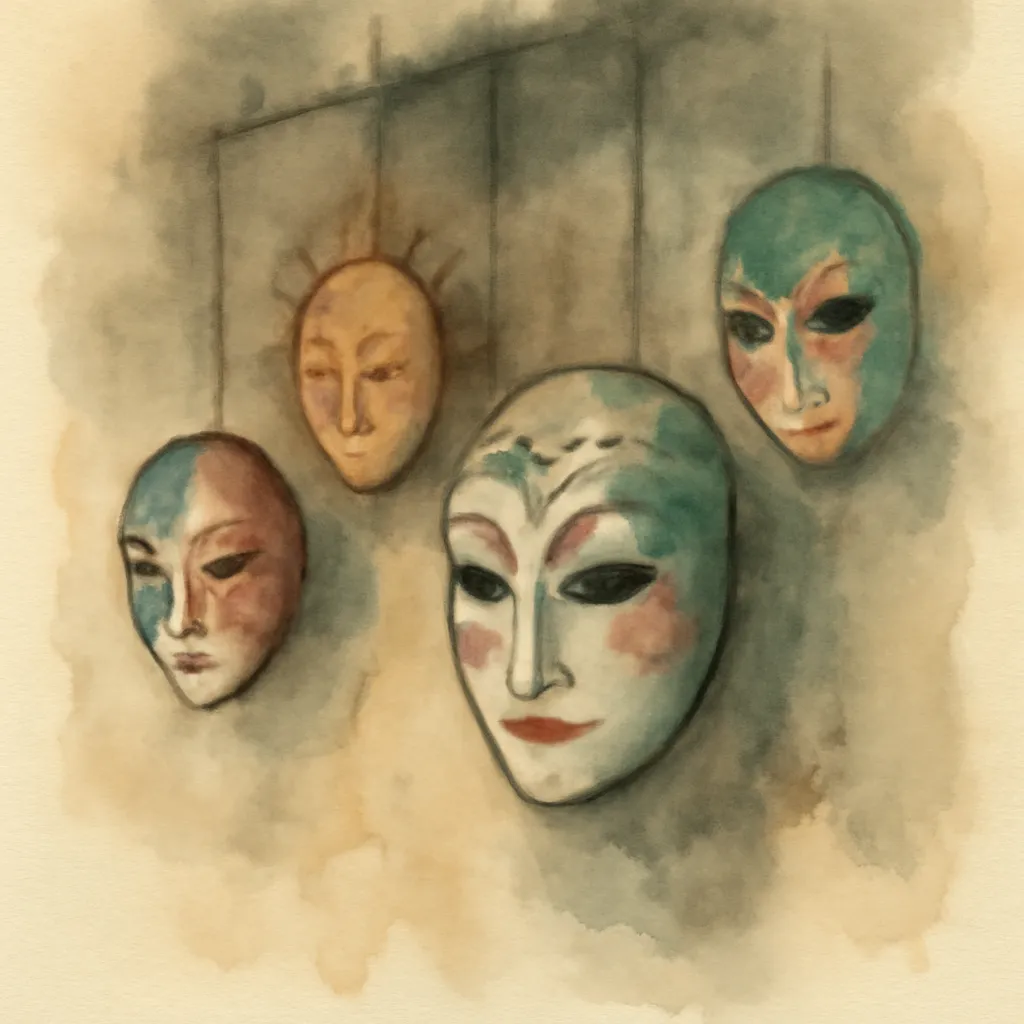
Disguise is a recurring motif in Lupin's adventures, symbolizing the fluidity of identity and the masks people wear in society. Lupin's ability to transform himself into various personas allows him to infiltrate different social circles, revealing the artifice that often accompanies social interactions. This theme is particularly evident in 'The Mysterious Traveller,' where Lupin's sudden appearance in a train compartment illustrates how easily one can slip between identities. The narrative captures the essence of a man who can don multiple roles, whether as a charming gentleman or a cunning thief. The use of disguise not only facilitates his thievery but also serves as a commentary on the nature of self-perception and societal expectations. The reader is invited to ponder the authenticity of their own identities in a world rife with pretense. Lupin's mastery of disguise highlights the idea that everyone, in some way, wears a mask, offering a deeper exploration of human nature and the lengths one might go to conceal their true self in pursuit of desires, whether noble or malevolent.
5.Friendship and Loyalty

Amidst the thrilling escapades, themes of friendship and loyalty emerge, particularly in Lupin's interactions with those who assist him or become entangled in his schemes. His relationships often blur the lines between allies and adversaries, showcasing the complexities of human connection within the context of crime. In 'Madame Imbert’s Safe,' for instance, Lupin's unexpected act of heroism in saving a man from an assailant reveals his capacity for loyalty and compassion, despite his criminal inclinations. The complexities of these relationships reflect the multifaceted nature of loyalty; characters must navigate their personal codes of ethics while dealing with the repercussions of their associations. These moments of camaraderie remind readers that even a gentleman-burglar can possess a code of ethics and a sense of honor. The friendships that develop throughout the stories add layers to Lupin's character, illustrating that loyalty can exist even in the most unlikely of circumstances, enriching the narrative with emotional depth. These bonds serve as a reminder that in a world filled with deception, trust and loyalty can still thrive, albeit in unexpected forms.
6.The Dance of Intellect
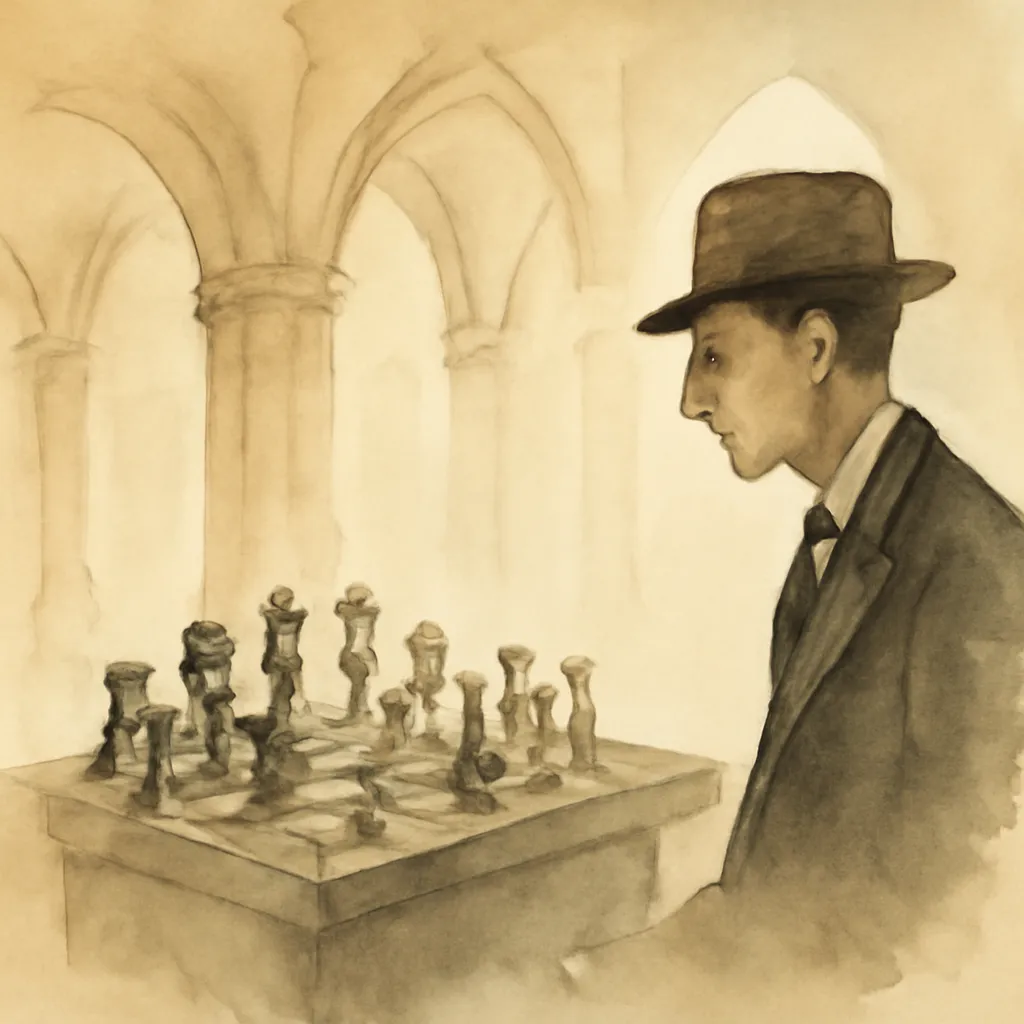
Lupin's adventures often unfold as intellectual duels between him and his adversaries, particularly the detectives and law enforcement officers who seek to apprehend him. The interplay of wits is a hallmark of the narrative, as each character employs their own strategies to outsmart the other. In 'Sherlock Holmes Arrives Too Late,' the encounter between Lupin and Holmes highlights the clash of two brilliant minds, each with their own methods of deduction and reasoning. While Lupin embodies a more instinctual and adaptable form of intelligence, Holmes represents a methodical and rigid approach to logic. The tension between the characters elevates the stakes, transforming the pursuit into a battle of intellect rather than mere physical confrontation. This dynamic not only entertains but also emphasizes the importance of cleverness and strategy in both crime and law enforcement. The reader is left to consider the nature of intelligence and how it can be wielded for both good and ill. The cerebral nature of their encounters reinforces the theme that true mastery lies not just in brute strength but in the power of the mind.
7.The Impact of Technology

The stories also explore the impact of technology on crime and society, particularly in the context of early 20th-century innovations such as the wireless telegraph. In 'The Arrest of Arsène Lupin,' the introduction of wireless communication alters the dynamics of travel and pursuit, allowing news of Lupin's presence to reach authorities even while he is at sea. This advancement adds a layer of complexity to his escapades, illustrating how technology can both facilitate and hinder criminal activity. The narrative prompts readers to reflect on the double-edged sword of technological progress, as it not only empowers criminals but also equips law enforcement with new tools for detection. The evolving relationship between technology and crime underscores a broader commentary on societal change and the ethical implications of innovation. As Lupin adapts to the technological landscape, readers are compelled to consider how advancements can reshape the nature of crime and justice, making the stories feel relevant and thought-provoking even in contemporary times.
8.The Nature of Justice
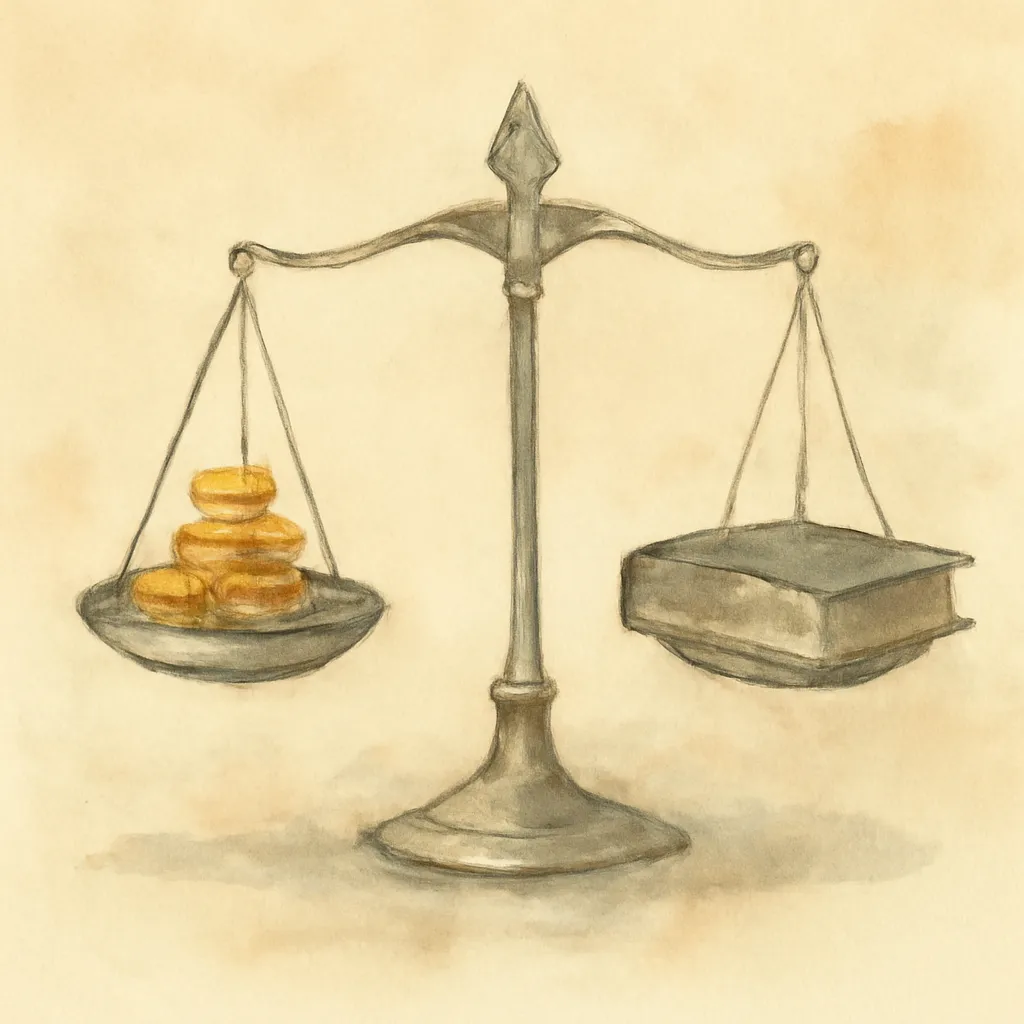
One of the most compelling themes in Lupin's adventures is the exploration of justice and its often subjective nature. Lupin operates in a moral gray area, challenging traditional notions of right and wrong. His thefts may be illegal, but they are often directed against those who exploit their power, raising questions about the legitimacy of authority. In 'The Seven of Hearts,' the narrative delves into the complexities of justice, as Lupin's actions blur the lines between criminality and heroism. The story compels readers to grapple with the idea that justice is not always served through the law but can sometimes manifest through acts of rebellion against corrupt systems. This theme resonates deeply, inviting discussions about the nature of justice in contemporary society and the moral dilemmas faced by individuals in pursuit of equity. The reader is encouraged to reflect on the characters' motivations and the societal structures that engender such conflicts, ultimately questioning the very foundations of justice as portrayed in the stories.
9.The Power of Narrative
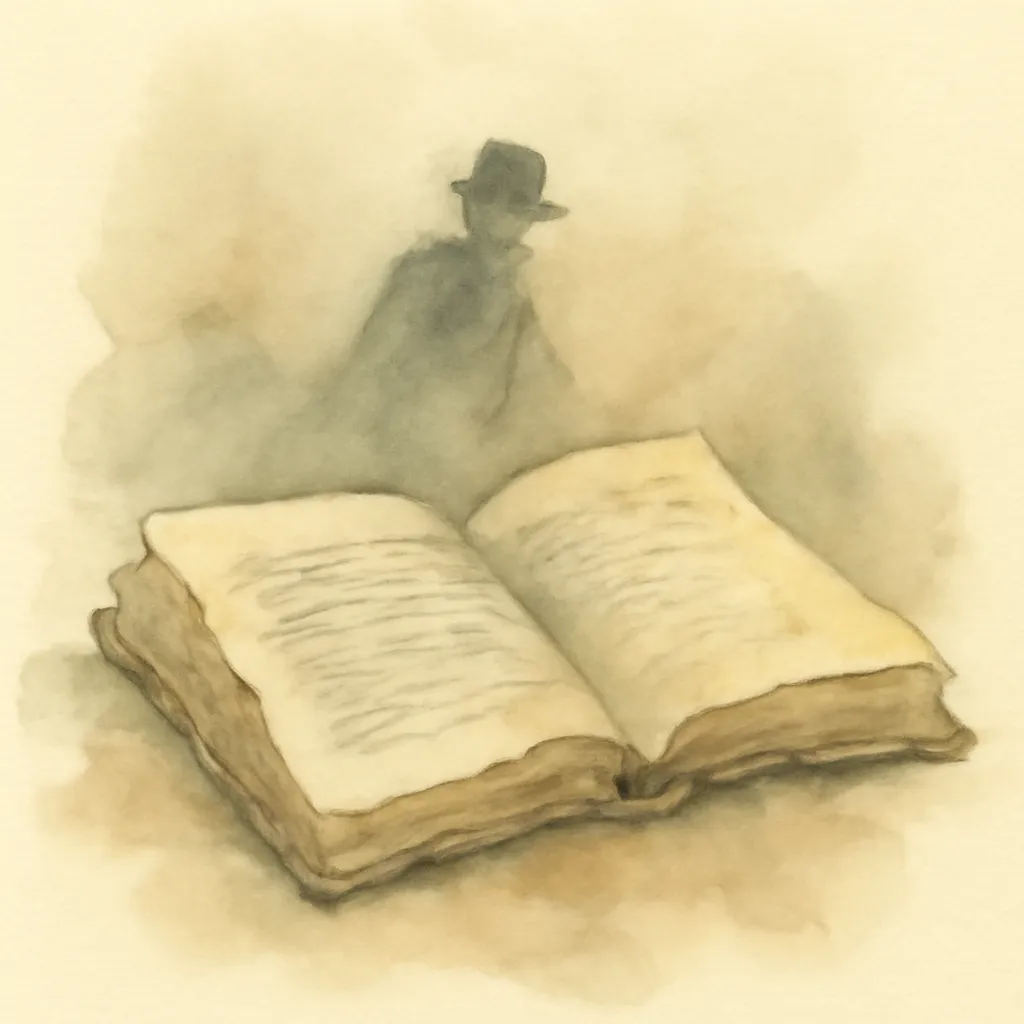
The storytelling within The Extraordinary Adventures of Arsène Lupin is itself a character, shaping the perception of events and characters within the narrative. The tales are woven with a sense of theatricality, enhancing the drama and suspense that defines Lupin's escapades. The narrator's voice often reflects a blend of admiration and intrigue, drawing readers into the world of Lupin while simultaneously critiquing the societal structures that allow for such characters to exist. This self-aware narrative style invites readers to engage critically with the text, recognizing the constructed nature of storytelling. The power of narrative becomes a tool for exploring broader themes of identity, morality, and society, reinforcing the idea that how stories are told can significantly influence their impact and meaning. In a world where truth and fiction often intertwine, the book deftly explores how narratives can be manipulated to serve various purposes, echoing the very deception that Lupin himself employs in his escapades.
10.Love and Seduction as Tools

Throughout Lupin's adventures, love and seduction function as powerful tools in his arsenal, enabling him to navigate complex social landscapes and achieve his goals. His relationships with women are often portrayed with an air of romanticism, weaving together themes of attraction and manipulation. In 'The Queen’s Necklace,' for instance, Lupin’s expertise in seduction not only aids in his theft but also complicates the emotional dynamics of the characters involved. His interactions often reveal the vulnerabilities of his targets, allowing him to exploit their desires while masking his true intentions. This interplay serves to highlight the themes of power dynamics in relationships, particularly in a society where women were often relegated to passive roles. The reader is invited to consider how love can be both genuine and a façade, complicating the narrative and adding layers to Lupin's character. Ultimately, the exploration of love as a tool for both personal gain and emotional connection enhances the richness of the stories, providing a nuanced perspective on the nature of romance and manipulation.