1.The Nature of God and the Trinity
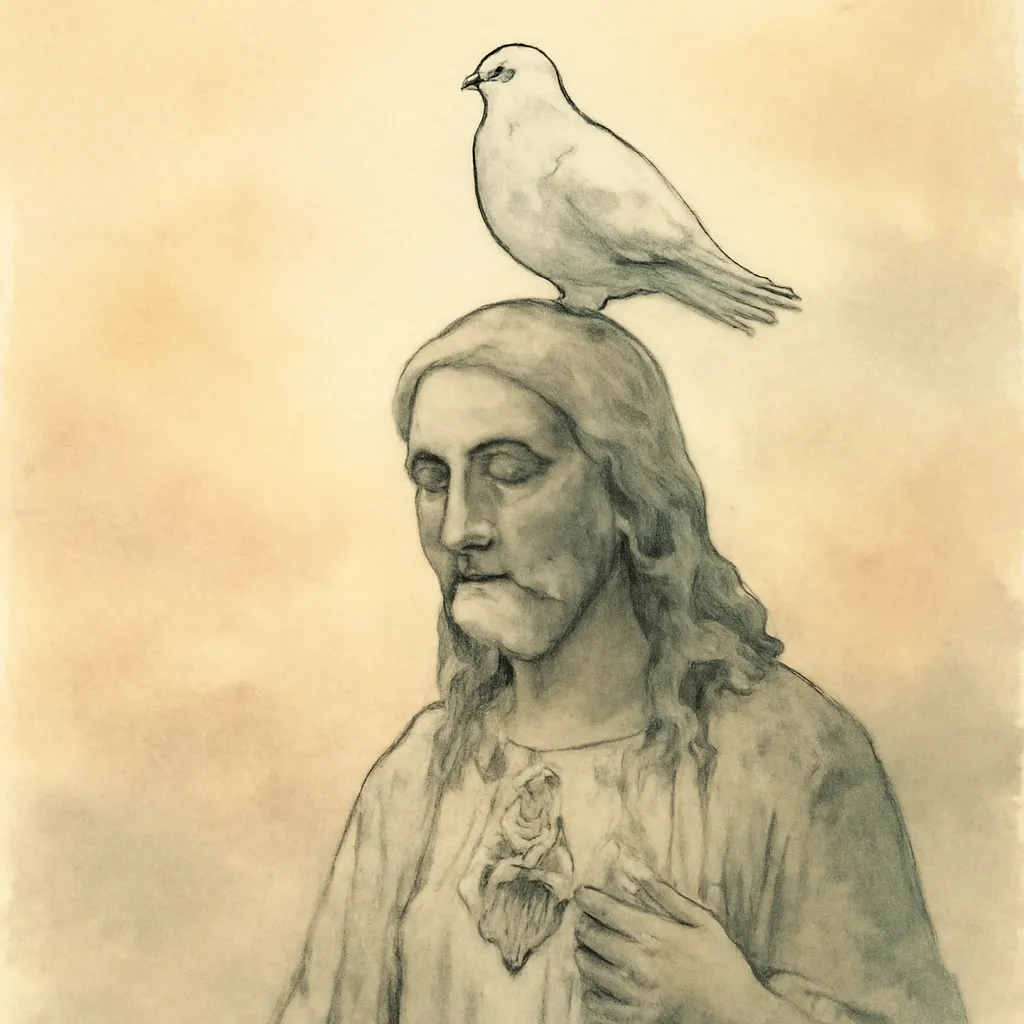
At the heart of Catholic doctrine is the belief in one God, who embodies infinite knowledge, power, and goodness. Gibbons emphasizes the concept of the Blessed Trinity, which consists of three distinct Persons: the Father, the Son, and the Holy Spirit. This belief underscores the unity and equality of each Person, challenging any notions of hierarchy within the divine nature. The Incarnation of Jesus Christ, as both fully divine and fully human, is pivotal; He willingly became man to redeem humanity from sin. Through His life, death, and resurrection, Jesus exemplifies the perfect union of divine and human natures, inviting believers to follow His example of love and sacrifice. Gibbons articulates that understanding this relationship is essential for recognizing the depth of God's love for humanity and the foundation of Christian faith.
2.Unity of the Church as a Divine Mandate
Gibbons posits that unity within the Church is not merely a desirable characteristic but a divine mandate. He argues that the true Church must be united in faith and governance, rejecting heresy and schism as contrary to Christ's teachings. This unity reflects the oneness of God, as articulated in Jesus' prayer for His followers: 'that they all may be one.' The Apostle Paul reinforces this idea, warning that division undermines the Church's mission. The notion of being 'one body' underlines the importance of shared beliefs and a common authority, echoing the biblical call for harmony among believers. Gibbons stresses that this unity serves as a testament to the Church's divine origin, providing a compelling argument against the fragmentation seen in various denominations.
3.Holiness as a Defining Characteristic
The Catholic Church is distinguished by its call to holiness, which Gibbons identifies as a vital mark of its authenticity. He explains that holiness is not merely an abstract concept but is embodied in the teachings and example of Jesus Christ. The Church is seen as a society established for the sanctification of its members, encouraging believers to emulate the moral virtues exemplified by Christ. By participating in the sacraments and adhering to the Church's teachings, individuals are invited to lead lives of holiness. Gibbons emphasizes that this call to holiness is both a privilege and a responsibility, reminding Christians that their identity as followers of Christ carries with it an obligation to reflect His character in their daily lives. The Church's role is to guide its members toward this sanctification, fostering a community that uplifts and supports one another in their spiritual journeys.
4.Catholicity: A Universal Call
Gibbons elucidates the concept of Catholicity, which signifies that the Catholic Church is universal and not confined by geographic or cultural boundaries. He references scriptural prophecies that foretell a Church that transcends nations and languages, embodying a cosmopolitan spirit. The Great Commission, where Jesus commands His Apostles to 'teach all nations,' underscores the Church's mission to reach every corner of the globe. This universality is a testament to the Church's divine mandate, as it embraces all peoples and cultures, inviting them into a relationship with God. Gibbons argues that the Catholic Church, in its essence, is a fulfillment of biblical prophecy, standing as a beacon of hope and unity in a fragmented world.
5.Apostolicity: Continuity of Doctrine
Apostolicity is a crucial attribute of the Church, indicating that it must teach the same doctrines delivered by the Apostles. Gibbons asserts that the true Church can trace its authority back to the original Apostles, maintaining a continuous line of teaching and governance. This unbroken succession is essential for validating the Church's claims, as any divergence from Apostolic teaching would undermine its credibility. The Apostle Paul’s admonition to Timothy to preserve the teachings he received exemplifies this commitment to authenticity. Gibbons emphasizes that the Church's teachings must remain consistent with those of the early Church, ensuring that the faithful receive the same guidance that nurtured the first Christians. This historical continuity strengthens the Church's position as the true custodian of Christ's message.
6.Perpetuity: The Church's Enduring Presence
Gibbons articulates the doctrine of perpetuity, asserting that the Catholic Church is destined to endure until the end of time. This belief is rooted in scriptural affirmations that the gates of hell shall not prevail against it. The Church's survival amidst persecution and challenges throughout history serves as a testament to its divine foundation. Gibbons highlights that the Church must retain its essential characteristics, such as unity and holiness, to be considered perpetual. The promise of Christ's presence with the Church 'even to the consummation of the world' reinforces this belief, assuring believers of its ongoing relevance and authority. Gibbons argues that the stability and resilience of the Church in the face of adversity is a powerful indicator of its truth and divine support.
7.Infallibility: The Church's Authority to Teach
The concept of infallibility is central to understanding the Church's authority in matters of faith and morals. Gibbons explains that the Church, guided by the Holy Spirit, is preserved from error in its teachings. This infallibility is not a personal attribute of the Pope but a characteristic of the Church as the body of Christ. Gibbons argues that the Church's teachings, consistent across time and space, reflect its divine mandate to guide believers in truth. He draws parallels between the infallibility of the Apostles and that of contemporary Church leaders, asserting that the same divine protection applies today. This assurance of correct teaching is crucial for the faithful, as it provides a reliable source of truth in a world filled with conflicting ideologies. Gibbons emphasizes that the need for infallible guidance remains as vital today as it was in the early Church.
8.The Church as the Custodian of the Bible
Gibbons emphasizes the role of the Catholic Church as the divinely appointed custodian and interpreter of the Bible. He argues that individual interpretation of Scripture, divorced from the Church's authority, can lead to confusion and division. The Church's responsibility is to provide a coherent understanding of the Scriptures, ensuring that the faithful grasp the intended meanings of biblical texts. Gibbons cites the example of the Jewish people, who relied on their religious authorities to interpret the law, illustrating that a similar structure is necessary within Christianity. He asserts that the Church's authority in interpreting Scripture is vital for maintaining doctrinal unity and safeguarding against misinterpretations that can arise from personal biases. This custodial role underscores the importance of the Church in guiding believers toward a deeper understanding of God's Word.
9.The Primacy of Peter and Papal Supremacy
The primacy of Peter is a cornerstone of Catholic belief, establishing the Pope's role as the successor of St. Peter and the spiritual leader of the Church. Gibbons explains that just as the High Priest in the Old Testament held supreme authority, the Pope serves a similar function in the New Covenant. This primacy is essential for maintaining unity and consistency in doctrine, as it provides a central authority that all Christians can look to for guidance. Gibbons argues that Peter's unique role was divinely ordained, and this authority has been passed down through generations of Popes. The historical evidence of papal supremacy throughout the ages reinforces the Church's claim to be the true continuation of Christ's mission on Earth. Gibbons emphasizes that acknowledging the Pope's authority is crucial for all Christians who seek to be in communion with the teachings of Christ.
10.The Sacraments as Means of Grace
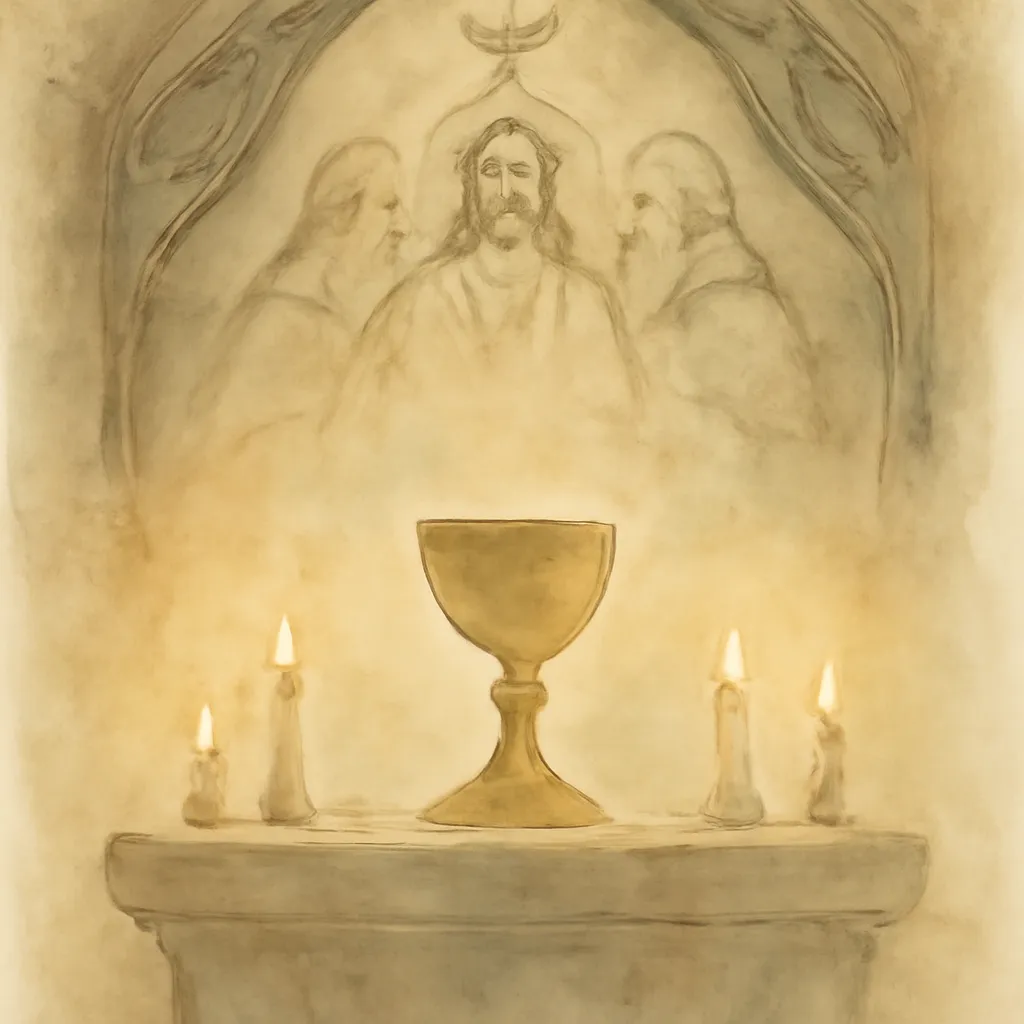
Gibbons outlines the significance of the sacraments as essential means of grace within the Catholic Church. He explains that sacraments are visible signs instituted by Christ that convey grace to the believer's soul. Each sacrament serves a unique purpose, facilitating the spiritual growth and sanctification of individuals. For instance, Baptism initiates one into the Christian faith, while the Eucharist nourishes the soul with the body and blood of Christ. Gibbons emphasizes that participation in the sacraments is vital for maintaining a healthy spiritual life, as they are channels through which God's grace flows. He argues that the sacraments are not mere rituals but profound encounters with the divine, inviting believers to engage with their faith on a deeper level. This understanding underscores the importance of the sacraments in the life of a Catholic, as they are integral to the journey of faith and salvation.