1.The Burden of Legacy
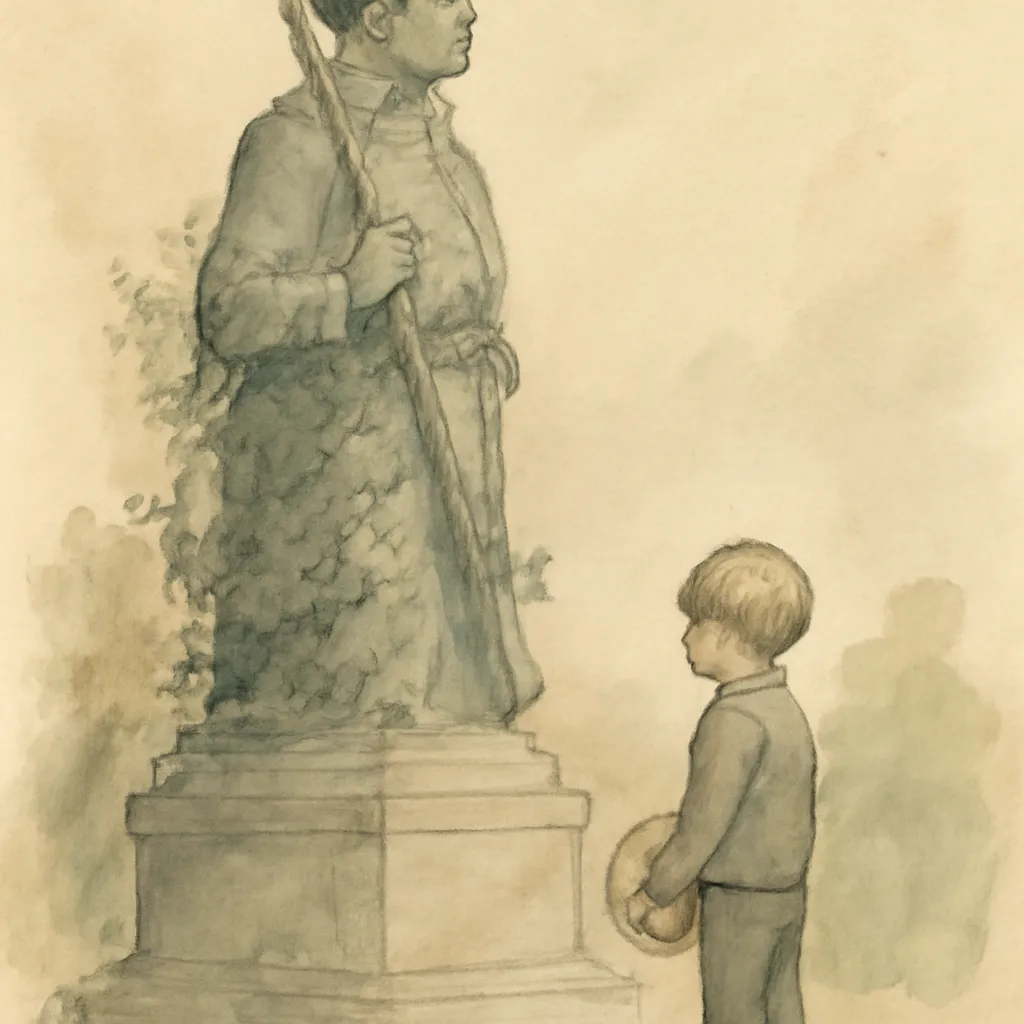
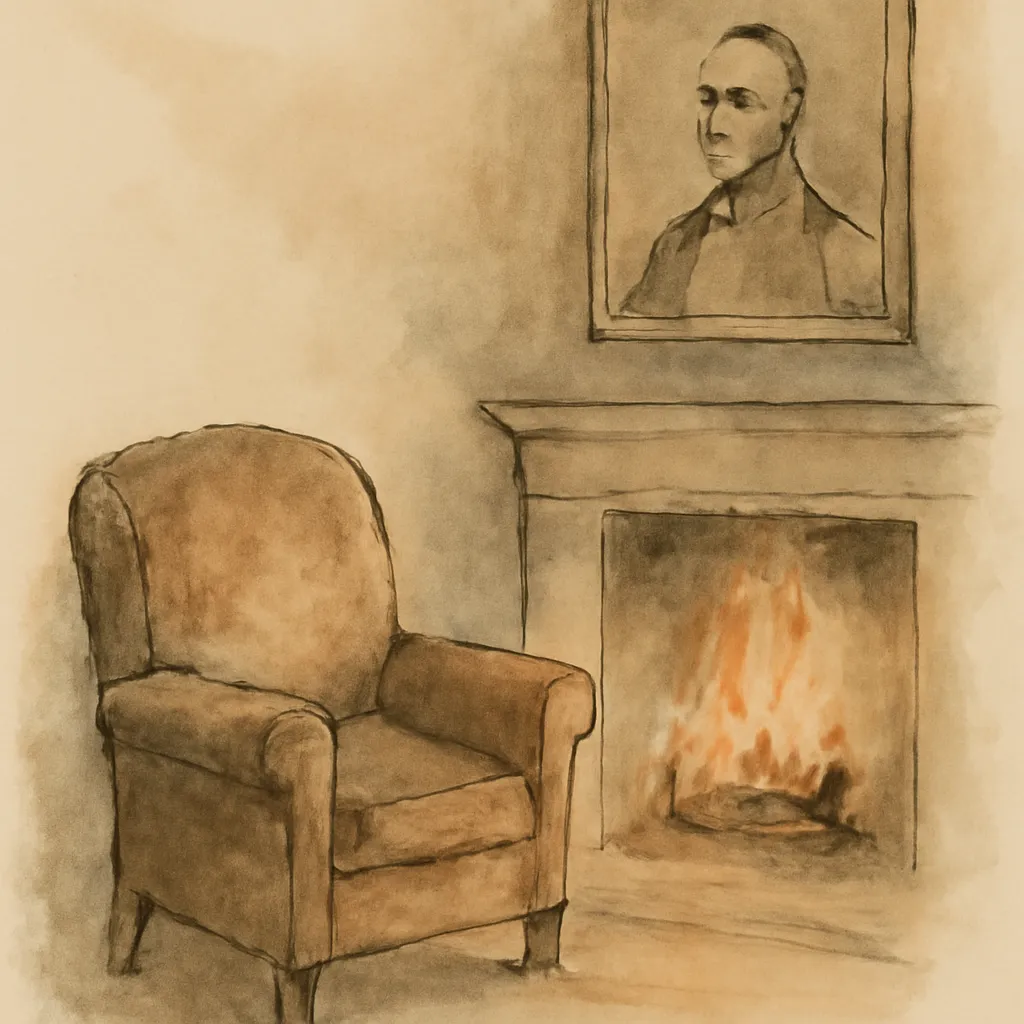
From the outset, Penfield Butler is portrayed as a young boy carrying the heavy expectations of his family's legacy, particularly that of his grandfather, Colonel Butler. This relationship is central to understanding Pen's character; he feels both pride and pressure to live up to the ideals embodied by his grandfather. The colonel represents a bygone era of honor and duty, and Pen's admiration for him is tinged with the fear of disappointment. When he fails to see his grandfather off on the train, he grapples with feelings of shame and inadequacy. This moment becomes a catalyst for his internal struggles, as he realizes that the expectations placed upon him are not just about achievement but also about embodying the values of respect and patriotism that his family holds dear. The burden of legacy, therefore, serves as a major theme, illustrating the complexities of familial relationships and the often conflicting desires for personal freedom and familial honor.
2.Rivalries as a Rite of Passage

The rivalry between Pen and Aleck Sands is not merely a childhood squabble; it represents a significant rite of passage for Pen as he navigates the complexities of growing up. Their competitive interactions throughout the story highlight the challenges of adolescence, where young boys often seek validation through rivalry. The snowball fight serves as a pivotal moment, acting as both a physical battle and a metaphor for Pen's struggle to assert himself. The tension between the Hilltops and Riverbeds, with Pen representing the former, amplifies the stakes of their rivalry, creating an environment where loyalty and identity are constantly tested. This clash culminates in Pen's regretful actions involving the flag, marking a moment of moral failure that propels his journey toward self-discovery and redemption. The narrative ultimately suggests that rivalries can serve as important learning experiences, shaping one’s character and understanding of honor and respect.
3.The Flag as a Symbol of National Pride
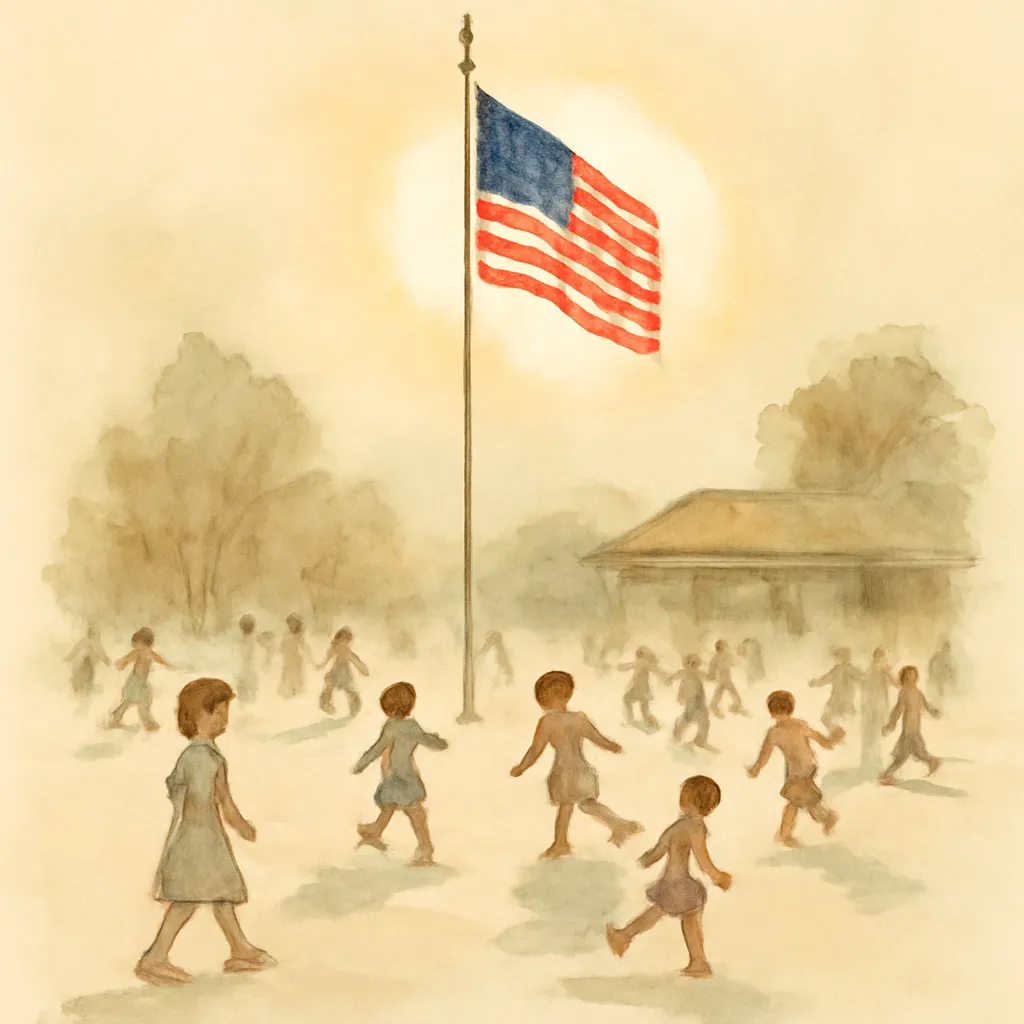
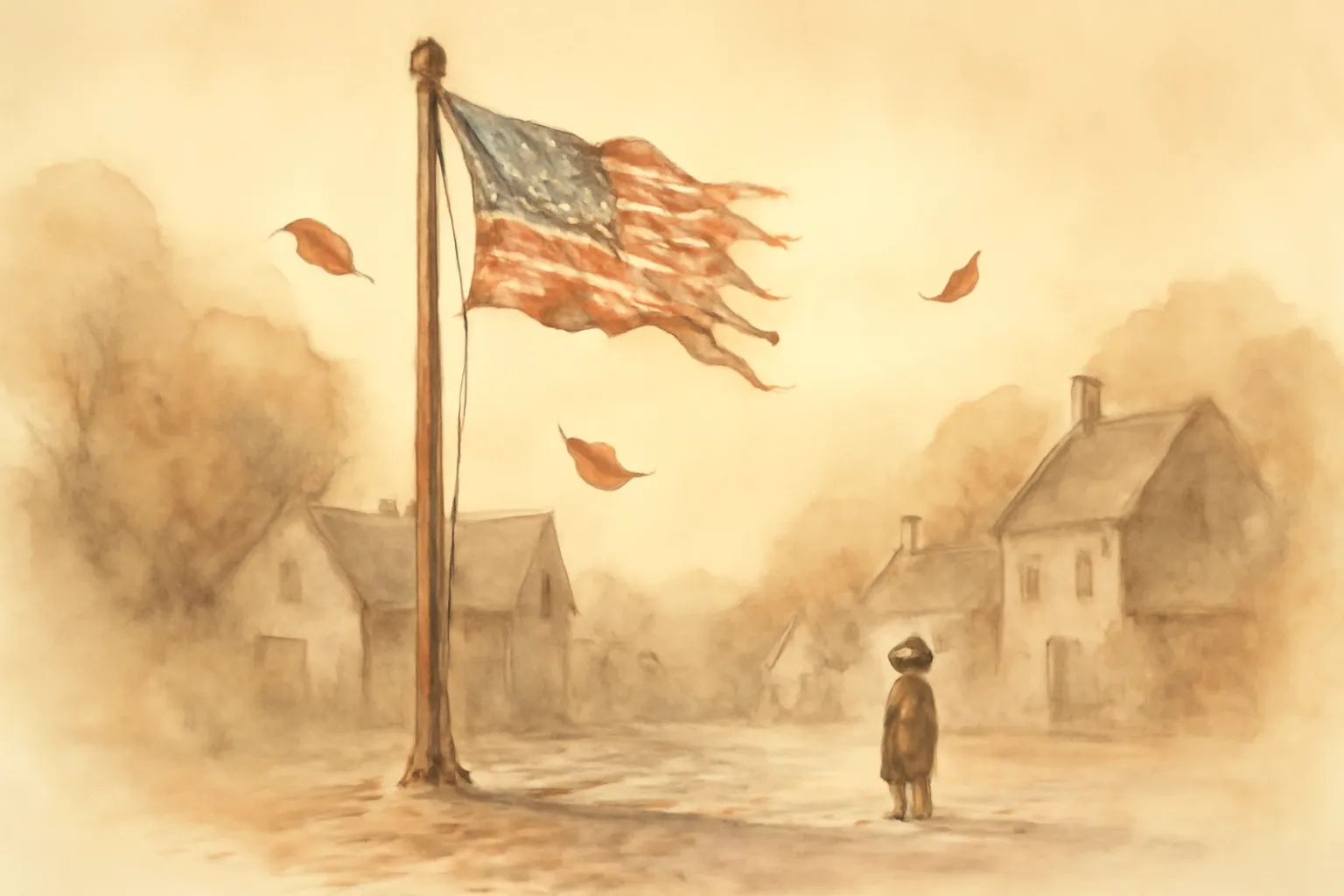
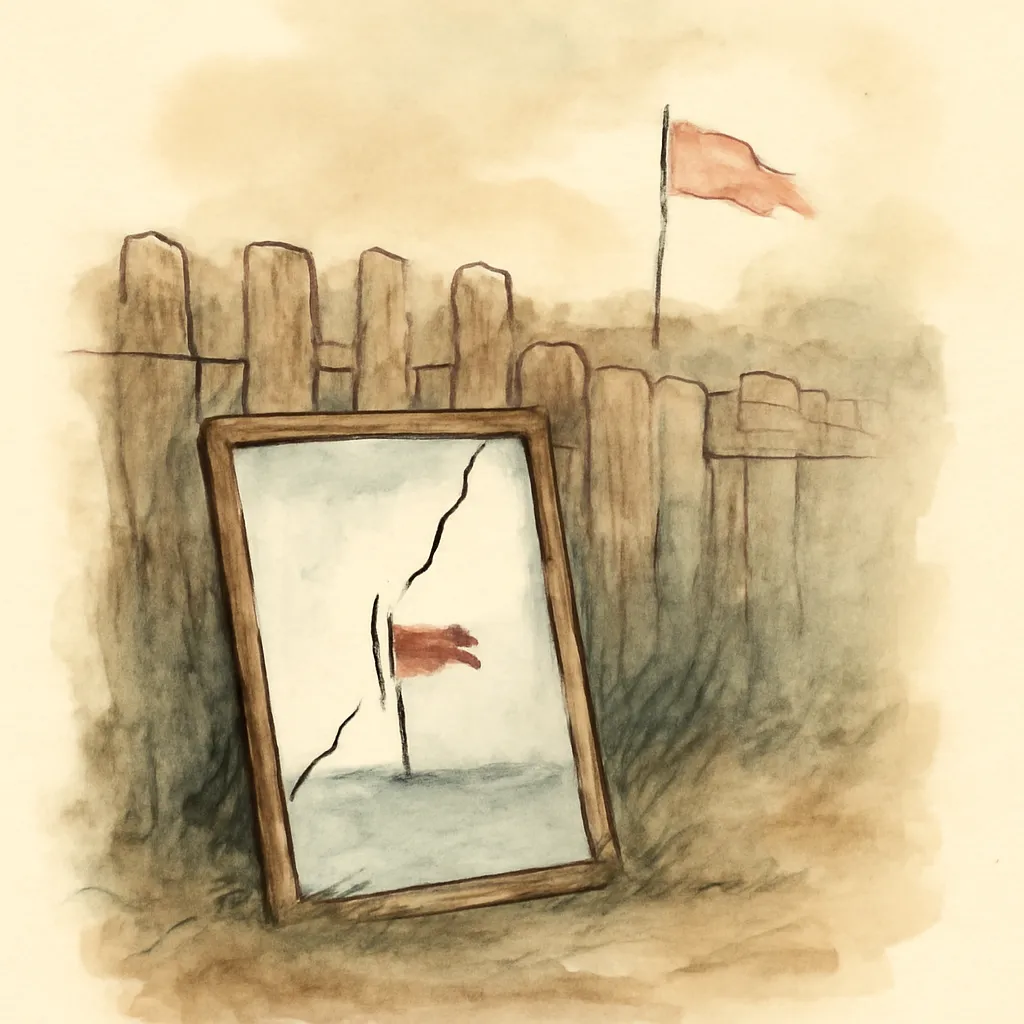
The flag itself emerges as a powerful symbol throughout the narrative, representing not only national pride but also the complexities of personal identity and moral responsibility. Initially, the flag is revered within the school and community, serving as a unifying emblem that embodies the values of courage and patriotism. However, when Pen allows it to be disrespected during the snowball fight, he faces the gravity of his actions and the conflict between youthful impulses and the ideals the flag represents. This act becomes a moment of profound shame for Pen, as he struggles to reconcile his actions with his understanding of what it means to honor his country and his family. The symbolism of the flag evolves over the course of the story, ultimately reflecting Pen's internal struggles and his quest for redemption. It challenges readers to consider the significance of national symbols and the responsibilities that come with them, highlighting that true patriotism involves a deeper commitment to the values these symbols represent.
4.The Complexity of Family Dynamics
Family relationships are intricately woven into the fabric of The Flag, particularly in the dynamic between Pen and his grandfather. Colonel Butler is portrayed as a stern yet loving figure whose unwavering commitment to traditional values shapes Pen's understanding of honor and duty. However, this relationship is complicated by the influence of Pen's mother, Millicent, who serves as a protective figure that often clashes with her father's rigid views. The tension between these familial connections underscores the complexities of loyalty, love, and expectation. As Pen navigates these relationships, he learns valuable lessons about understanding different perspectives and the importance of empathy within family dynamics. This exploration of family dynamics highlights the conflicts that can arise from differing values and expectations, ultimately encouraging readers to reflect on their own familial relationships and the complexities they encompass.
5.The Journey of Self-Discovery
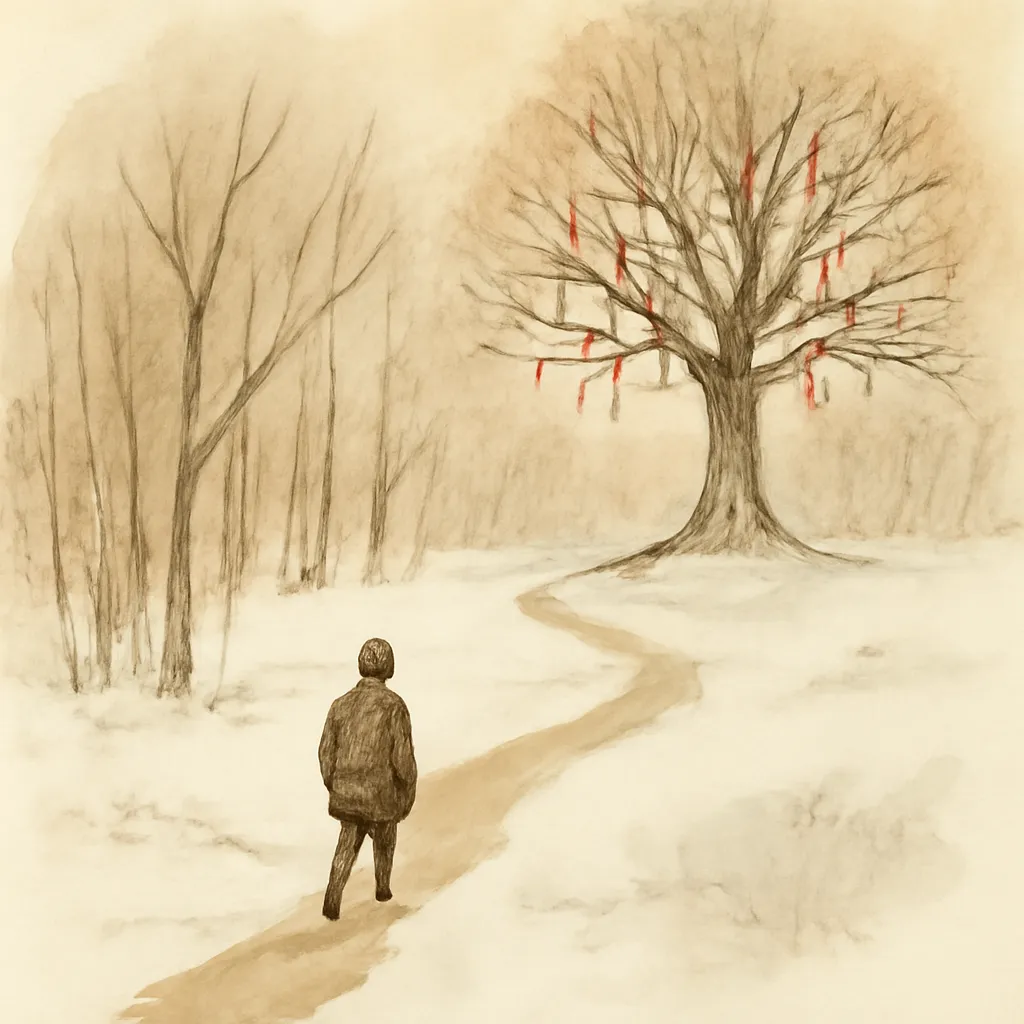
At its core, The Flag is a tale of self-discovery, with Pen's journey reflecting the challenges and triumphs of adolescence. Initially, Pen seeks validation through external means, such as impressing his grandfather and succeeding in rivalries. However, after the snowball fight and the subsequent shame he feels for disrespecting the flag, he is compelled to embark on a path of introspection. This process of self-discovery is not linear; it is fraught with moments of doubt, guilt, and ultimately, determination to make amends. As Pen grapples with his actions, he begins to understand the deeper meanings of honor, respect, and what it means to be a true patriot. The narrative encourages readers to consider their own journeys of self-discovery, emphasizing that growth often comes from confronting one's mistakes and seeking to rectify them.
6.The Reality of War and Its Implications
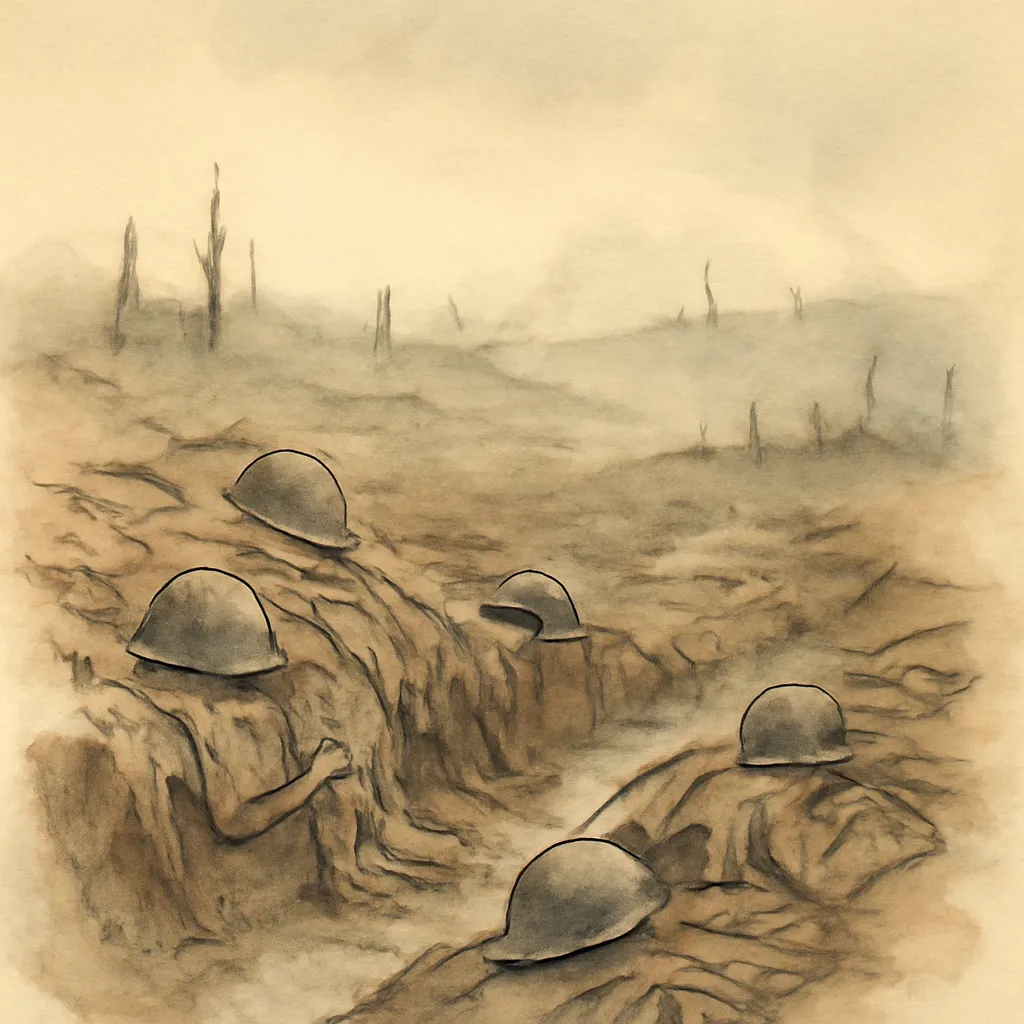
World War I serves as a crucial backdrop for Pen's journey, shaping his understanding of duty and sacrifice. The narrative captures the societal sentiments of the time, with young men eager to enlist and serve their country. Pen's contemplation of joining the war reflects a deep-seated sense of duty, yet it also exposes him to the harsh realities of conflict. The discussions surrounding the war illustrate the tension between idealism and the grim nature of warfare, challenging Pen to reconcile his romantic notions of glory with the brutal truths of combat. This theme resonates throughout the story, as Pen learns that patriotism encompasses not only pride in one's country but also an understanding of the sacrifices made by those who serve. The narrative prompts readers to reflect on the implications of war on personal identity and the collective consciousness of society, emphasizing the complexities of duty in times of conflict.
7.The Importance of Community Support
The setting of the village provides a rich context for exploring the theme of community, illustrating how collective values shape individual identities. The presentation of the flag serves as a communal event, bringing together various factions within the village to honor shared ideals. However, the rivalry between the Hilltops and Riverbeds tests the strength of community bonds, highlighting the challenges that can arise from competition. As Pen navigates his relationships within the community, he begins to appreciate the significance of support, understanding that personal growth is often facilitated by the encouragement and camaraderie of those around him. The narrative underscores the importance of community in fostering resilience and helping individuals confront their personal challenges, ultimately demonstrating that a strong community can unite diverse identities under common values.
8.The Theme of Forgiveness and Redemption
Forgiveness is a central theme woven throughout Pen's journey, particularly as he grapples with guilt and shame following his actions during the snowball fight. His decision to allow the flag to be disrespected becomes a source of profound internal conflict, driving him to seek forgiveness from his grandfather and himself. The narrative emphasizes that seeking forgiveness requires humility and the courage to confront one's mistakes. Pen's willingness to apologize reflects his growth and commitment to personal integrity, highlighting the transformative power of forgiveness in mending relationships. This theme resonates deeply with readers, as it speaks to the universal desire for redemption and the challenges of reconciling one's actions with personal values. The narrative encourages individuals to confront their past mistakes and seek forgiveness as an essential step toward healing and personal growth.
9.The Evolution of Patriotism and Personal Values
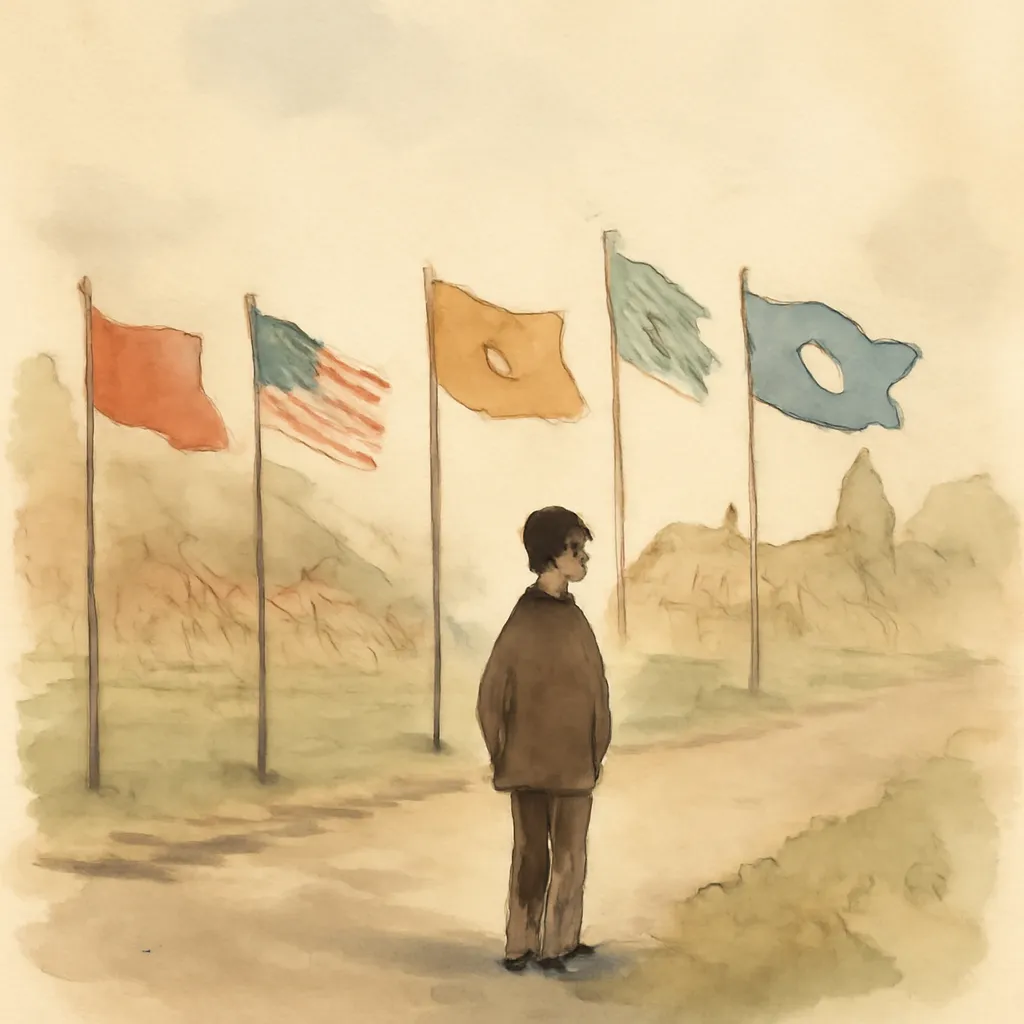
Throughout the story, Pen's understanding of patriotism undergoes a significant evolution, moving from a simplistic view centered around national symbols to a more nuanced appreciation of its complexities. Initially, Pen equates patriotism with loyalty to the flag and the approval of his grandfather. However, as he confronts the consequences of his actions and the realities of war, he begins to grasp that true patriotism involves a deeper commitment to the values represented by the flag, such as honor, respect, and accountability. This evolution invites readers to reconsider their own definitions of patriotism and the responsibilities that accompany it. The narrative ultimately challenges the notion that patriotism is merely about symbols, emphasizing that it requires a thoughtful understanding of the moral implications of one's actions and a commitment to embodying the values that those symbols represent.