1.The Tyranny of Property
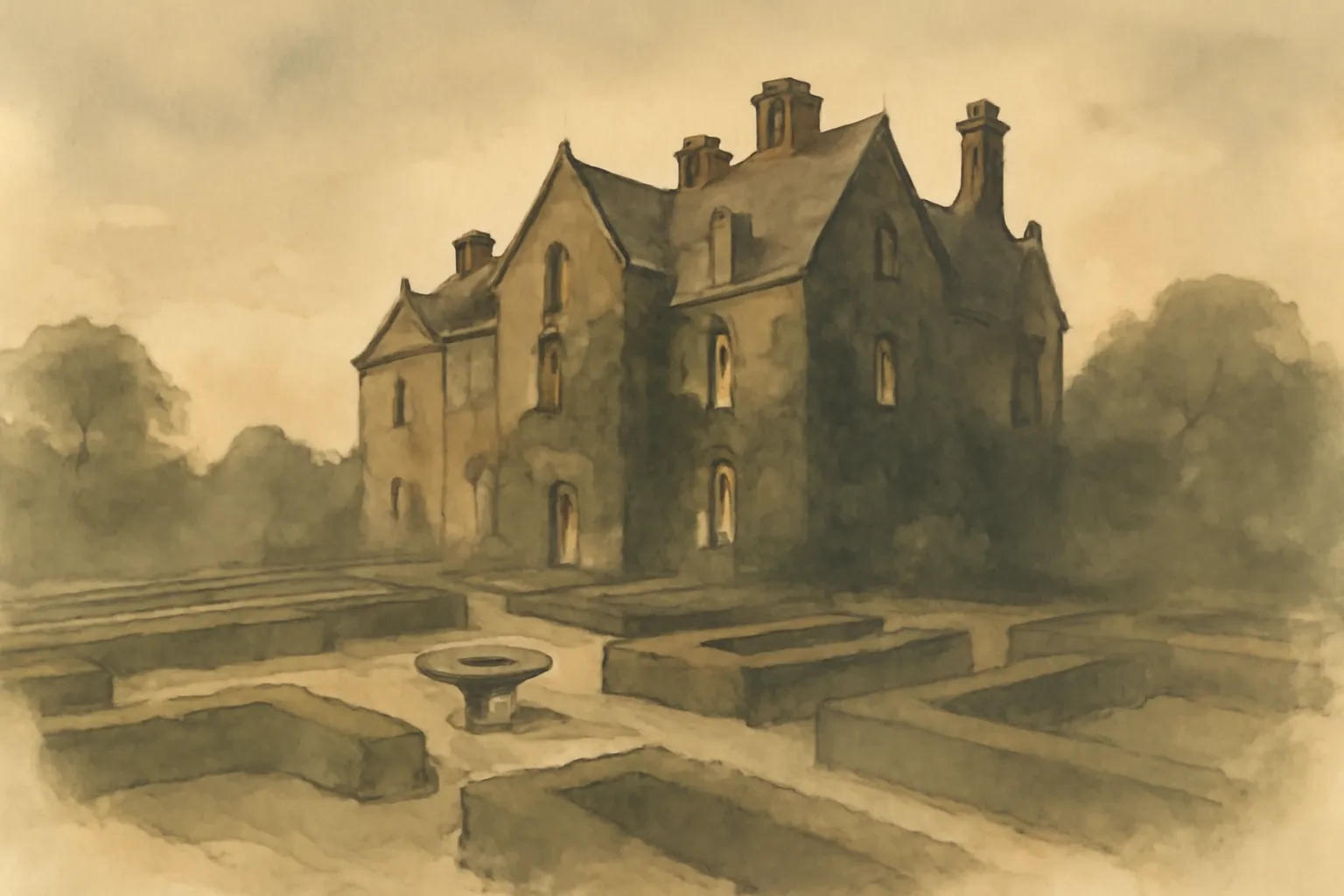
At the heart of The Forsyte Saga lies the theme of property—not just in the material sense, but as a mindset that shapes relationships and identity. The Forsytes, especially Soames, are obsessed with ownership, whether of houses, art, or even people. This possessiveness is most painfully illustrated in Soames’s marriage to Irene, whom he treats as a prized possession rather than an independent person. The novel critiques how the fixation on property can corrode intimacy and reduce human connections to transactions.
2.Changing Social Values
Spanning from the late Victorian era into the early 20th century, the saga charts the slow but inexorable shift in British society. The Forsytes’ rigid values—respectability, financial security, and social standing—are challenged by new ideas about love, freedom, and individuality. Younger generations begin to question the old certainties, and the family’s struggles mirror the broader cultural transition from Victorian restraint to modern sensibility.
3.The Limits of Respectability
Galsworthy exposes the hollowness beneath the Forsytes’ respectable façade. While the family outwardly adheres to social norms, their private lives are riddled with jealousy, betrayal, and longing. The saga explores the tension between public image and private reality, suggesting that the pursuit of respectability often comes at the expense of genuine happiness and emotional honesty.
4.The Tragedy of Unfulfilled Desire
Desire—whether for love, beauty, or self-expression—runs throughout the saga, but is frequently thwarted by convention and fear. Irene’s loveless marriage, Soames’s inability to understand her, and the various romantic entanglements of other Forsytes all illustrate the pain of unfulfilled longing. Galsworthy’s characters are often trapped by their circumstances, highlighting the tragic cost of denying one’s true self.
5.Family as Fortress and Prison
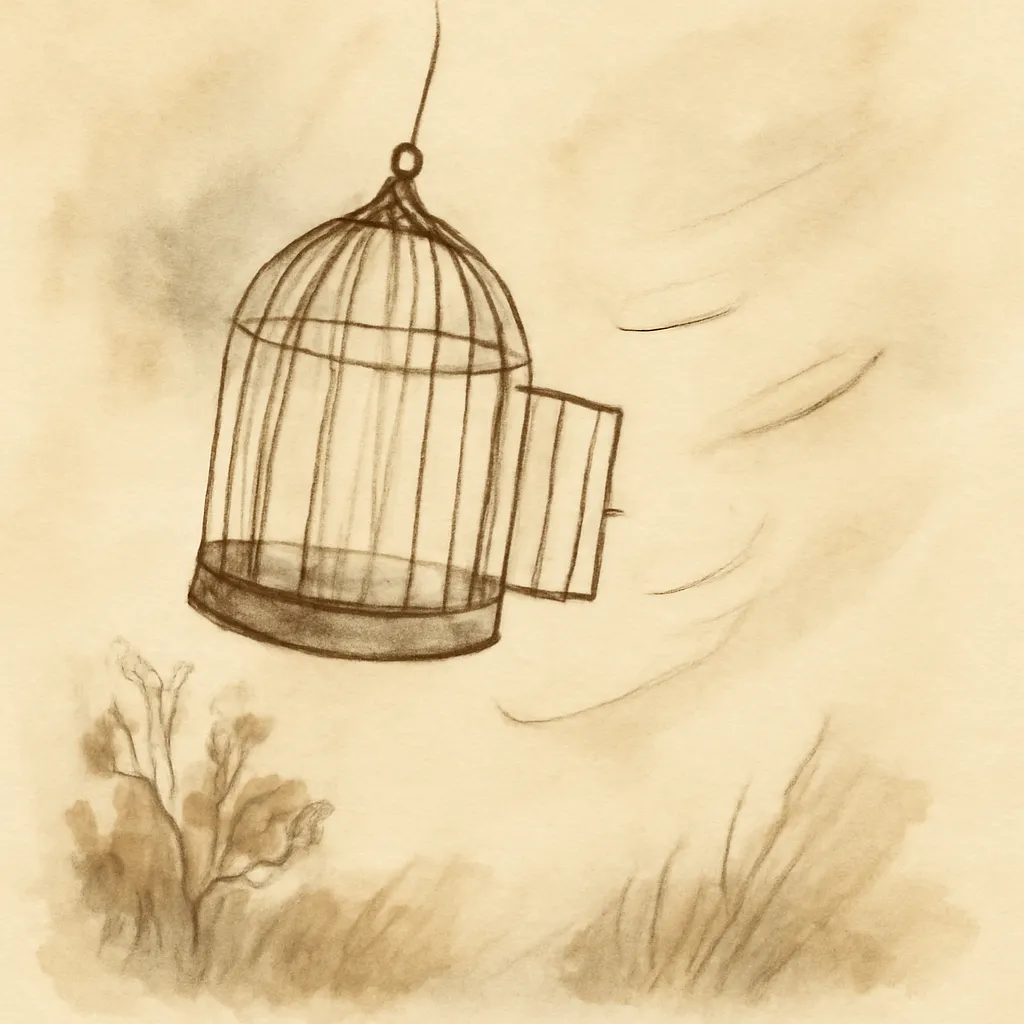
The Forsyte family is both a source of strength and a stifling force. Loyalty and tradition bind the family together, but also limit individual freedom. Characters struggle to balance their obligations to the clan with their personal needs, revealing how family can offer both security and suffocation.
6.The Role of Women and Gender
The saga offers a nuanced look at the roles and limitations placed on women in upper-middle-class society. Irene, in particular, becomes a symbol of resistance against patriarchal control. The narrative critiques the lack of agency afforded women, and the consequences of treating marriage as a contract rather than a partnership.