1.The Allure of the South
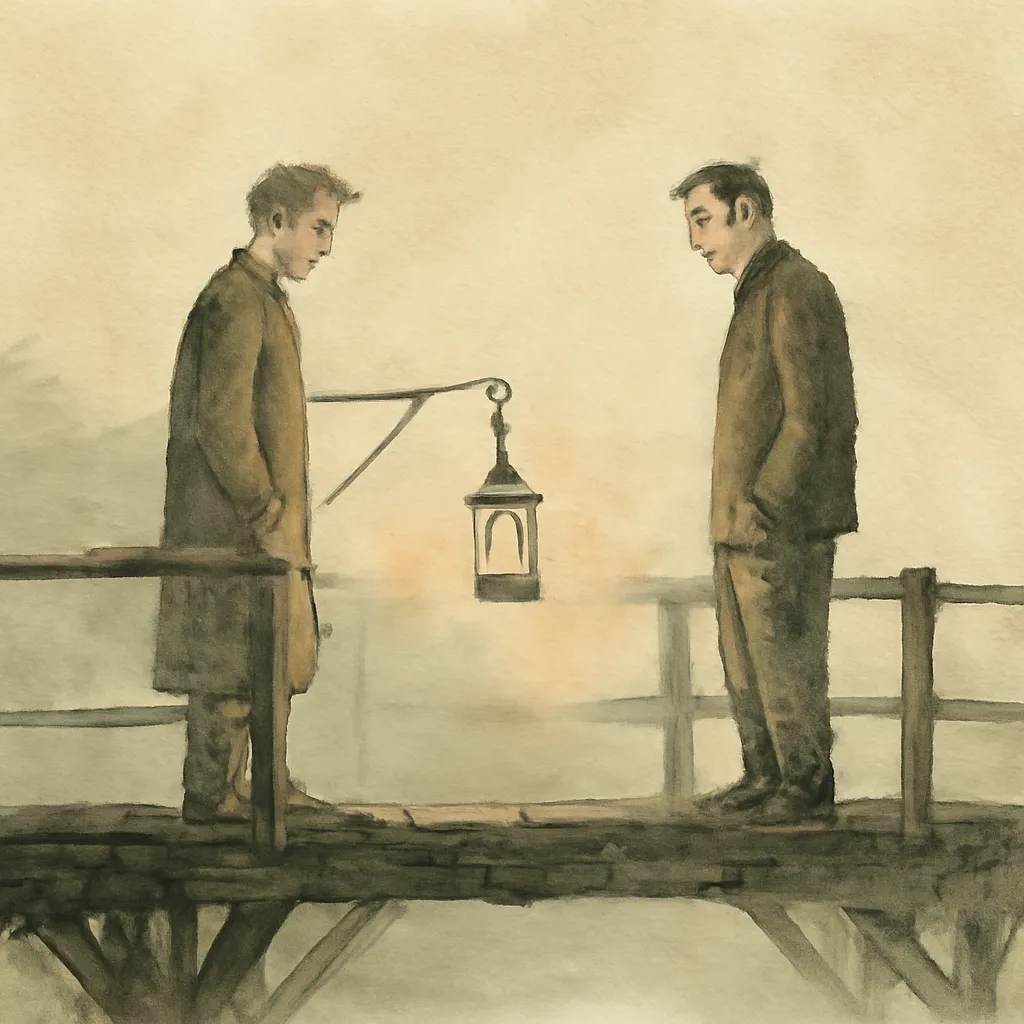
The novel opens with Arnold Crosby's journey back to Four-Pools Plantation, a place steeped in memories and echoes of his childhood. Webster paints a vivid picture of the Southern landscape, emphasizing the beauty of the Shenandoah Valley that encapsulates the nostalgia and charm associated with Arnold's youth. As he travels southward, the train journey itself signifies a transition — from the bustling life in New York to the more tranquil, yet turbulent, atmosphere of Four-Pools. Arnold's reflections reveal his mixed feelings about returning to a place that was once filled with joy and laughter but is now tainted by familial tragedy. The plantation’s history of hospitality and music stands in stark contrast to the present turmoil following his aunt's death and the haunting of his uncle, setting a poignant tone for the unfolding mystery.
2.The Intriguing Terry Patten

Terry Patten, a reporter from the notorious Post-Dispatch, enters the narrative as a catalyst for both conflict and revelation. His sharp instincts and unyielding determination bring a fresh perspective to the investigation of the forgery case and subsequent murder at Four-Pools. Initially perceived as a nuisance, Terry’s character evolves into a charming and resourceful ally, whose insights often cut through the fog of superstition surrounding the plantation's ghost. His Irish wit and street-smart demeanor provide comic relief amidst the tension, while his relentless pursuit of the truth showcases the journalistic spirit. The interactions between Terry and Arnold highlight the transformative power of friendship and trust, as the two navigate the murky waters of family secrets and societal expectations. Terry’s arrival signifies more than just his role as a journalist; he embodies the spirit of inquiry and the quest for justice in a world shrouded in myth and fear.
3.Ghostly Legends and Cultural Superstitions
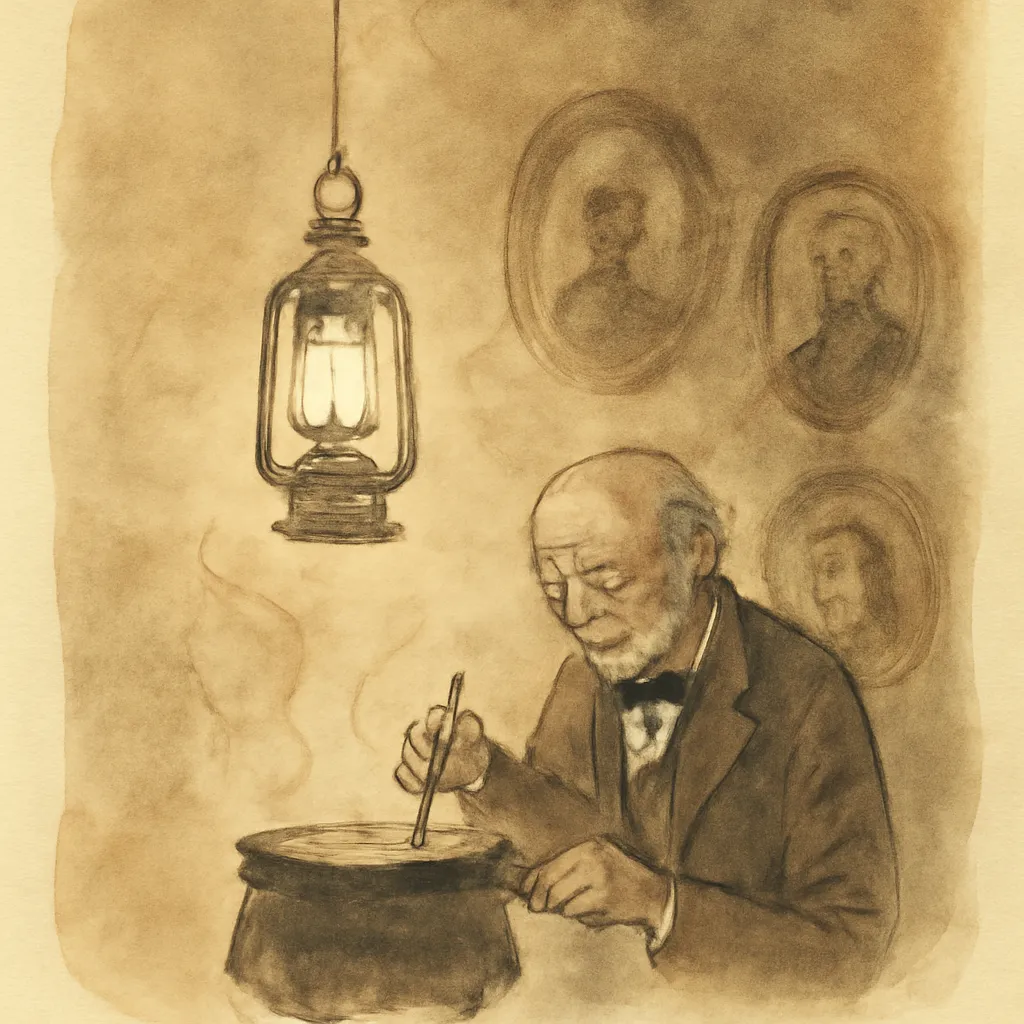
The concept of the ha'nt, or ghost, weaves throughout the fabric of the story, influencing the beliefs and actions of the plantation's inhabitants. Solomon, the old negro butler, embodies the superstitions that permeate the community, insisting that the ghost is responsible for various mischiefs, including the theft of chickens. This belief in the supernatural serves to heighten the tension and reflects a broader cultural context where folklore shapes the lives of the characters. The ghost story becomes a metaphor for the unresolved issues within the Gaylord family, revealing how the past continues to haunt the present. As Arnold and Terry investigate the ghostly occurrences, they navigate the line between reality and superstition, questioning the nature of truth in a world where belief often supersedes evidence. The ha'nt serves as an allegory for the characters’ internal struggles with their own fears and guilt, driving them towards confrontation with their past.
4.The Burden of Family Legacy
Arnold's return to Four-Pools is marked not only by nostalgia but also by the weight of family expectations and unresolved conflicts, particularly with his cousin Radnor. The tension between them is exacerbated by Radnor's troubled past and the shadow of his father's legacy. As the investigation unfolds, Arnold grapples with the implications of his family's history, particularly the darker aspects associated with his uncle's death. This exploration of family legacy is central to the narrative, as it reveals the emotional scars carried by each character. The novel illustrates how the sins of the past can ripple through generations, affecting choices and relationships. Arnold's struggle to reconcile his affection for Radnor with the increasing suspicions surrounding him emphasizes the complexity of familial loyalty. The narrative ultimately suggests that understanding one's heritage is crucial for personal growth and healing.
5.Murder and Mystery in the Cave
The discovery of Colonel Gaylord's body in the cave marks a pivotal moment in the story, shifting the narrative focus from ghostly legends to tangible danger. The cave serves as a physical manifestation of hidden family secrets and the darker impulses that lie beneath the surface. The investigation into the murder reveals layers of intrigue, as characters grapple with their own motives and fears. The cave becomes a site of confrontation, not just between the characters and the supernatural, but also among themselves as they confront the realities of their relationships. As Arnold, Terry, and the local authorities piece together the events leading to the Colonel's death, the suspense builds, revealing the fragility of truth in the face of deception. The interplay between the natural beauty of the cave and the violence that occurs within it underscores the theme of duality — the coexistence of life and death, beauty and horror.
6.The Role of the Detective

The arrival of a detective to investigate the murder adds a layer of complexity to the narrative, as his methods and motivations clash with those of the local characters. The detective's professional detachment contrasts sharply with the emotional turmoil experienced by Arnold and Radnor, highlighting the personal stakes involved in the investigation. As the detective delves deeper into the mystery, he uncovers not only evidence of the crime but also the intricate web of relationships that influenced the events leading to the murder. This dynamic underscores the tension between objective truth and subjective experience, as characters navigate their own biases and fears in the pursuit of justice. The detective’s presence serves as a reminder of the broader societal implications of the crime, as public opinion sways in response to the unfolding drama. The investigation becomes not just a search for a murderer, but a means of reconciling the past with the present.
7.Friendship and Loyalty Tested
The bonds of friendship among the characters are tested as suspicions arise and the investigation deepens. Arnold's relationship with Radnor becomes strained as the weight of suspicion falls upon him, forcing Arnold to confront his own loyalties and beliefs. The narrative explores how friendship can be both a source of strength and a catalyst for conflict, particularly when faced with moral dilemmas. As the characters grapple with their fears and uncertainties, the importance of trust and communication emerges as a crucial theme. Arnold's commitment to uncovering the truth for Radnor's sake illustrates the lengths to which individuals will go to protect those they care about. The evolving dynamics among Arnold, Terry, and Radnor reflect the complexities of human relationships, especially in times of crisis, as personal loyalties collide with the demands of justice.
8.The Impact of Public Perception
As the murder investigation unfolds, the role of public opinion becomes a significant force shaping the characters' actions and decisions. The media's portrayal of the events and the sensationalism surrounding the ghost story fuel speculation and fear within the community. This external pressure complicates the investigation, as characters navigate the fine line between truth and perception. The narrative highlights how societal expectations can influence individual behavior, often leading to misinterpretations and unjust conclusions. Arnold’s realization that public perception can distort reality calls into question the nature of truth in a world driven by rumor and gossip. As he and Terry work to uncover the truth, they must confront the reality that public perception can be as powerful as the truth itself, affecting the course of justice in unexpected ways.
9.Personal Growth Through Crisis
The climax of the story reveals the true nature of the murder and the complexities of the relationships involved, leading to a resolution that brings both closure and redemption. As Arnold uncovers the truth behind the Colonel's death, he confronts the ghosts of the past, ultimately finding a way to reconcile his family's legacy with his own identity. The resolution highlights the importance of understanding and forgiveness, as characters learn to navigate their relationships amidst the chaos of tragedy. Arnold's journey from a passive observer to an active participant in the search for truth illustrates the transformative power of adversity. The narrative concludes with a sense of hope, suggesting that even in the face of darkness, redemption is possible through honesty and connection. The journey through the mystery allows Arnold and Radnor to emerge stronger, paving the way for a renewed sense of purpose and belonging within their family.