1.The Impractical Hero
Lionel Mortimer embodies the archetype of the charming yet impractical hero, a man full of potential but lacking direction. Living in modest circumstances, Lionel's good humor and engaging personality endear him to others, yet his inability to turn his talents into a viable career leaves him vulnerable. His character represents the tension between personal aspirations and societal expectations, as he navigates a world that often favors practicality over charm. The narrative begins with Lionel's mundane existence, highlighting how his charm is overshadowed by his lack of financial means and ambition, ultimately setting the stage for his transformative journey. As he sits in his cramped lodgings, reflecting on his life, Lionel's character serves as a lens through which readers can explore the broader themes of aspiration and self-identity.
2.A Chance Encounter
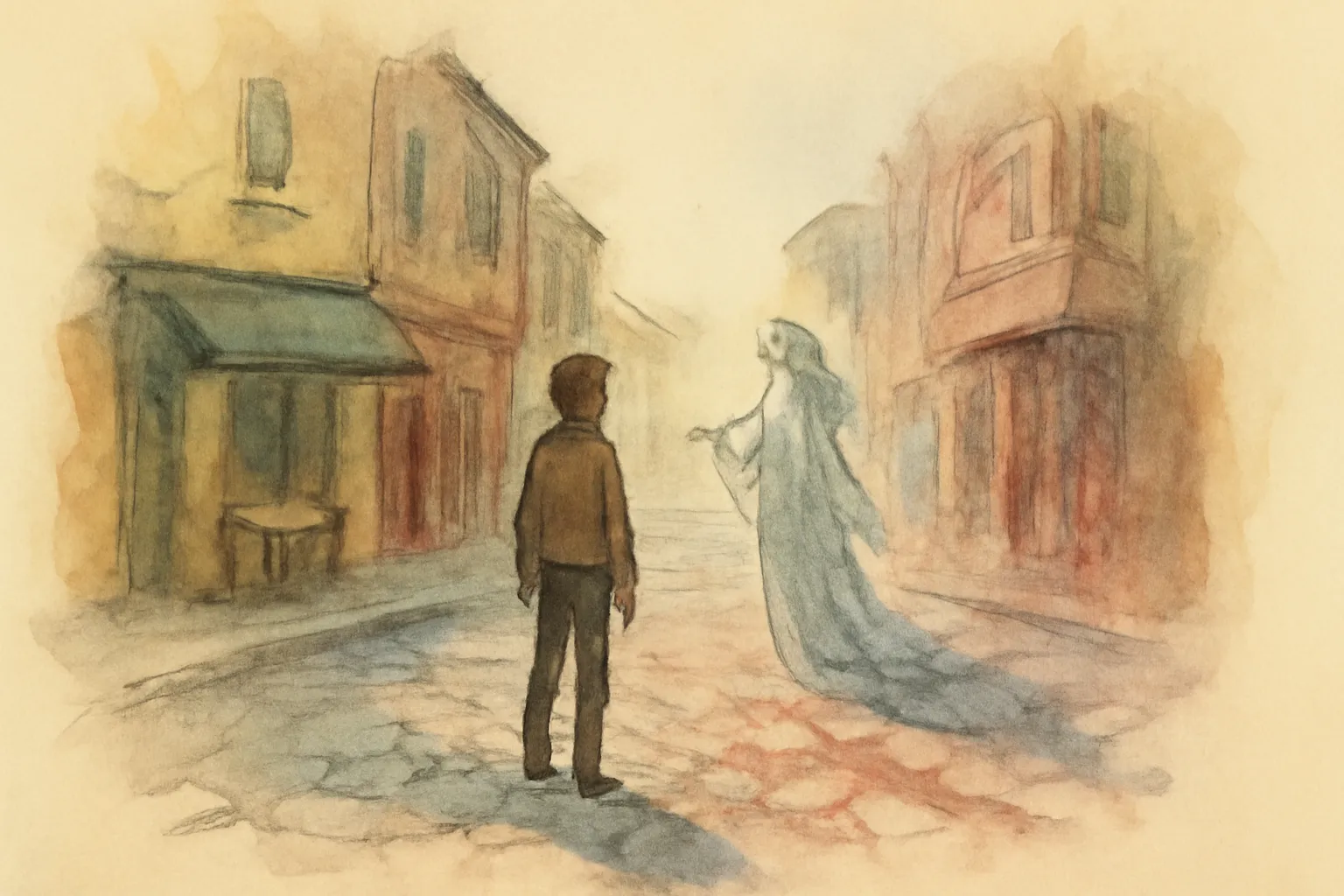
Lionel's life takes a dramatic turn when he meets a striking actress who sweeps him into a whirlwind of adventure. This encounter is pivotal; it symbolizes the unexpected opportunities that life can present, often when least expected. The actress, who remains mysterious and enchanting, serves as a catalyst for Lionel's personal growth. Their interactions are charged with tension and possibility, as Lionel grapples with feelings he has not fully understood before. This relationship not only ignites his romantic aspirations but also challenges him to reconsider his own worth and potential. The encounter with the actress represents a turning point; it propels Lionel into a world where his charm can flourish, and he begins to see that his life can be more than just a series of disappointments and missed opportunities. The dynamics of their relationship reflect the complexities of love and attraction, which are often intertwined with self-discovery.
3.The Allure of Adventure

Adventure is a recurring theme in Lionel's journey, representing both external excitement and internal discovery. As he embarks on escapades with the actress, he is forced to confront his own limitations and insecurities. Each adventure is laden with uncertainty, pushing him beyond his comfort zone and prompting him to take risks. For instance, the cab ride through the park serves as a microcosm of Lionel's broader journey, where he is caught between the thrill of romance and the fear of failure. This theme resonates throughout the narrative, illustrating how adventure can serve as a vehicle for personal growth. Lionel's experiences challenge him to step outside the confines of his impoverished existence and embrace the unknown, ultimately leading him to a deeper understanding of himself and his desires. Bird uses adventure not merely as a plot device but as an essential component of Lionel's transformation, showing how embracing the unexpected can lead to profound life changes.
4.The Complexity of Relationships

Bird intricately weaves the complexities of relationships into the narrative, exploring themes of love, trust, and betrayal. As Lionel's relationship with the actress deepens, he must navigate the challenges of vulnerability and emotional connection. The actress's past and the societal pressures surrounding their relationship add layers of complexity that test Lionel's resolve. Bird captures the nuances of romantic relationships, emphasizing how love can be both exhilarating and fraught with uncertainty. For instance, the interactions between Lionel and the actress are marked by moments of intimacy and misunderstanding, reflecting the delicate balance that defines their connection. This exploration invites readers to reflect on their own experiences with love and the challenges inherent in forging genuine connections with others. Bird's portrayal of these complexities underscores that relationships are not merely romantic entanglements but intricate dance of emotions that require understanding and compromise.
5.The Role of Class and Society
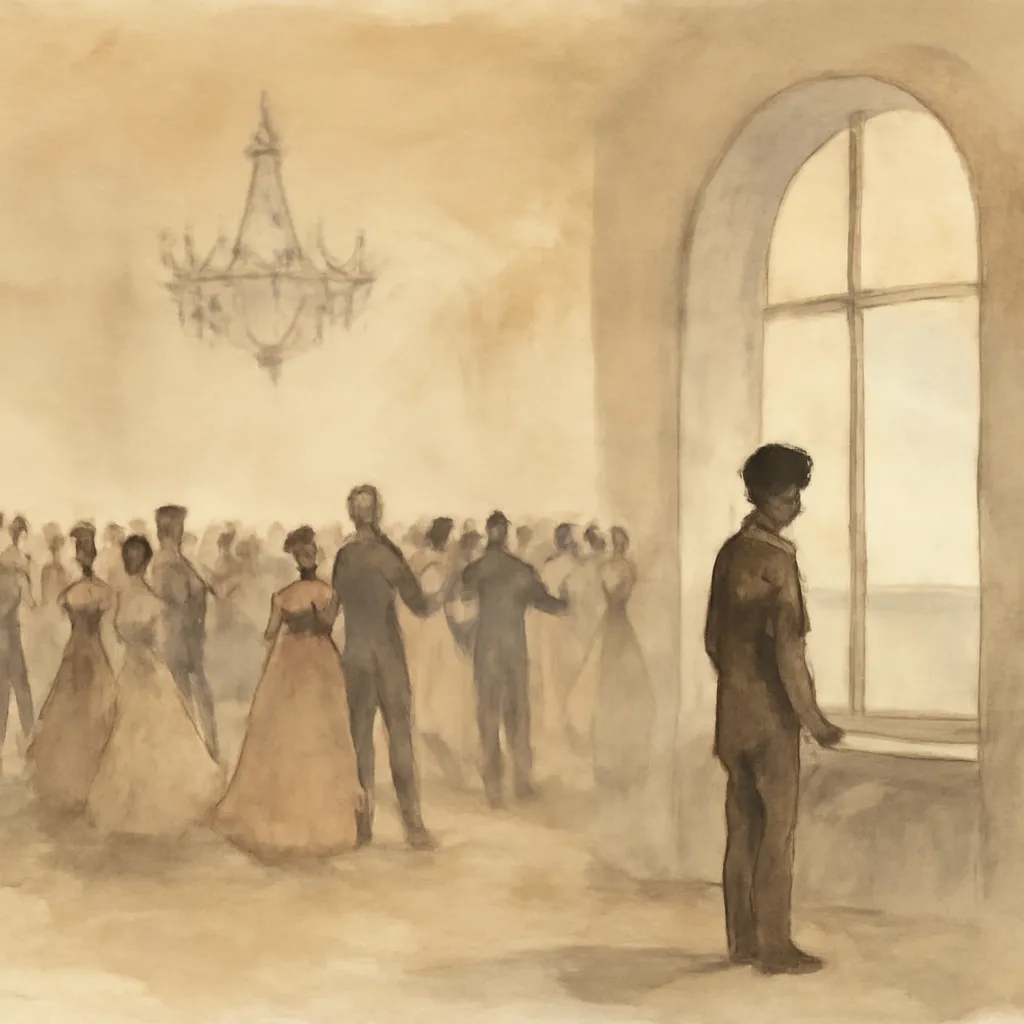
Class distinctions play a significant role in shaping the characters' experiences and interactions within 'The Gay Adventure.' Lionel's social status as an impoverished gentleman creates barriers that he must navigate in pursuit of love and fulfillment. The societal expectations placed on individuals based on their class inform their choices and opportunities, highlighting the rigid structures of early 20th-century society. For example, Lionel's aspirations are often thwarted by the preconceived notions of those around him, who view his lack of wealth as a lack of worth. Through Lionel's journey, Bird critiques these societal norms, illustrating how they can hinder personal growth and authentic relationships. The tension between social class and personal aspiration serves as a backdrop for the characters' struggles, prompting readers to consider the impact of societal expectations on their own lives. Bird effectively uses Lionel's character to challenge the notion that worth is tied to wealth, urging readers to reconsider their own definitions of success and fulfillment.
6.The Quest for Identity
As Lionel embarks on his adventures, he is also on a quest for identity, seeking to define who he is beyond societal labels. His interactions with the actress and other characters force him to confront his self-image and aspirations. The journey becomes a metaphor for self-discovery, as Lionel learns to embrace his individuality and passions. Bird artfully portrays this quest, illustrating how the search for identity is often fraught with challenges yet ultimately rewarding. Throughout the novel, Lionel grapples with questions of self-worth and purpose, often feeling overshadowed by the more assertive personalities around him. This internal struggle is a universal theme that resonates with readers, as they, too, navigate their identities in a complex world. By the end of the novel, Lionel emerges not just as a romantic hero but as a man who has come to understand and accept himself, a journey that resonates with readers on a personal level.
7.The Influence of Female Characters
The female characters in the novel play crucial roles in shaping Lionel's journey and reflecting the complexities of womanhood. The actress, in particular, embodies strength, vulnerability, and independence, challenging traditional gender roles of the time. Through her character, Bird explores themes of agency and the societal constraints placed on women. The interactions between Lionel and the actress highlight the dynamics of power and vulnerability in relationships, inviting readers to consider how gender influences personal and romantic aspirations. For example, while Lionel is initially captivated by the actress's beauty and charm, he soon realizes that her strength and independence are equally compelling. These portrayals add depth to the narrative, showcasing the multifaceted nature of women's experiences in a patriarchal society. Bird's nuanced depiction of female characters serves to elevate their roles beyond mere romantic interests, illustrating how they are integral to the male protagonist's journey of self-discovery.
8.The Interplay of Humor and Seriousness
Bird skillfully balances humor with serious themes throughout the narrative, creating a rich tapestry of emotions that resonate with readers. Lionel's witty observations and the absurdity of certain situations provide comic relief, even as they address deeper issues of identity and aspiration. This interplay allows for a nuanced exploration of the human experience, reminding readers that humor can coexist with the more profound moments of life. For instance, Lionel's humorous reflections on his situation often serve to lighten the mood, even as he grapples with significant personal challenges. By blending lightheartedness with serious reflection, Bird invites readers to engage with the story on multiple levels, enhancing their connection to the characters and themes. This balance also reflects the complexity of life, illustrating that joy and sorrow often exist side by side, and that it is possible to find humor even in difficult circumstances.
9.The Pursuit of Happiness
At its core, 'The Gay Adventure' is a story about the pursuit of happiness and the lengths to which individuals will go to find it. Lionel's journey is marked by moments of joy, uncertainty, and ultimately, self-realization. Through his experiences, Bird emphasizes that happiness is not merely a destination but a journey filled with ups and downs. The novel encourages readers to reflect on their own pursuits of happiness, urging them to embrace the adventures and challenges that come their way. Lionel's evolution serves as a reminder that the quest for fulfillment is a universal theme that transcends time and place. The pursuit of happiness is particularly poignant in moments of self-reflection, as Lionel considers what it means to be truly content, sparking a dialogue about the nature of fulfillment in a world that often prioritizes material success over personal joy.
10.The Power of Redemption
Redemption is a powerful theme that emerges as Lionel confronts his past and seeks to transform his future. The novel illustrates how individuals can rise above their circumstances and make choices that lead to personal growth and fulfillment. Lionel's journey is not just about romantic escapades; it is also about learning from mistakes and striving for a better life. Bird captures the essence of redemption, portraying it as a transformative force that allows characters to reclaim their agency and redefine their paths. The moments of realization that Lionel experiences trigger a process of self-redemption, as he comes to terms with his shortcomings and resolves to pursue a more meaningful existence. This theme resonates deeply, encouraging readers to reflect on their own potential for change and growth, underscoring the idea that it is never too late to seek redemption and strive for a life that aligns with one’s true self.