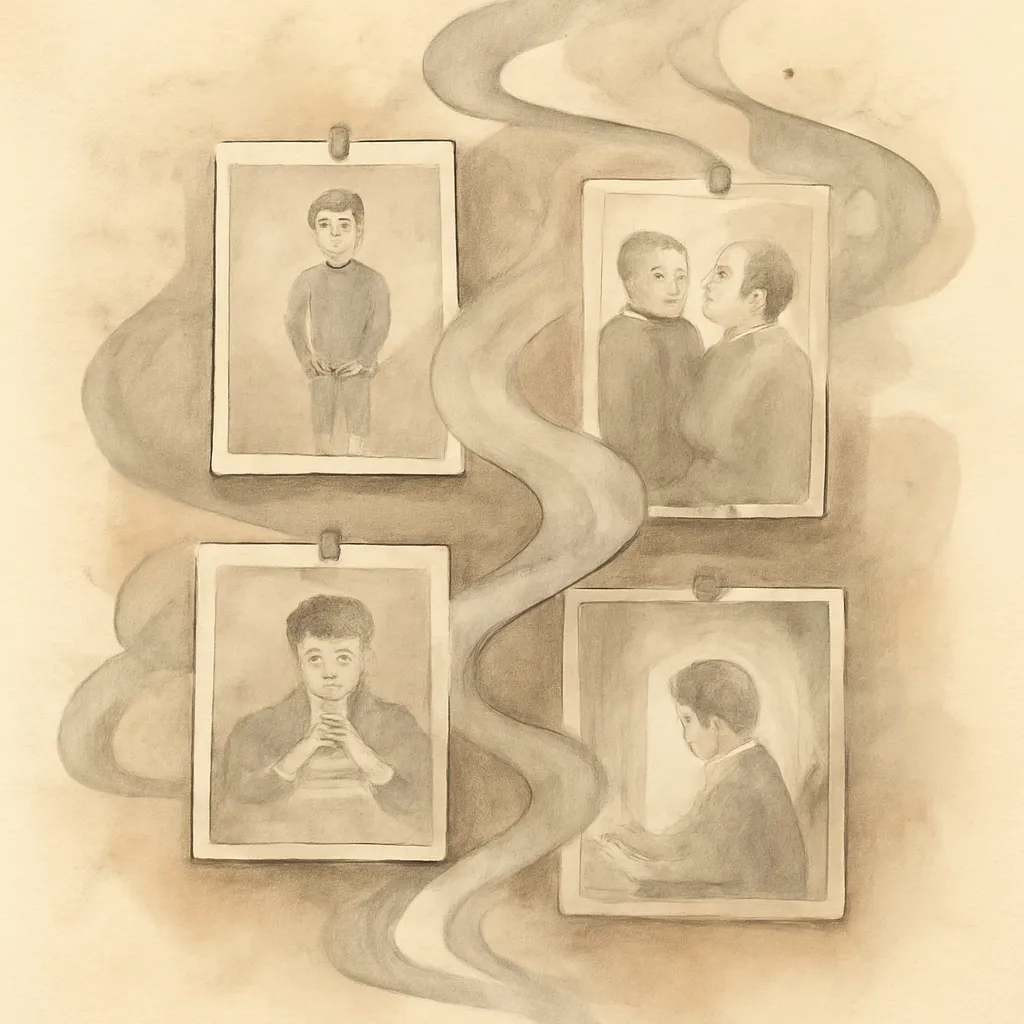
1.The Weight of Heritage
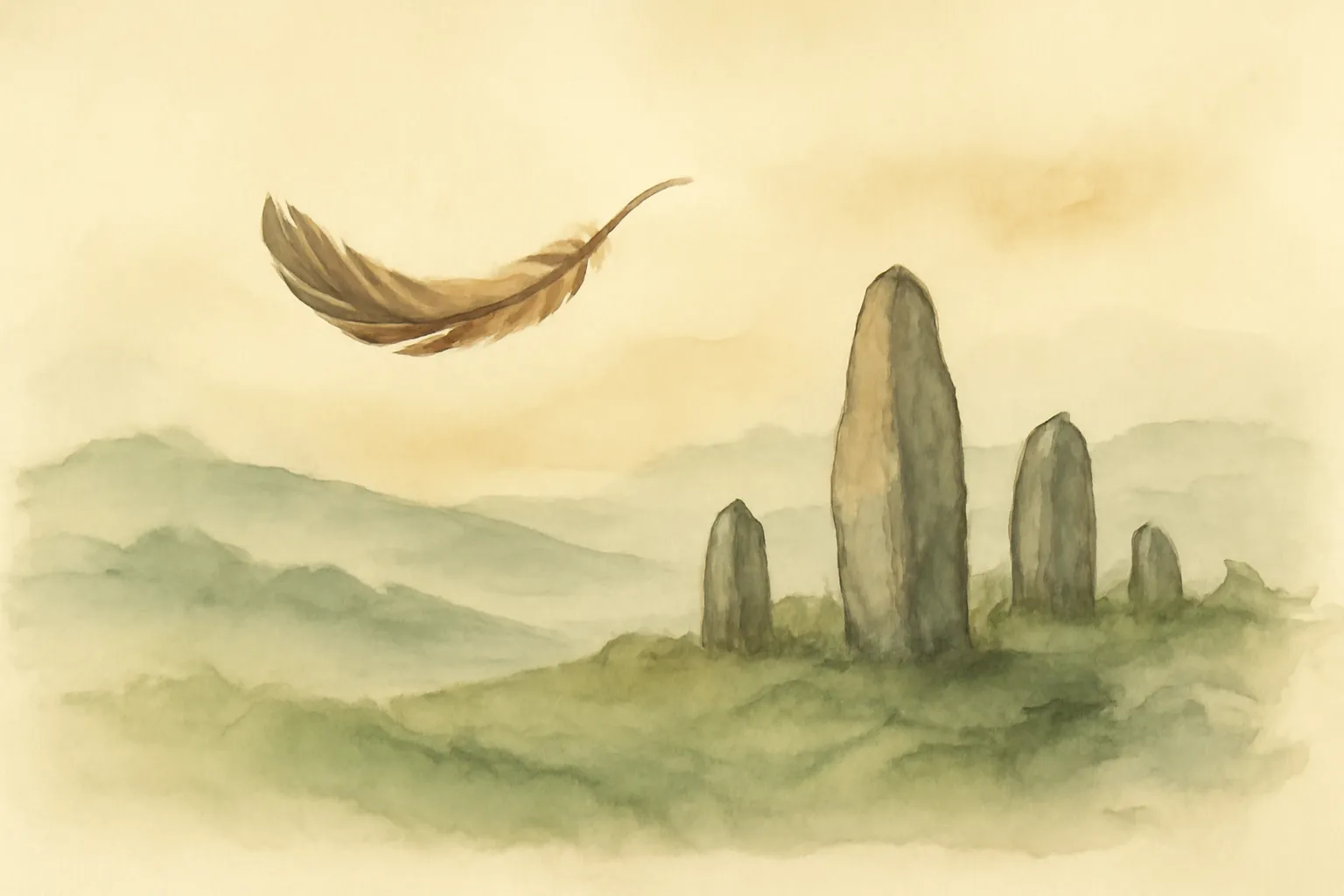
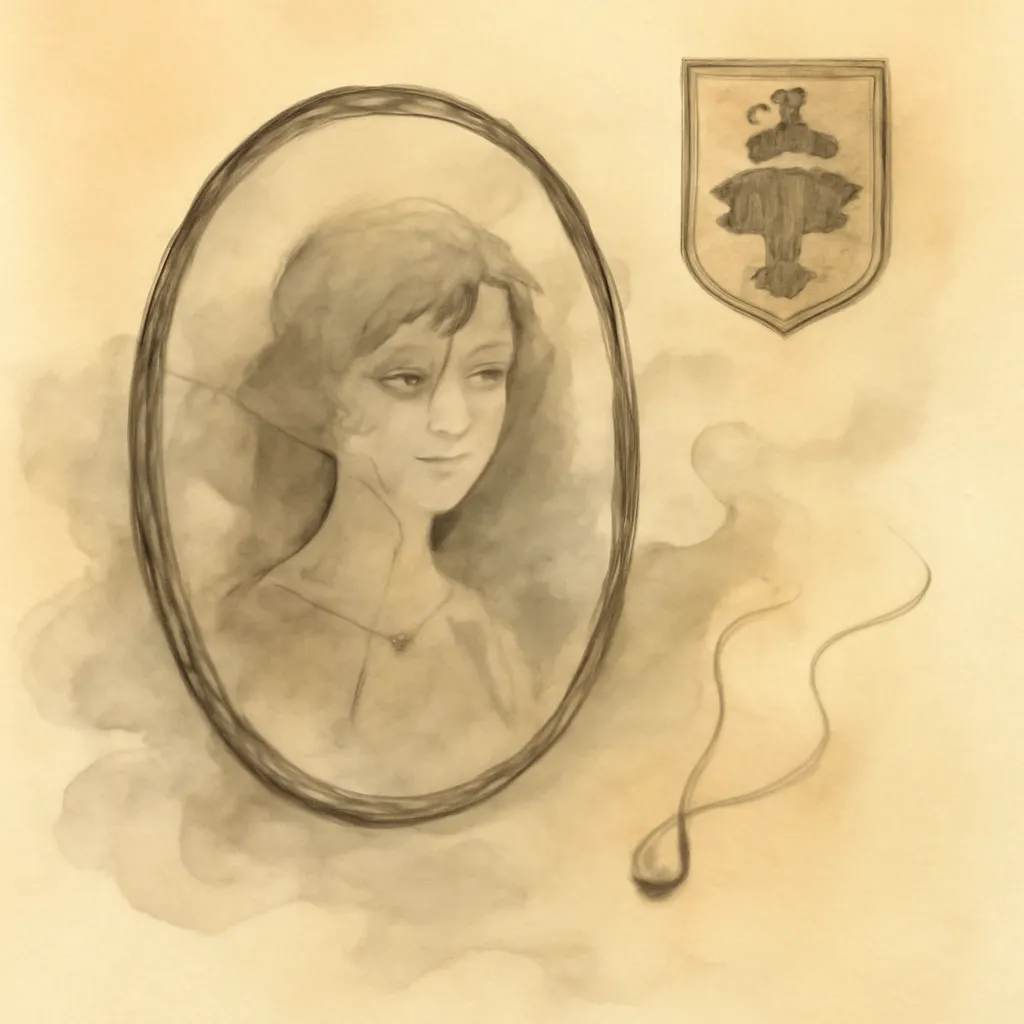
Phylice Berknowles’ character is deeply influenced by her lineage, particularly the adventurous spirit of her mother, a member of the Mascarene family. This heritage shapes her identity and instills in her a restlessness that pushes her to escape the confines of her school in England and return to Ireland. The contrasting portraits of her ancestors in Kilgobbin Park serve as a reminder of the expectations and traditions that she is both drawn to and wants to rebel against. The descriptions of Phyl's red hair, a family trait, symbolize not just her beauty but also the fiery spirit of her ancestry, suggesting that her path is preordained by the legacy of the Mascarenes, who were known for their boldness and adventurous pursuits. The tension between honoring her family’s past and forging her own identity is a central theme as Phyl navigates her relationships and choices.
2.The Allure of New Beginnings
The transition from Ireland to America marks a pivotal moment in Phyl’s life, filled with both excitement and trepidation. As she embarks on her journey to Charleston, the stark contrast between her expectations of America and the reality she encounters becomes evident. The bustling cities and diverse landscapes challenge her romanticized notions of the New World, forcing her to confront the complexities of a culture that feels both foreign and familiar. The initial thrill of exploration is juxtaposed with moments of disillusionment, as Phyl grapples with the alienation that comes from being a stranger in a new land. This journey is not just geographical; it represents her quest for self-discovery, where she seeks to understand her place in a world that is both enticing and daunting. Phyl's experiences highlight the broader theme of migration and the personal transformations that accompany it.
3.The Search for Connection
Throughout the novel, Phyl's relationships serve as a lens through which she navigates her identity and emotional landscape. Her interactions with Richard Pinckney, the charming yet enigmatic young man, reflect her yearning for connection and understanding in a world that often feels isolating. Initially, Richard captivates her with his worldly demeanor, but as their relationship develops, it becomes clear that Phyl is seeking something deeper than mere companionship. The tension between them illustrates Phyl's internal struggle as she oscillates between youthful infatuation and a desire for genuine emotional intimacy. Additionally, her bond with Miss Pinckney, her aunt, provides a familial anchor amidst her tumultuous feelings, showcasing the importance of mentorship and familial support in shaping one's identity. These relationships are essential in grounding Phyl as she navigates her new environment and the ghostly echoes of her family's history.
4.Confronting the Past
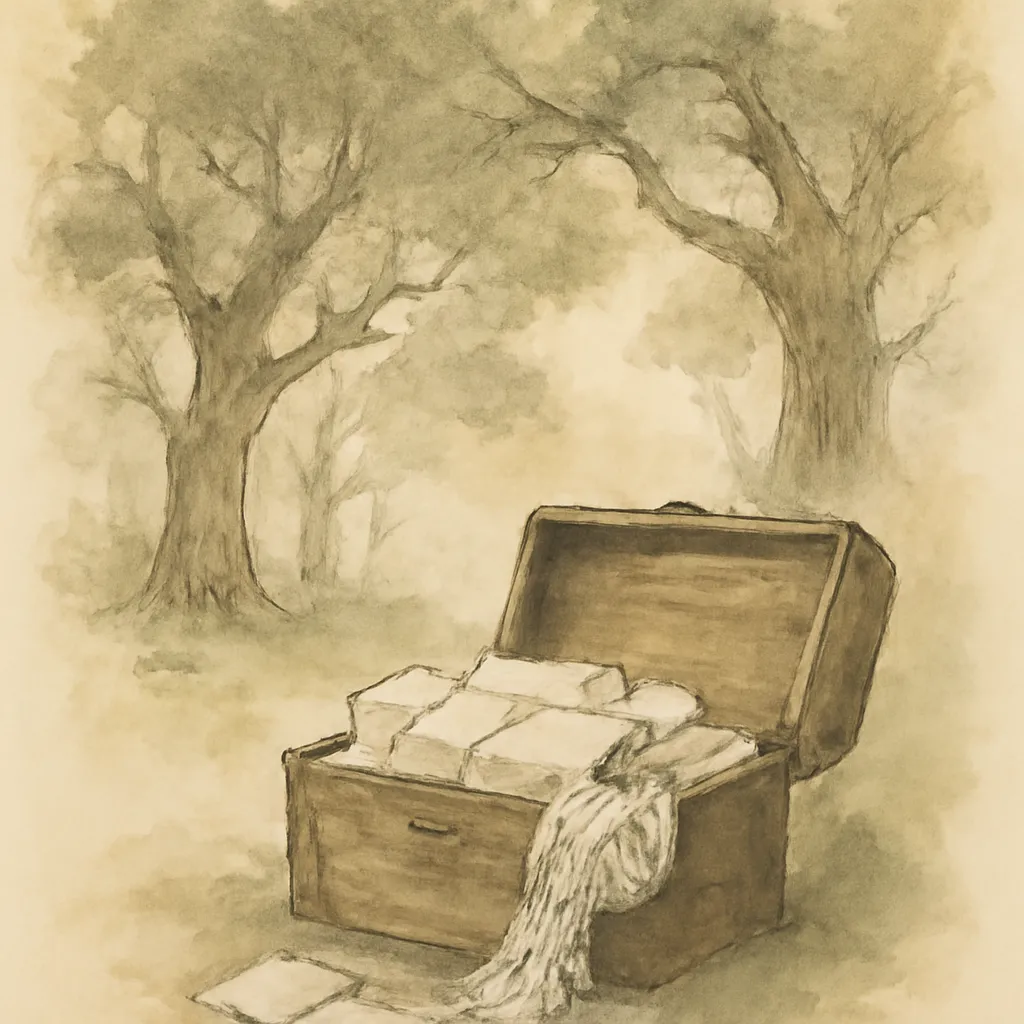
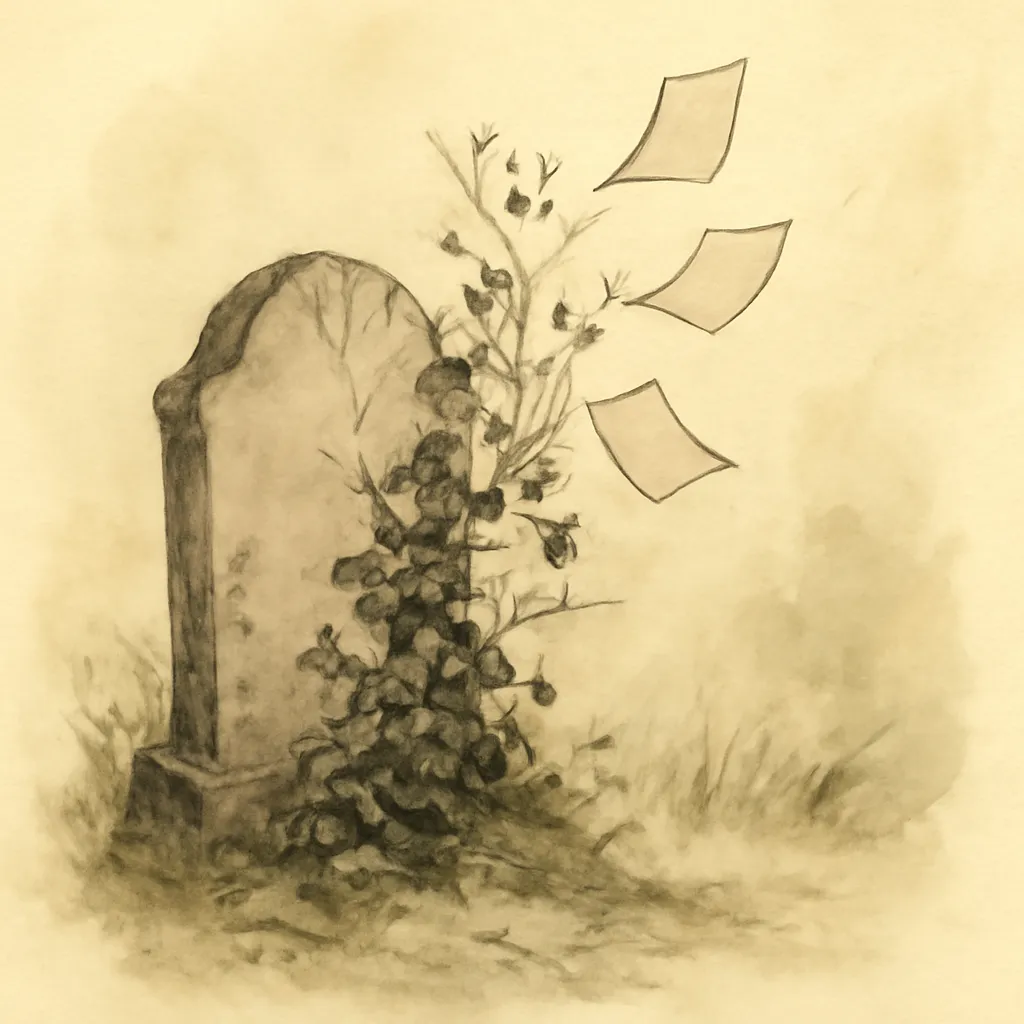
The ghosts of Phyl's ancestors loom large over her journey, both literally and metaphorically. The narrative is steeped in the presence of history, as Phyl encounters remnants of her family's past throughout her experiences in Ireland and America. The letters she discovers, revealing the love story of her ancestor Juliet Mascarene, serve as a poignant reminder of the enduring impact of love and loss across generations. These historical threads weave into the fabric of Phyl's life, compelling her to confront the legacies that shape her identity. The ghosts of her past compel her to reflect on the choices made by those who came before her, urging her to consider how their experiences inform her own. This confrontation with history is crucial for Phyl's growth, as it challenges her to reconcile her lineage with her aspirations for the future.
5.The Complexity of Identity
Phyl's journey is ultimately a quest for self-definition in a world that often imposes rigid identities based on heritage, gender, and societal expectations. Her experiences in both Ireland and America force her to grapple with the multifaceted nature of identity, as she oscillates between the roles of daughter, niece, and emerging woman. The novel captures her struggle to assert her individuality against the backdrop of her family's legacy and the expectations of those around her. For instance, her rebellious spirit is evident in her decision to leave school and return home, a choice that defies the norms of her time. This act of defiance symbolizes her desire to carve out a unique identity, separate from the constraints of her lineage. As Phyl navigates the complexities of her identity, she embodies the broader struggle of young women seeking autonomy in a patriarchal society.
6.The Significance of Place
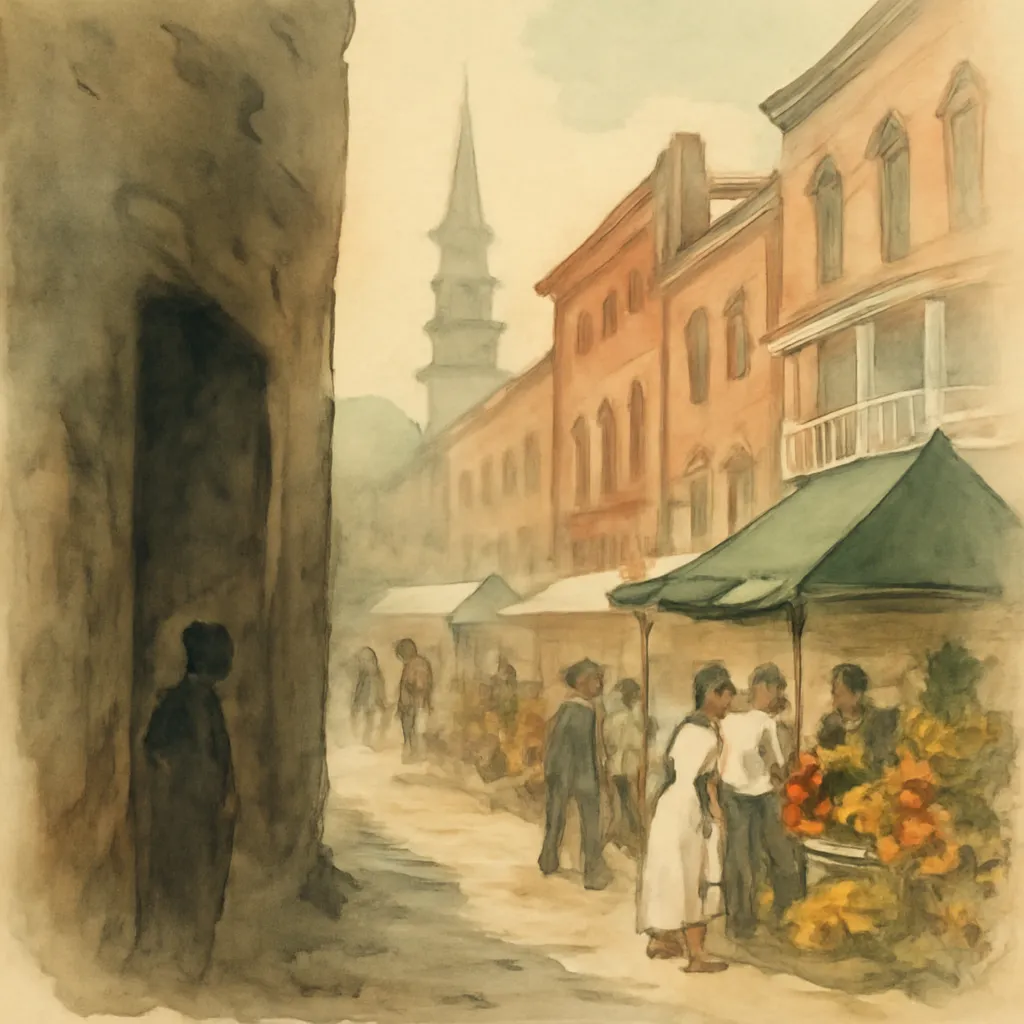
The settings in 'The Ghost Girl' play a crucial role in shaping Phyl's experiences and emotions. From the lush landscapes of Kilgobbin Park to the vibrant streets of Charleston, each location serves as a backdrop for her personal growth and transformation. The descriptions of the Irish countryside evoke a sense of nostalgia and belonging, while the urban environment of Charleston introduces her to new possibilities and challenges. The contrast between these places reflects Phyl's internal conflict as she navigates her dual identity as an Irish girl and an American newcomer. As she explores the gardens of Vernons and the lively streets of Charleston, the settings become more than mere locations; they embody her emotional journey and the tensions between her past and future. This interplay between place and identity is a central theme, illustrating how our surroundings influence our sense of self.
7.The Role of Femininity
The novel explores the theme of femininity in the context of societal expectations and personal agency. Phyl's character embodies the struggle of young women in the late 19th century, as she seeks to assert her independence in a world that often seeks to confine her to traditional gender roles. Her adventurous spirit and desire to explore the world challenge the norms of her time, positioning her as a figure of resistance against the constraints placed upon women. Additionally, her relationships with other female characters, such as Miss Pinckney and the household staff, highlight the complexities of female solidarity and rivalry. The novel portrays the nuances of female friendships and the ways in which women support or undermine each other in their pursuit of autonomy. Through Phyl's journey, the narrative critiques the limitations imposed on women and celebrates their resilience in seeking fulfillment and freedom.
8.Love and Longing
The theme of love permeates the narrative, manifesting in various forms—from familial bonds to romantic infatuations. Phyl's encounters with Richard Pinckney and her reflections on Juliet's letters reveal her deep-seated longing for connection and understanding. The romantic tension between Phyl and Richard serves as a catalyst for her emotional growth, prompting her to confront her feelings and desires. However, the complexities of their relationship also highlight the challenges of young love, as misunderstandings and societal expectations threaten to complicate their bond. Additionally, the historical love story of Juliet Mascarene adds depth to the theme, illustrating the enduring power of love across generations. Through these intertwined narratives, the novel explores the transformative nature of love, emphasizing its capacity to inspire growth and self-discovery.
9.The Power of Memory
Memory serves as a powerful theme in 'The Ghost Girl,' influencing Phyl's understanding of herself and her place in the world. The memories of her ancestors, particularly those of her mother and Juliet Mascarene, shape her identity and inform her choices. The act of remembering becomes a way for Phyl to connect with her heritage, as she reflects on the lives and experiences of the women who came before her. This exploration of memory underscores the importance of acknowledging the past in order to navigate the present and future. The letters and artifacts that Phyl uncovers act as tangible links to her family's history, allowing her to engage with their stories and derive meaning from them. Through this lens, the novel illustrates how memory serves as a guiding force in shaping one's identity and destiny.
10.The Journey to Independence
Ultimately, Phyl's journey in 'The Ghost Girl' is a profound exploration of the quest for independence. As she navigates the complexities of her relationships, confronts her heritage, and seeks to define her identity, Phyl embodies the struggle of many young women seeking autonomy in a changing world. Her decision to leave the constraints of her school and return to Ireland marks a pivotal moment in her quest for self-determination. This act of rebellion against societal expectations symbolizes her desire to carve out her own path, free from the legacies that seek to define her. Throughout the novel, Phyl's evolution from a naïve girl to a self-aware young woman reflects the broader theme of empowerment and the importance of agency in shaping one's destiny. Her journey serves as an inspiring reminder of the resilience and strength that lies within each individual as they navigate the challenges of life.