1.Redefining Humanity
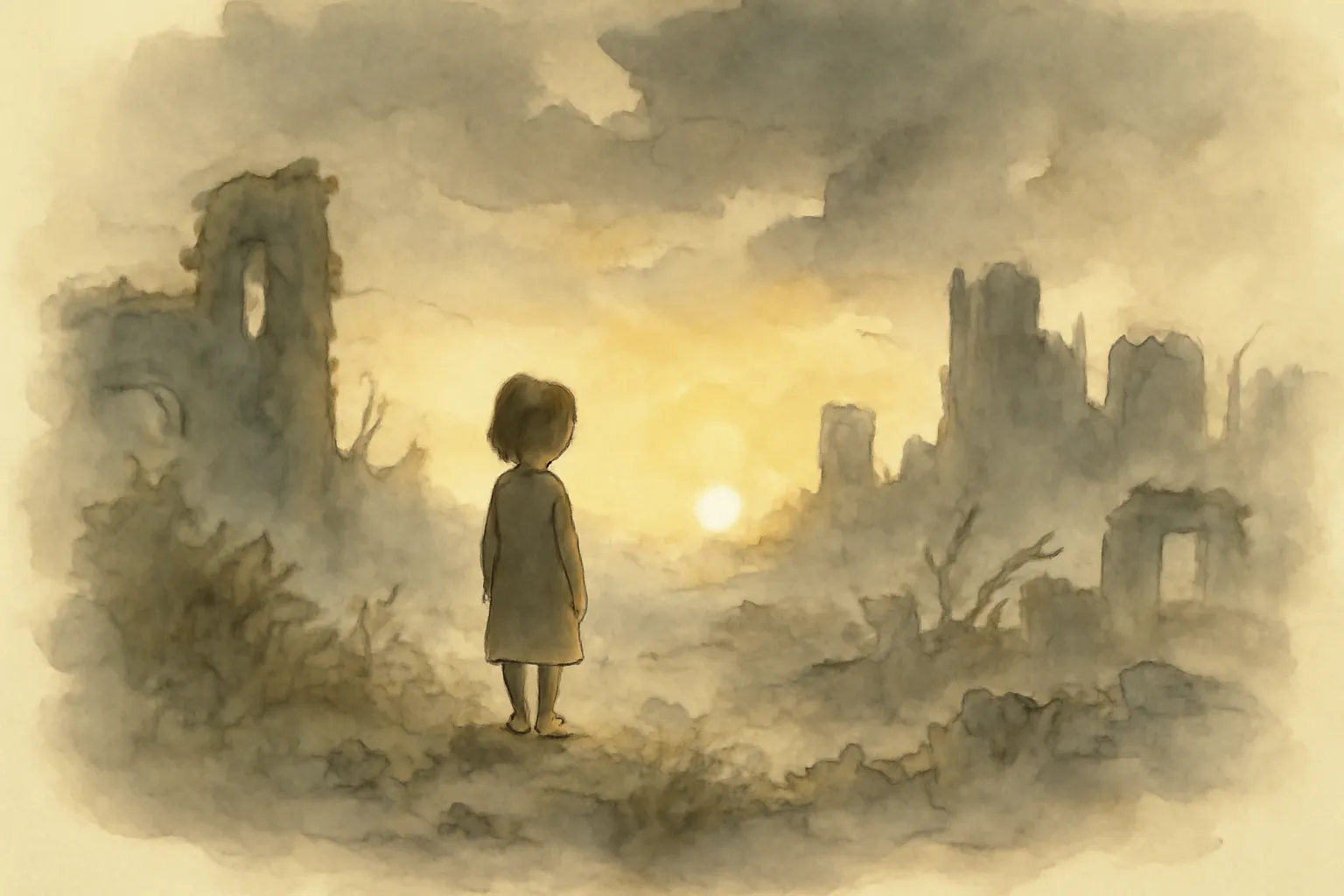
At the core of the novel is the question of what makes someone truly human. Melanie, though infected with a fungus that has turned most people into mindless 'hungries,' possesses intelligence, self-awareness, and the capacity for love. The story challenges readers to reconsider the boundaries of humanity, especially when survival and empathy are at odds. Through Melanie and her relationships, the book explores the possibility that humanity is defined less by biology and more by moral choices and emotional connections.
2.Science and Ethics in Crisis
The book delves deeply into the ethics of scientific research during catastrophe. Dr. Caldwell represents the cold, utilitarian approach, willing to sacrifice individuals for the greater good, while Miss Justineau embodies compassion and the prioritization of individual dignity. Their conflict over Melanie’s fate raises questions about the costs and limits of scientific progress, especially when the subjects are sentient beings. The novel refuses easy answers, forcing readers to grapple with the moral ambiguity of survival.
3.The Child’s Perspective
Narrating much of the story through Melanie’s eyes, Carey uses her innocence and curiosity to heighten the horror and poignancy of the world. Melanie’s limited understanding of her condition and the adults’ motives creates a powerful tension. Her perspective invites readers to empathize with the 'other,' making the monstrous both familiar and sympathetic. This viewpoint also allows the story to explore themes of growth, self-discovery, and the loss of innocence in a world gone wrong.
4.The Nature of Monsters
The Girl with All the Gifts blurs the line between monster and victim. The 'hungries' are not evil by choice, and the supposed protectors of humanity often act with brutality and prejudice. The novel suggests that monstrosity lies not in infection or difference, but in the choices individuals make under pressure. By humanizing the infected children and exposing the darkness in the uninfected, Carey subverts the typical zombie narrative and asks readers to reconsider their assumptions about good and evil.
5.Hope and Evolution
Rather than focusing solely on survival or restoration of the old world, the novel explores the potential for a new beginning. Melanie’s existence represents a possible evolutionary leap—a fusion of old and new, human and hungry. The ending suggests that hope may not lie in returning to what was lost, but in embracing change and the unknown. This theme resonates with broader questions about adaptation, coexistence, and the future of humanity in the face of irreversible change.
6.Parenthood and Sacrifice
The surrogate mother-daughter relationship between Miss Justineau and Melanie is a central emotional thread. Their bond is tested by external threats and internal dilemmas, highlighting the power of love and the pain of necessary sacrifice. Through their dynamic, the novel explores how parental love can inspire both selflessness and difficult choices, and how the next generation may inherit a world shaped by the sacrifices of those who came before.