1.The Illusion of Utopia
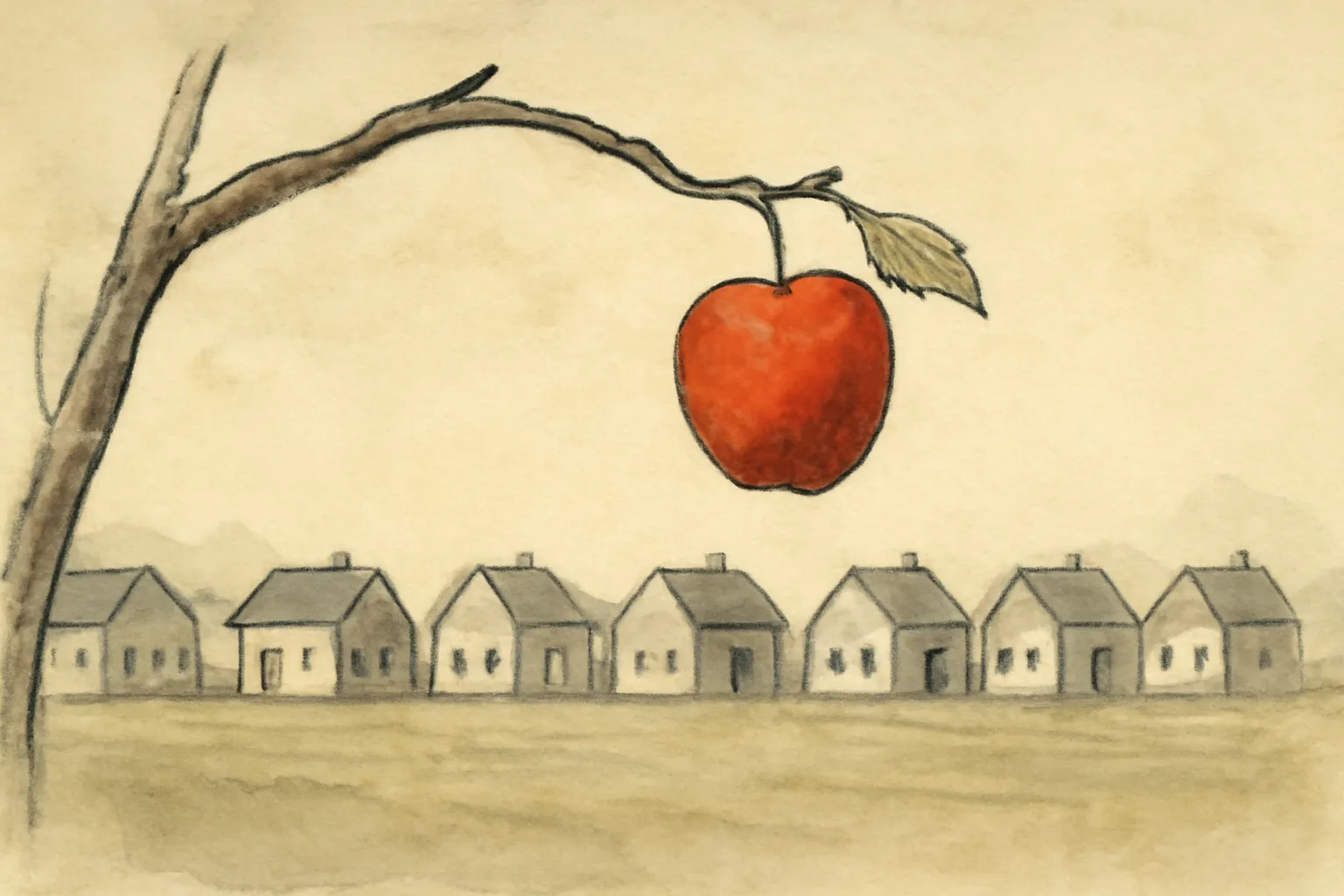
Jonas’s community appears perfect: no war, no hunger, no pain. But this order is achieved by erasing memories and suppressing emotion, revealing that utopia may require sacrificing essential parts of humanity. The book challenges readers to consider whether a painless existence is truly desirable if it comes at the cost of individuality, depth, and authentic experience. The society’s stability is exposed as fragile, built on ignorance and denial.
2.Memory as the Root of Wisdom
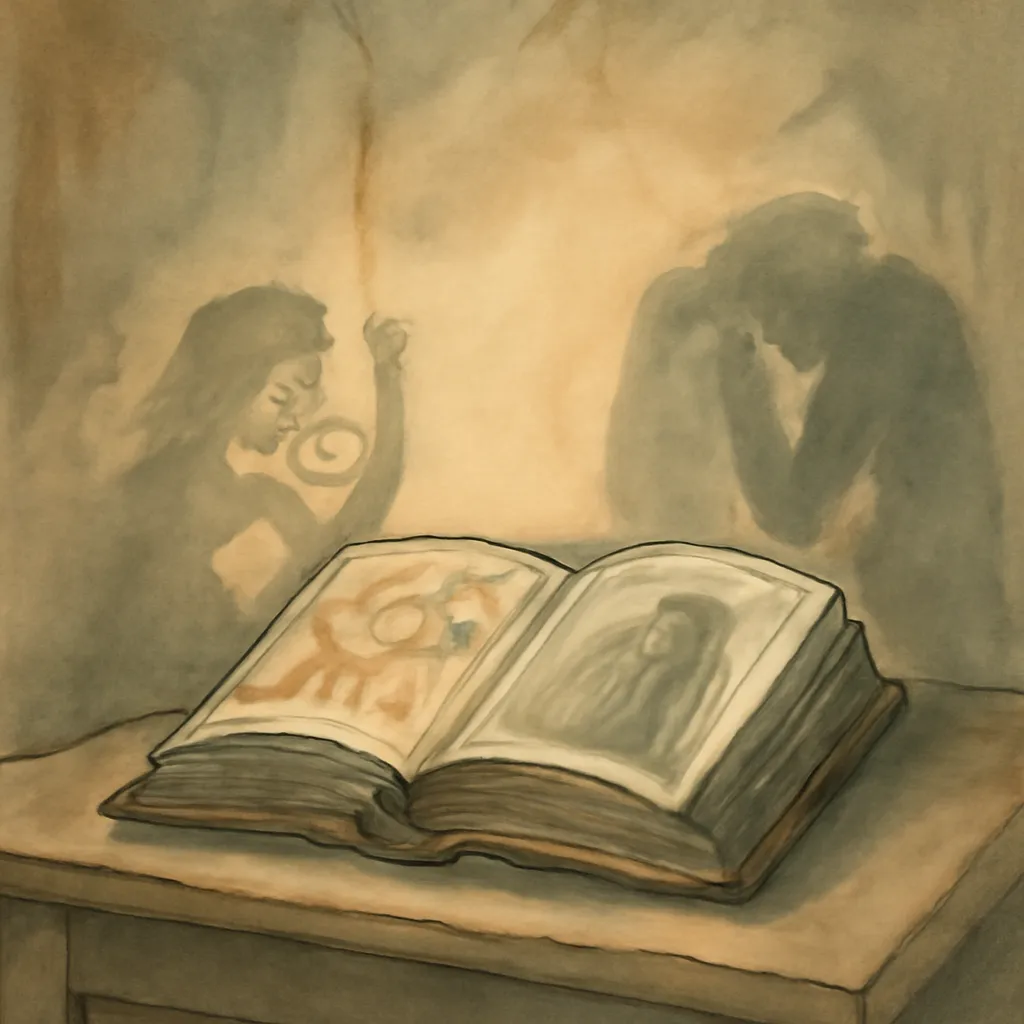
Only The Giver holds the community’s collective memories—both joyful and traumatic. As Jonas receives these memories, he realizes that true wisdom comes from understanding the full spectrum of human experience. The story suggests that pain and pleasure are inseparable, and that memory is crucial for empathy, growth, and decision-making. Without memory, society loses its moral compass and capacity for genuine feeling.
3.The Cost of Conformity
The community’s strict rules enforce sameness, eliminating choice in everything from careers to family structure. Jonas’s awakening exposes the dangers of valuing conformity over individuality. The novel critiques systems that prioritize uniformity and predictability at the expense of personal freedom and diversity, warning that such control can quietly erode what makes us human.
4.The Role of Emotion
Emotions in Jonas’s world are dulled by medication and social norms. As he experiences real feelings through memories, Jonas understands the richness and necessity of emotion—even when it brings pain. The book argues that love, grief, and joy are essential for meaningful relationships and self-understanding. Suppressing emotion, it suggests, leads to a shallow, disconnected existence.
5.The Burden and Gift of Knowledge
Jonas’s role as Receiver isolates him, burdening him with truths others are shielded from. The novel explores how knowledge can be both a heavy responsibility and a powerful force for change. Jonas’s journey raises questions about who gets to decide what others know, and whether ignorance is ever justified. Ultimately, the story champions the courage to face uncomfortable truths.
6.Choice and Moral Agency
Jonas’s realization that his society lacks real choice becomes a turning point. The book emphasizes that moral agency—making meaningful decisions—is fundamental to being human. By reclaiming his ability to choose, Jonas asserts his individuality and challenges the ethical foundations of his world.