1.Fragmentation of the Self
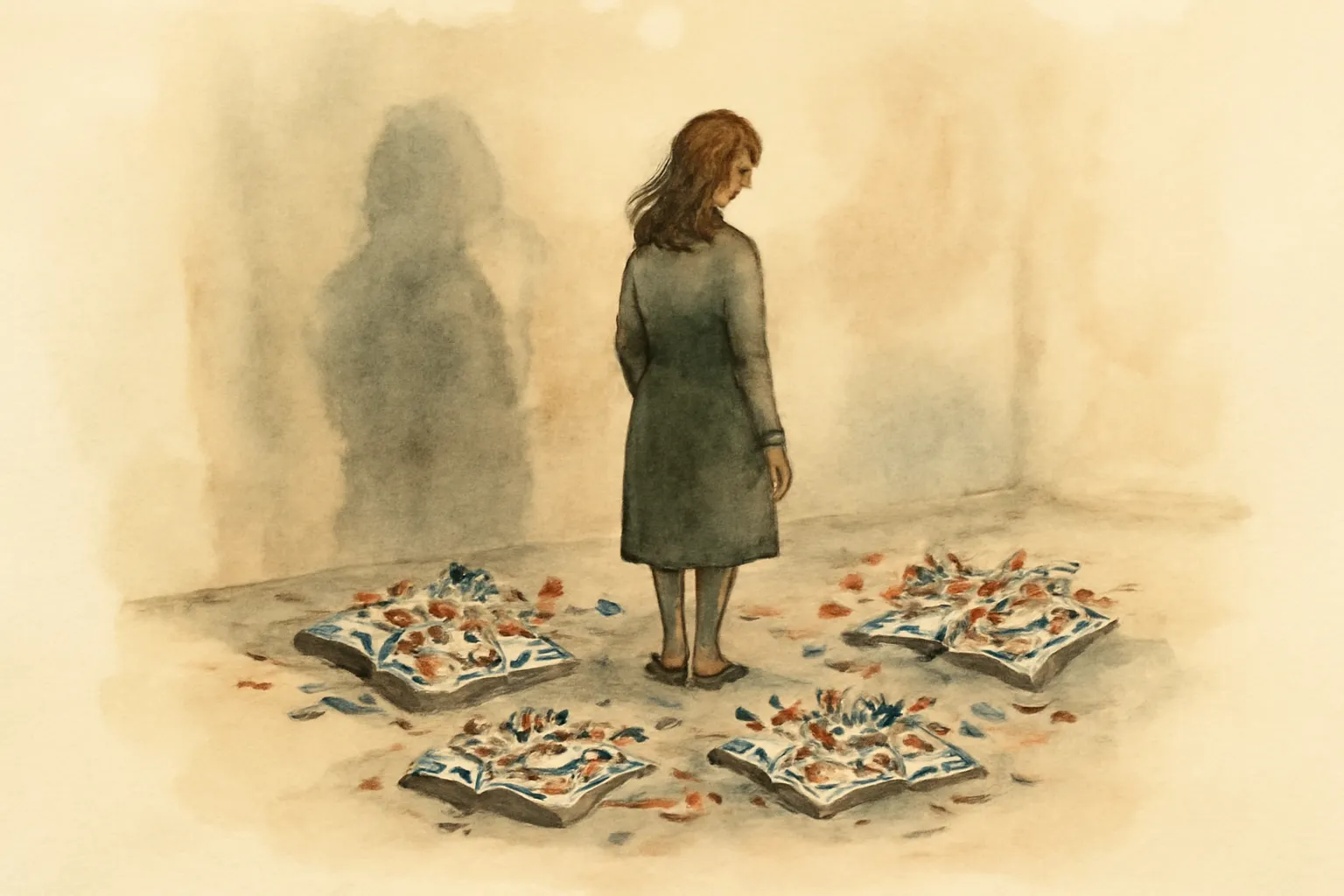
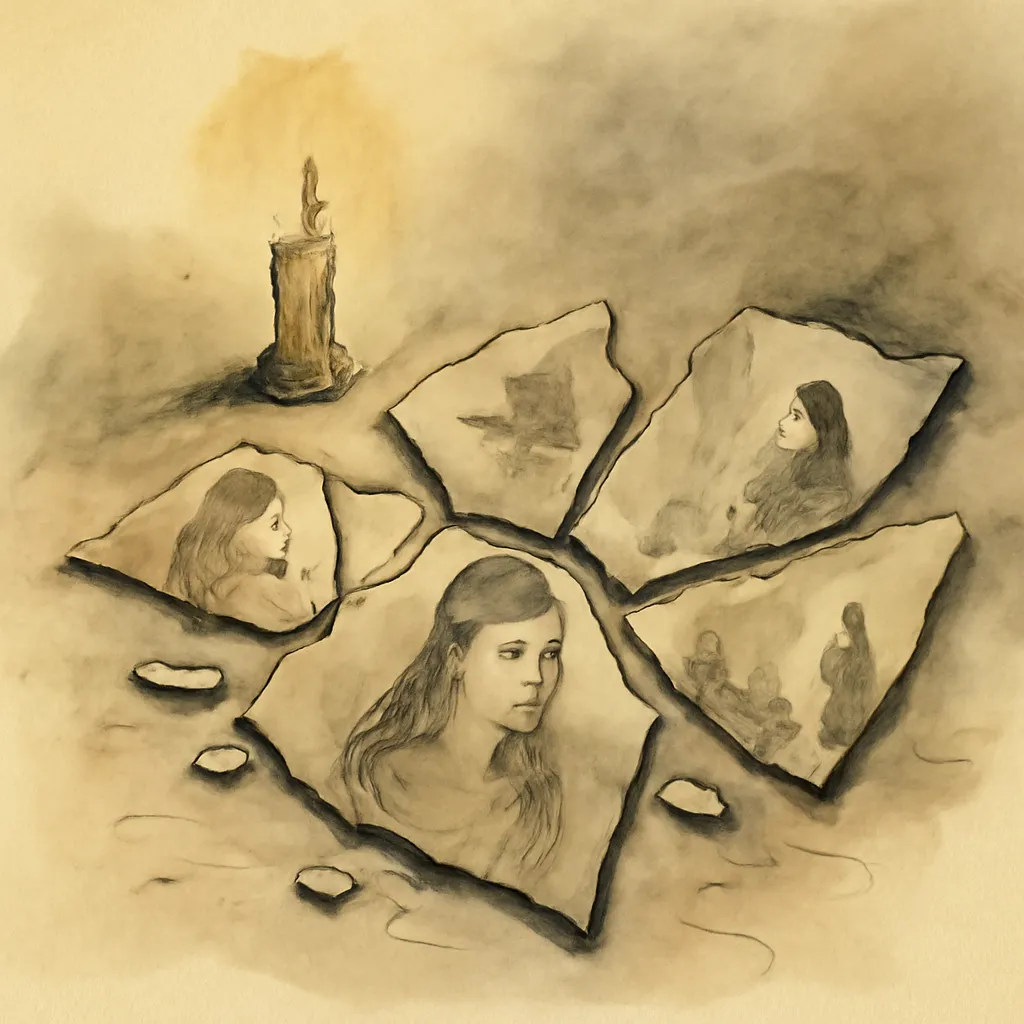
Lessing structures the novel around Anna’s four notebooks—black, red, yellow, and blue—each representing a different aspect of her life: her writing, politics, emotions, and daily events. This fragmentation mirrors Anna’s struggle to reconcile the conflicting parts of her identity as a woman, mother, lover, and political activist. The eventual attempt to unify these strands in the 'golden notebook' reflects a search for wholeness in a world that encourages compartmentalization, especially for women.
2.Women’s Liberation and Gender Roles
Written before the crest of second-wave feminism, The Golden Notebook is often hailed as a feminist classic. Lessing exposes the limitations and contradictions imposed on women by both society and themselves. Anna’s relationships, her ambivalence toward motherhood, and her creative ambitions reveal the pressures and double standards women face, making the novel resonate with readers questioning traditional gender roles.
3.Political Disillusionment
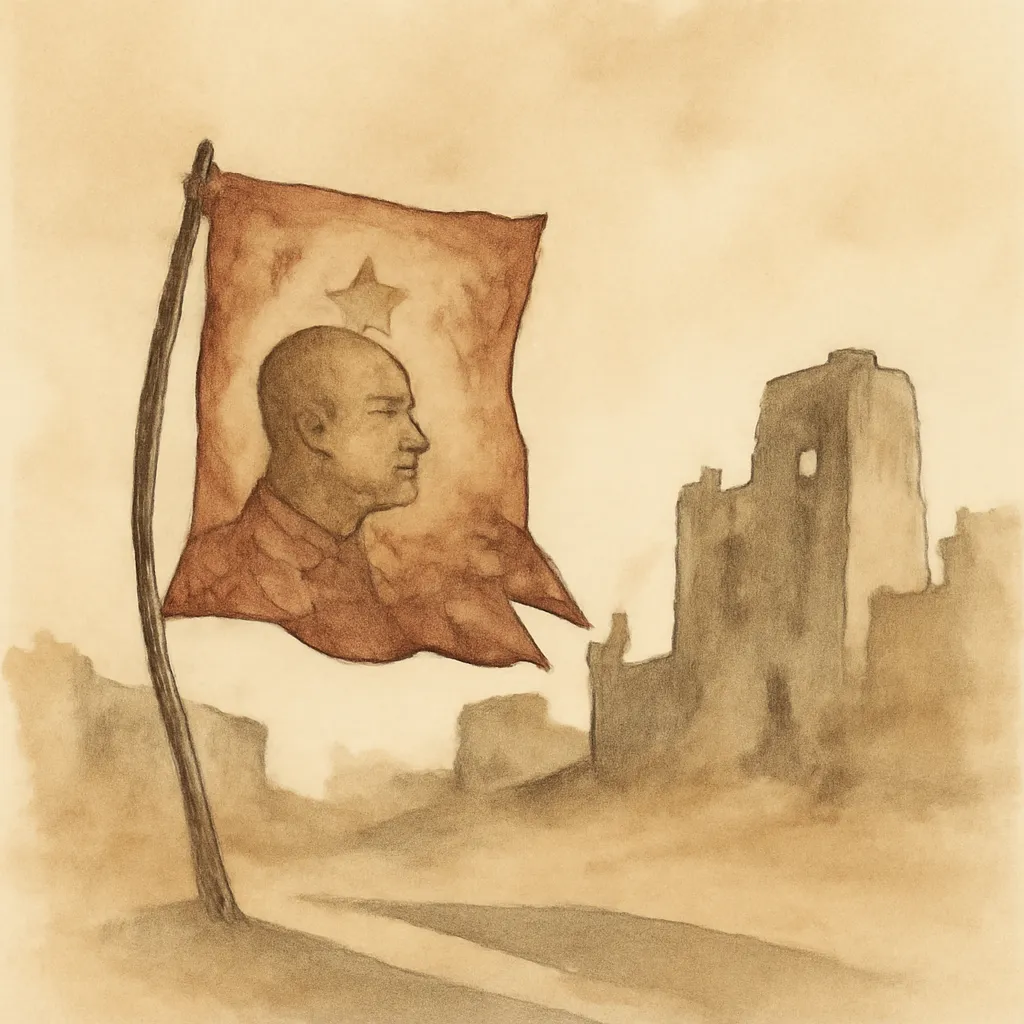
Anna’s involvement with the Communist Party and her growing disillusionment with leftist politics reflect the broader sense of ideological crisis in the postwar era. Lessing uses Anna’s political journey to examine the dangers of dogmatism and the personal cost of ideological commitment. The novel interrogates the gap between political ideals and lived reality, showing how such dissonance can lead to cynicism and paralysis.
4.Mental Health and Breakdown
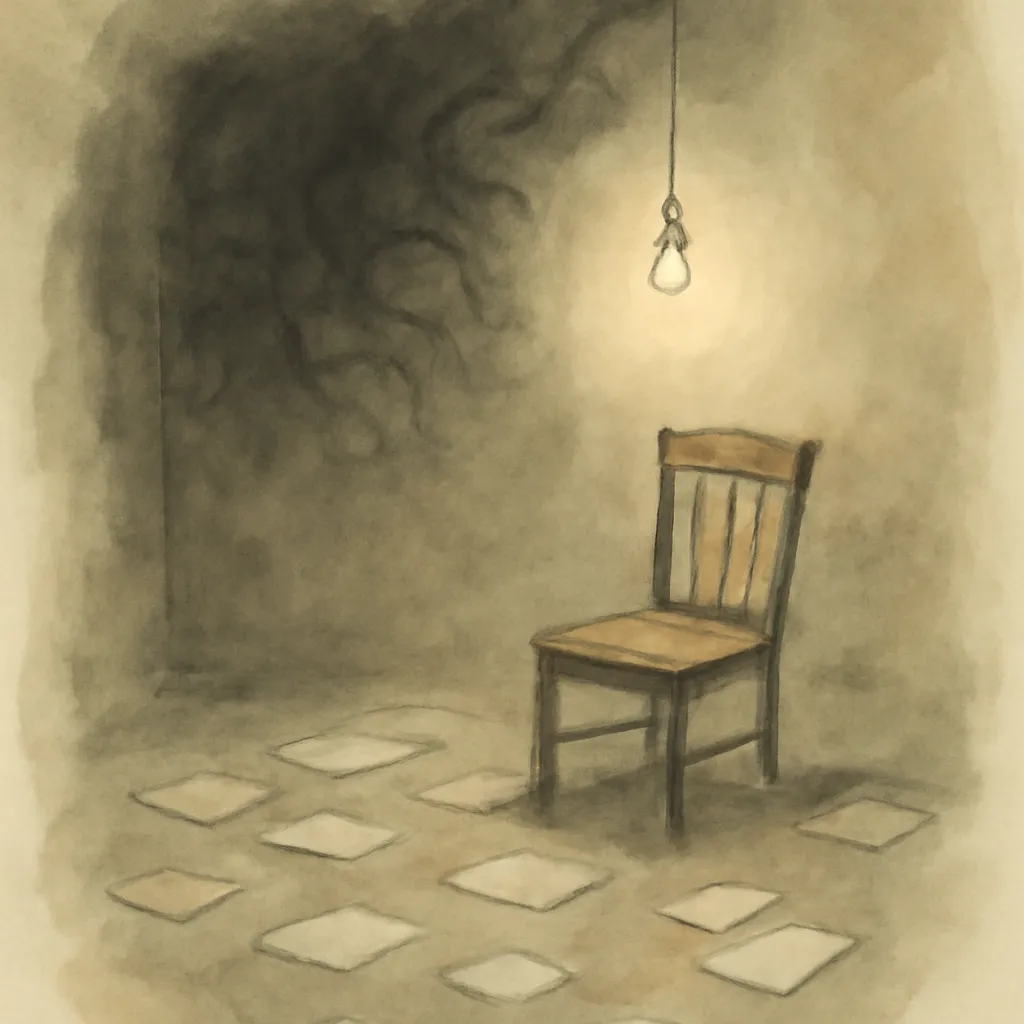
Anna’s psychological struggles—her sense of fragmentation, depression, and eventual breakdown—are depicted with rare candor. Lessing explores how societal pressures, creative frustration, and personal trauma can converge to threaten one’s sanity. The novel’s structure itself mimics the experience of mental disintegration, challenging readers to consider the thin line between breakdown and breakthrough.
5.The Nature of Truth and Storytelling
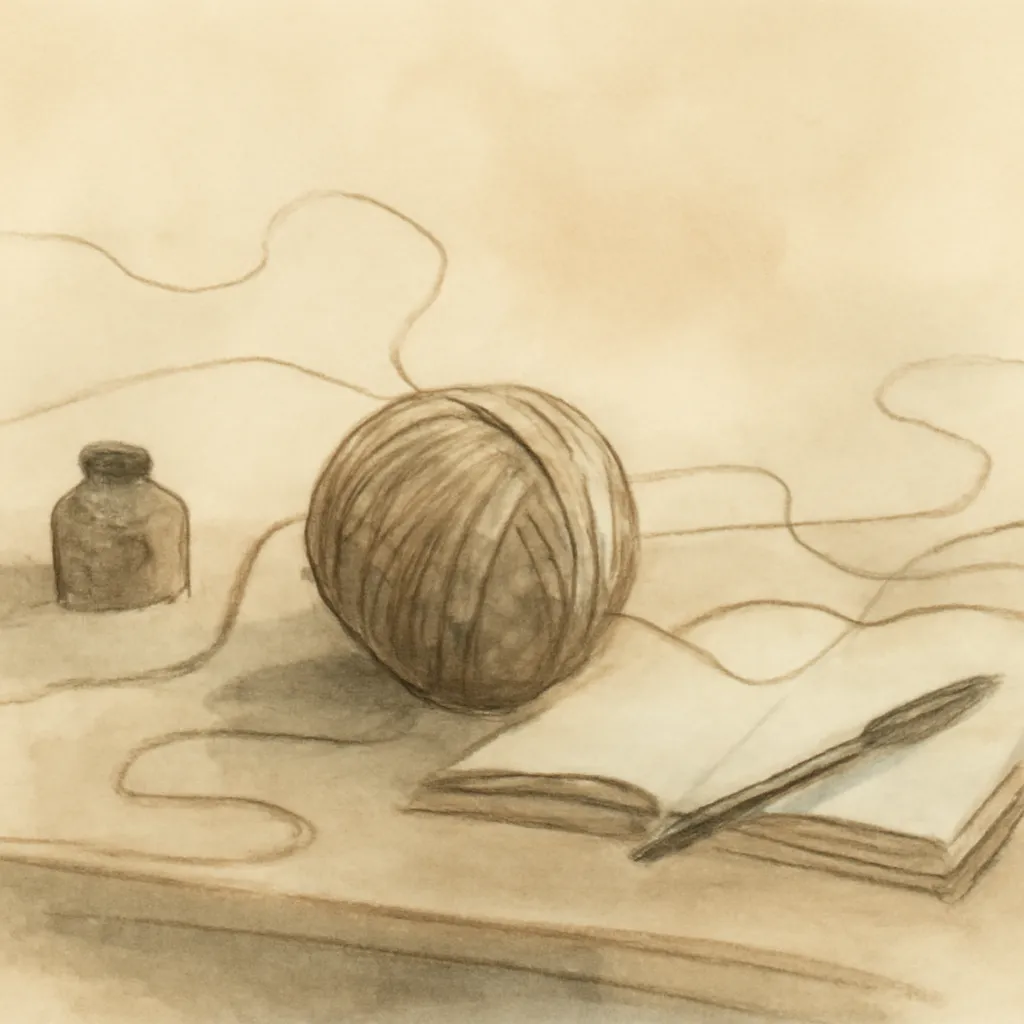
The Golden Notebook is as much about writing as it is about living. Anna’s attempts to record her life honestly are constantly undermined by memory, self-censorship, and the unreliability of narrative. Lessing raises questions about whether it is possible to tell the whole truth about oneself, or whether all stories are necessarily fragmented and incomplete.
6.Art, Creativity, and Censorship
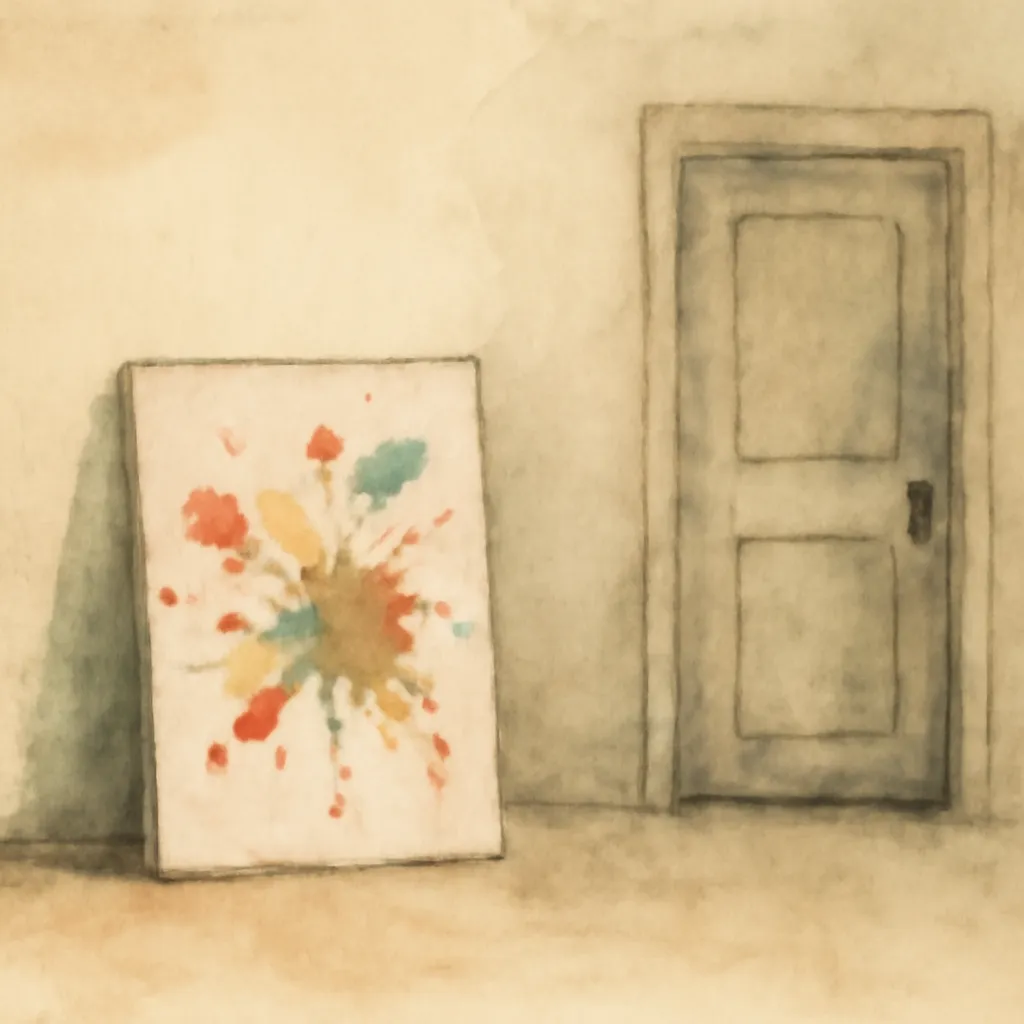
Anna’s creative block and her struggles with the publishing world highlight the challenges faced by women writers in a male-dominated literary culture. The novel interrogates the relationship between art and life, and the ways in which external pressures—political, social, psychological—shape what can be written and published.