London (England) · Diaries · Women novelists
The Golden Notebook by Doris Lessing — Summary, Key Ideas & Quotes
1962592 pages✦ 3-min Big ideas★ 2.9 (10)
Rate it
The story of the inner and outer life of Anna, a young writer, single mother and member of the Communist Party, struggling with crises both in her domestic and political life, this book was hailed as a landmark by the Women's Movement.
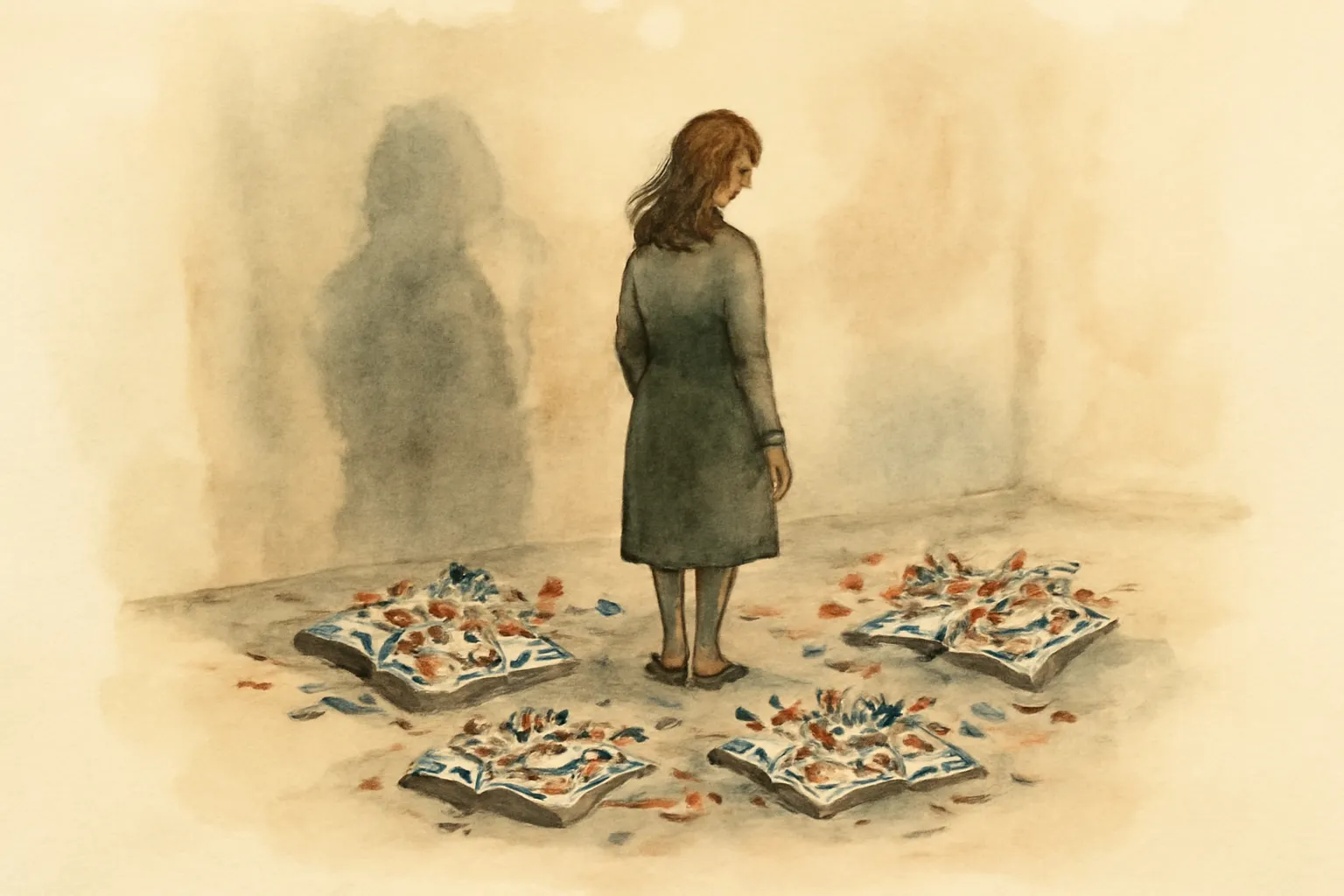
Lessing structures the novel around Anna’s four notebooks—black, red, yellow, and blue—each representing a different aspect of her life: her writing, politics, emotions, and daily events. This fragmentation mirrors Anna’s struggle to reconcile the conflicting parts of her identity as a woman, mother, lover, and political activist. The eventual attempt to unify these strands in the 'golden notebook' reflects a search for wholeness in a world that encourages compartmentalization, especially for women.
Written before the crest of second-wave feminism, The Golden Notebook is often hailed as a feminist classic. Lessing exposes the limitations and contradictions imposed on women by both society and themselves. Anna’s relationships, her ambivalence toward motherhood, and her creative ambitions reveal the pressures and double standards women face, making the novel resonate with readers questioning traditional gender roles.
“What's terrible is to pretend that the second-rate is first-rate. To pretend that you don't need love when you do.”
“I do not think men and women are very different. They may have different bodies, but they have the same emotions.”
“There is no doubt fiction makes a better job of the truth.”