
English fiction · Fiction · Fiction in English
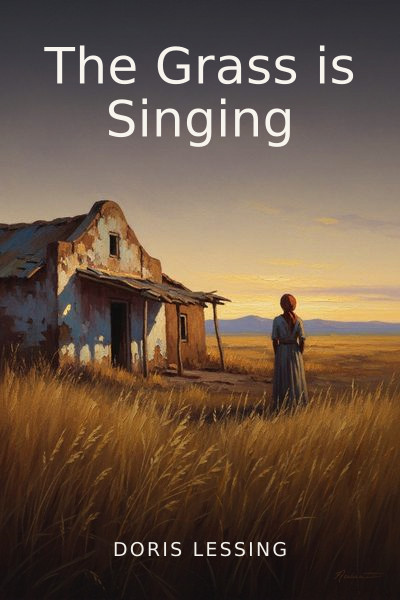
The Grass is Singing by Doris Lessing — Summary, Key Ideas & Quotes
1950245 pages✦ 3-min Big ideas★ 3.7 (3)
Rate it
like it
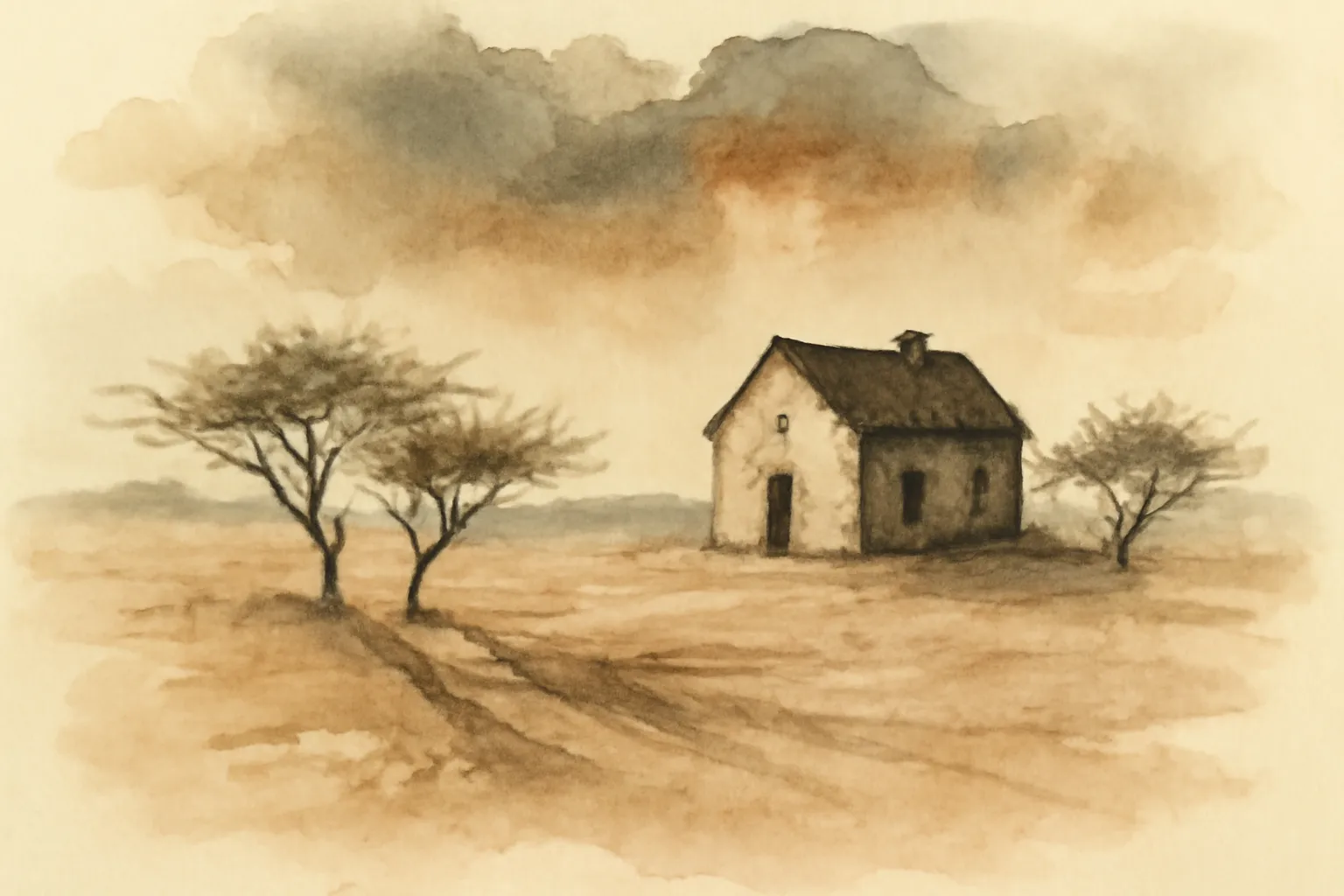
Set in 1940s Southern Rhodesia (now Zimbabwe), the novel exposes the entrenched racial hierarchies of colonial society. Lessing dissects how white settlers maintain dominance over Black Africans through systemic oppression, violence, and psychological distance. The story’s tragic events highlight not only the cruelty of the system but also the ways in which it dehumanizes everyone involved, both oppressor and oppressed.
Mary Turner, the protagonist, is profoundly isolated—emotionally, socially, and culturally. Her inability to connect with her husband, the local community, or the African workers underscores the psychic toll of living in a world defined by rigid boundaries. Lessing masterfully portrays how loneliness and fear can warp perception and behavior, leading to destructive choices.
“The house was silent. The heat, the silence, the loneliness—these were the things that had driven her.”
“It is by the failures and misfits of a civilization that one can best judge its weaknesses.”
