1.Colonial Power and Racial Division
Set in 1940s Southern Rhodesia (now Zimbabwe), the novel exposes the entrenched racial hierarchies of colonial society. Lessing dissects how white settlers maintain dominance over Black Africans through systemic oppression, violence, and psychological distance. The story’s tragic events highlight not only the cruelty of the system but also the ways in which it dehumanizes everyone involved, both oppressor and oppressed.
2.Psychological Isolation and Alienation
Mary Turner, the protagonist, is profoundly isolated—emotionally, socially, and culturally. Her inability to connect with her husband, the local community, or the African workers underscores the psychic toll of living in a world defined by rigid boundaries. Lessing masterfully portrays how loneliness and fear can warp perception and behavior, leading to destructive choices.
3.Gender and Patriarchy
The novel interrogates not only racial but also gendered power. Mary’s life is shaped by expectations of femininity and marriage, yet she finds herself trapped and unfulfilled. Her struggles with domesticity and her fraught relationship with her husband, Dick, reveal the limited roles available to women and the psychological consequences of failing to conform.
4.The Land as Both Setting and Symbol
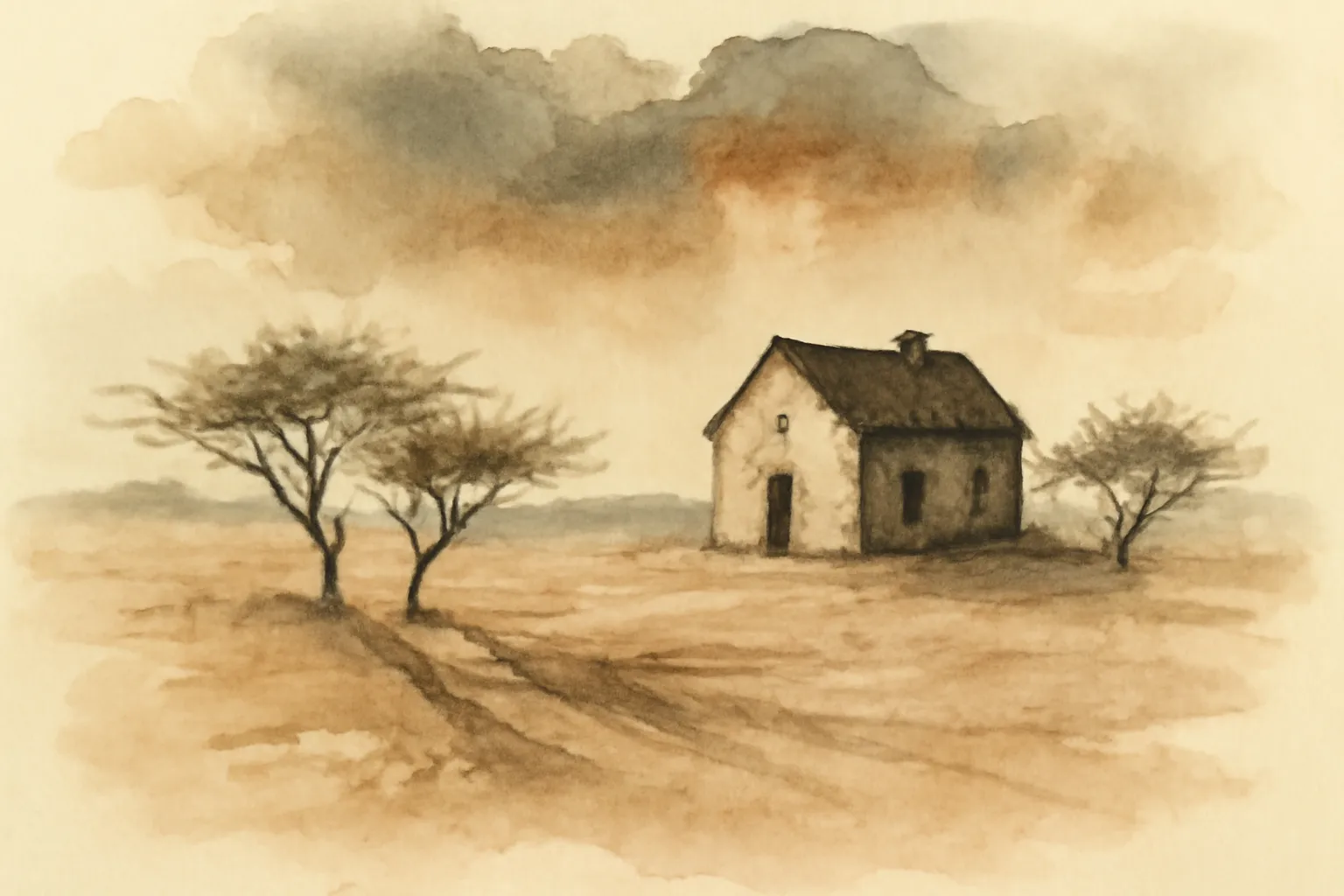
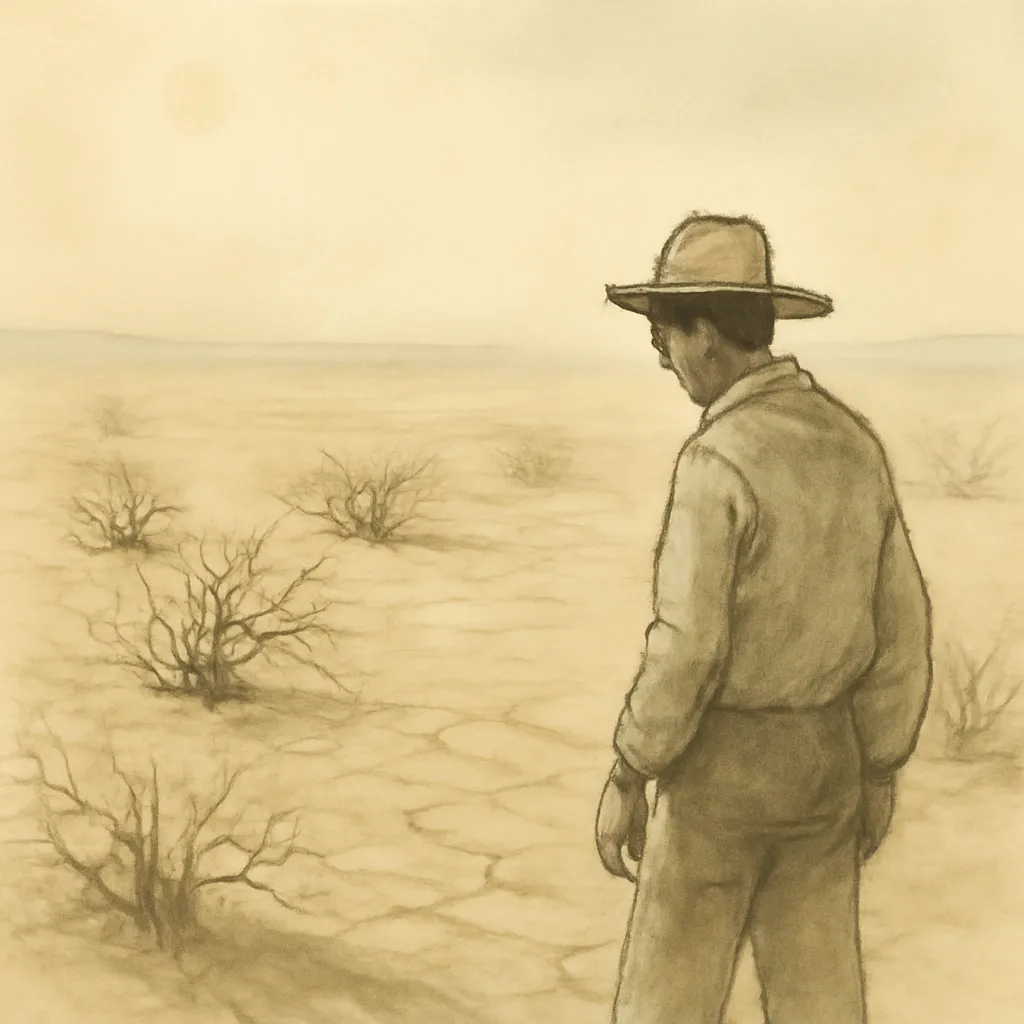
The harsh, unforgiving African landscape is more than a backdrop—it reflects and amplifies the characters’ inner turmoil. The land’s resistance to cultivation mirrors the failure of the Turners’ marriage and the broader colonial project. Lessing uses the environment to evoke a sense of futility and alienation, making the setting integral to the novel’s mood and message.
5.Violence and the Breaking Point
The novel builds inexorably toward violence, suggesting that the social order’s repression and denial cannot hold indefinitely. The climactic act is both a personal and societal rupture, exposing the fragility of the structures that keep people apart. Lessing’s narrative warns that unresolved tensions—racial, personal, or otherwise—will eventually erupt.
6.Ambiguity and Moral Complexity
Lessing resists easy answers or moral binaries. Characters are neither wholly sympathetic nor villainous; instead, they are shaped by circumstances, history, and fear. This complexity invites readers to grapple with uncomfortable truths about complicity, victimhood, and the human capacity for both cruelty and empathy.