1.The Weight of Loss and Trauma
At its core, The Goldfinch is a meditation on grief and the long shadow it casts. Theo's life is shaped by the sudden, violent loss of his mother, a trauma that reverberates through every relationship and decision he makes. Tartt explores how loss can become both a wound and a defining feature of identity, driving people to seek solace in unhealthy attachments, substances, or objects. The novel asks whether healing is possible, or if some losses are simply woven into the fabric of who we become.
2.Art as Salvation and Obsession
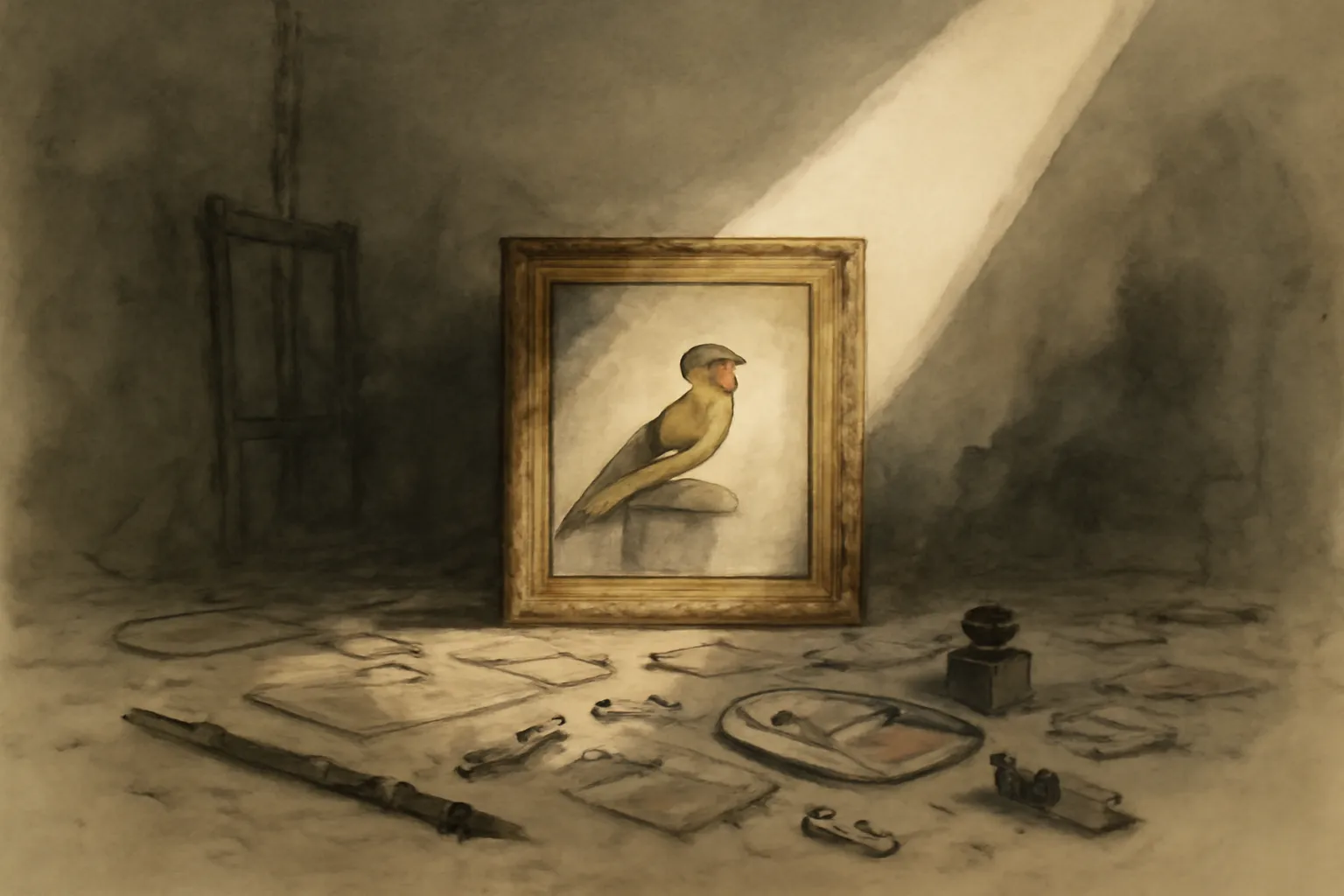
The titular painting, Carel Fabritius’s 'The Goldfinch,' becomes a symbol of beauty, hope, and burden for Theo. Art offers him a lifeline—a tangible connection to his lost mother and a source of meaning in a chaotic world. Yet, it also becomes a source of guilt and obsession, pulling him into the criminal underworld. Tartt suggests that art can both save and endanger us, and that our attachments to beautiful things are often fraught with complexity.
3.Identity, Alienation, and Belonging
Theo’s journey is marked by a sense of displacement—first as an orphan, then as a guest in a wealthy household, and later as a drifter between cultures and classes. The novel delves into the ways we seek belonging, whether through friendships, romantic attachments, or subcultures. Theo’s relationships—with the Barbours, with Boris, with Pippa—highlight the human need for connection, even as he struggles with profound alienation.
4.Moral Ambiguity and the Nature of Goodness
Tartt refuses to draw clear lines between right and wrong. Theo’s actions—stealing, lying, and enabling crime—are driven by desperation and love as much as by self-interest. The novel challenges readers to consider the gray areas of morality, especially when survival and loyalty are at stake. It asks whether good intentions can justify questionable choices, and what it means to act ethically in a flawed world.
5.The Persistence of Beauty Amid Chaos
Despite the darkness that permeates Theo’s life, The Goldfinch insists on the enduring value of beauty. The painting, fragile yet resilient, becomes a metaphor for hope and endurance. Tartt’s lush, evocative prose celebrates the small moments of grace and wonder that persist even in the bleakest circumstances, suggesting that beauty can offer comfort and meaning when little else can.
6.Fate, Chance, and the Search for Meaning
Theo’s life is shaped by random events—a terrorist attack, a chance meeting, a stolen painting—raising questions about fate and free will. The novel explores how people construct meaning from chaos, and whether our lives are governed by destiny or by the choices we make in response to unpredictable events. Tartt invites readers to reflect on the role of luck, coincidence, and personal agency in shaping who we become.