1.Satire of War and Authority
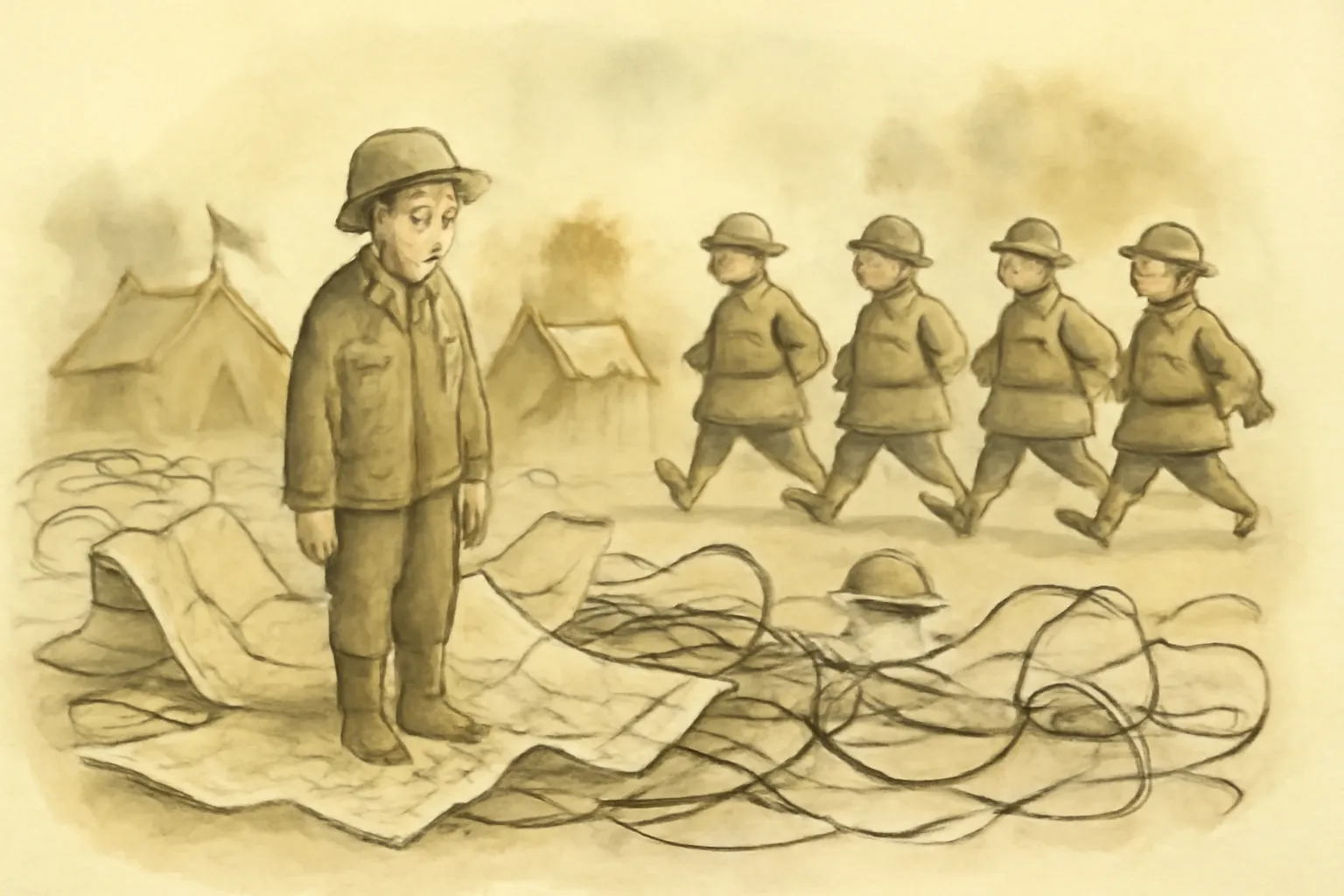
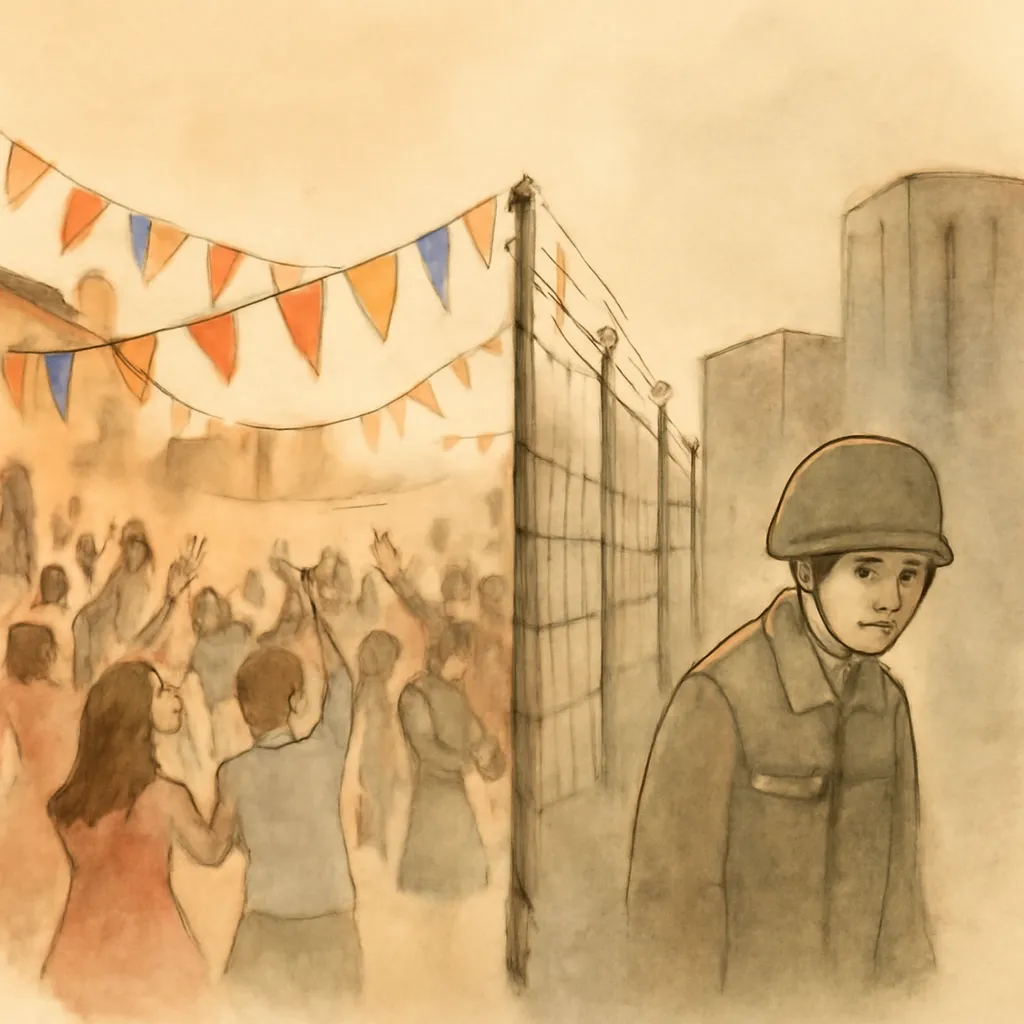
Hašek’s novel is a masterclass in satirizing the military and bureaucratic systems that underpin war. Through Švejk’s misadventures, the book exposes the incompetence, hypocrisy, and absurdity of those in power. Orders are nonsensical, officers are self-important, and the machinery of war is shown to be as much about confusion and bluster as about strategy or heroism. The novel relentlessly mocks the idea that war is noble or rational, suggesting instead that it is a theater of the absurd, propped up by blind obedience and inept leadership.
2.Ambiguity of Švejk’s Character
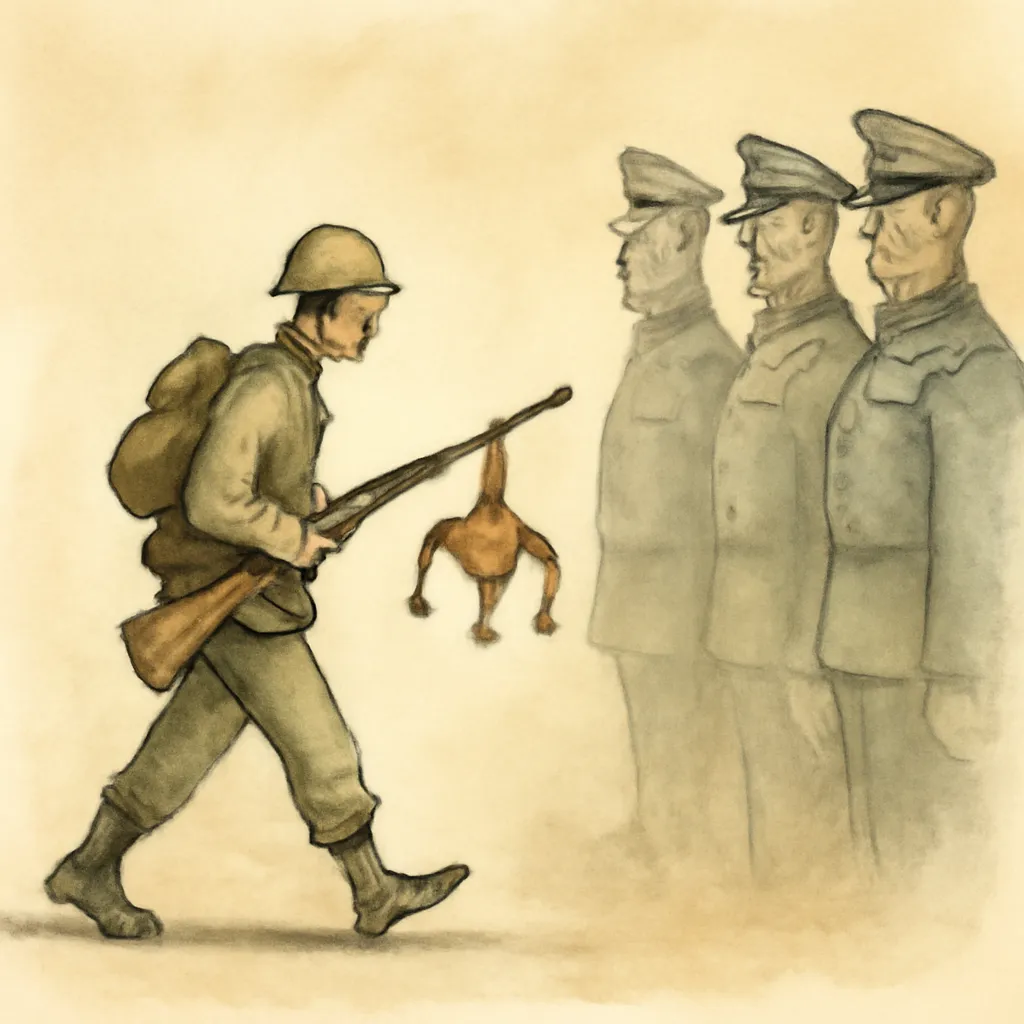
Is Švejk truly simple-minded, or is his naivety a clever mask? This ambiguity is central to the novel’s enduring appeal. Švejk’s literal interpretations of orders and his relentless good cheer can be read as either genuine foolishness or as a subtle form of resistance. By playing the fool, he exposes the foolishness of those around him. Hašek leaves it up to the reader to decide whether Švejk is a victim of the system or its sly subverter, making him an unforgettable and enigmatic protagonist.
3.The Power of Humor as Resistance
Laughter is Švejk’s weapon against the madness of war. The novel uses humor not just for entertainment, but as a form of survival and subversion. By making light of even the most dire situations, Švejk undermines the seriousness with which authority figures take themselves. This comic approach allows both character and reader to maintain a sense of autonomy and sanity in the face of overwhelming absurdity.
4.Critique of Nationalism and Empire
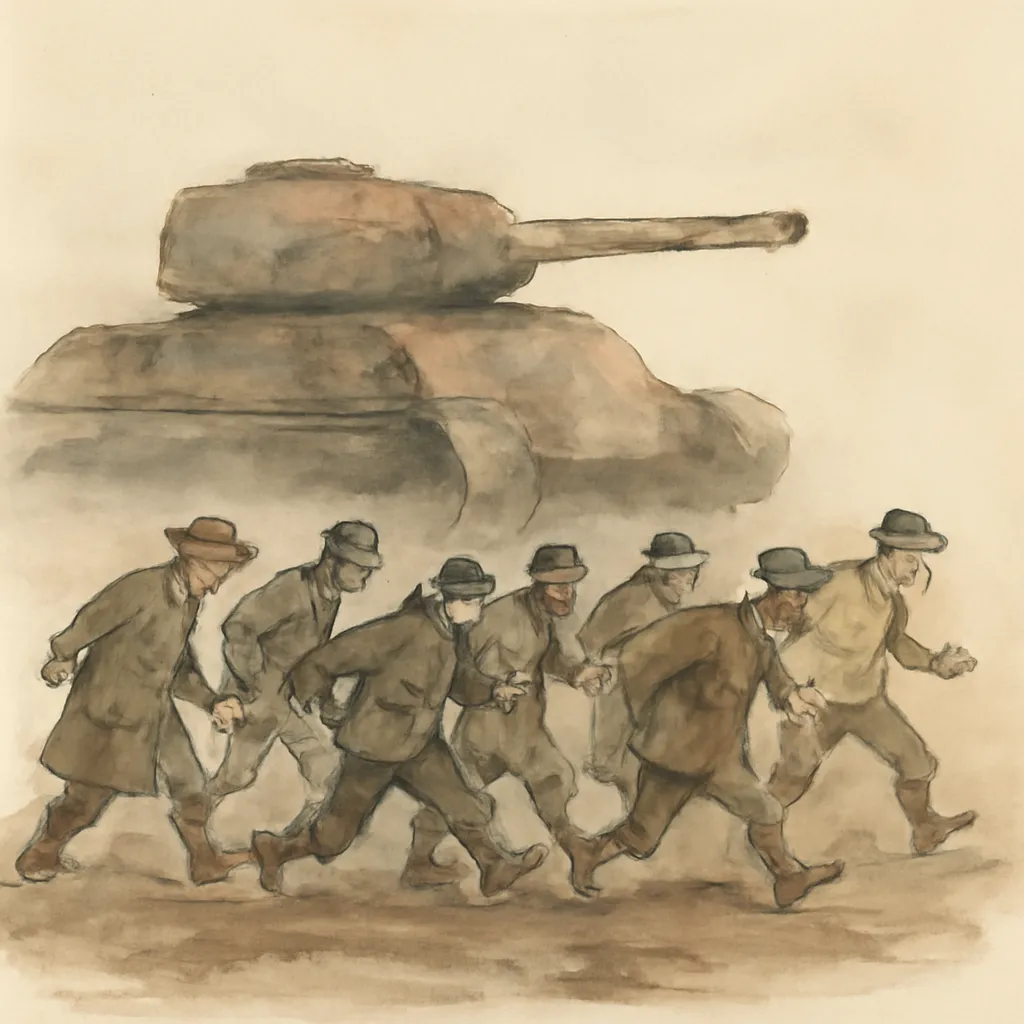
Set in the multi-ethnic Austro-Hungarian Empire, the book highlights the confusion and contradictions of a society held together by force and bureaucracy. National identities are muddled, and loyalty is often a matter of paperwork rather than conviction. Hašek pokes fun at the idea of patriotic duty, showing how it is manipulated by those in power and how ordinary people are caught in its crossfire.
5.Endless Digressions and Storytelling
The narrative is famously digressive, with Švejk and other characters constantly launching into anecdotes and side stories. These tangents serve to satirize the inefficiency of bureaucracy and the chaos of war, but they also create a rich tapestry of voices and experiences. The storytelling style itself becomes a way of resisting the order and discipline that the military tries to impose.
6.Unfinished Nature and Its Implications
The novel is famously unfinished, ending abruptly as Hašek died before completing it. This lack of resolution mirrors the chaos and lack of closure in the war itself. Readers are left with a sense that the absurdity continues indefinitely, reinforcing the book’s central message that the systems it mocks are endless and self-perpetuating.