1.The Burden of Legacy
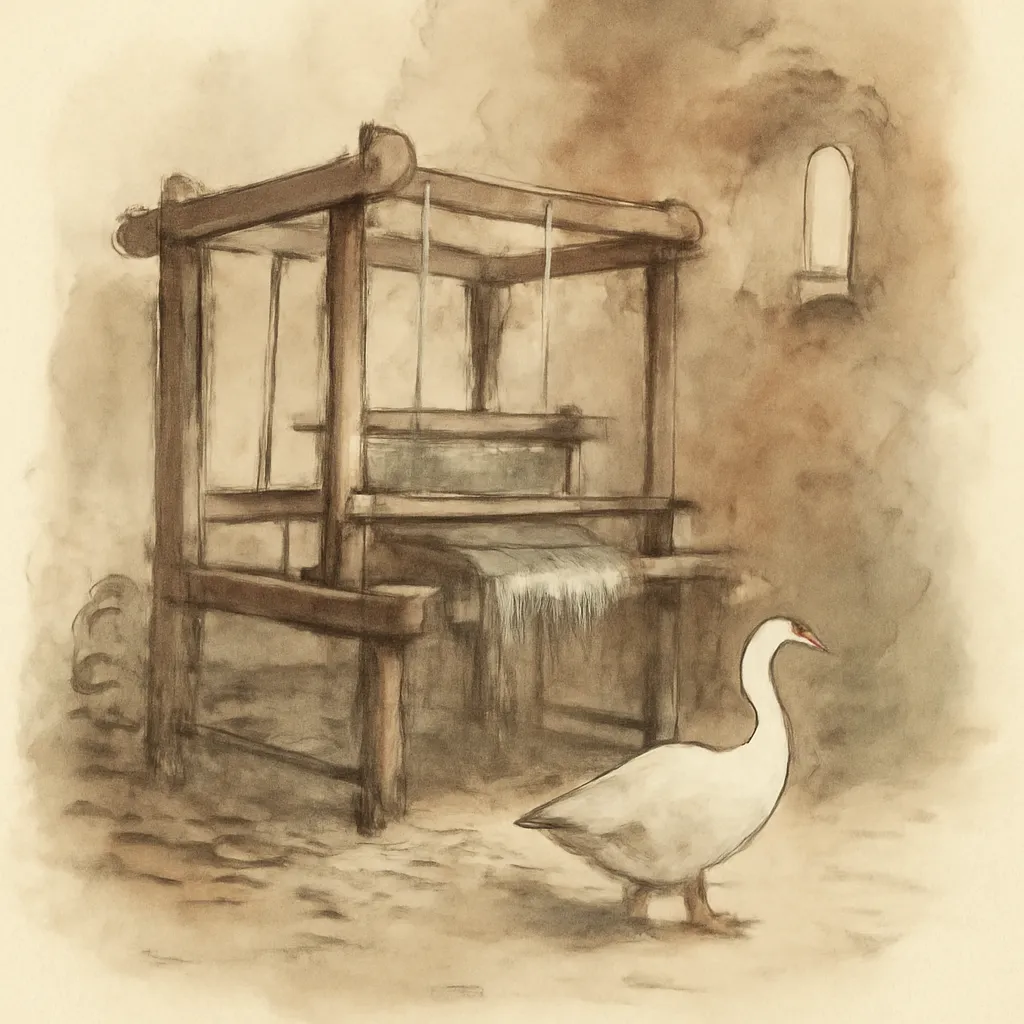
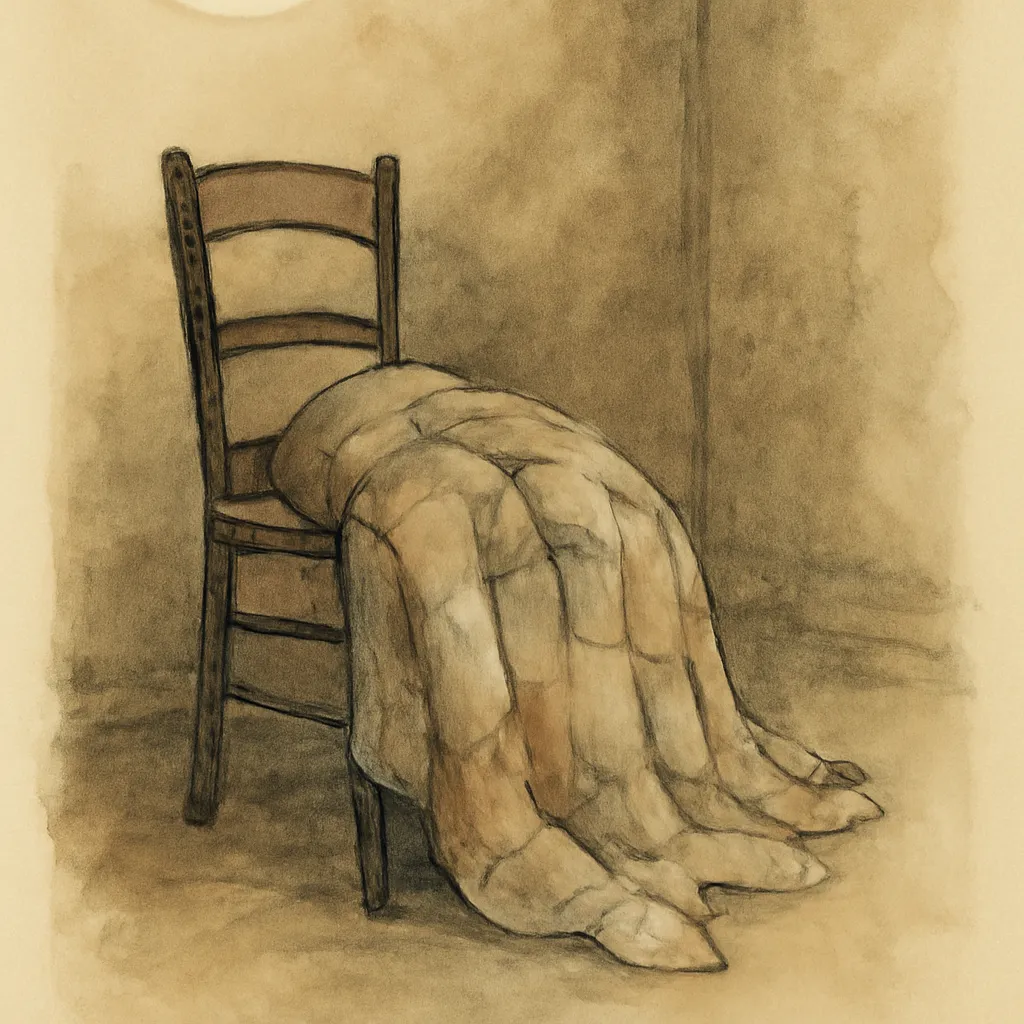
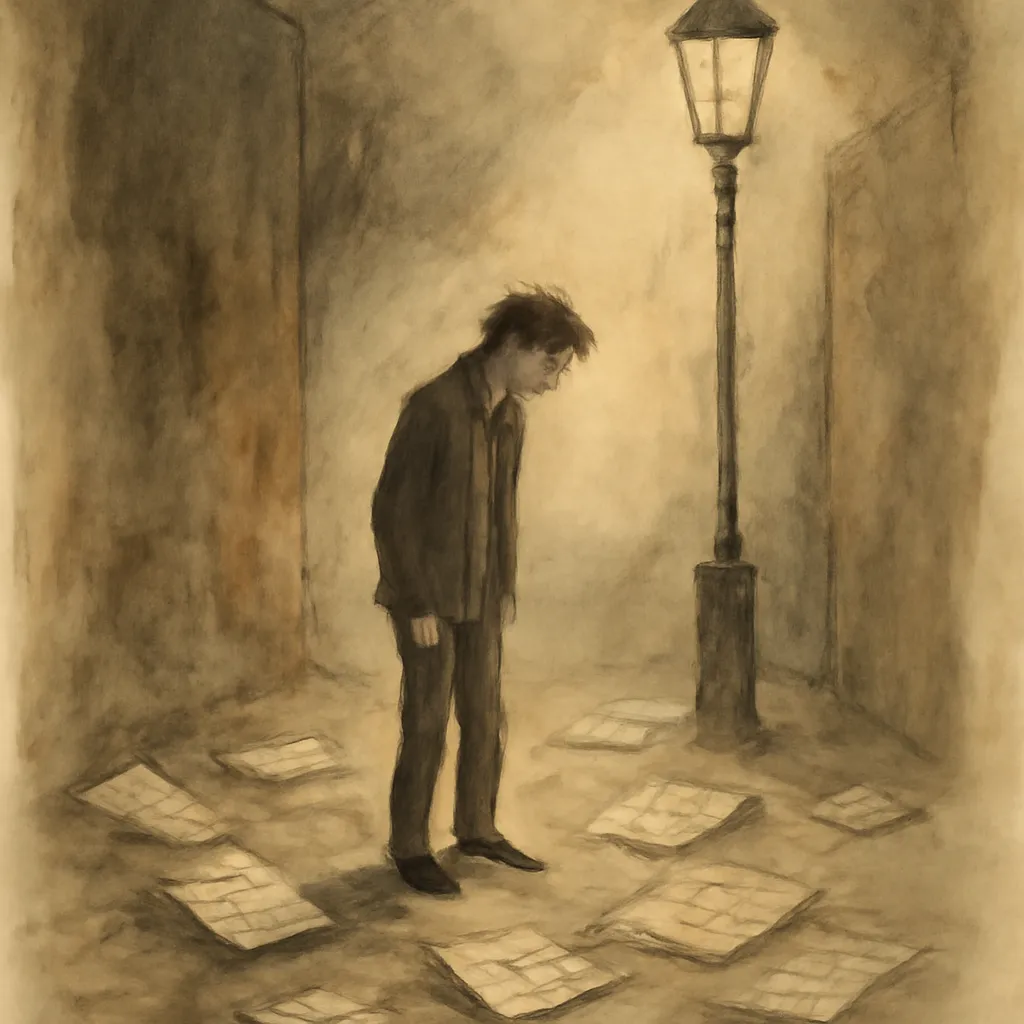
Daniel Nothafft's life is heavily influenced by the legacy of his father, Gottfried, a once-respected weaver whose craft is rendered obsolete by the rise of industrial machinery. The novel opens with a vivid description of the serene yet decaying town of Eschenbach, where Gottfried's struggles against the power loom reflect a larger societal shift. As the narrative progresses, Daniel's desire to escape his father's shadow and pursue music becomes a central conflict, illustrating the weight of familial expectations. Gottfried's despair at the loss of his livelihood and the emotional toll it takes on both him and Marian, Daniel's mother, emphasizes the generational impact of economic change. This theme is not just personal; it showcases the struggle of many artisans during a time of rapid industrialization, highlighting the emotional and psychological scars left by the loss of traditional crafts.
2.The Struggle Against Industrialization
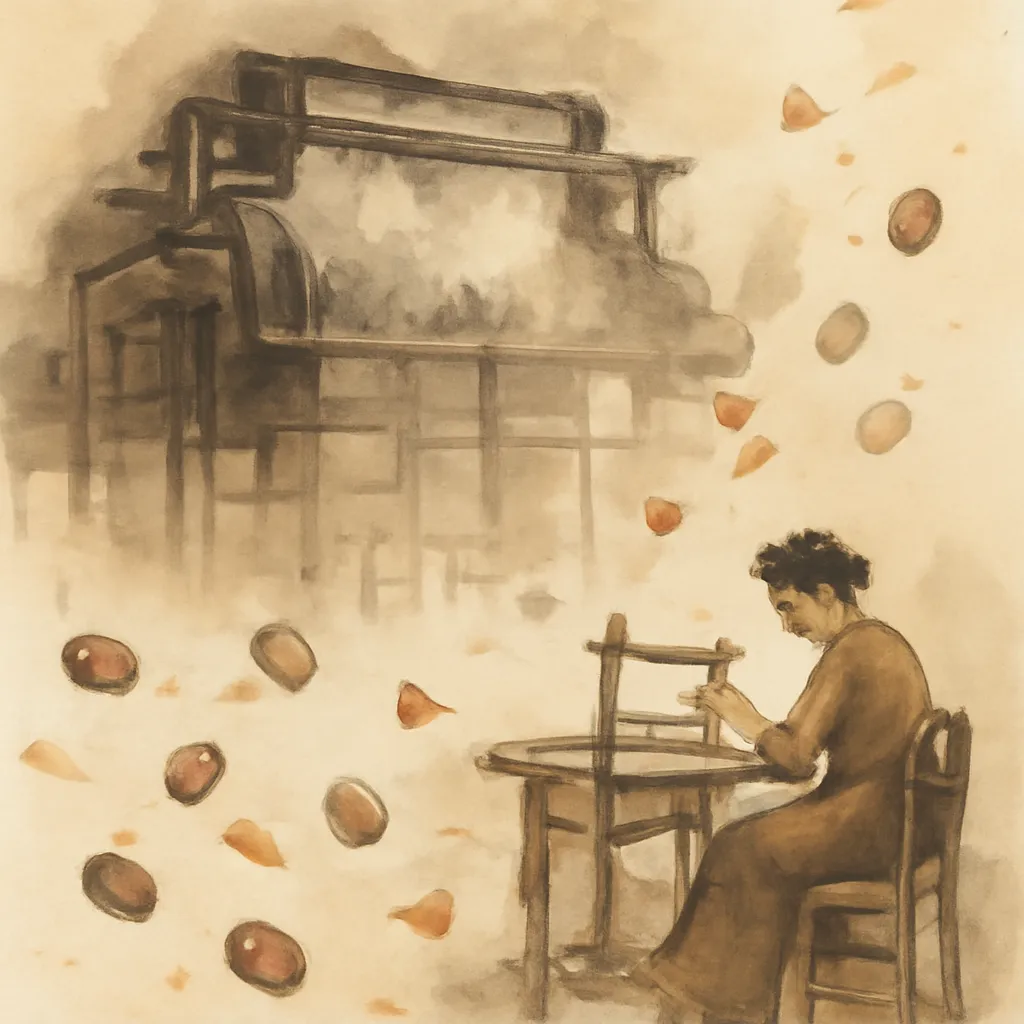
The introduction of power looms signifies a profound shift in the fabric of society, as depicted in the struggles faced by Gottfried Nothafft. His initial resilience crumbles under the relentless pressure of market forces and technological advancement, symbolizing the broader plight of artisans during the 19th century. As Gottfried's health deteriorates and his spirit wanes, Wassermann paints a vivid picture of despair that resonates with countless individuals who have faced similar fates. The resentment that Marian feels toward the machines—viewing them as monstrous entities—serves as a metaphor for the dehumanizing impact of industrial progress. This conflict between tradition and modernity is a recurring motif throughout the book, demonstrating how the relentless march of technology often comes at the expense of human creativity and connection.
3.The Quest for Identity
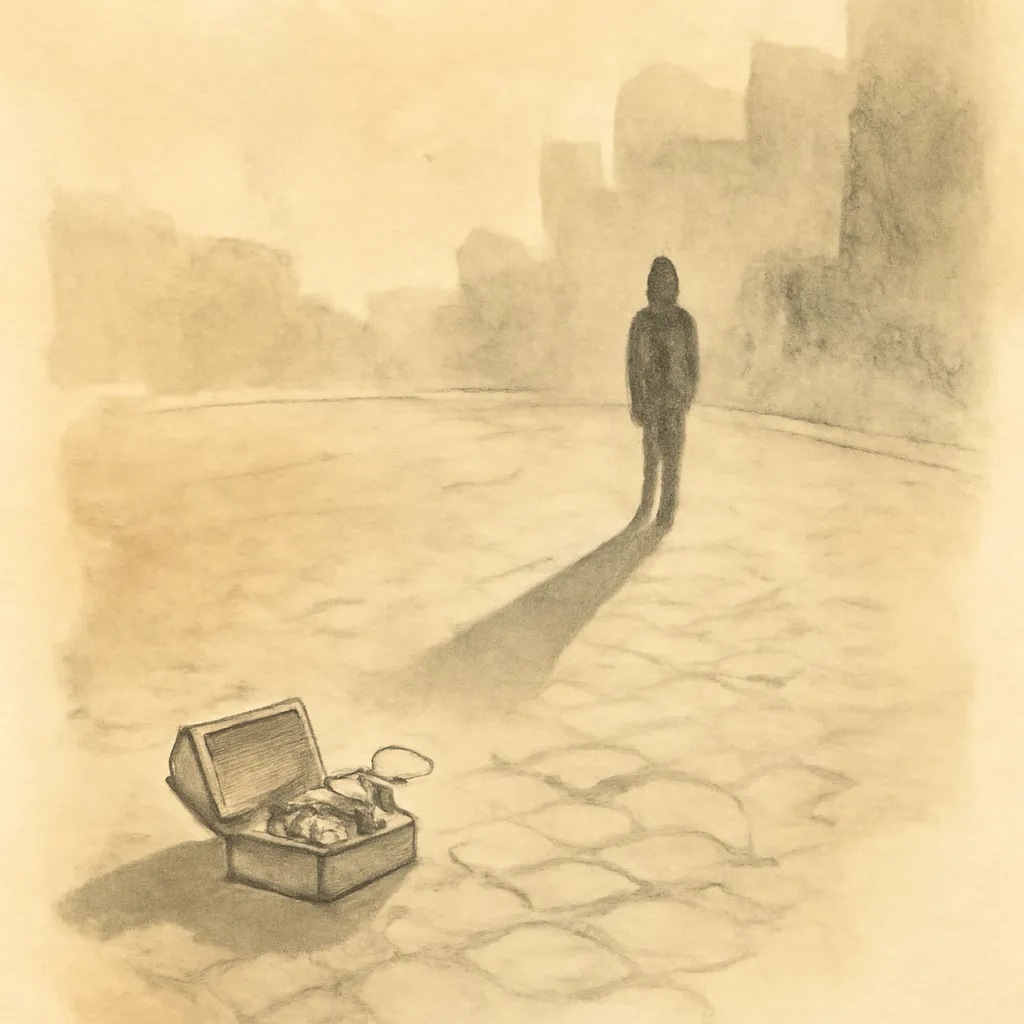
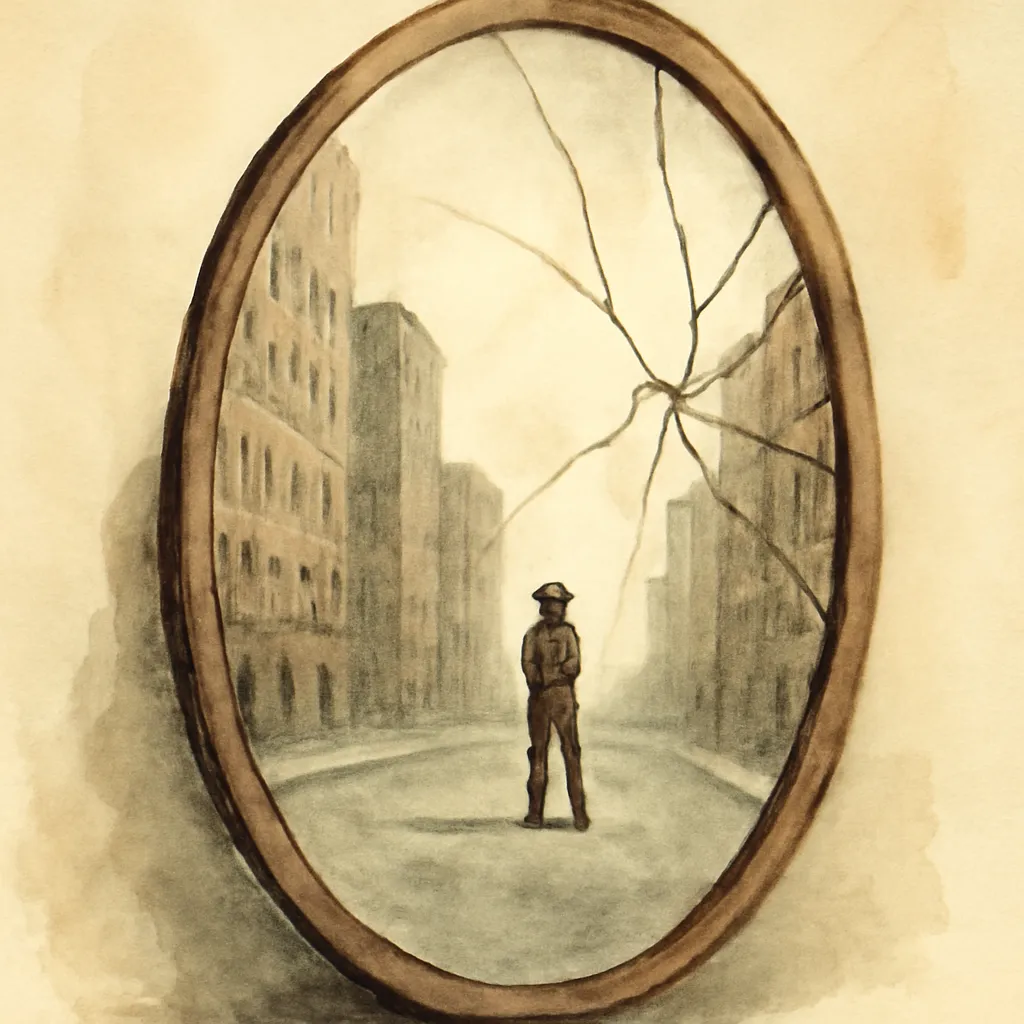
Daniel's journey in The Goose Man is not just about pursuing music; it is a quest for identity in a world that often feels alien and hostile. Raised in an environment steeped in loss and disappointment, Daniel grapples with his sense of self, often feeling like a mere shadow of his father's legacy. His artistic aspirations are met with skepticism from his family, particularly from Jason Philip Schimmelweis, his uncle, who embodies the pragmatic, capitalist mindset that dismisses art as frivolous. Daniel's struggle to assert his individuality amid familial pressures and societal expectations reflects the universal search for personal identity. This theme is intricately woven into his interactions with various characters, such as his music teacher, Spindler, and the musicians he encounters, who either inspire or frustrate him in his pursuit of artistic authenticity.
4.Art as Salvation and Suffering
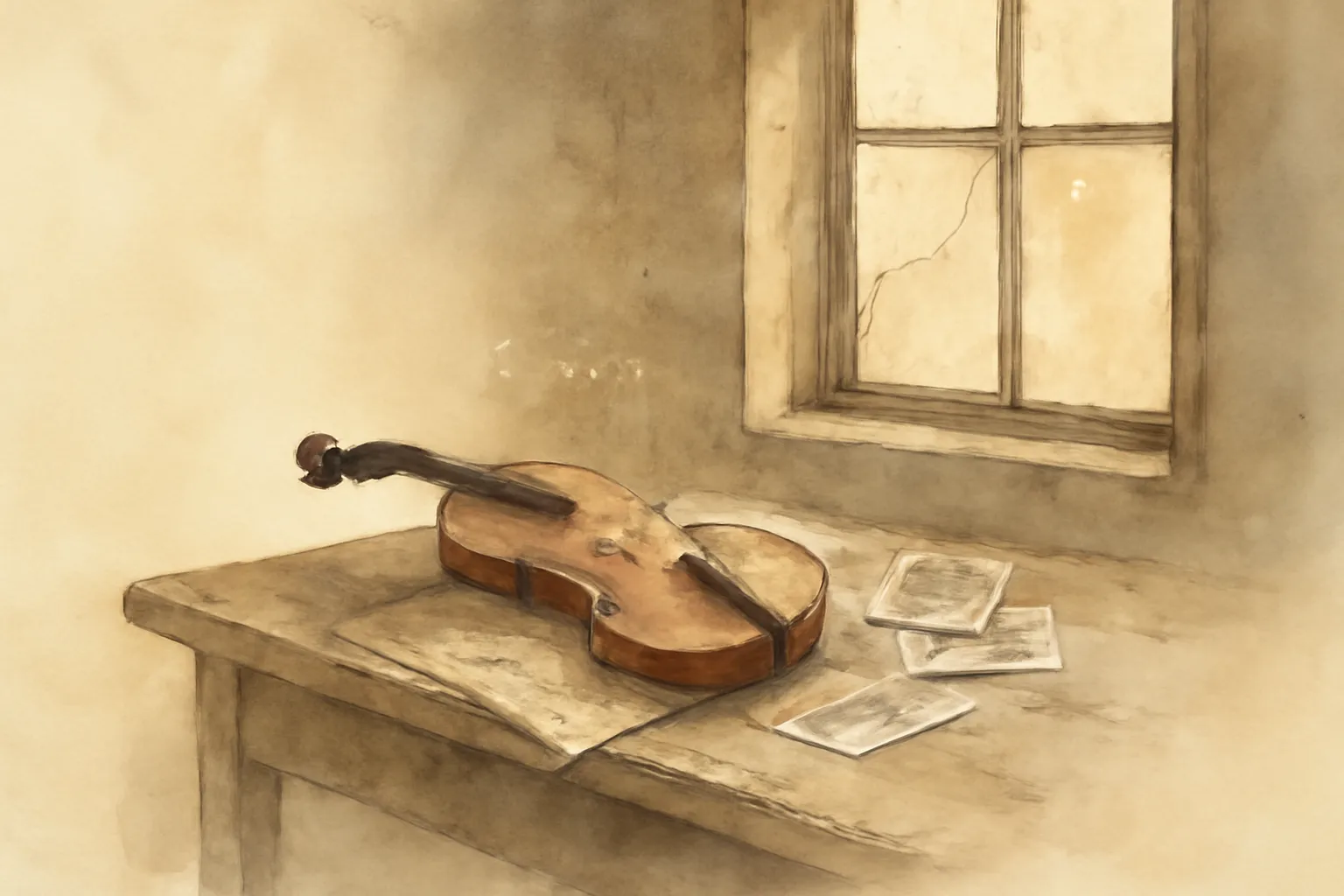
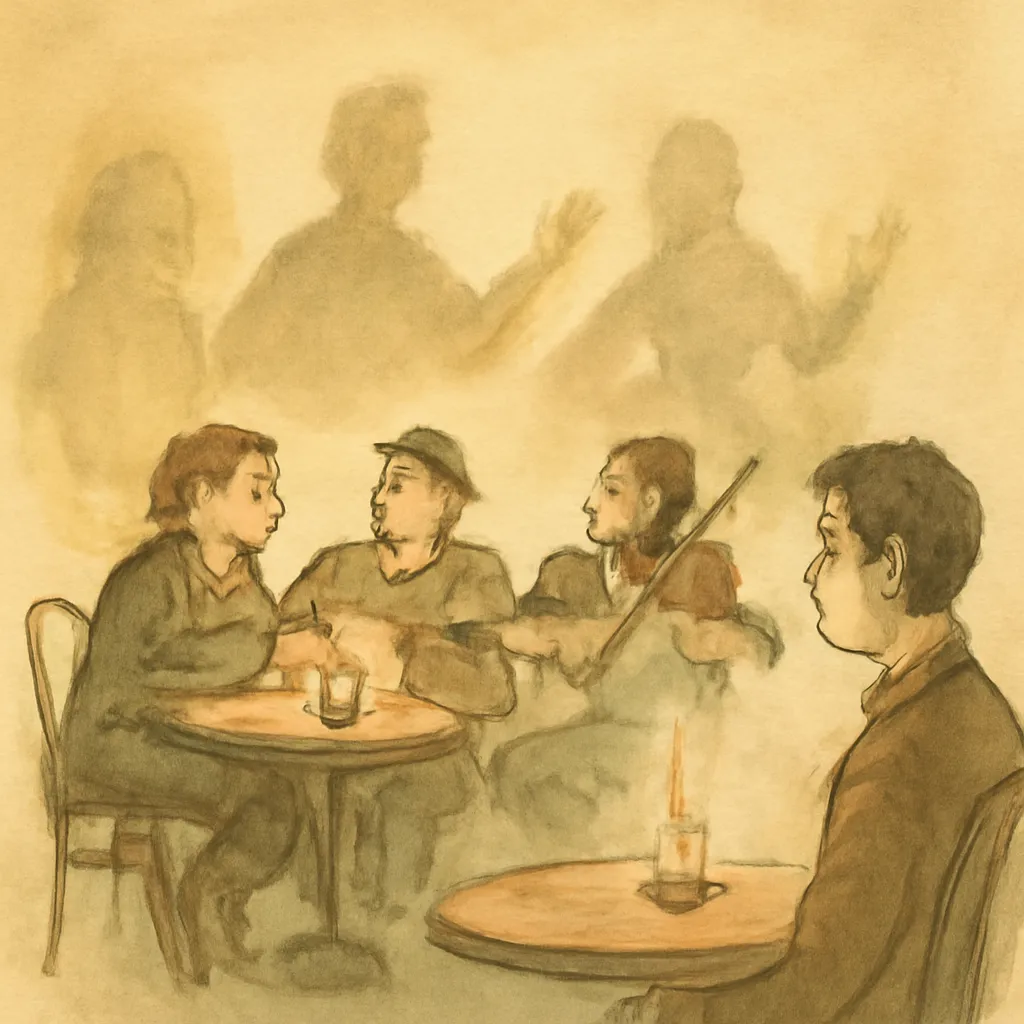
Throughout The Goose Man, art is portrayed as both a source of salvation and a catalyst for suffering. For Daniel, music represents an escape from the mundane and a pathway to self-discovery. However, this pursuit is fraught with challenges, as he struggles with poverty, rejection, and the constant threat of failure. The novel poignantly illustrates how the very act of creation can be a double-edged sword, offering moments of transcendent beauty while simultaneously exposing the artist to profound vulnerability. Daniel's experiences in the cafés and music halls of Nuremberg reflect the dichotomy of artistic life—filled with camaraderie and inspiration yet shadowed by loneliness and despair. Through his character, Wassermann captures the essence of the artist's plight, emphasizing the sacrifices made in the name of creativity and the toll it takes on one's spirit.
5.The Role of Family and Betrayal
Family dynamics play a crucial role in Daniel's life and his artistic journey. The relationship between Daniel and his mother, Marian, is particularly complex, as she grapples with her own unfulfilled desires and the burden of raising a son in a harsh economic climate. Marian's initial resentment toward Daniel's artistic ambitions reflects her struggle to reconcile her own dreams with the reality of their circumstances. Meanwhile, Jason Philip's betrayal, as he manipulates Gottfried's savings for his own gain, underscores the theme of familial treachery. This betrayal not only affects Daniel's financial stability but also adds layers of emotional turmoil to his already fraught relationship with his uncle. Wassermann deftly explores how familial bonds can be both nurturing and destructive, illustrating the intricate web of loyalty, love, and betrayal that characterizes family life.
6.The Search for Artistic Community
Daniel's interactions with other artists and musicians reveal his deep yearning for community and connection. Throughout the narrative, he seeks out places like The Paradise café, where fellow artists gather to share ideas, dreams, and disappointments. However, these encounters often highlight the disillusionment and despair that permeate the lives of those who have dedicated themselves to art. Characters like Schwalbe, the sculptor, and Zingarella, the singer, embody the struggles of the artistic community, each grappling with their own demons. Wassermann captures the bittersweet nature of these relationships, emphasizing that while art can unite individuals in shared passion, it can also lead to feelings of isolation and competition. This exploration of artistic community adds depth to Daniel's character, illustrating how his pursuit of music is not solely a personal endeavor but also a quest for belonging and understanding among like-minded souls.
7.Rebellion and Conformity
Daniel's rebellious spirit is a driving force in The Goose Man, as he constantly challenges societal norms and expectations. His disdain for conventional paths, such as pursuing a stable career, reflects a broader critique of conformity in a rapidly changing society. Daniel’s defiance is evident in his refusal to abandon his musical aspirations, even when faced with overwhelming adversity. This theme of rebellion resonates throughout the novel, as characters like Marian and Gottfried also grapple with their own forms of resistance against societal pressures. Wassermann paints a portrait of a young man caught between the desire for artistic freedom and the constraints of familial duty, ultimately questioning whether true individuality can thrive in a world that often demands conformity. Through Daniel's journey, readers are invited to reflect on their own struggles against societal expectations and the costs of pursuing one's true calling.
8.The Nature of Despair
Despair is a pervasive theme in The Goose Man, manifesting in various forms throughout the narrative. Daniel's emotional turmoil is deeply rooted in his experiences of rejection, poverty, and the relentless pursuit of his dreams. Wassermann vividly depicts moments of profound hopelessness, particularly in Daniel's encounters with failure and loneliness. The character's despair is not merely a personal affliction but reflects the broader societal malaise experienced by many during the era of industrialization. This theme is poignantly illustrated in the contrasting lives of artists who, despite their talents, find themselves trapped in cycles of despair and unfulfilled potential. The exploration of despair serves as a powerful reminder of the psychological toll that societal change can exact on individuals, prompting readers to consider the emotional ramifications of their own struggles in a rapidly evolving world.
9.Music as a Reflection of Life
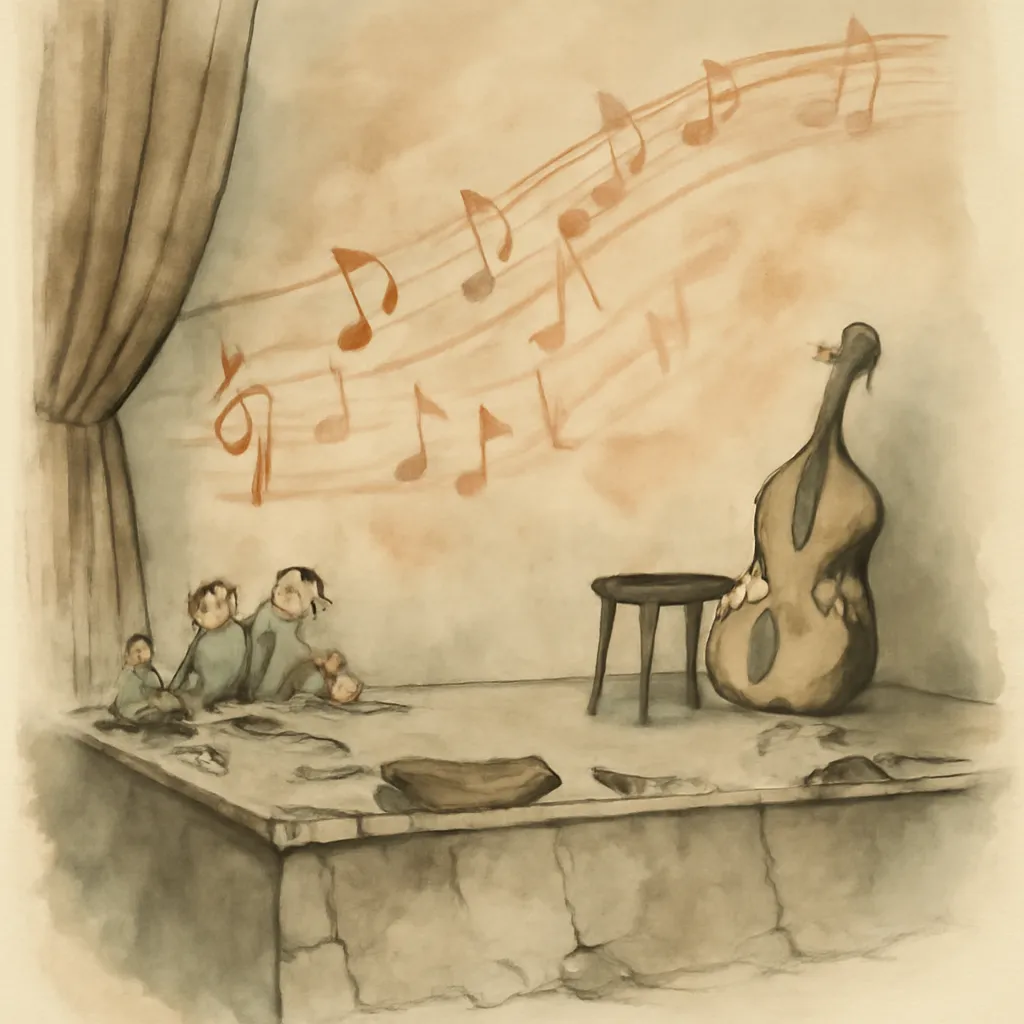
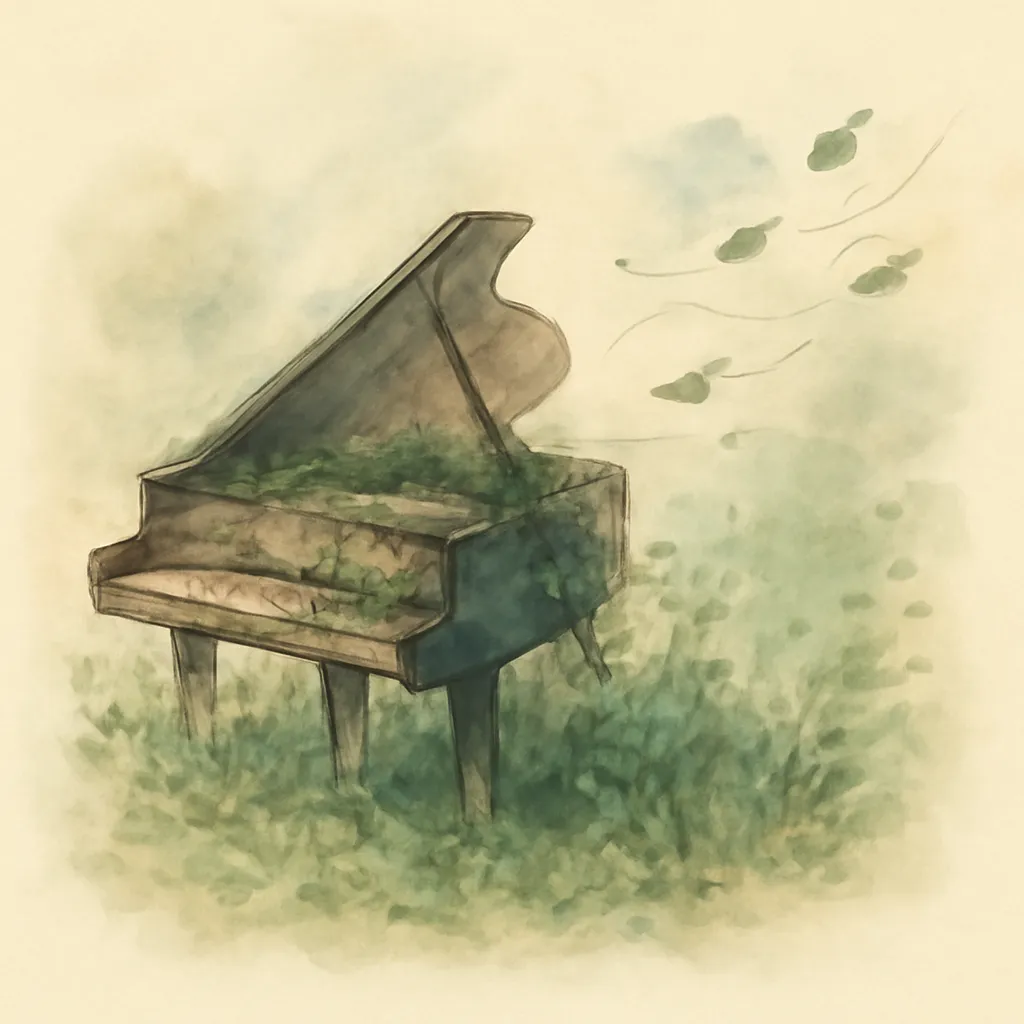
In The Goose Man, music serves as a powerful metaphor for life itself—a blend of beauty, chaos, and the search for meaning. Daniel's musical journey mirrors his emotional landscape, with moments of inspiration often intertwined with despair. Wassermann skillfully uses music to convey the complexities of human experience, illustrating how melodies can encapsulate joy, sorrow, and longing. Daniel's attempts to create music that resonates with his innermost feelings highlight the struggle of each artist to express their truth in a world that often feels indifferent. This theme of music as a reflection of life extends beyond Daniel's personal narrative, resonating with the experiences of other characters in the novel who grapple with their own desires and disappointments. Through this lens, Wassermann invites readers to consider the ways in which art can serve as both a mirror and a bridge to understanding the human condition.