1.The Historical Foundations of British Governance

Great Britain's political system is rooted in a long and intricate historical narrative that has shaped its current constitutional framework. The evolution of the British Constitution showcases a balance of power between the monarchy and Parliament, which has developed over centuries. Key events, such as the Magna Carta and the Glorious Revolution, laid the groundwork for parliamentary sovereignty and the rule of law. The importance of historical context is evident in how the British political system has adapted to social changes, including the rise of political parties and the expansion of the electorate. The gradual evolution rather than abrupt changes has allowed for a stable governance structure that has influenced many other nations. For instance, the English legal system has been meticulously studied and emulated in countries like the United States, showcasing the enduring impact of British governance. Understanding this historical backdrop is crucial for grasping the complexities of contemporary British politics, as it reflects both continuity and change across centuries.
2.The Role of Parliament in British Politics

Parliament serves as the cornerstone of British democracy, comprising two houses: the House of Commons and the House of Lords. The House of Commons, elected by the people, holds significant legislative power, while the House of Lords acts as a revising chamber, comprised of appointed and hereditary members. The evolution of parliamentary procedures and the electoral system has been marked by reforms aimed at increasing representation and accountability. Significant milestones, such as the Reform Acts of the 19th and early 20th centuries, shifted the balance of power towards a more democratic system, allowing for wider participation in governance. However, challenges remain, such as the ongoing debates over the legitimacy and reform of the House of Lords. The complex relationship between the two houses exemplifies the tensions between democratic principles and traditional structures. This dynamic interplay reveals the difficulties of maintaining a bicameral legislative system in the modern era, where calls for reform are matched by a respect for historical institutions.
3.The Nature of the German Empire

The German Empire, established in 1871, represents a significant evolution in European governance, emerging from a fragmented landscape of states and principalities. The unification process, catalyzed by the leadership of Prussia, was marked by a series of wars, particularly against Austria and France, alongside diplomatic maneuvers that ultimately led to the proclamation of the German Empire at Versailles. The Constitution of the Empire established a federal structure, balancing power between the central government and individual states, while the Kaiser held substantial authority. The role of the Reichstag, Germany's parliament, has been pivotal in shaping policies, although its power has fluctuated over time due to the dominance of the Chancellor. The period before 1848 saw significant political development, with the dissolution of the Holy Roman Empire in 1806 and the subsequent rise of nationalist sentiments. Understanding the complexities of the German political system requires an appreciation of this historical context, including the impact of the Napoleonic Wars and the subsequent nationalistic fervor that fueled unification. The challenges of reconciling regional identities with national governance remain pertinent in discussions about contemporary Germany.
4.Political Instability in France

France's journey through political instability since the French Revolution of 1789 has produced a remarkable series of constitutional changes, revealing the challenges of establishing a stable government. With eleven constitutions in just over a century, the French political landscape has been characterized by rapid shifts between monarchy, empire, and republic. The revolutionary fervor that dismantled the old regime also unleashed a series of power struggles that shaped modern French identity and approach to governance. The establishment of the Third Republic in 1870 marked a significant turning point, introducing a more stable parliamentary system, yet challenges such as political factionalism, the Dreyfus Affair, and the threat of extremism have persisted. The French experience illustrates the delicate balance between revolutionary ideals and the practicalities of governance, emphasizing the ongoing quest for a stable and representative political system. The frequent changes in government reflect not only political turmoil but also the deep societal divisions that characterize France's political culture.
5.Italy's Path to Unification and Governance

Italy's unification in the 19th century was a complex process, driven by both nationalist aspirations and the desire for democratic governance. The Risorgimento movement, which sought to consolidate the numerous independent states into a single nation, was influenced by the ideals of democracy and self-determination. The aftermath of the Napoleonic Wars saw a reawakening of Italian identity, culminating in the establishment of the Kingdom of Italy in 1861. The constitutional framework adopted during this period reflected a blend of monarchical authority and parliamentary governance, yet regional disparities and political fragmentation remained significant challenges. The early years of the Kingdom were marked by a struggle to foster a national identity amidst regional loyalties, and the political landscape was littered with various parties vying for power. Italy's experience underscores the interplay between national identity and governance, as the nation continues to navigate the legacies of its historical divisions. The establishment of a parliamentary system has allowed for greater representation, yet the challenge of bridging regional divides remains a critical aspect of Italian politics.
6.Switzerland's Unique Federal System

Switzerland stands out in Europe for its distinctive federal system, characterized by a high degree of autonomy for its cantons and a commitment to direct democracy. The Swiss Confederation, rooted in alliances among cantons dating back to the 13th century, has evolved into a model of governance that emphasizes local decision-making through mechanisms like the referendum and initiative. This structure allows citizens to directly influence legislation, fostering a strong sense of civic engagement and accountability. The Swiss approach to governance has led to a unique blend of stability and innovation, with a political culture that prioritizes consensus and collaboration over confrontation. The results achieved within a sphere so restricted, and under conditions of race, religion, and historical tradition, provide valuable lessons for other nations grappling with similar challenges. The Swiss experience illustrates the effectiveness of a federal system that empowers local governance while maintaining national cohesion.
7.The Dual Monarchy of Austria-Hungary

Austria-Hungary's dual monarchy represents a fascinating, albeit complex, political arrangement that attempted to balance the diverse ethnic identities within its borders. Established by the Ausgleich of 1867, this system divided the empire into two distinct entities: Cisleithania (Austria) and Transleithania (Hungary), each with its own governmental structures. The dual monarchy aimed to preserve unity while granting autonomy to various nationalities, yet it often struggled with internal tensions and nationalistic aspirations. The resulting political landscape was marked by a proliferation of parties representing different ethnic groups, complicating governance and decision-making. The challenges faced by Austria-Hungary in reconciling the demands of its diverse populations culminated in its eventual dissolution after World War I. This historical case highlights the difficulties of managing a multi-ethnic empire and the challenges inherent in balancing central authority with local autonomy, raising important questions about governance in contemporary multi-national states.
8.The Evolution of Governance in the Netherlands
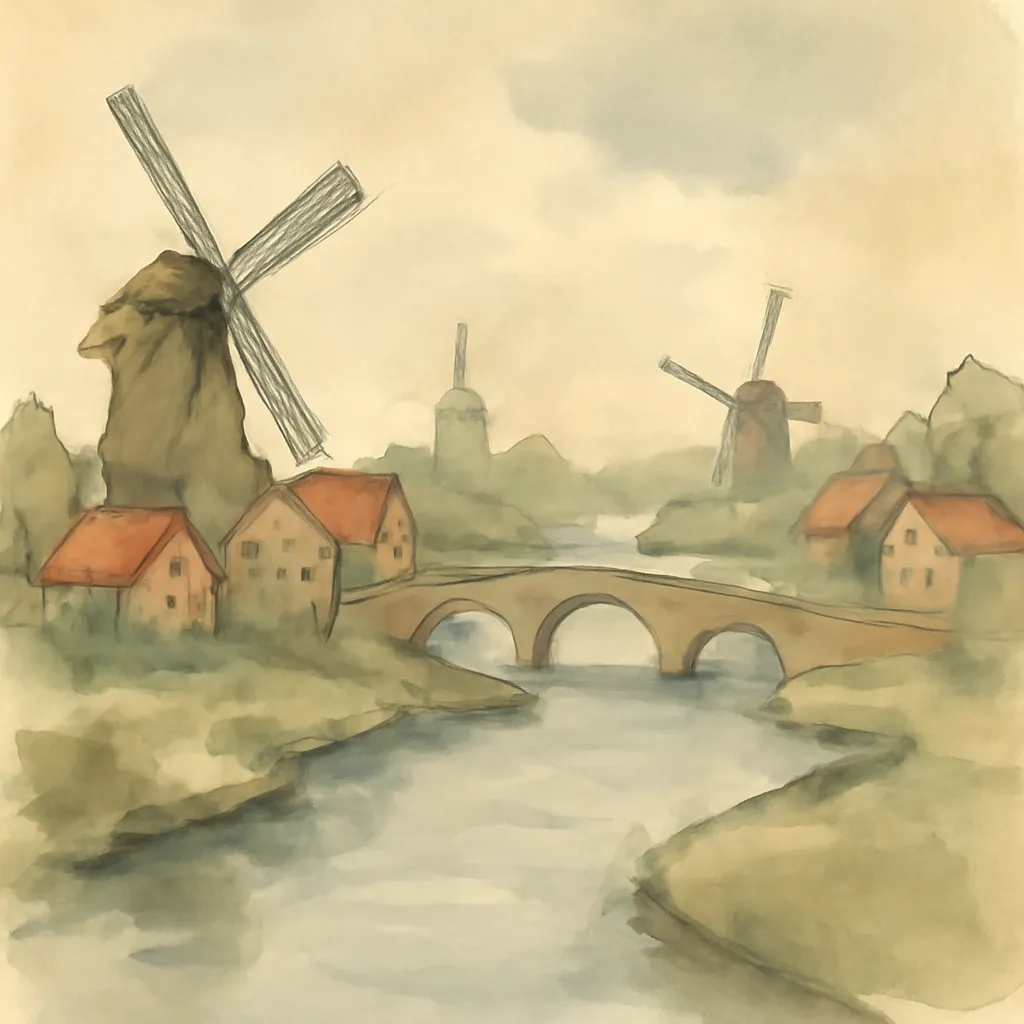
The governance of the Netherlands has undergone significant transformations, influenced by historical events such as the struggle for independence from Spanish rule and the subsequent impact of the Napoleonic era. The establishment of a constitutional monarchy in the early 19th century laid the foundation for a parliamentary system that has evolved over time. The Dutch political system has been characterized by a strong emphasis on consensus politics and a multi-party system, reflecting the diverse interests of its population. Significant reforms in the late 20th and early 21st centuries have further solidified democratic practices, including electoral reforms that have increased representation and participation. The Netherlands' experience illustrates the importance of adaptability in governance, as the nation continues to navigate contemporary challenges, such as immigration, economic pressures, and environmental concerns, while maintaining its democratic values.
9.Scandinavia's Progressive Governance Models

Scandinavian countries, including Denmark, Sweden, and Norway, have developed governance models that emphasize social welfare, democracy, and political stability. The historical context of these nations—marked by early parliamentary developments and a commitment to egalitarian principles—has shaped their contemporary political landscapes. Denmark's constitutional monarchy, for instance, has evolved to embrace democratic governance while maintaining a strong welfare state, characterized by a high level of social security and public services. The political systems in these countries often prioritize consensus-building and collaboration among parties, fostering a sense of social cohesion and trust in government. This approach has yielded high levels of public trust in government and significant investments in social programs, providing a successful model for other nations seeking to enhance their democratic practices. The Scandinavian experience highlights the effectiveness of governance that prioritizes social welfare alongside economic development.
10.Spain's Struggle for Constitutionalism

Spain's journey towards constitutionalism has been fraught with challenges, particularly during the Napoleonic Wars, which catalyzed a national awakening. The imposition of French rule prompted a fierce resistance that laid the groundwork for the emergence of constitutional governance. The Cadiz Constitution of 1812 marked a pivotal moment, establishing principles of liberty and representation, although its implementation faced significant opposition. The subsequent political turbulence, characterized by numerous coups and changes in regime, highlights the difficulties inherent in establishing a stable constitutional framework. Spain's experience underscores the complexities of transitioning from absolutism to a constitutional monarchy and the ongoing struggle to balance tradition with modern democratic ideals. The interplay between regional identities and national governance adds another layer of complexity, as Spain continues to navigate the challenges posed by its diverse cultures and languages.