1.The Opulence of the Grand Babylon
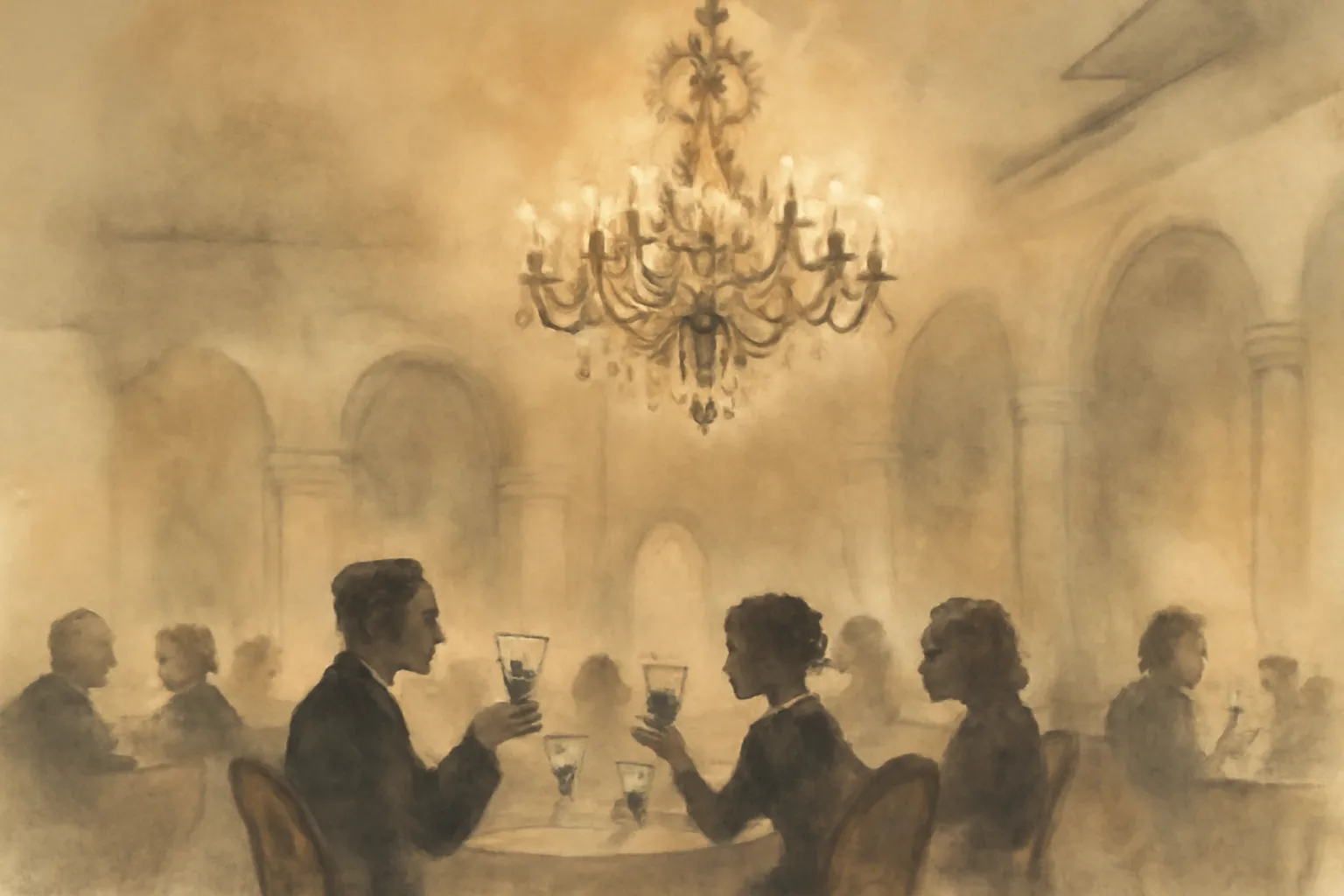
The Grand Babylon Hôtel is depicted as the epitome of luxury, designed to cater to an elite clientele. Its ambiance is characterized by serene elegance, where guests don impeccable evening attire and indulge in the finest dining experiences. Bennett meticulously describes the hotel's smoking room, where the atmosphere is punctuated by the soft movements of waiters and the scent of flowers. This setting serves not only as a backdrop for the unfolding drama but also as a commentary on the social hierarchies of the time. The contrast between the outward calm of the hotel and the brewing tensions beneath the surface highlights the precarious nature of wealth and status, suggesting that the tranquility of aristocratic life is often a facade. The guests, from various nationalities, are united by their adherence to a strict code of conduct, showcasing the unwritten rules of etiquette that govern their interactions. The hotel is not simply a place to stay; it is a microcosm of society, reflecting the complexities of class and the human experience.
2.The Eccentric Millionaire
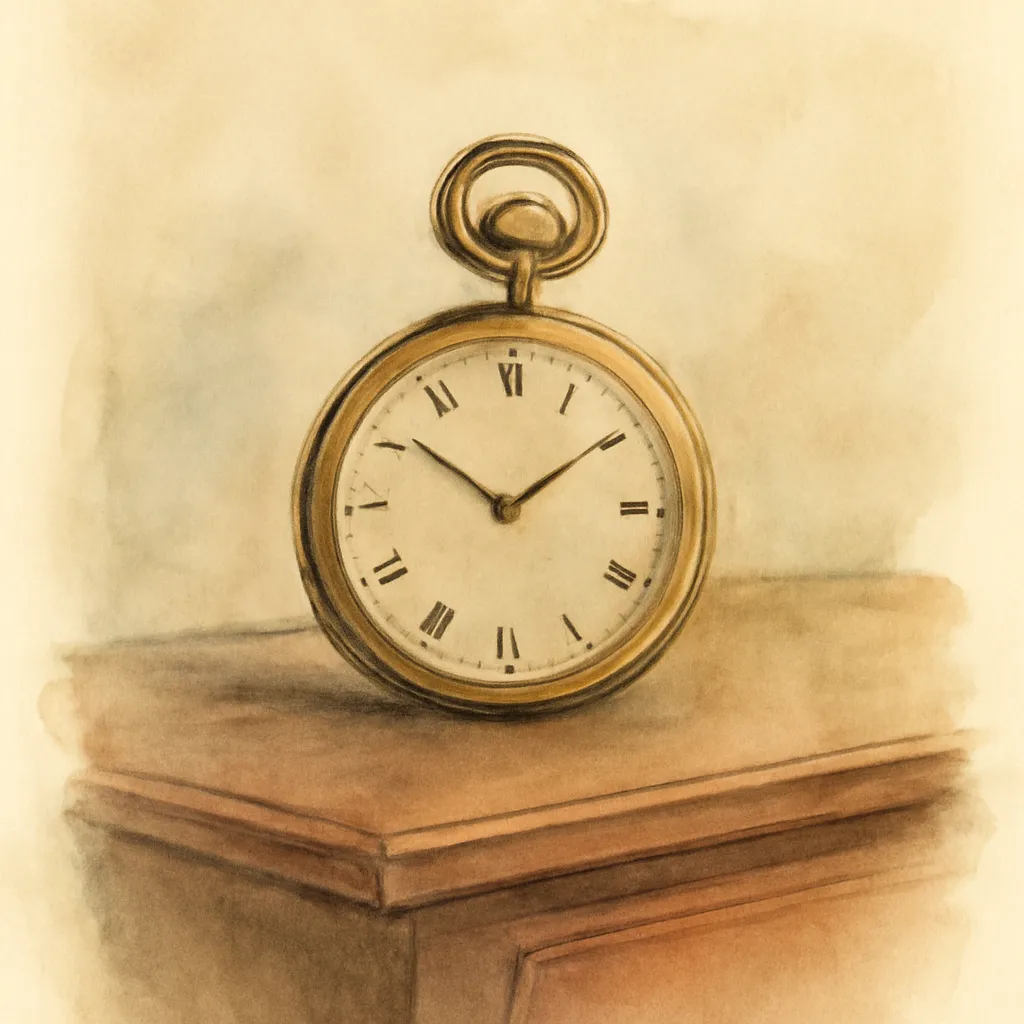
The character of Theodore Racksole is central to the narrative, embodying the new breed of self-made men who challenge traditional social structures. His impulsive decision to purchase the Grand Babylon for £400,000 reflects both his wealth and his desire to exert influence in a world dominated by aristocratic privilege. Racksole's straightforward and confident demeanor contrasts sharply with the more nuanced and often duplicitous behaviors of the hotel staff. He navigates the complexities of high society with ease, yet his lack of familiarity with the intricacies of hotel management places him at a disadvantage. This tension between his business acumen and the subtleties of social decorum drives much of the plot, as he grapples with the consequences of his decisions. As an outsider within the exclusive milieu of the hotel, Racksole's journey illustrates the challenges faced by individuals from different backgrounds trying to assert their place in established social hierarchies. His interactions with the aristocracy are imbued with a sense of both admiration and skepticism, highlighting the complexities of class relations in a rapidly modernizing society.
3.A Web of Conspiracy
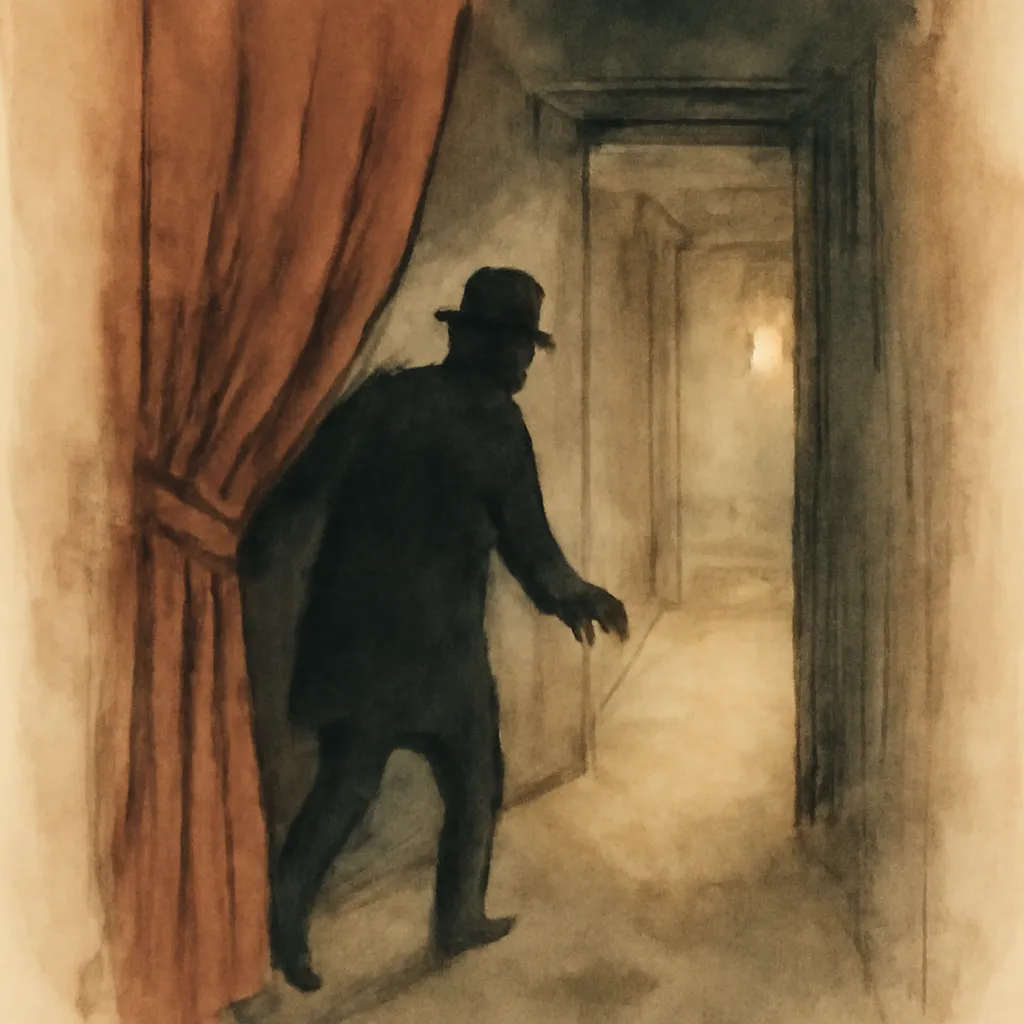
As the plot unfolds, Racksole discovers a conspiracy involving the disappearance of Reginald Dimmock, a hotel employee, and Prince Eugen of Posen, who is entangled in a financial scandal. The mystery deepens when Racksole realizes that Dimmock's death is linked to a larger scheme orchestrated by Jules, the head waiter, who plays a pivotal role in the hotel's operations. Jules embodies the cunning and resourcefulness of the lower classes, willing to manipulate circumstances for personal gain. The interplay between these characters illustrates the precarious balance of power within the hotel and serves as a microcosm of broader societal tensions, where the ambitions of the working class clash with the interests of the wealthy elite. The investigation into Dimmock's demise reveals layers of intrigue that challenge Racksole's perceptions of loyalty and trust among the staff, underscoring the theme that appearances can be deceiving. The complexity of the conspiracy reflects the multifaceted nature of human ambition and the lengths individuals will go to achieve their goals, regardless of the ethical implications.
4.Romance Amidst Intrigue
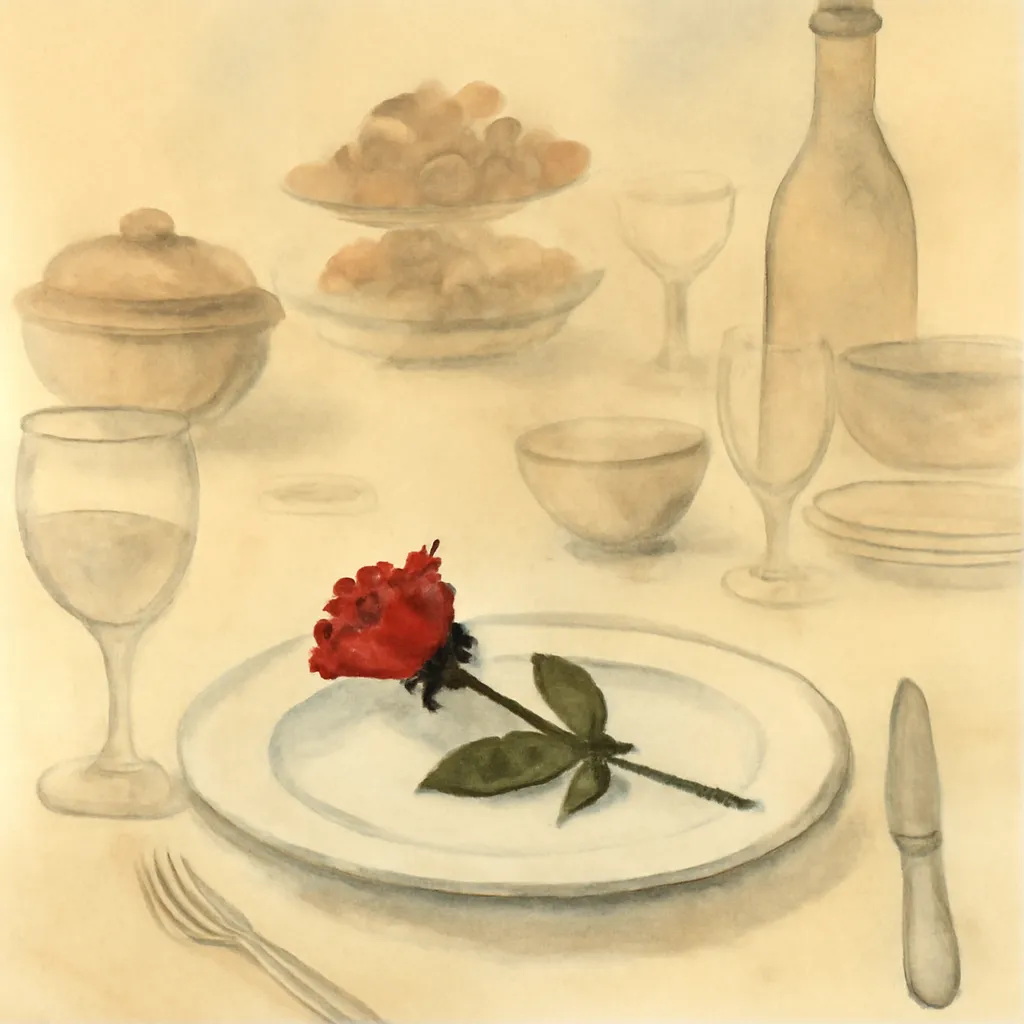
The subplot involving Nella Racksole and Prince Eugen adds a layer of romantic tension to the narrative. Nella, portrayed as a strong-willed and intelligent young woman, navigates her feelings for the troubled prince while also stepping into a role of agency. Her desire to save Eugen from his impending doom—stemming from his debts and the threat of suicide—demonstrates her inner strength and compassion. The romance is not merely a distraction from the main plot; instead, it serves as a catalyst for character development and drives the narrative forward. Nella's determination to act on her feelings contrasts with the often passive roles assigned to women in literature of the time, making her an emblem of the changing societal roles for women. As she confronts the challenges posed by her father’s ambitions and Eugen’s dire situation, Nella emerges as a modern heroine, reflecting the evolving landscape of gender dynamics in early 20th-century society. Her active involvement in the unfolding drama underscores the theme of personal agency in the face of larger socio-political forces.
5.Class Disparities and Social Commentary
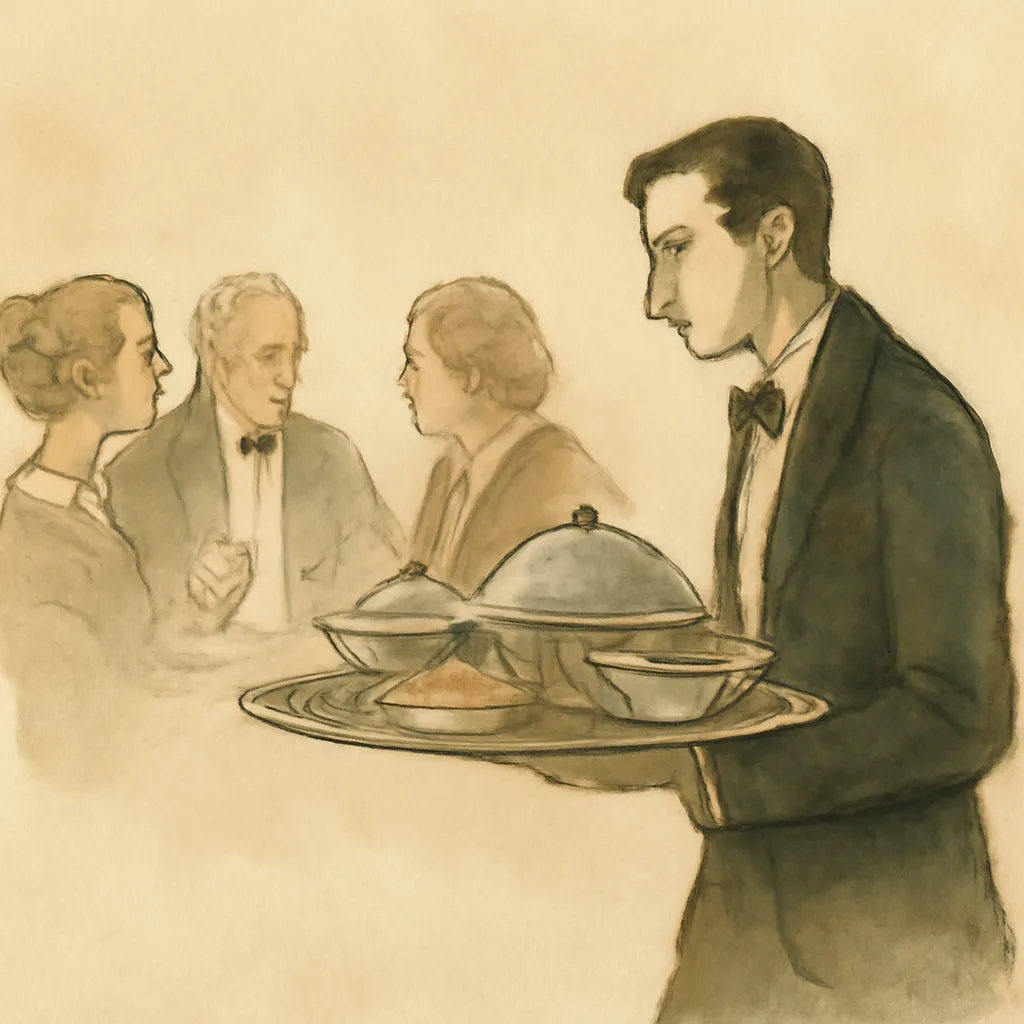
Bennett's narrative serves as a critique of class disparities and the shifting social landscape of early 20th-century England. The interactions between the wealthy guests and the hotel staff reveal underlying tensions and prejudices. Racksole's American background highlights the contrast between the new capitalist class and the entrenched aristocracy, embodied by characters like Prince Aribert. The hotel becomes a battleground for these competing interests, as Racksole's wealth and influence challenge the status quo. Bennett uses humor and irony to expose the absurdities of class distinctions, ultimately suggesting that true merit and character transcend social status. By showcasing how individuals navigate the rigid class structures, Bennett invites readers to reflect on the evolving nature of privilege and power, raising questions about the future of social hierarchies in a rapidly modernizing era. The characters' interactions serve as a poignant reminder that wealth does not equate to virtue or nobility.
6.The Role of Women
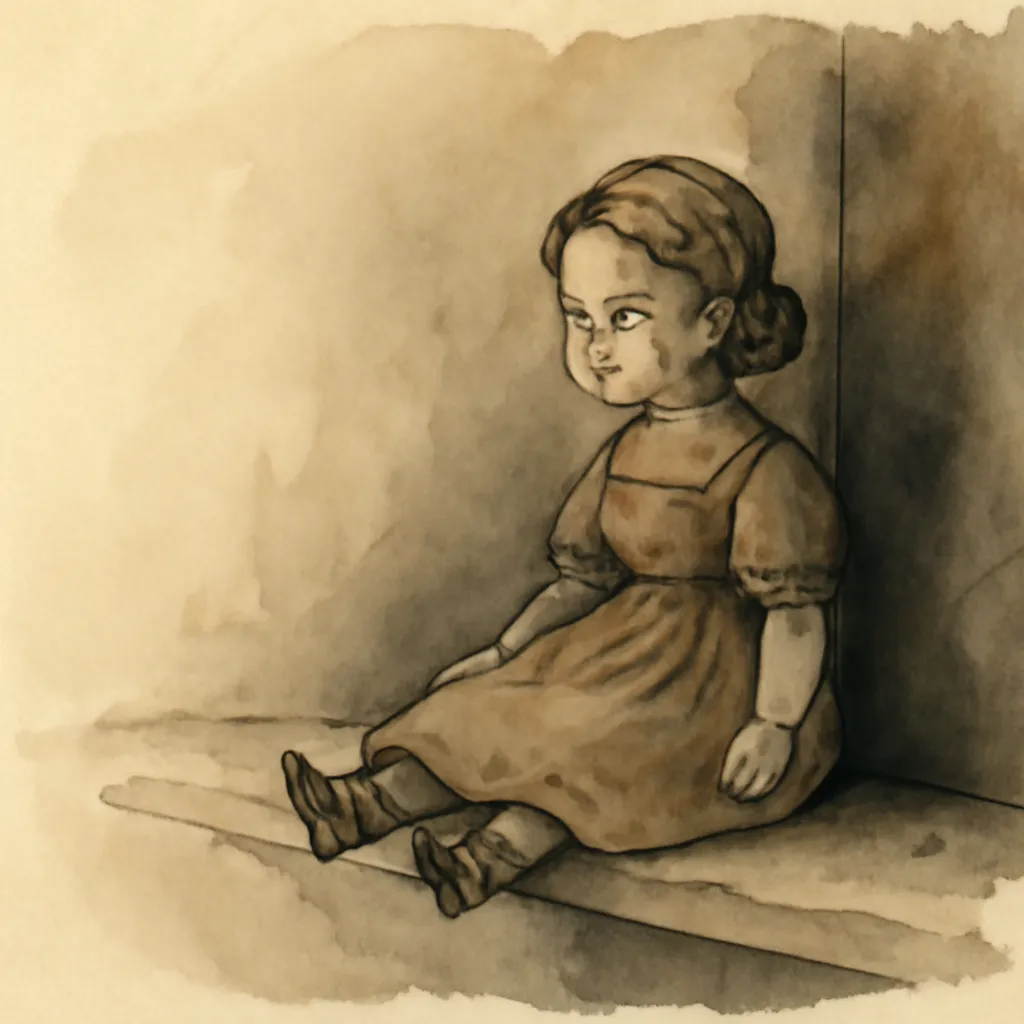
In 'The Grand Babylon Hôtel', women are portrayed as both victims and agents of change. Nella Racksole emerges as a dynamic character, willing to defy societal norms to pursue her goals and protect those she loves. Her interactions with Prince Eugen illustrate the complexities of love and duty, while also showcasing her intelligence and resourcefulness. Meanwhile, other female characters, such as Miss Spencer, embody the darker side of ambition, using deception to achieve their aims. Bennett's nuanced portrayal of women reflects the shifting attitudes of the time, where traditional roles were being challenged, and women began to assert their agency in both personal and public spheres. Nella's strong character and her ability to navigate the treacherous waters of love and duty emphasize the evolving role of women in society, while also serving as a critique of those who exploit their positions for personal gain. This exploration of gender dynamics adds depth to the narrative, inviting readers to consider the broader implications of women's roles in a changing world.
7.Secrets and Revelations
The theme of secrets permeates the narrative, with characters harboring hidden motives and concealed identities. The hotel itself is a labyrinth of hidden rooms and concealed passages, mirroring the secrets held by its inhabitants. As Racksole delves deeper into the mystery of Dimmock's disappearance and the conspiracy surrounding Prince Eugen, he uncovers layers of deception that challenge his understanding of loyalty and trust. Bennett expertly weaves these secrets into the plot, creating a sense of suspense and intrigue that keeps readers engaged. The revelation of hidden truths ultimately leads to a reckoning for many characters, forcing them to confront their past actions and the consequences of their choices. The interplay of secrets highlights the fragility of trust and the precarious nature of human relationships, underscoring the idea that what lies beneath the surface often holds more significance than what is readily apparent.
8.Power Dynamics

Power dynamics play a crucial role in 'The Grand Babylon Hôtel', influencing the relationships and interactions among characters. Racksole's position as a wealthy hotel owner grants him a certain level of authority, yet he finds himself at the mercy of the intricate social hierarchies within the hotel. Jules, as the head waiter, wields his own form of power, manipulating situations to maintain control over the staff and guests alike. This intricate dance of power reveals the fragility of social status, as characters navigate their ambitions and desires within the constraints of their roles. Bennett's exploration of power dynamics serves as a commentary on the broader societal shifts occurring during this period, where traditional hierarchies were being challenged by new forms of wealth and influence. The characters’ struggles for power not only highlight their individual motivations but also reflect the evolving landscape of society, emphasizing that power is often transient and contingent upon circumstance.
9.The Quest for Justice

The narrative culminates in a quest for justice, as Racksole seeks to unravel the conspiracy and hold those responsible accountable for their actions. His determination to uncover the truth about Dimmock's death and Prince Eugen's plight drives the plot forward, creating a sense of urgency and tension. This quest for justice is not merely personal; it reflects a broader moral imperative to confront wrongdoing and seek reparation for the wronged. Bennett's exploration of justice serves as a reminder of the complexities of morality, as characters grapple with their own ethical dilemmas and the consequences of their choices. Ultimately, this quest leads to revelations that challenge the characters' perceptions of right and wrong, forcing them to confront their own values and beliefs. The pursuit of justice emerges as a central theme, illustrating the often complicated nature of morality in a world where intentions may be noble, but actions can lead to unforeseen consequences.
10.The Climax and Resolution
The climax of 'The Grand Babylon Hôtel' is marked by a dramatic confrontation between Racksole and the conspirators, culminating in a revelation that ties together the various plot threads. This moment of reckoning brings to light the true nature of the characters' motivations and the consequences of their actions. Bennett masterfully builds tension throughout the narrative, leading to a resolution that not only addresses the immediate conflicts but also reflects the broader themes of the novel. The resolution offers a sense of closure for Racksole and Nella while also leaving readers to ponder the implications of wealth, power, and morality in a changing society. The denouement reinforces the idea that while justice may be served, the complexities of human nature and societal dynamics remain ever-present, inviting readers to reflect on the intricacies of human behavior and the enduring struggles for power and integrity.