1.The Human Cost of Economic Upheaval
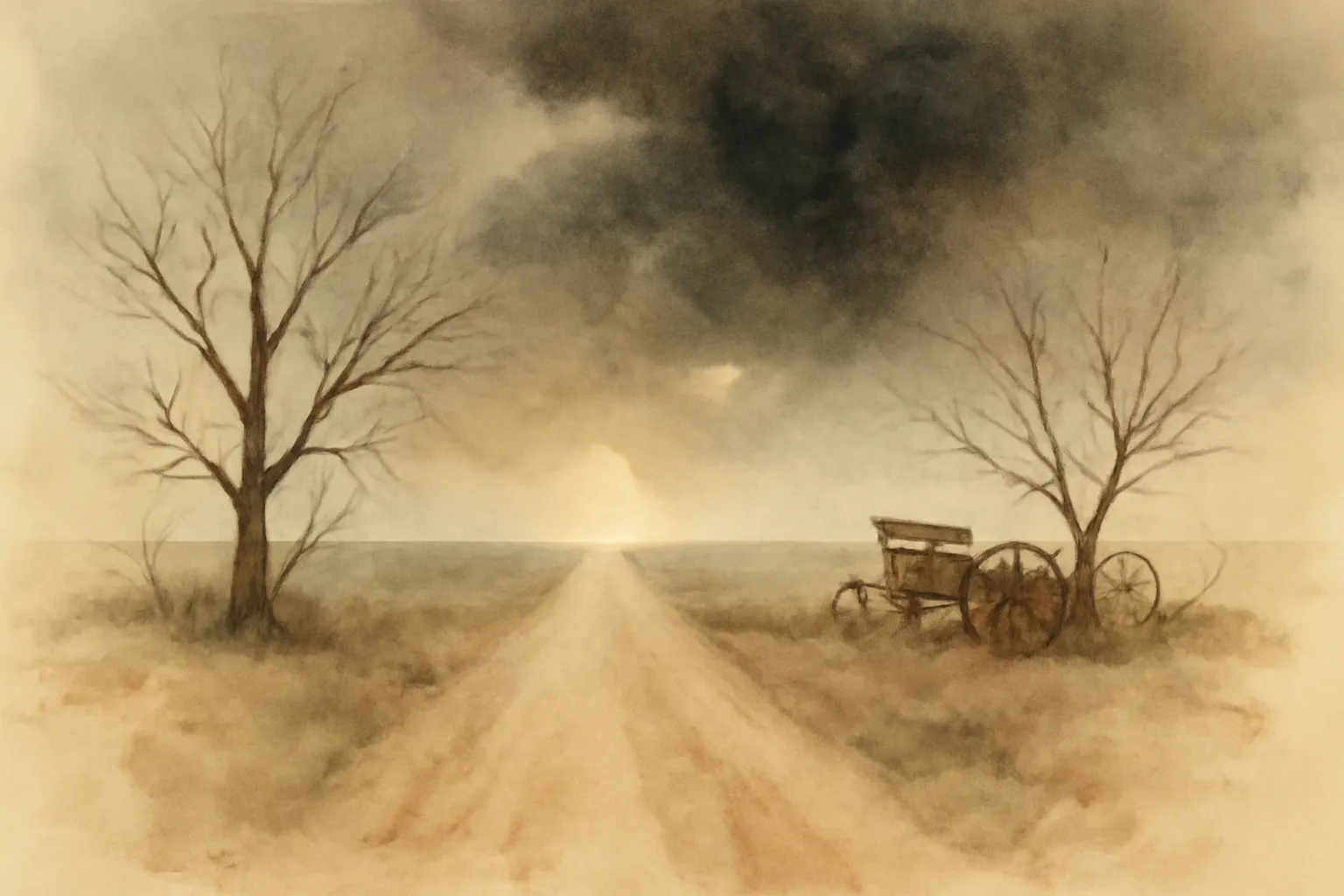
Steinbeck’s novel vividly portrays the devastation wrought by the Great Depression and the Dust Bowl, focusing on the Joad family as they are uprooted from their Oklahoma farm. Their journey westward is not just a physical migration, but a harrowing odyssey through poverty, hunger, and exploitation. The book personalizes the statistics of the era, showing how economic forces beyond their control strip families of their homes, livelihoods, and dignity, forcing them to reinvent themselves in a hostile world.
2.Family and Collective Survival
At its core, the novel is about the strength and adaptability of family. The Joads’ unity is repeatedly tested by loss and hardship, yet they persist in supporting one another. As the story progresses, Steinbeck expands the idea of ‘family’ to include the broader community of migrants, suggesting that survival depends on solidarity and collective action rather than individualism.
3.Social Injustice and the Power of Protest
Steinbeck exposes the stark inequalities and abuses faced by migrant workers in California. The Joads and others are exploited by wealthy landowners and forced into competition with one another for meager wages. The novel doesn’t shy away from depicting the violence and resistance that arise when people are pushed to their limits, ultimately suggesting that protest and organizing are necessary responses to systemic injustice.
4.The Land as Life and Loss
The connection between people and the land is a recurring theme. For the Joads, the land is not just property but the source of identity, memory, and sustenance. Their forced separation from it is both a literal and spiritual loss, mirroring the broader dislocation experienced by millions during the Dust Bowl era. Steinbeck uses this motif to highlight the tragedy of severing people from their roots.
5.Hope, Endurance, and Transformation
Despite relentless hardship, the novel is ultimately about hope and the capacity for transformation. Characters like Ma Joad embody resilience, adapting to changing circumstances and finding strength in adversity. The ending, while ambiguous, suggests that compassion and shared humanity can endure even in the bleakest times.