1.Coming of Age in Unusual Circumstances
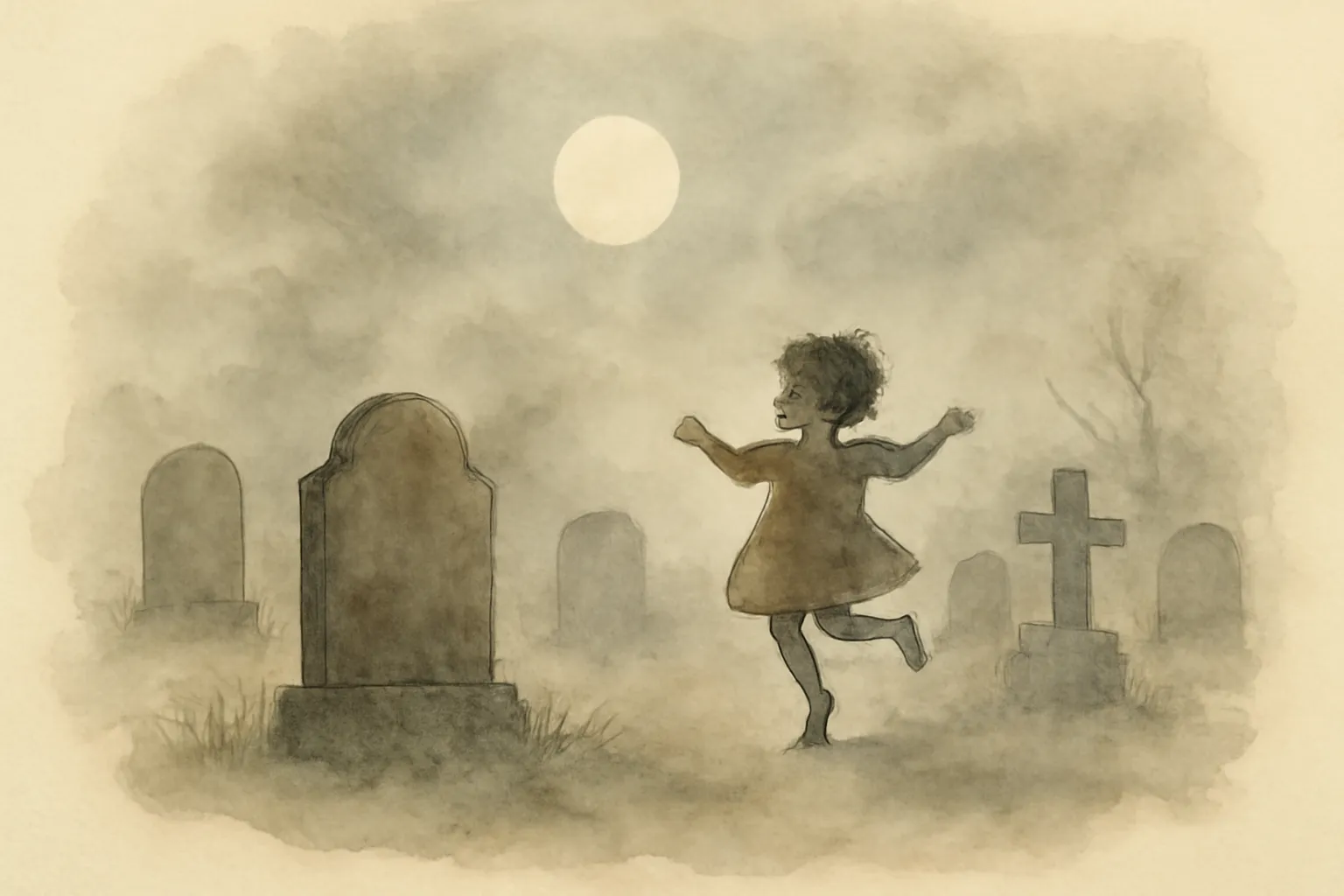
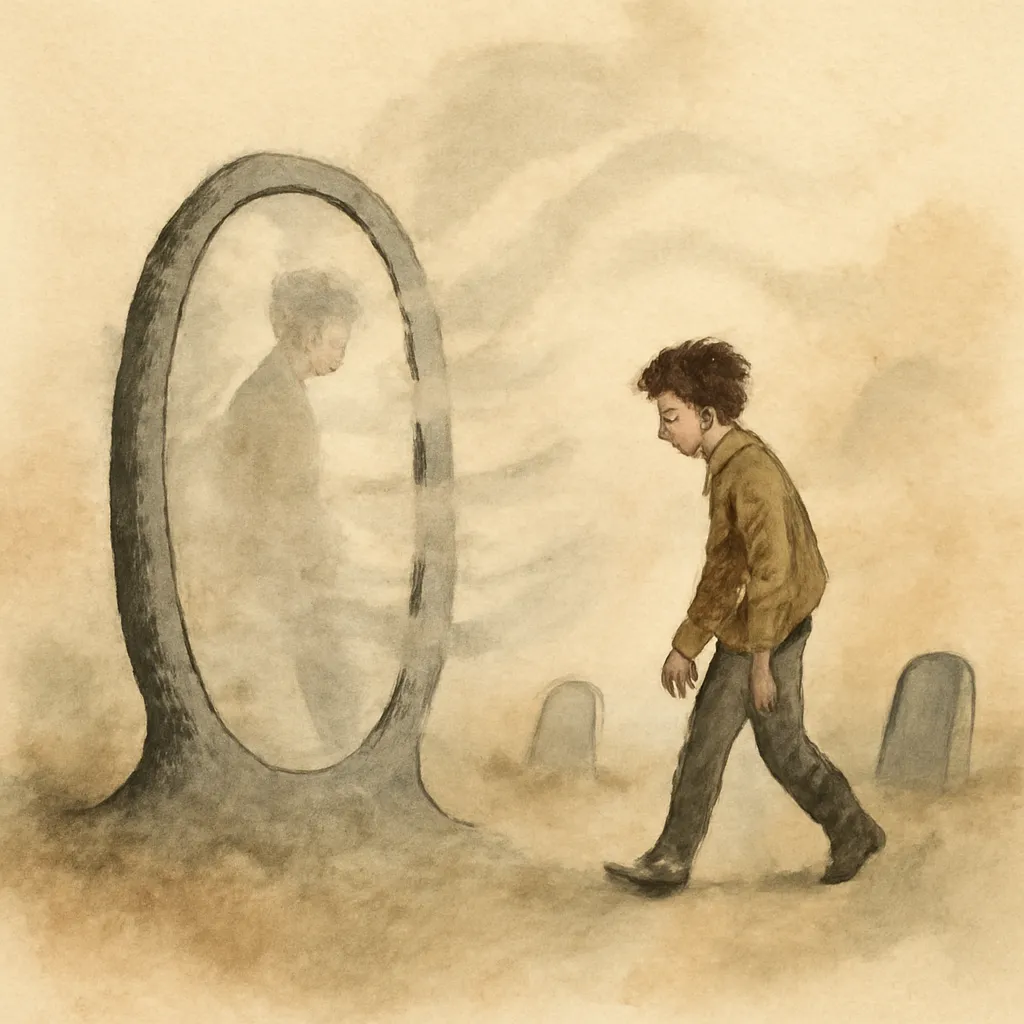
At its core, The Graveyard Book is a coming-of-age story, but one set in a world where the boundaries between life and death are blurred. Bod’s upbringing among the dead allows Gaiman to explore universal themes of childhood, independence, and self-discovery in a highly original context. The graveyard becomes a metaphorical safe haven, but also a place Bod must eventually leave to face the wider world, mirroring the journey every child must make into adulthood.
2.The Power of Community and Family
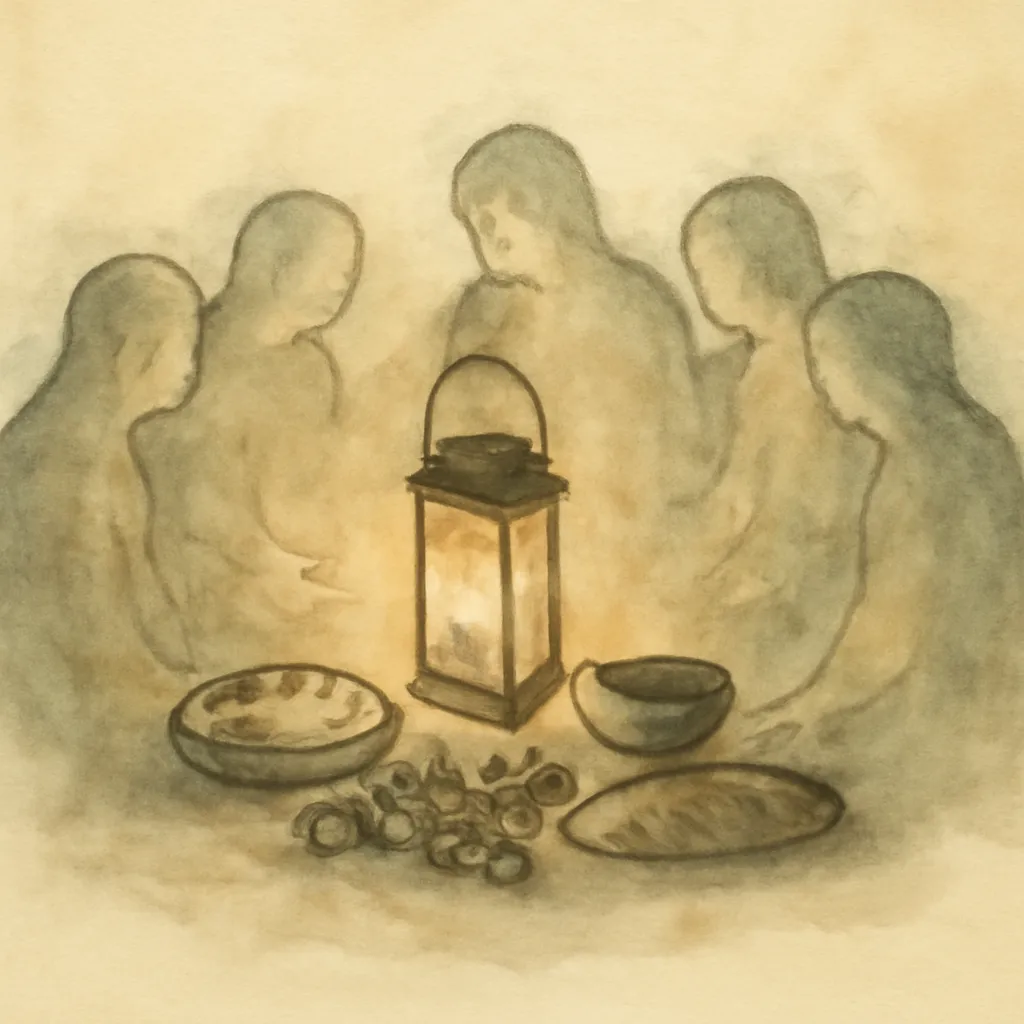
Despite being an orphan, Bod is never truly alone. The ghosts, Silas (his mysterious guardian), and other supernatural residents form a makeshift family, providing him with love, protection, and guidance. Gaiman challenges traditional notions of family, showing that care and belonging can be found in the most unexpected places. The book celebrates the idea that community can transcend the boundaries of life and death.
3.Living with Loss and Facing Fear
Loss is woven throughout the narrative—Bod loses his biological family, and the graveyard itself is a place of endings. Yet, the story is less about mourning and more about resilience and acceptance. Bod learns to face his fears, whether they are supernatural threats or the pain of saying goodbye. The book encourages readers to confront the unknown with bravery, suggesting that growth often comes from stepping outside one’s comfort zone.
4.The Duality of Life and Death
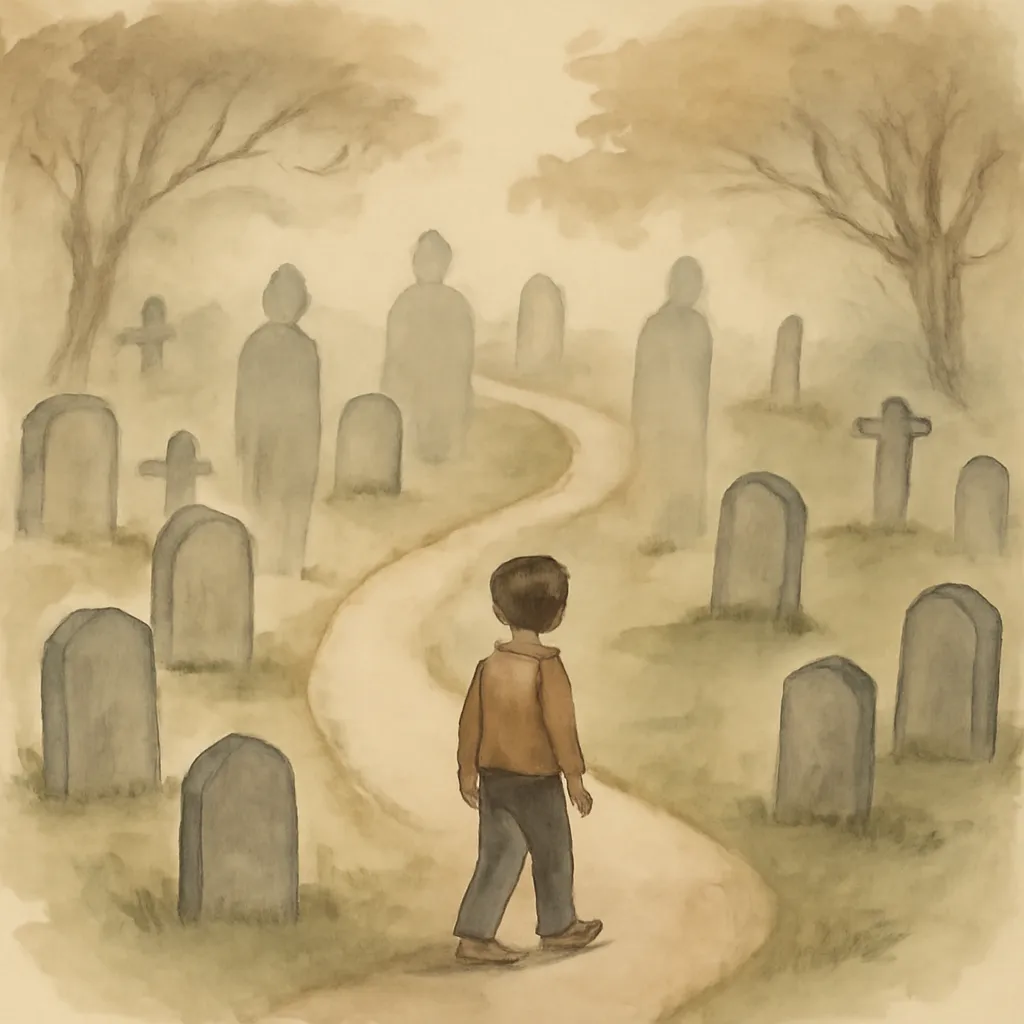
Gaiman uses the graveyard setting to meditate on the interconnectedness of life and death. The dead are not simply gone; they have stories, wisdom, and personalities that shape Bod’s upbringing. This duality is central to the novel, prompting readers to consider mortality not as an end, but as a part of existence that can offer meaning and perspective to the living.
5.The Importance of Identity and Choice
Bod’s journey is also about forging his own identity. Though shaped by his ghostly guardians, he is not defined by them. Throughout the book, Bod must make difficult choices that determine who he will become. Gaiman suggests that identity is not inherited but earned through one’s actions, decisions, and willingness to embrace change.
6.Blending Genres and Literary Traditions
The Graveyard Book draws inspiration from classic works like The Jungle Book, but reimagines them in a gothic, supernatural setting. Gaiman skillfully blends fantasy, horror, and adventure, creating a story that feels both timeless and fresh. The book’s episodic structure and rich cast of characters make it accessible to younger readers while offering layers of meaning for adults.