1.The Destruction of Jerusalem as a Warning
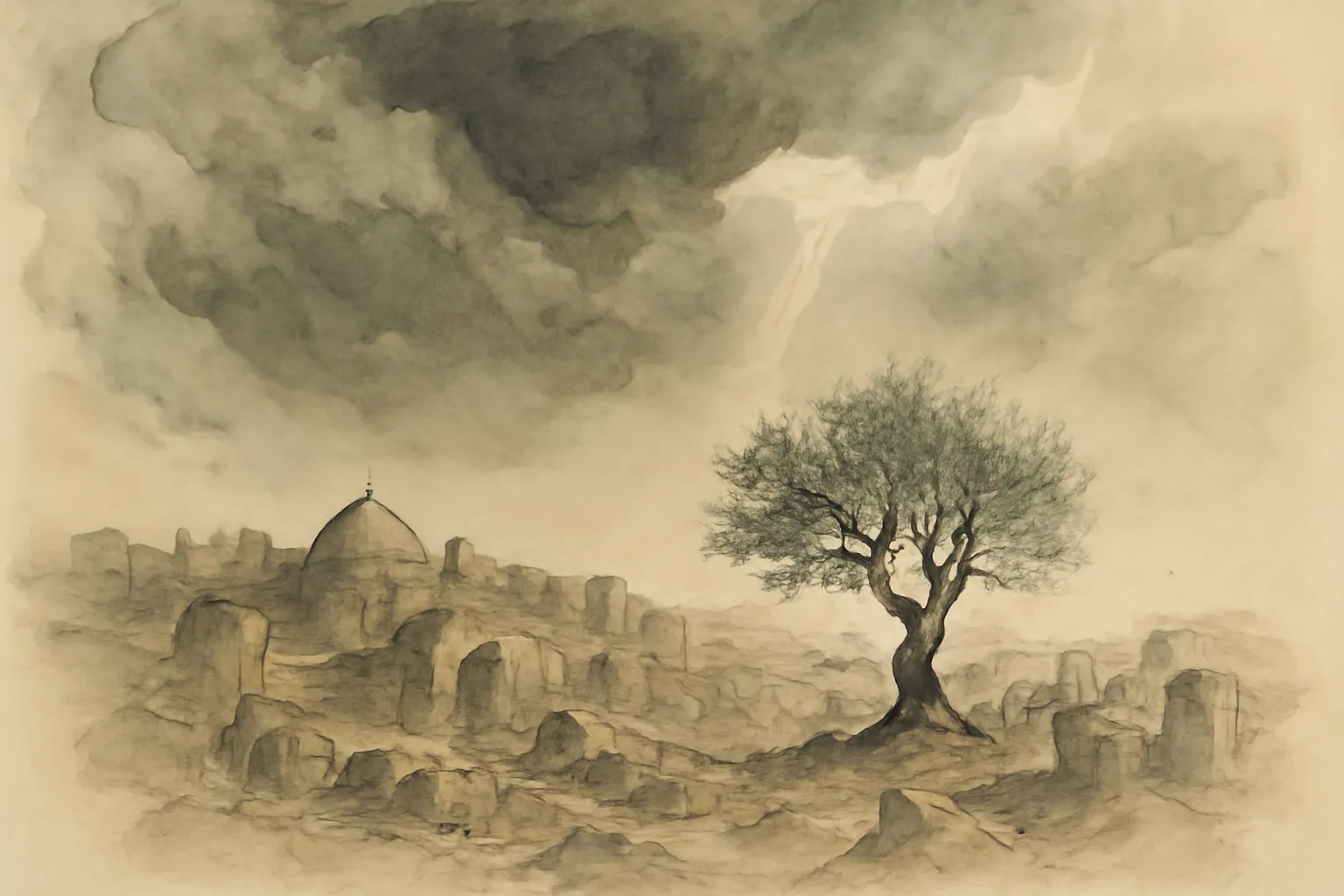
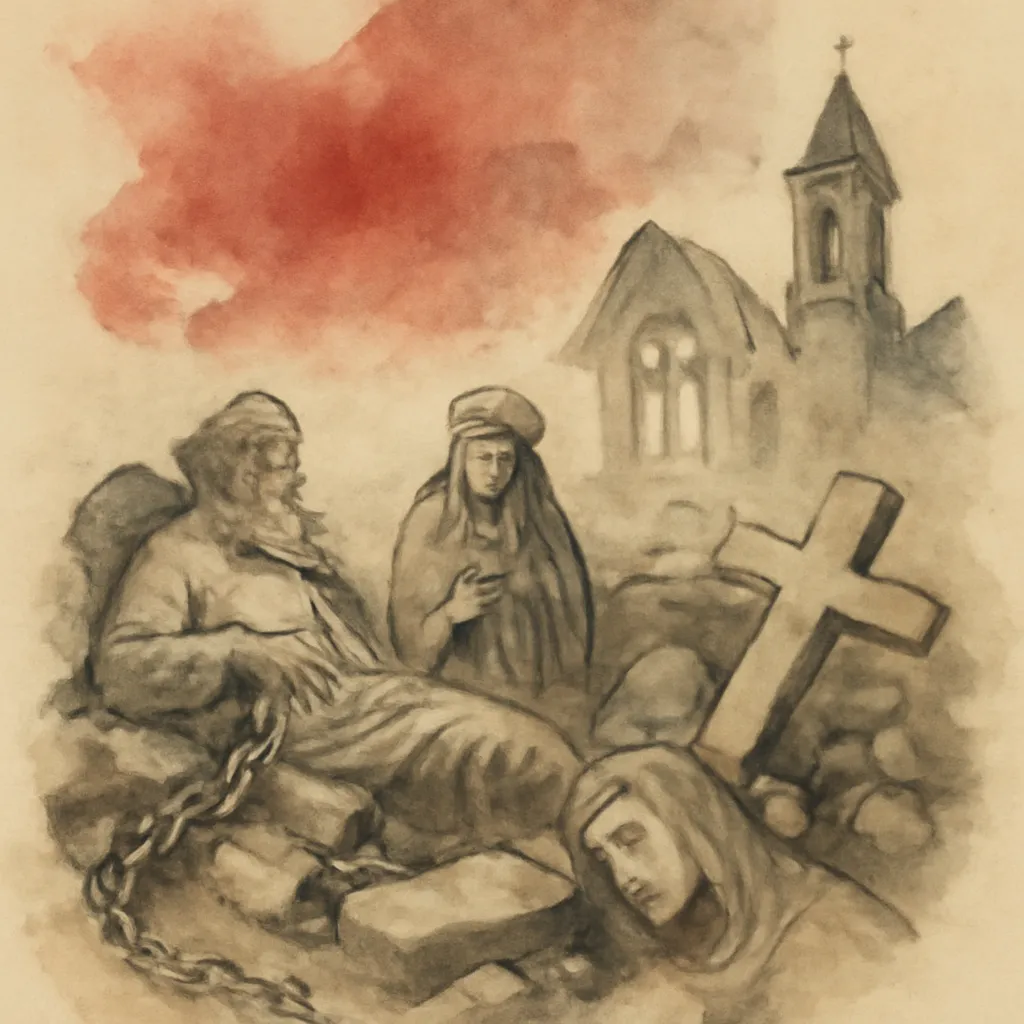
The destruction of Jerusalem stands as a pivotal moment in biblical history, symbolizing the consequences of rejecting divine guidance. As Jesus wept over the city, He foresaw the catastrophic events that would unfold due to the people's failure to recognize their time of visitation. The narrative illustrates a critical principle: ignoring spiritual warnings can lead to dire consequences. Jerusalem's fate serves as a sobering reminder for individuals today about the importance of heeding spiritual truths and the signs of the times. The city's fall was not merely a historical event but a manifestation of the larger battle between good and evil, encapsulating the heart of the great controversy. This serves as a call for vigilance in recognizing and responding to divine guidance in our lives.
2.Persecution and the Early Church's Struggles
The early Christian church faced relentless persecution, a direct result of its unwavering commitment to the teachings of Christ. From the time of Jesus' ascension, His followers encountered hostility and violence, as foretold by Him. The book details how early Christians, from noble to slave, endured torture and death for their beliefs, revealing the fierce enmity against the gospel. Such persecution was not just a historical footnote but a reflection of the ongoing spiritual battle between light and darkness. The triumphant faith of these early martyrs serves as an inspiring example for modern believers facing their own trials. Their experiences underscore the notion that faith can flourish even in the most adverse conditions, illuminating the path for future generations.
3.The Rise of Apostasy
The gradual apostasy within the church, as highlighted in the book, marks a significant turning point in the great controversy. The apostle Paul warned of a 'falling away,' which heralded the emergence of the papacy and the blending of pagan practices with Christian beliefs. This compromise diluted the purity of the gospel and set the stage for centuries of spiritual darkness. The narrative outlines how this process, initially subtle, grew into a formidable system that opposed the very essence of Christianity. It serves as a cautionary tale about the dangers of conforming to societal pressures and the importance of maintaining doctrinal integrity. The historical account encourages readers to critically evaluate their beliefs and the influences shaping them, emphasizing the need for a return to scriptural foundations.
4.The Waldenses: Keepers of the Faith
Amidst the overwhelming darkness of papal supremacy, the Waldenses emerged as beacons of truth, preserving the core tenets of Christianity. They held firmly to the Bible as their sole authority and maintained the practice of the true Sabbath, despite severe persecution. Their resilience in the face of brutality exemplifies the idea that faith can endure through trials. The Waldenses’ legacy serves as a testament to the power of conviction and the necessity of preserving spiritual heritage against oppressive forces. Their story is a reminder that even when the majority succumbs to apostasy, a faithful remnant can keep the light of truth alive. This account inspires contemporary believers to uphold their convictions, regardless of societal trends.
5.John Wycliffe: The Morning Star of the Reformation
John Wycliffe's role as the 'morning star of the Reformation' highlights the importance of individual courage in the face of institutional opposition. His commitment to translating the Bible into the vernacular made the scriptures accessible to the common people, igniting a thirst for truth. Wycliffe's teachings laid the groundwork for future reformers by challenging the authority of the church and advocating for the primacy of scripture. His life illustrates the profound impact that one individual can have on the course of history through unwavering faith and determination. The resistance he faced from the established church underscores the reality of the great controversy, where truth often encounters fierce opposition. Wycliffe's legacy inspires modern believers to pursue and share the truth fearlessly.
6.The Role of Reformers: Luther and Zwingli
Martin Luther and Ulrich Zwingli exemplify the diverse approaches to reforming the church during a time of widespread corruption. Luther's bold challenge to papal authority, particularly during his famous appearance at the Diet of Worms, showcased his commitment to scriptural truth, even at the risk of his life. His 95 Theses sparked a movement that resonated across Europe, emphasizing salvation by faith alone. In contrast, Zwingli's reforms in Switzerland reflected a different theological emphasis, focusing on the authority of scripture in worship practices. Together, these reformers highlight the multifaceted nature of the Reformation, demonstrating that while the core message remained constant, the expressions of faith could vary. Their stories remind readers of the importance of standing firm in one's convictions and the potential for collective impact when believers unite for a common cause.
7.The Protestant Princes and the Stand for Religious Freedom
The Protest of the princes at the Diet of Spires in 1529 marked a significant moment in the fight for religious freedom, establishing the foundation for Protestantism. This act of defiance against the emperor's edict represented not just a political stance but a principled stand for the right to worship according to one's conscience. The courage displayed by these princes inspired future generations to advocate for religious liberty and the right to dissent. Their protest encapsulated the essence of Protestantism, emphasizing individual conscience over institutional authority. This historical moment serves as a reminder of the ongoing struggle for freedom of belief and the importance of standing up for one's convictions in the face of opposition. It encourages believers today to value and protect their religious freedoms.
8.The Impact of the French Revolution
The French Revolution serves as a dramatic illustration of the consequences of rejecting biblical truths and the dangers of a society devoid of moral foundations. The revolution was, in part, a response to the oppressive practices of the church, which had long suppressed the scriptures and led the people into darkness. As the revolution unfolded, it became clear that the absence of divine guidance resulted in chaos and violence. The book argues that the revolution exemplified the fallout of centuries of papal tyranny, where the suppression of the Bible led to a rejection of all authority, including God’s. This historical context underscores the importance of upholding biblical principles in society and serves as a warning against the consequences of forsaking spiritual truths. The lessons from this tumultuous period remain relevant, urging individuals to advocate for a return to godly principles in governance and society.
9.The Great Religious Awakening
The great religious awakening, as foretold in Revelation, heralded a revival of interest in the second coming of Christ. This movement encouraged believers to return to the core message of the gospel and prepare for the impending judgment. The book emphasizes that this awakening was not merely a spontaneous event but a divinely orchestrated response to the spiritual needs of the time. The first angel’s message calling for reverence and worship of God resonated with people across the globe, sparking a renewed emphasis on personal faith and holiness. This awakening serves as a reminder of the cyclical nature of spiritual revivals throughout history, where God calls His people back to Him during times of spiritual decline. It encourages contemporary believers to seek a deeper relationship with God and to be watchful for the signs of His return.
10.The Investigative Judgment and the Role of the Sanctuary
The concept of the investigative judgment provides a crucial understanding of God’s plan for humanity in the context of the great controversy. The sanctuary, as described in the book, serves as the central focus of this judgment, revealing the ongoing work of Christ as our High Priest. The understanding that Christ entered the holy of holies in 1844 to begin this phase of judgment underscores the urgency of the message for believers today. This doctrine emphasizes the importance of living a life in harmony with God’s commandments and being prepared for His return. The investigative judgment is a reminder of the accountability each individual has before God, reinforcing the need for repentance and faithfulness. This teaching encourages believers to maintain a vigilant and active faith, recognizing the significance of their relationship with God in light of the heavenly judgment.