1.The War as a Crisis of Language
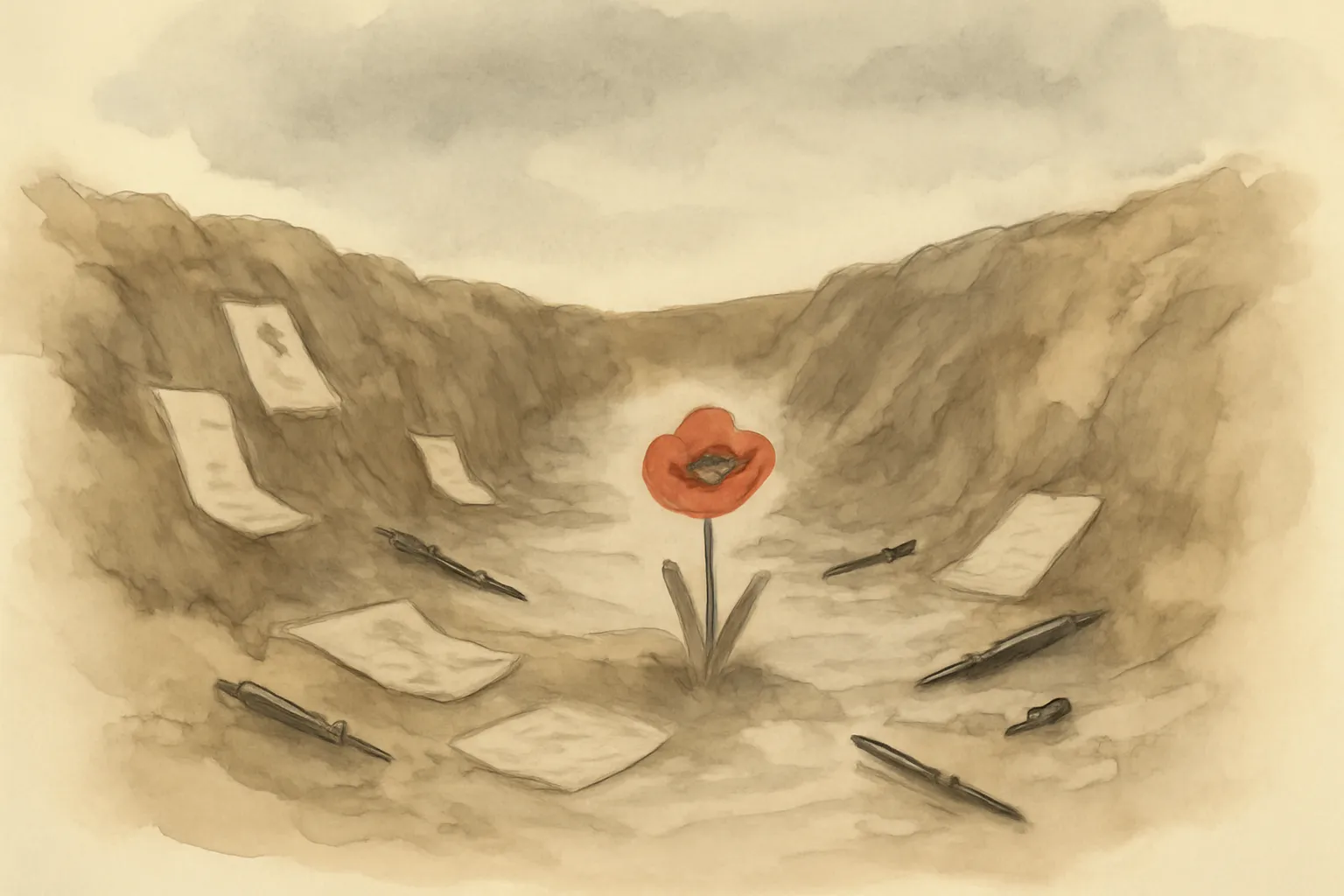
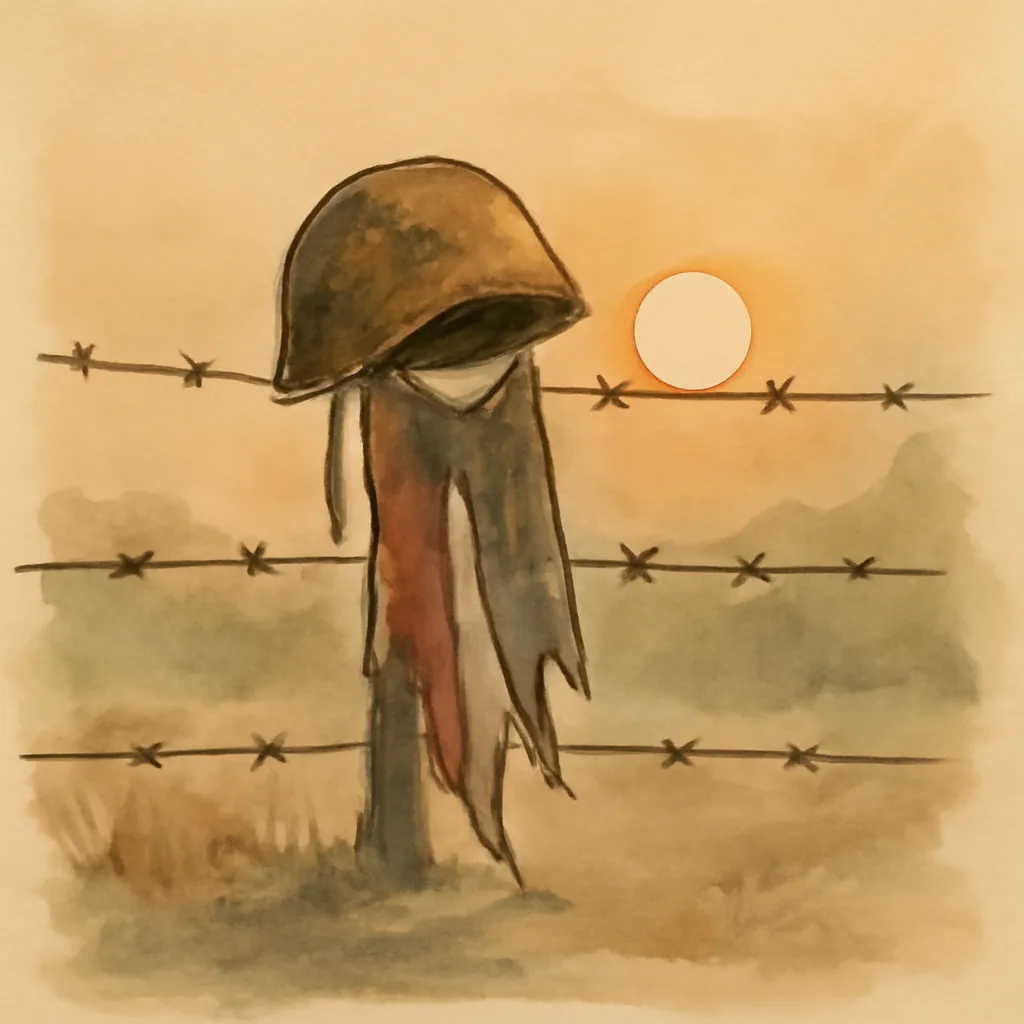
Fussell argues that the unprecedented horrors of trench warfare shattered traditional ways of describing and understanding experience. The old heroic and romantic language proved inadequate for the mud, terror, and irony of the Western Front. Writers and poets responded by forging new literary forms and metaphors, often marked by irony, understatement, and dark humor. This linguistic crisis, Fussell suggests, permanently altered the way war and suffering are represented in Western culture.
2.Myth, Memory, and the Construction of Meaning
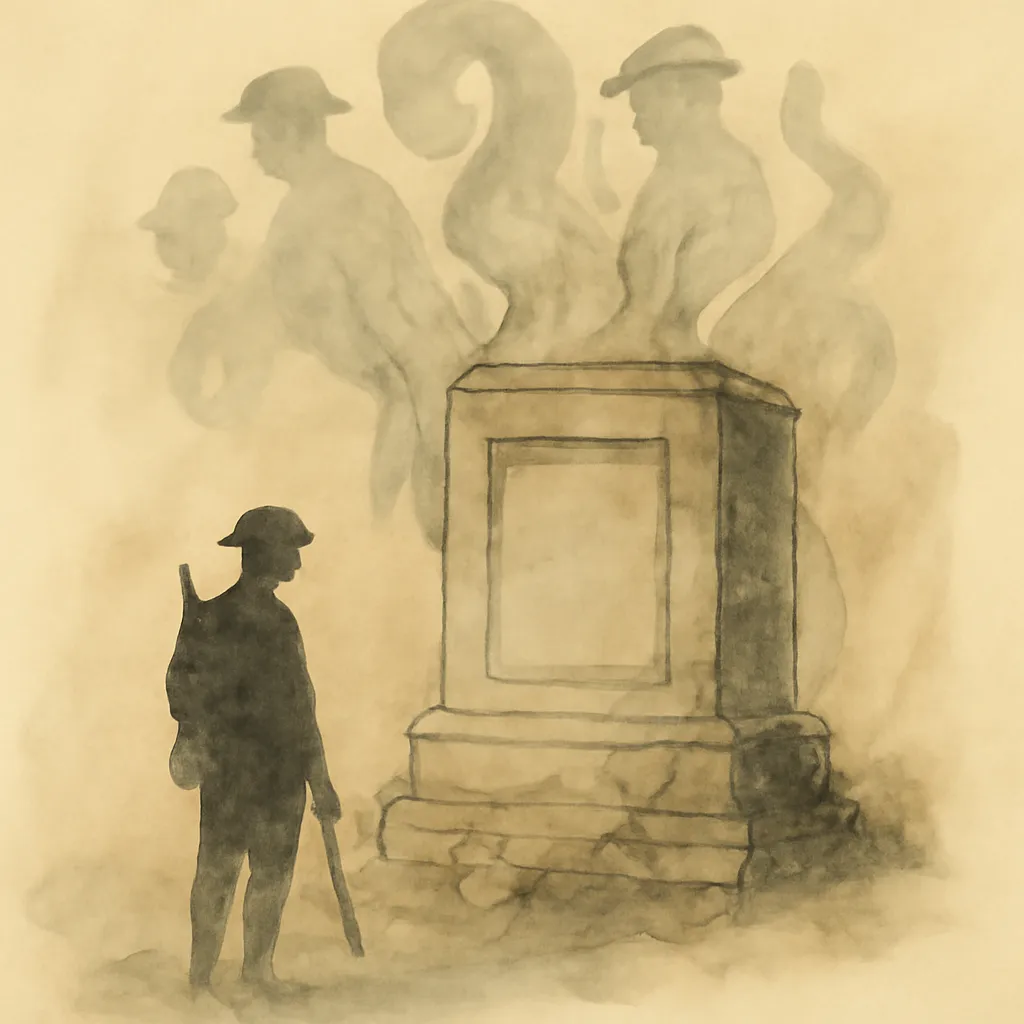
The book explores how the collective memory of World War I was shaped by myth-making. Fussell shows how soldiers and later generations constructed narratives—of sacrifice, futility, and lost innocence—that both reflected and distorted the reality of the trenches. Through poetry, memoir, and popular culture, the war became a symbol of the modern condition: disillusioned, ironic, and haunted by loss.
3.The Power of Literary Testimony
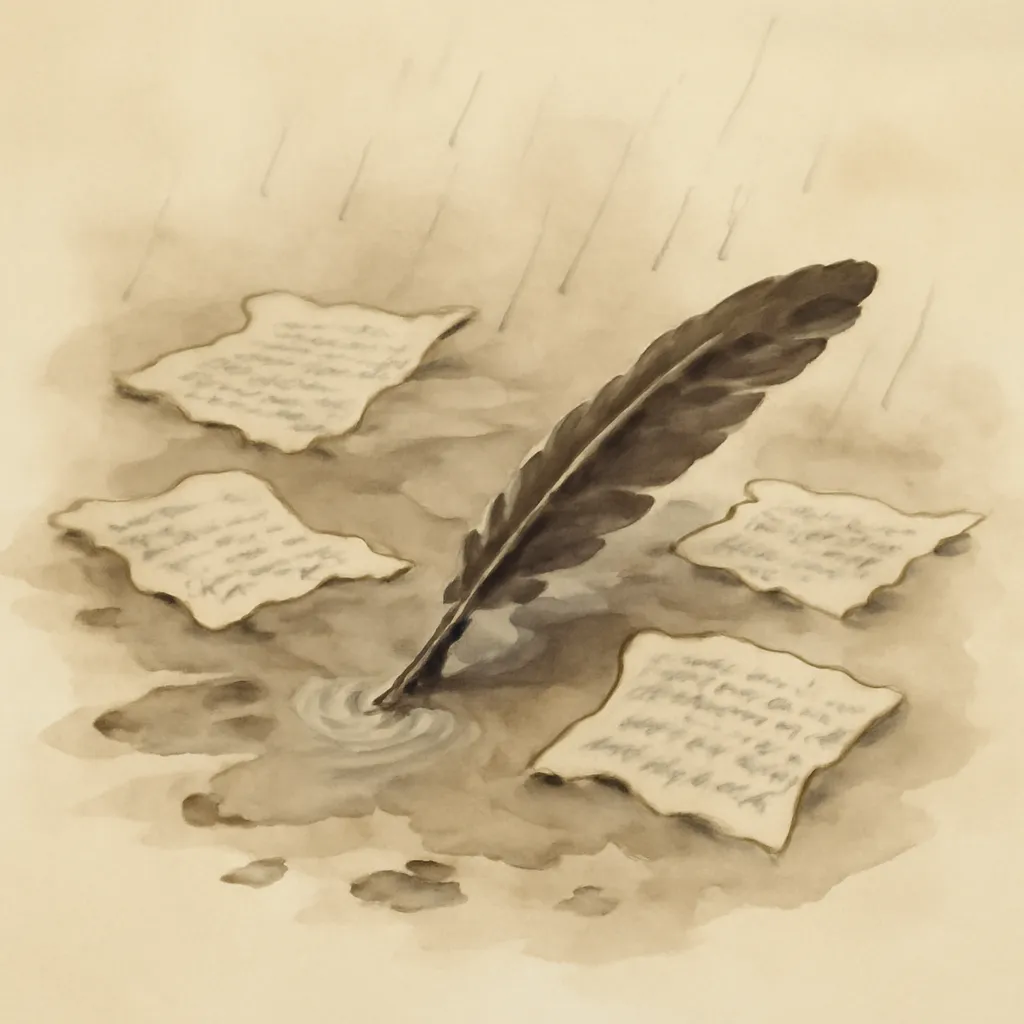
Drawing on the works of poets like Wilfred Owen and Siegfried Sassoon, as well as memoirists such as Robert Graves, Fussell demonstrates how literature became the primary vehicle for expressing the war’s psychological and emotional truths. These writers, he argues, not only documented their experiences but also shaped how future generations would understand the war—emphasizing its absurdities, tragedies, and ironies.
4.Irony as the Defining Tone
Fussell identifies irony as the prevailing mode of World War I literature. The gap between official rhetoric and the grim realities of the front produced a pervasive sense of bitter humor and skepticism. This ironic sensibility, Fussell contends, became a hallmark of modern literature and a coping mechanism for survivors grappling with trauma and disillusionment.
5.The Enduring Legacy of the War’s Imagery
Images and metaphors born in the trenches—mud, darkness, the journey, the abyss—became central to twentieth-century literature and even everyday language. Fussell traces how these motifs recur in later works, shaping not only how we remember World War I but also how we imagine all subsequent wars and catastrophes.
6.The Transformation of Cultural Expectations
The war, Fussell argues, marked a turning point in Western culture’s expectations about progress, heroism, and the nature of reality. The optimism of the prewar era gave way to skepticism and a sense of lost innocence. This transformation is evident in the literature of the period and in the broader cultural mood that followed.