1.Eyewitness to History
Fisk’s narrative is built on his direct experience as a journalist covering the Middle East over three tumultuous decades. Rather than relying solely on secondary sources or official accounts, he brings readers into the field alongside him, sharing vivid, sometimes harrowing encounters with war, revolution, and the ordinary people caught in between. This personal approach not only humanizes the conflicts but also challenges sanitized or simplistic versions of events, emphasizing the complexity and tragedy of real lives disrupted by violence.
2.The Legacy of Empire
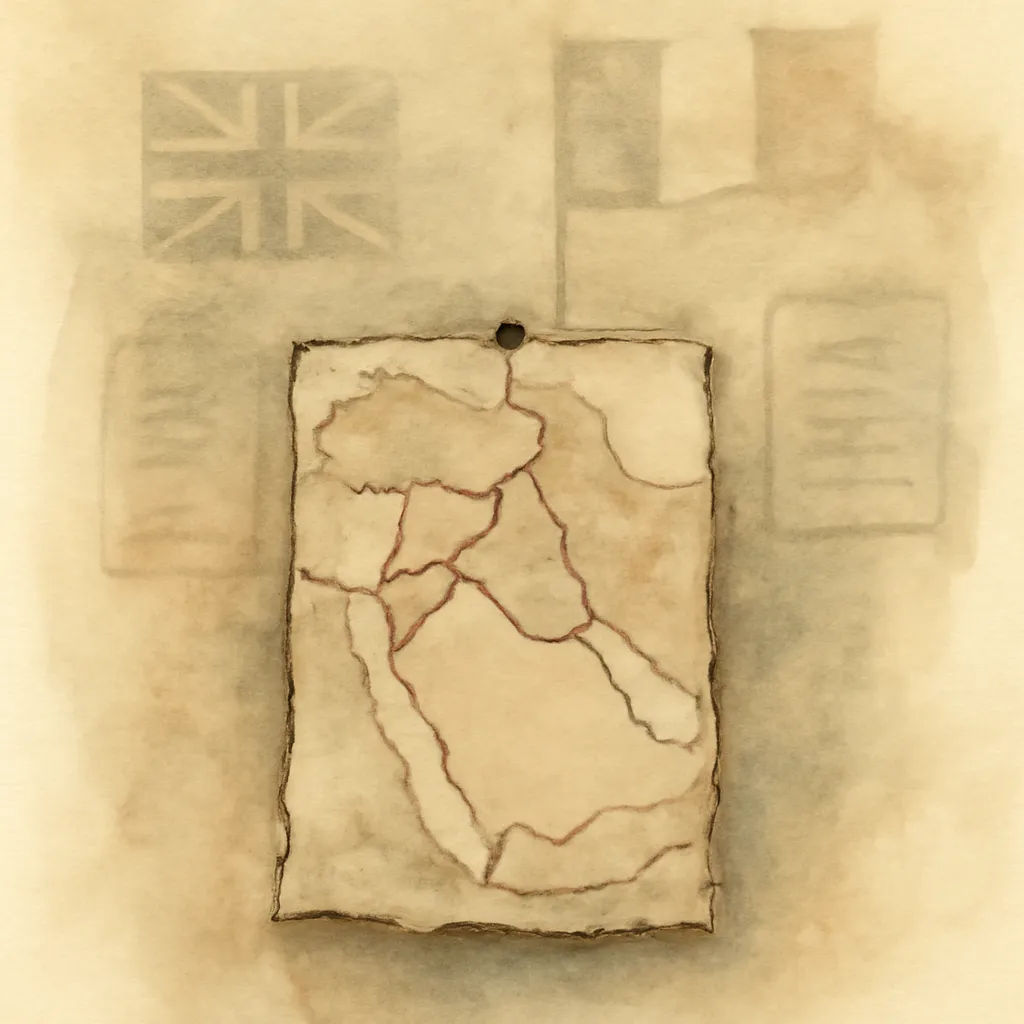
A recurring theme in the book is the enduring impact of Western imperialism—British, French, American—on the Middle East. Fisk traces how arbitrary borders, colonial interventions, and betrayals (such as the Sykes-Picot Agreement and Balfour Declaration) set the stage for decades of instability and resentment. He argues that many of today’s crises are rooted in these historical wounds, and that Western powers often repeat the same mistakes, misunderstanding or disregarding the region’s realities.
3.The Human Cost of War
Fisk refuses to let readers forget the suffering endured by civilians. Through detailed reporting on events like the Iran-Iraq War, the Lebanese Civil War, and the wars in Afghanistan and Iraq, he documents atrocities, displacement, and the psychological toll of endless conflict. His focus on victims—often ignored by policymakers and media—serves as a moral indictment of those who wage war with little regard for its consequences.
4.The Failure of Western Policy
The book is unsparing in its critique of Western governments, especially the United States and Britain, for their role in perpetuating violence and instability. Fisk examines how interventions, alliances with authoritarian regimes, and double standards in foreign policy have fueled anti-Western sentiment and undermined prospects for peace. He suggests that ignorance and arrogance, more than malice, drive these failures, but the results are no less devastating.
5.The Power and Limits of Journalism
Fisk reflects on the role of the journalist as both witness and participant. He grapples with the ethical dilemmas of reporting from war zones, the challenge of conveying truth amid propaganda, and the personal toll of chronicling so much suffering. Yet he insists on the importance of bearing witness, believing that honest, unflinching reporting can counter official narratives and preserve the memory of those otherwise forgotten.
6.Memory, Narrative, and Accountability
Throughout the book, Fisk explores how history is remembered—and misremembered—in the Middle East. Competing narratives, collective amnesia, and the manipulation of memory by those in power perpetuate cycles of violence and misunderstanding. By meticulously documenting events and giving voice to survivors, Fisk seeks to challenge these distortions and demand accountability from both local and global actors.