1.The Resilience of Community
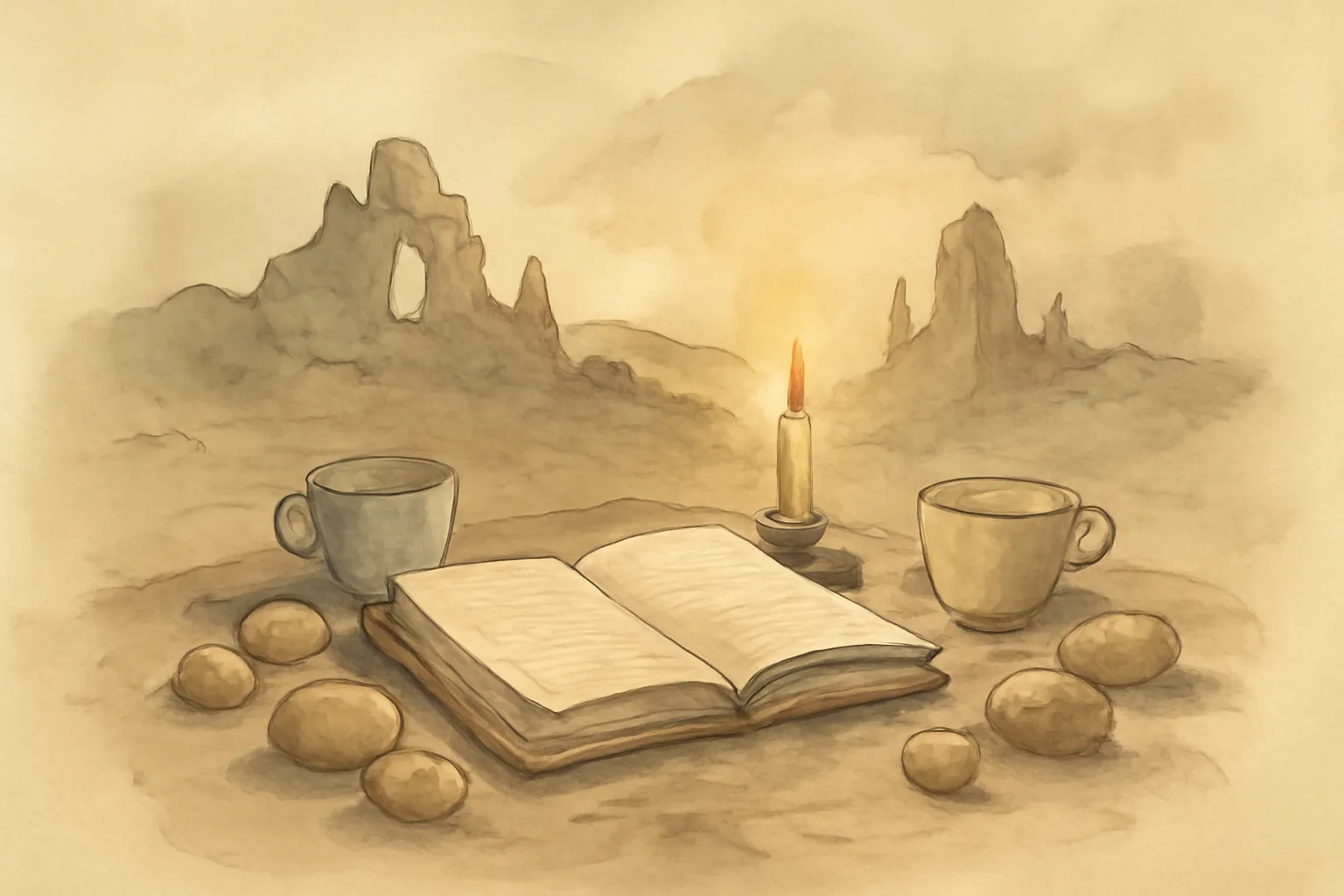
At its core, the novel is a celebration of how ordinary people band together in extraordinary circumstances. The Guernsey Literary and Potato Peel Pie Society forms as a ruse, but quickly becomes a lifeline for its members during the German occupation. Their shared love of books fosters solidarity, humor, and hope, showing how community can be both a shield and a source of healing after trauma.
2.Literature as Lifeline
Books are not just a pastime for the characters—they are a means of survival. The story explores how reading offers escape, comfort, and even resistance in the face of oppression. The members’ discussions about literature reveal how stories can shape identity, provide solace, and nurture resilience, especially when the outside world feels bleak.
3.The Power of Correspondence
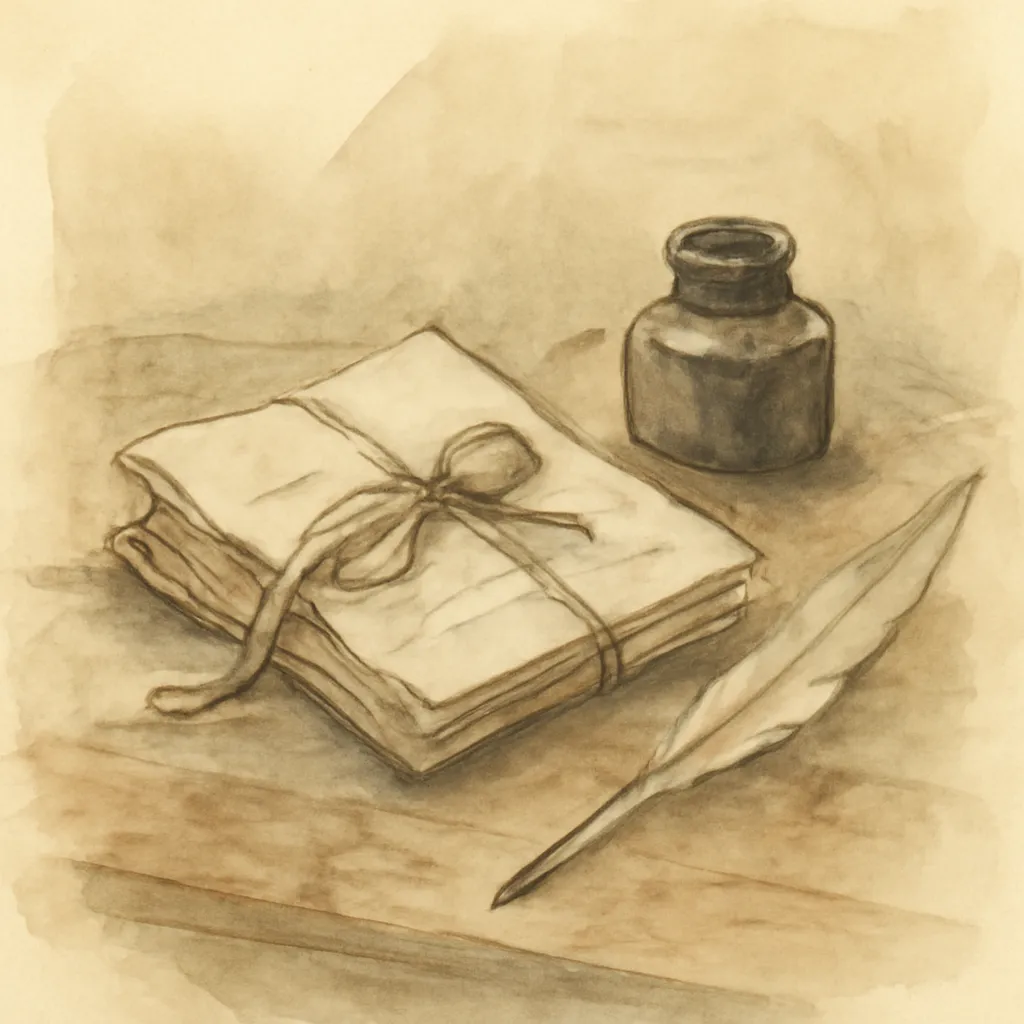
Told entirely through letters, the novel highlights the intimacy and authenticity of written communication. The epistolary format allows readers to witness relationships blossom and truths emerge organically. Through these exchanges, characters reveal vulnerabilities and forge connections that transcend distance and circumstance.
4.Rebuilding After War
Set in the aftermath of World War II, the novel examines the lingering scars of occupation—loss, guilt, and the challenge of rebuilding lives. It doesn’t shy away from the traumas endured but balances them with moments of humor, kindness, and the slow process of healing. The story suggests that moving forward requires both remembering and reaching out.
5.Finding Family Beyond Blood
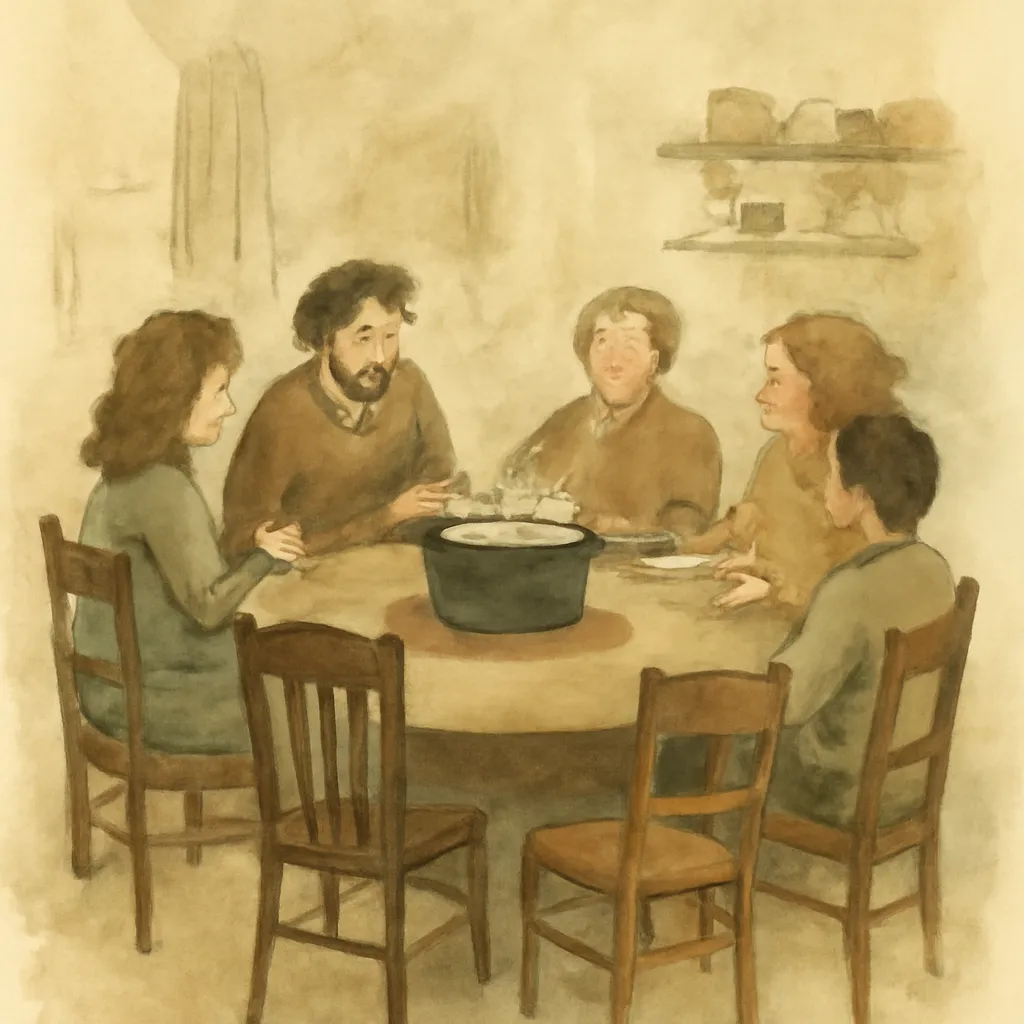
The society’s members are a motley crew, bound not by kinship but by shared experience and affection. The book explores how chosen families can be as vital as biological ones, offering acceptance, support, and a sense of belonging. Juliet’s journey to Guernsey becomes a search for home in the truest sense.
6.Eccentricity and Humanity
The novel delights in the quirks and foibles of its characters, from pig farmers with literary opinions to a phrenologist with a penchant for Dickens. Their eccentricities are portrayed with warmth and humor, emphasizing that individuality and imperfection are what make communities vibrant and resilient.