1.The Roots of Heraldry
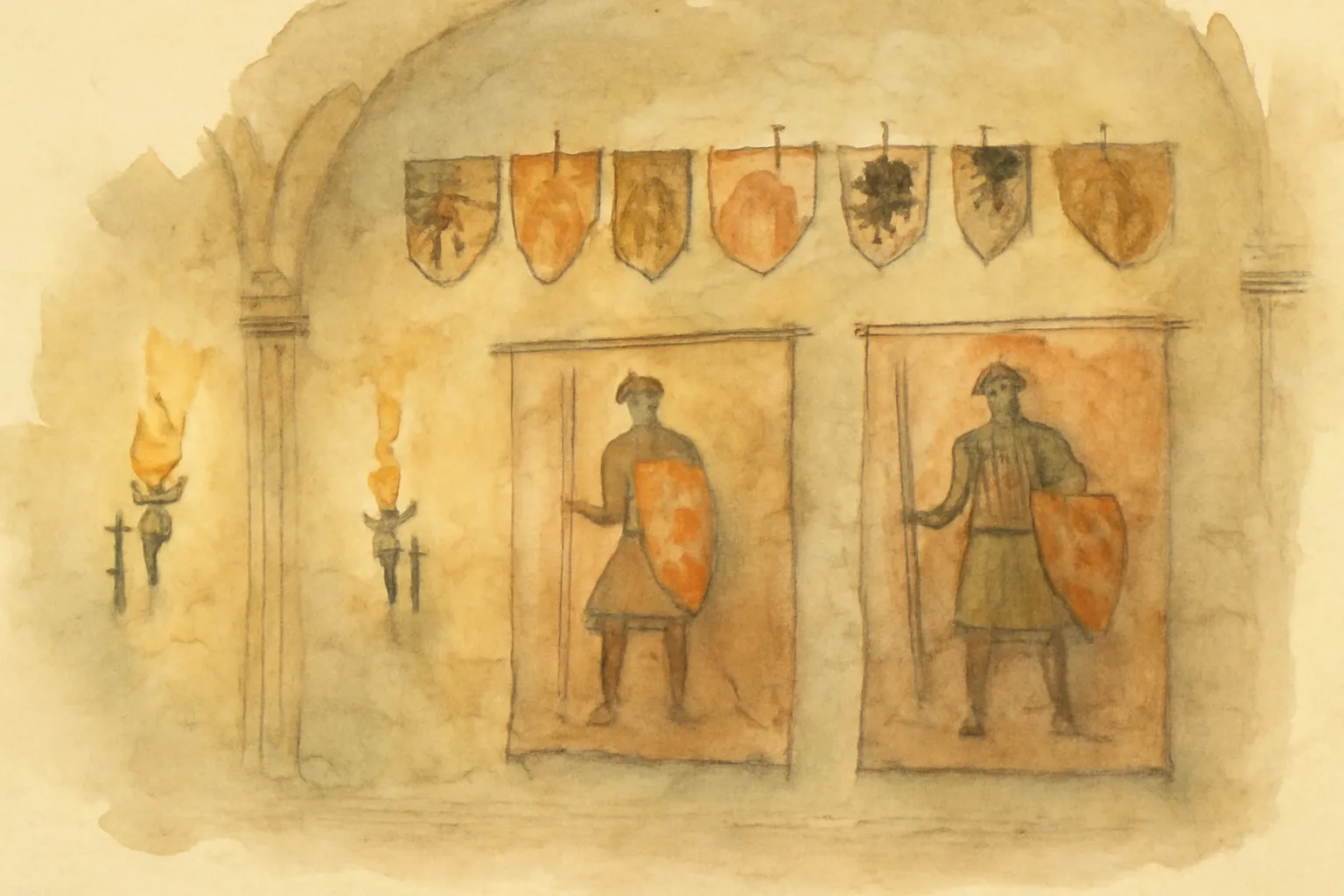
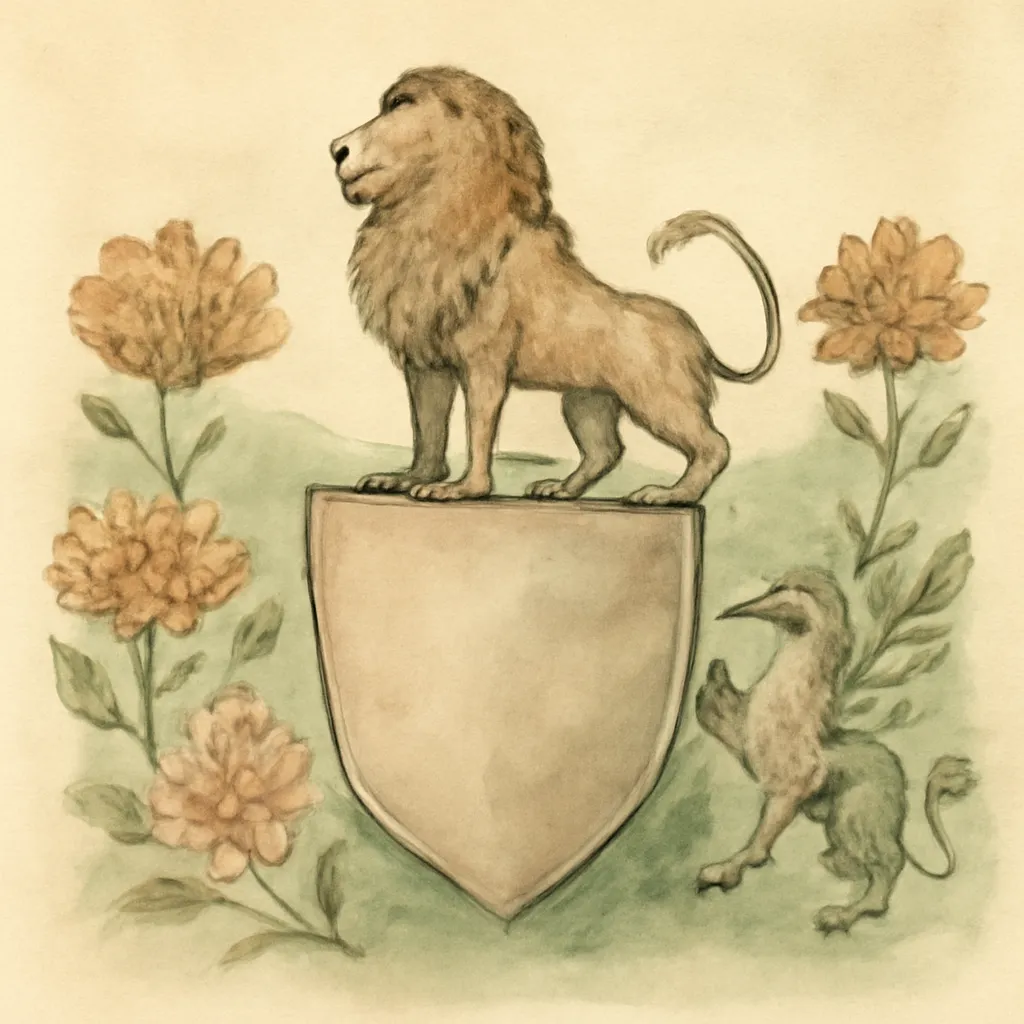
Heraldry originated in the feudal system of the Middle Ages, serving as a practical means of identification in battle and tournaments. Initially, it was crucial for distinguishing knights and their allegiances on the battlefield, where armor obscured personal features. The vibrant symbols and colors used in heraldry were not merely decorative; they conveyed stories of lineage, valor, and territorial claims. This system evolved, becoming more than just a tool for identification; it transformed into a language of honor and prestige. The use of heraldic symbols became deeply ingrained in the social fabric of medieval England, reflecting the values and aspirations of the chivalric class. As heraldry grew in complexity, it laid the groundwork for a rich visual vocabulary that continues to influence art and culture today.
2.The Language of Heraldry
The language of heraldry is a unique blend of Norman-French and English, which developed during the early heraldic era. This specialized vocabulary is not just technical; it carries specific meanings and implications that are vital for accurate interpretation. Terms like 'blazon' refer to the formal description of a coat of arms, detailing its colors, symbols, and arrangement. Understanding this language is essential for anyone wishing to delve deeper into heraldic studies. The use of concise yet expressive phrases allows heralds to communicate complex ideas efficiently. For example, the phrase 'Or, a lion rampant sable' conveys a wealth of information in just a few words. This precision is what makes heraldic language both fascinating and challenging, inviting enthusiasts to engage with its nuances.
3.The Significance of Tinctures
Tinctures play a crucial role in heraldry, encompassing metals, colors, and furs that symbolize various traits and values. The two metals—gold (Or) and silver (Argent)—represent wealth and purity, while the five colors—blue (Azure), red (Gules), black (Sable), green (Vert), and purple (Purpure)—each carry their own connotations. Understanding the 'Law of Tinctures' is essential for creating and interpreting heraldic designs. For example, the rule states that a metal should not be placed on another metal, nor a color on another color, which ensures clarity and distinction in heraldic representation. This law not only aids in the aesthetic appeal of coats of arms but also reinforces their symbolic meanings. Thus, each choice of tincture is deliberate, reflecting the identity and values of the bearer.
4.Ordinaries and Their Importance
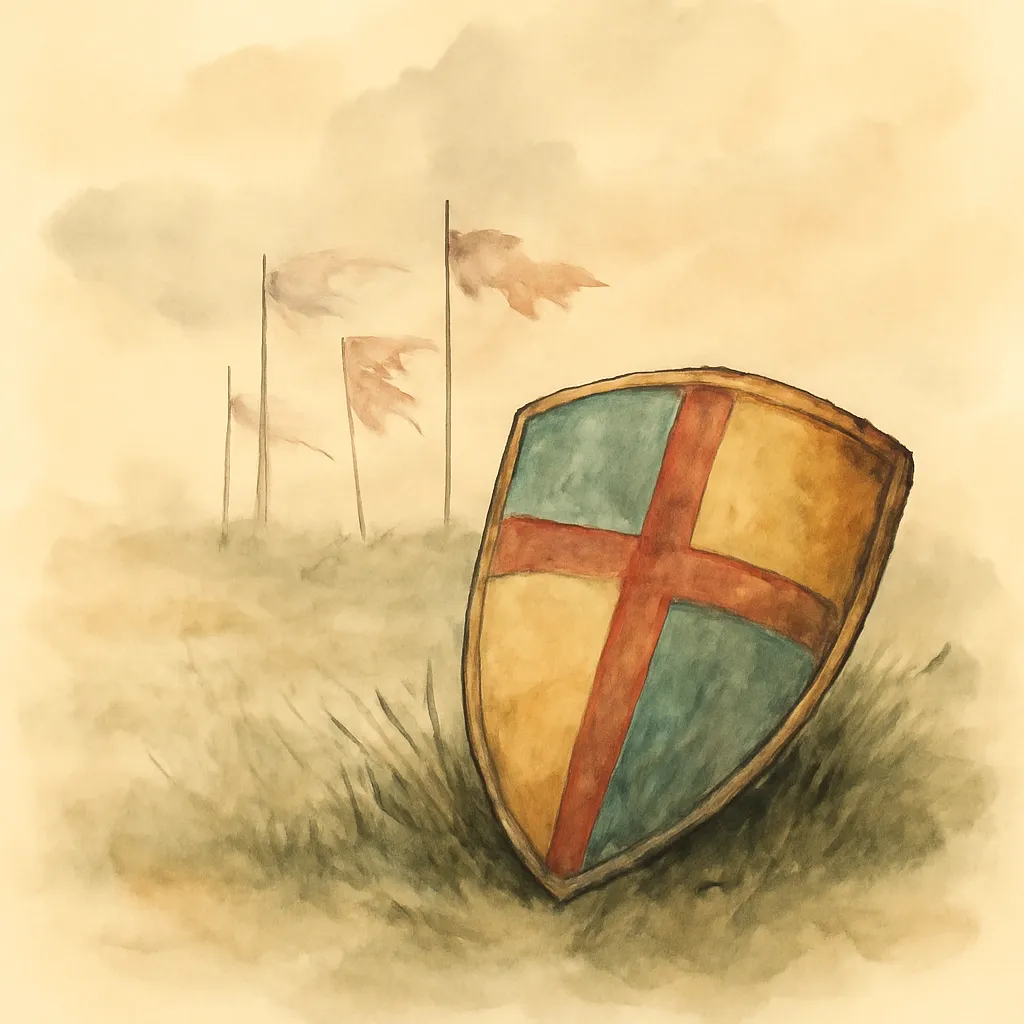
Ordinaries are the fundamental components of heraldic design, representing some of the most recognizable elements in coats of arms. These include the chief, fesse, bar, pale, cross, bend, saltire, chevron, and pile. Each ordinary serves as a foundational shape that can be combined with other symbols to create unique designs. For instance, a 'chief' occupies the upper section of a shield and is often used to denote rank or lineage. The cross, rich in symbolism, often signifies faith and protection. The use of ordinaries not only simplifies the creation of heraldic arms but also establishes a visual hierarchy that communicates the status and achievements of the bearer. The historical significance of these shapes reflects their evolution from practical defensive designs to symbols of noble lineage and honor.
5.The Role of Charges
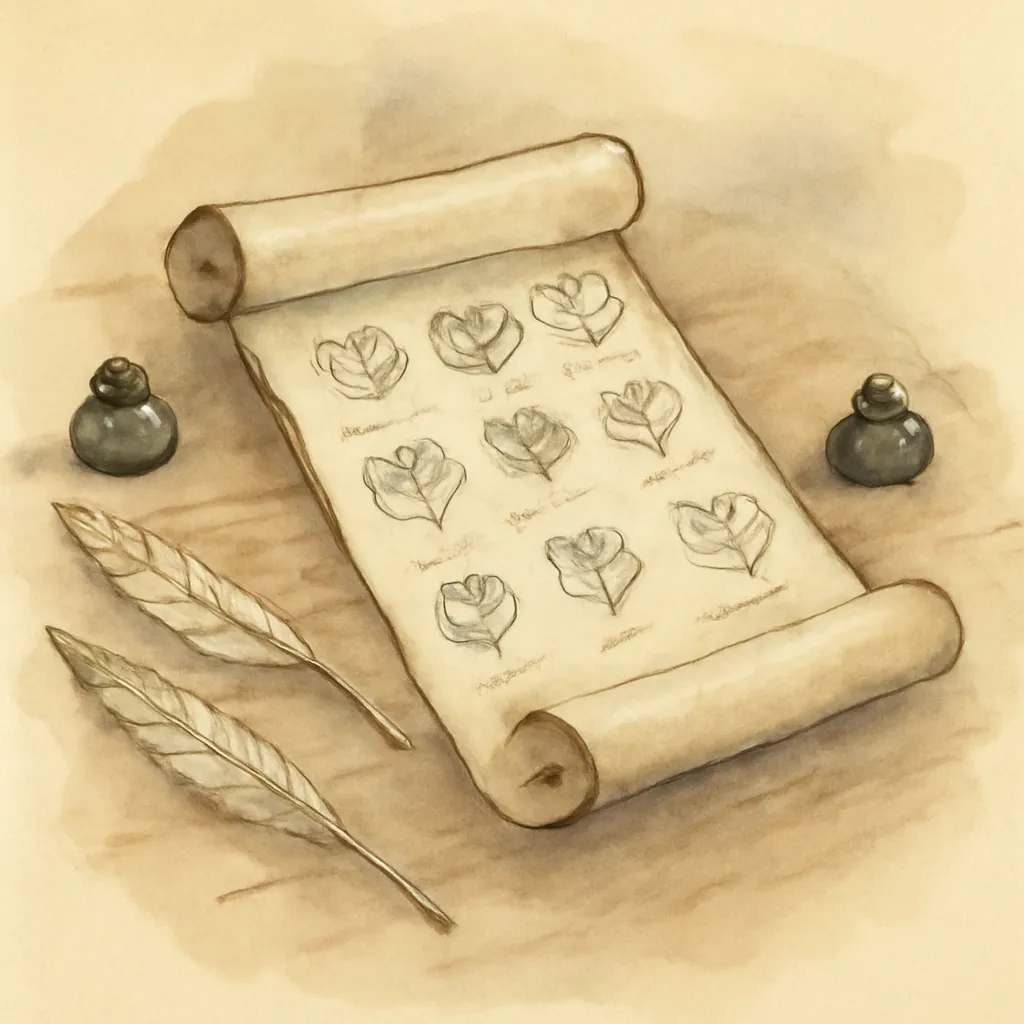
Charges are symbols placed on the field of a shield, adding layers of meaning and personal significance to a coat of arms. These can range from animals and mythical creatures to inanimate objects and natural elements. Each charge carries its own symbolism; for example, lions often represent bravery and nobility, while eagles symbolize strength and vigilance. The choice of charges reflects personal or familial traits, historical events, or territorial claims. The practice of incorporating allusive charges—those that reference a family motto or historical narrative—adds depth to heraldry, allowing for storytelling through visual means. As heraldry evolved, the variety and complexity of charges expanded, leading to the rich diversity of arms we see today. This ability to convey identity and heritage through carefully chosen charges makes heraldry a powerful form of expression.
6.The Importance of Cadency
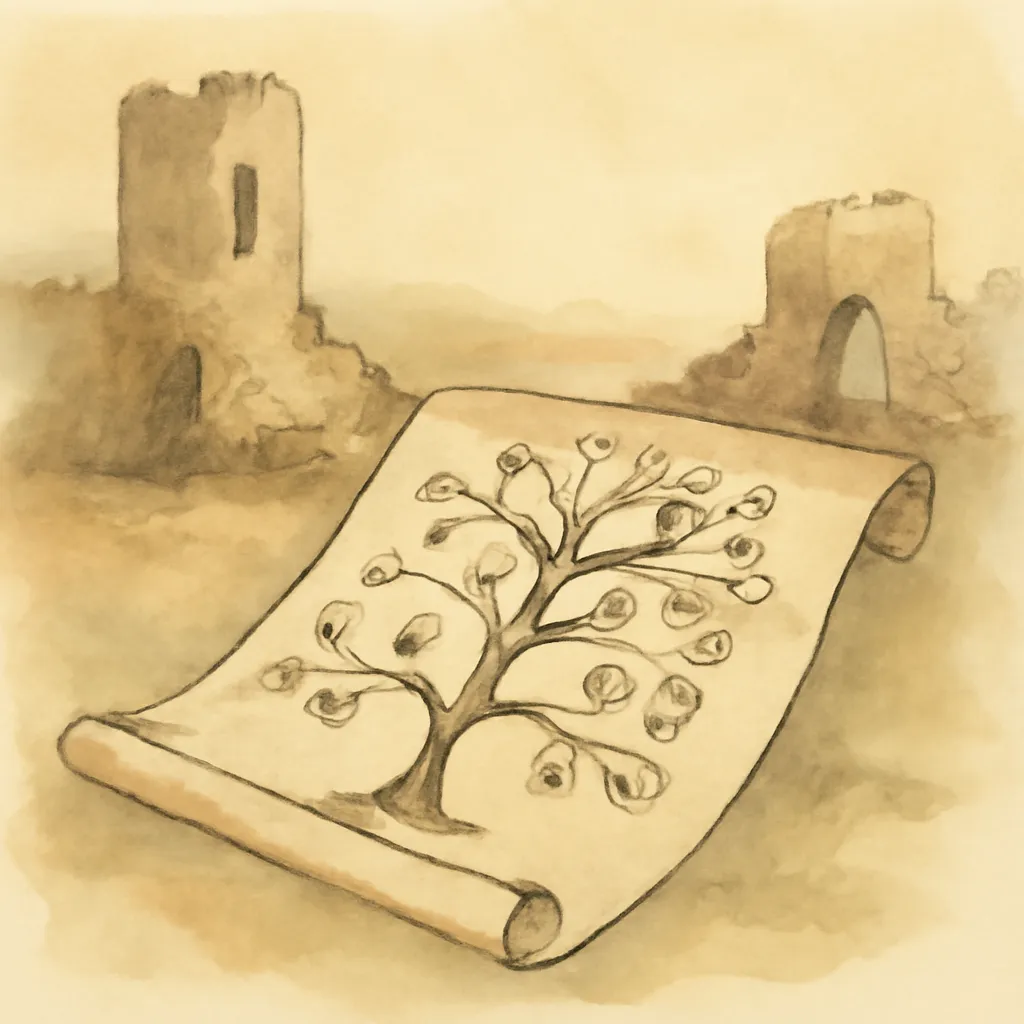
Cadency refers to the marks used to differentiate between the various branches of a family or between siblings. In a society where lineage and inheritance were paramount, distinguishing between different branches of a family was essential. Cadency marks can include labels, bordures, and other small symbols added to the original coat of arms. For instance, a label may be used to denote the first son, while a bordure might indicate a younger branch of the family. This system of cadency not only prevents confusion over identity but also creates a visual representation of family hierarchy and relationships. Understanding cadency is vital for genealogists and heraldists alike, as it provides insight into family dynamics and historical alliances. The marks of cadency serve as a reminder of the importance placed on lineage and status in medieval society.
7.Marshalling Arms
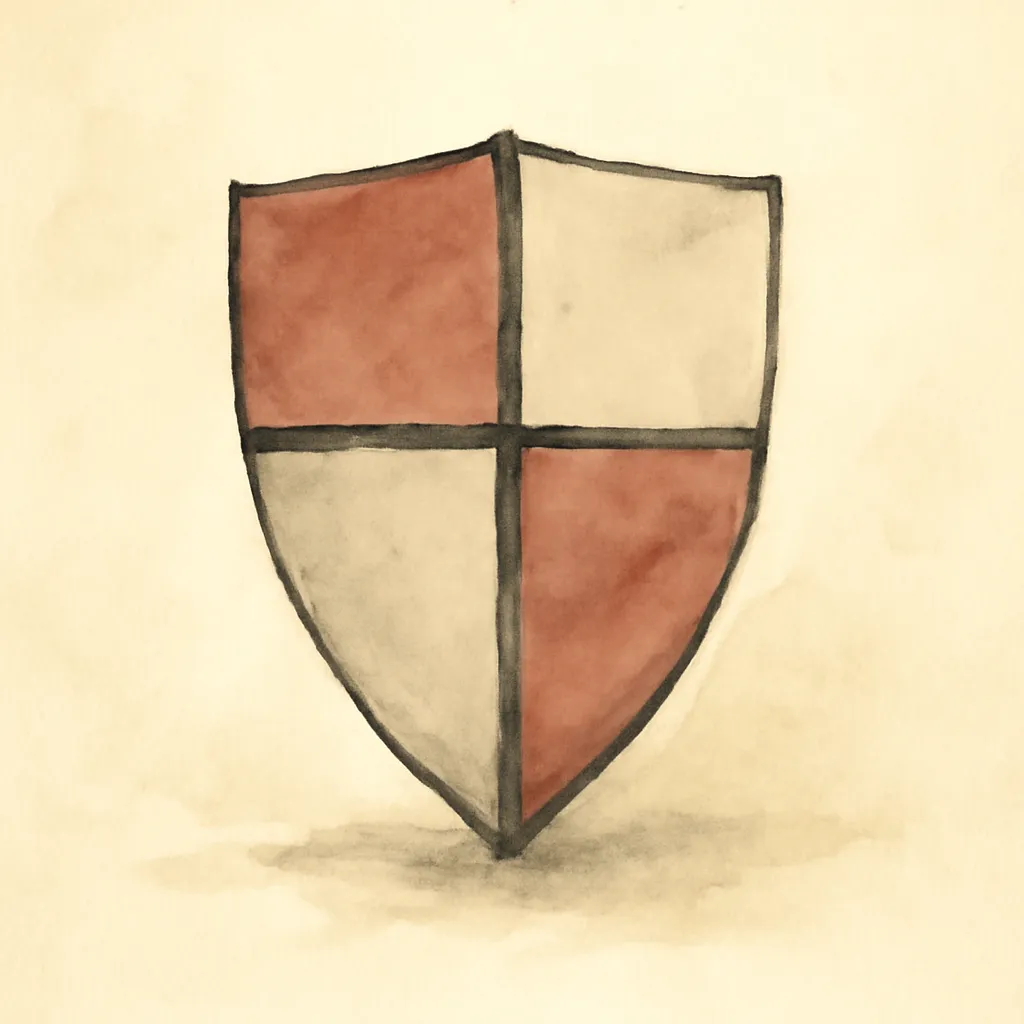
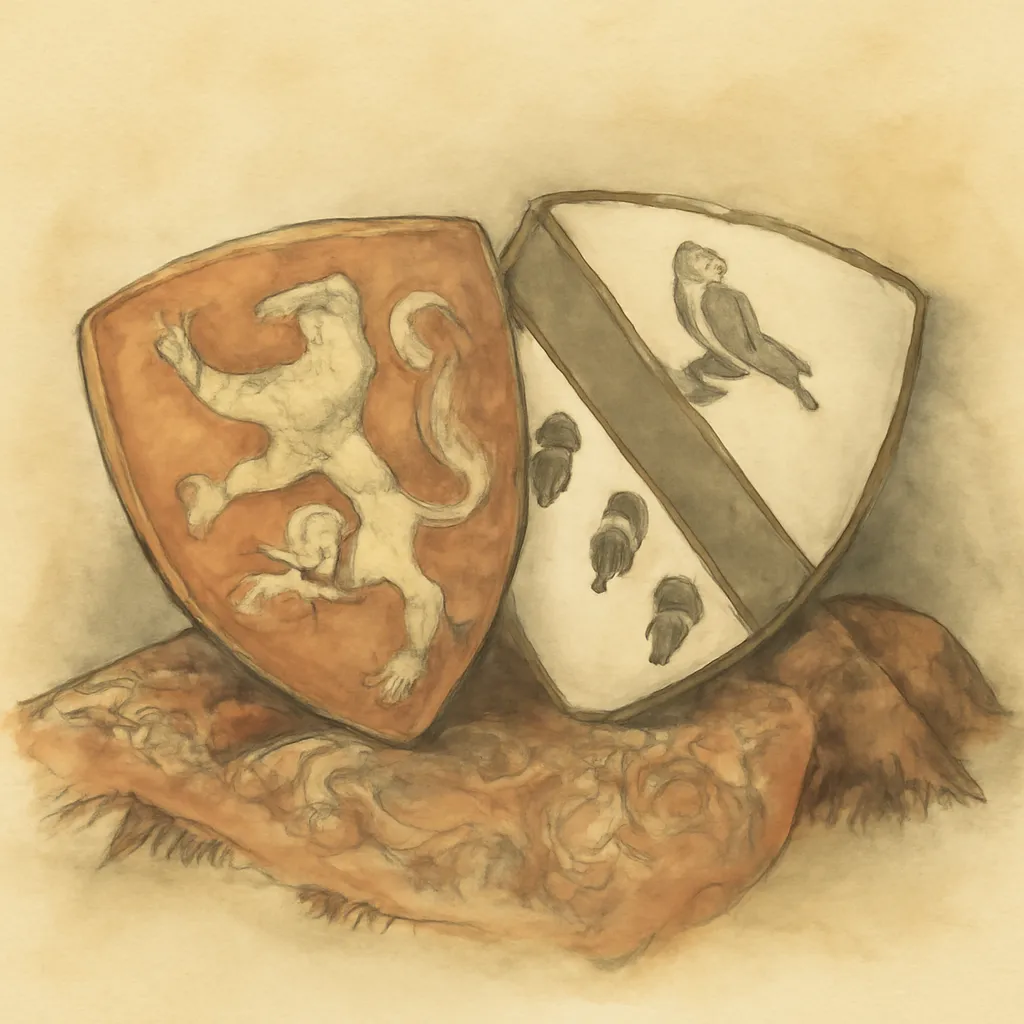
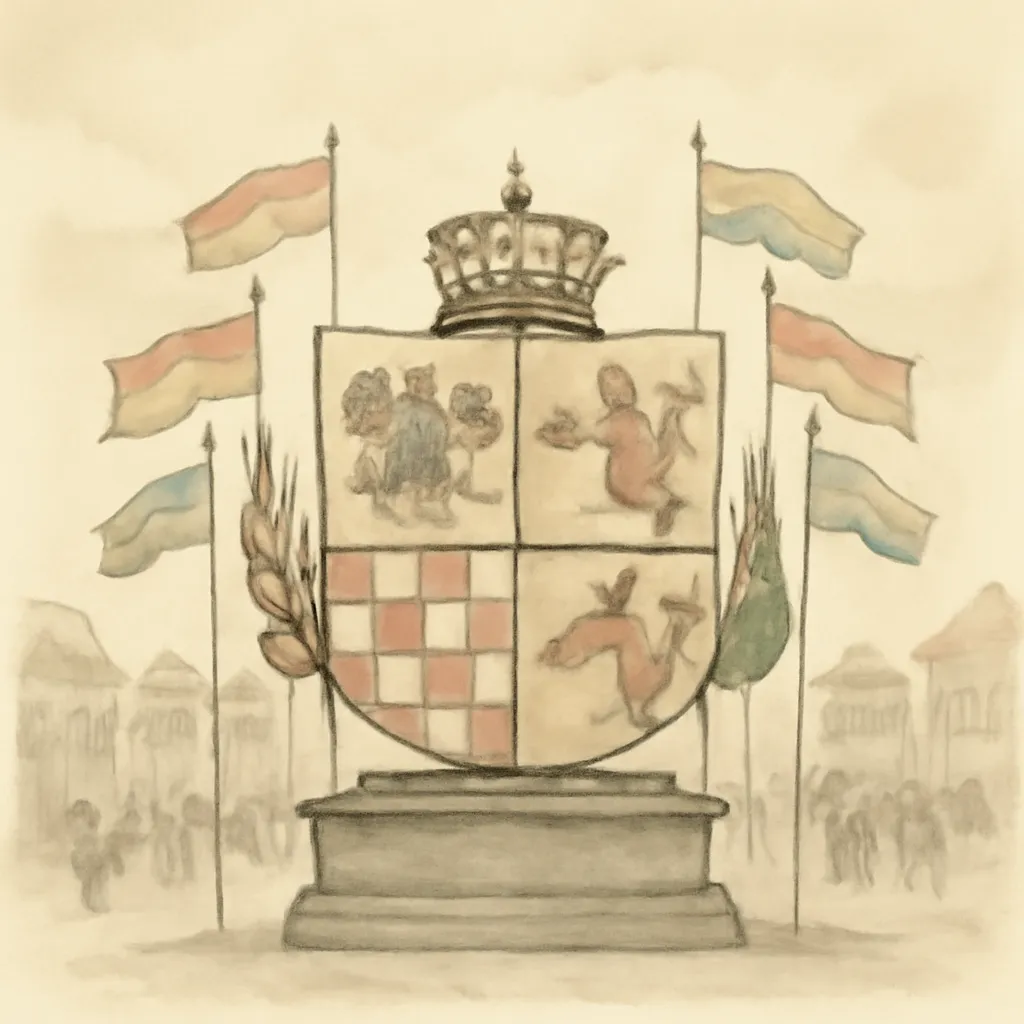
Marshalling is the practice of combining multiple coats of arms into one shield, a common occurrence in marriages and alliances. This practice allows for the representation of both families in a single heraldic achievement, showcasing the union of their lineages. The arrangement can vary, with options like quartering, impalement, and aggroupment, each serving a distinct purpose. For example, quartering divides the shield into sections, with each family’s arms displayed in its respective quadrant. This visual merging not only signifies the joining of families but also highlights the social and political alliances that were crucial in medieval times. Understanding the rules and conventions of marshalling is essential for anyone studying heraldry, as it reveals the complexities of familial relationships and the importance of lineage in historical contexts.
8.The Evolution of Heraldry
Heraldry has undergone significant transformations since its inception, influenced by social, political, and artistic changes. Initially, heraldry served practical purposes, but over time it evolved into a symbol of status and identity. The debasement of heraldry in the 17th century, marked by exaggerated claims and fanciful designs, led to a decline in its respectability. However, the revival of interest in heraldry in modern times has reinvigorated the discipline, emphasizing its historical significance and artistic value. This renaissance has encouraged a deeper understanding of heraldic principles and fostered a renewed appreciation for the art form. As heraldry continues to adapt to contemporary contexts, it retains its relevance as a means of expressing identity and heritage. The journey of heraldry reflects broader societal changes, making it a fascinating subject for study.
9.Heraldry and National Identity
Heraldry is not just a personal or familial emblem; it plays a crucial role in shaping national identity. National coats of arms often incorporate elements from various regional heraldic traditions, reflecting the diverse heritage of a nation. In England, for instance, the royal arms combine symbols from England, Scotland, and Ireland, representing the union of these nations. The use of heraldic symbols in flags, seals, and official documents reinforces a sense of belonging and pride among citizens. Furthermore, the study of heraldry can provide insights into a nation's history, values, and aspirations. By examining the symbols and their meanings, one can trace the evolution of national identity and the collective memory of a people. Thus, heraldry serves as a visual narrative that encapsulates the essence of a nation.
10.The Artistic Dimension of Heraldry
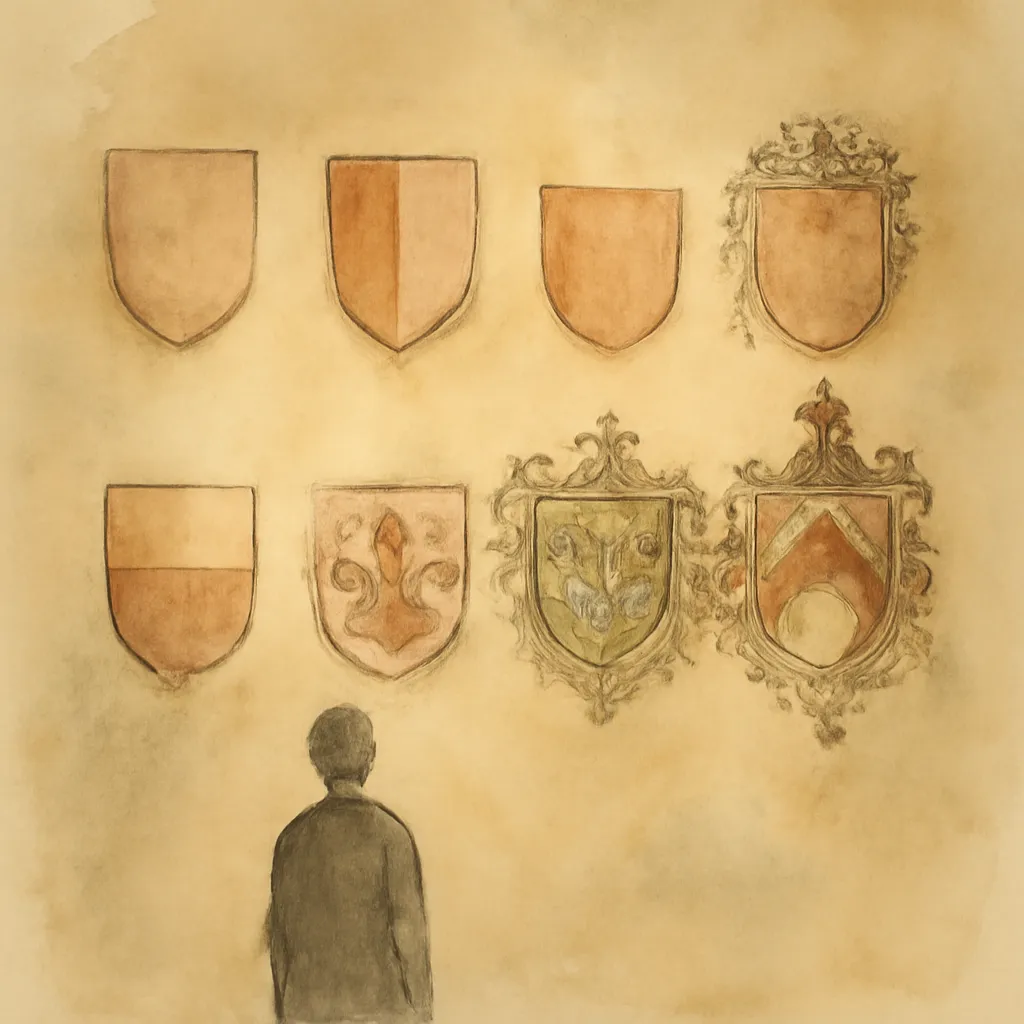
Heraldry is as much an art form as it is a system of identification, blending creativity with strict rules. The design of a coat of arms requires a balance between aesthetic appeal and adherence to heraldic conventions. Artists must consider color, shape, and symbolism to create a composition that is both visually striking and meaningful. The intricate details of heraldic art, from the rendering of animals to the depiction of ornamental flourishes, showcase the skill and creativity of heraldic artists. This artistic dimension extends beyond coats of arms to architecture, stained glass, and illuminated manuscripts, where heraldic elements are incorporated into broader artistic expressions. As a result, heraldry serves as a bridge between art and history, offering a rich tapestry of visual culture that continues to inspire contemporary artists. The enduring beauty of heraldry lies in its ability to convey complex ideas through visually compelling designs.