1.Duality of Identity
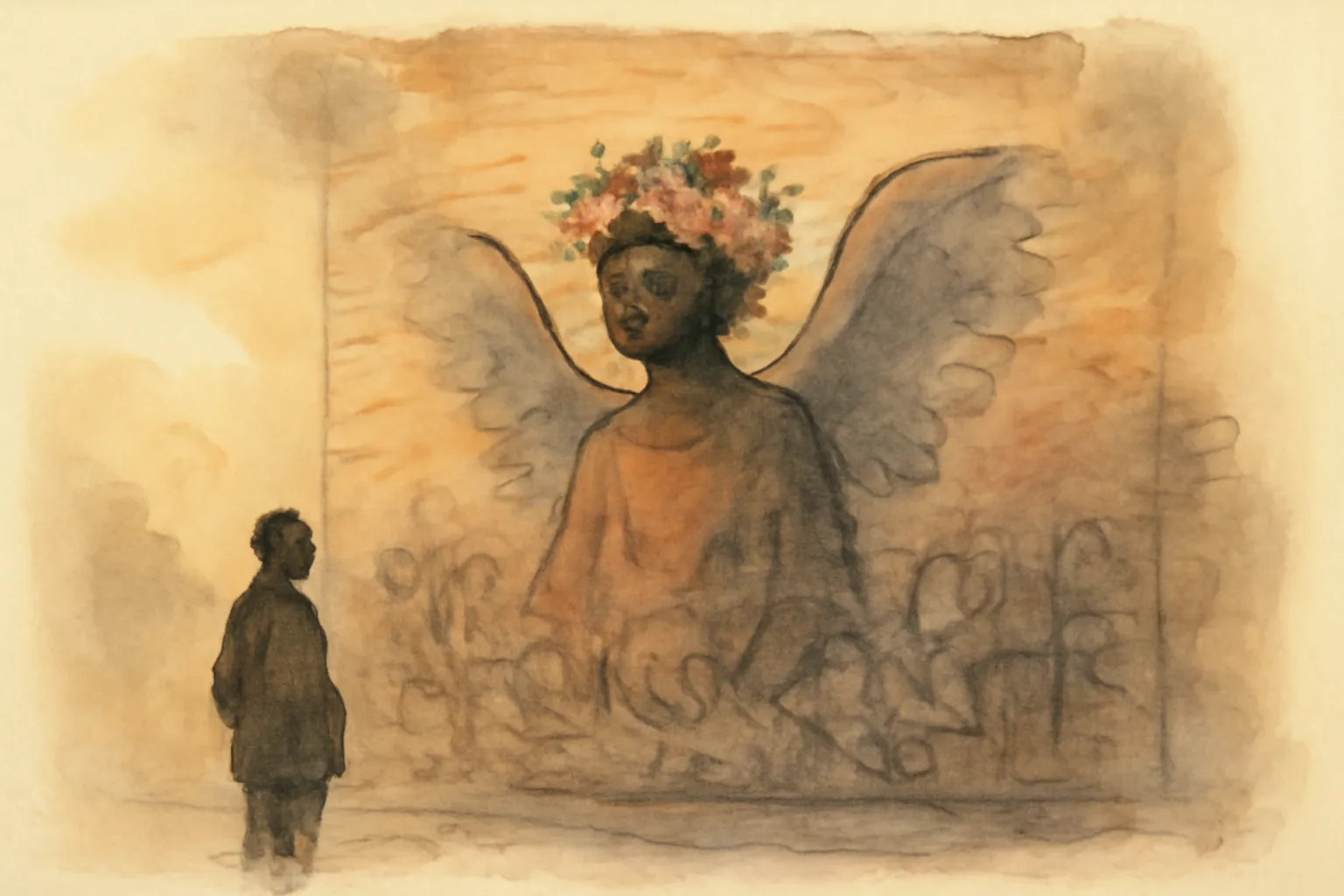
Starr Carter’s life is defined by her navigation between her poor, predominantly Black neighborhood (Garden Heights) and her wealthy, mostly white private school. This duality forces her to code-switch, altering how she speaks and acts to fit each environment. The novel explores the psychological toll of this split, highlighting how systemic pressures force marginalized individuals to fragment their identities for acceptance or safety. Starr’s journey is about reconciling these parts of herself and realizing she shouldn’t have to hide any aspect of who she is.
2.Systemic Racism and Police Violence
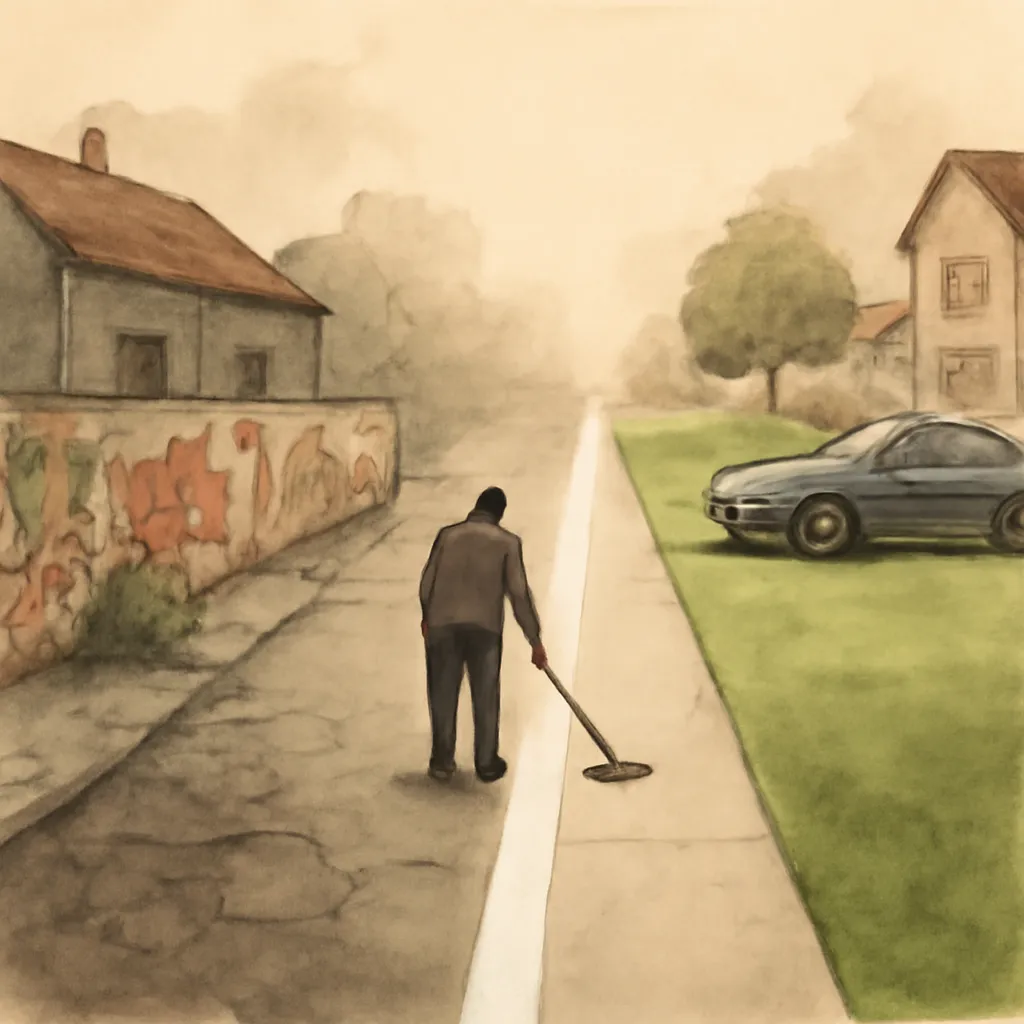
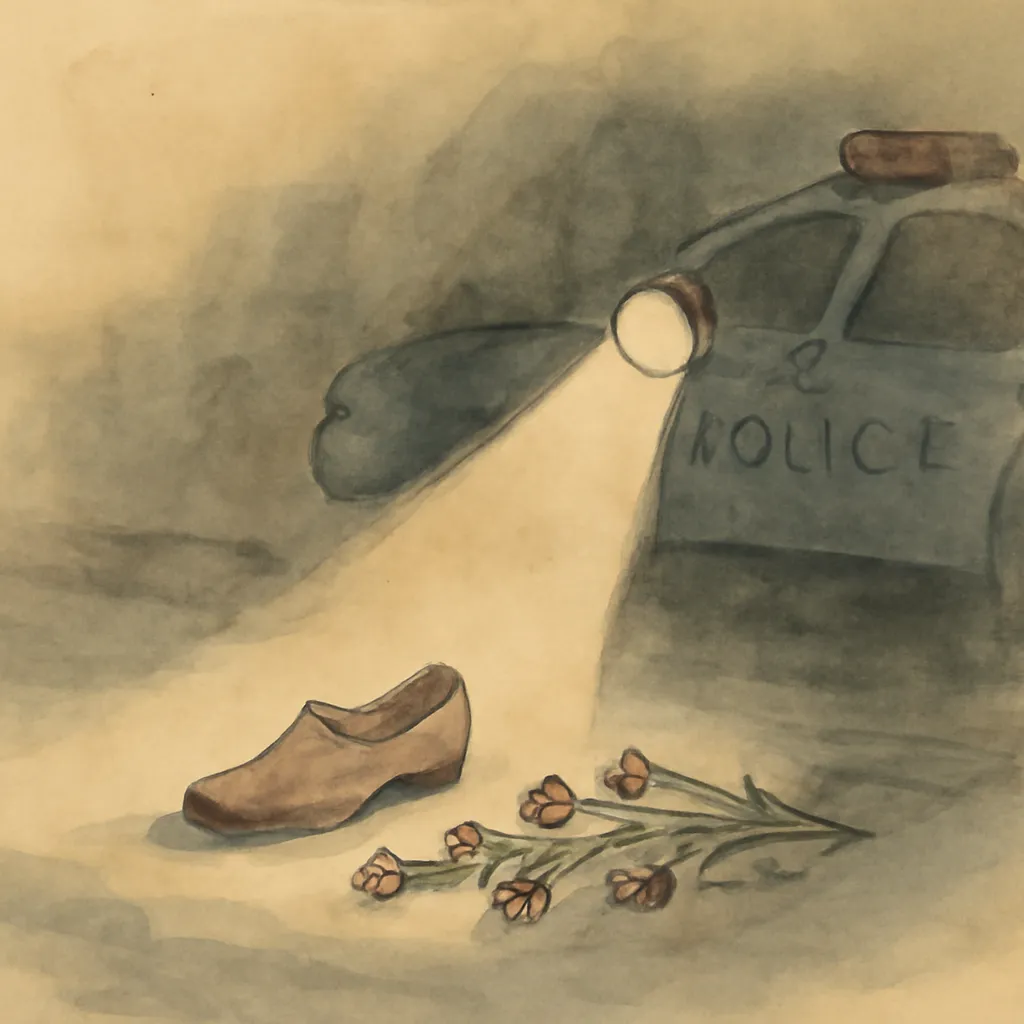
At its core, the novel is a response to real-world police shootings of unarmed Black people. Through Khalil’s death and the aftermath, Thomas exposes the ways in which systemic racism operates—not just in policing, but in media portrayals, legal proceedings, and public perception. The story challenges readers to confront uncomfortable truths about bias, injustice, and the dehumanization of Black victims, making abstract issues painfully personal.
3.The Power and Cost of Speaking Out
Starr’s transformation into an activist is central to the novel. She must decide whether to risk her safety and relationships by testifying about what she saw. The book examines the emotional and social costs of activism, especially for young people of color. It also celebrates the courage required to speak truth to power, showing how one voice—however reluctant—can spark change and inspire others.
4.Family and Community Resilience
Family is a source of strength and grounding for Starr. Her parents, siblings, and extended community provide support, love, and moral guidance. The novel highlights how families and communities respond to trauma, rallying together in the face of violence and injustice. It also explores generational differences in responding to racism, from her father’s radicalism to her uncle’s role as a Black police officer.
5.Media, Stereotypes, and Narrative Control
The way Khalil’s story is told—by the media, police, and protestors—becomes a battleground. The novel dissects how stereotypes about Black youth are weaponized to justify violence and shift blame. Starr’s struggle to reclaim Khalil’s humanity and tell the truth about his life and death underscores the importance of narrative control and the dangers of letting others define your story.
6.Hope, Change, and the Next Generation
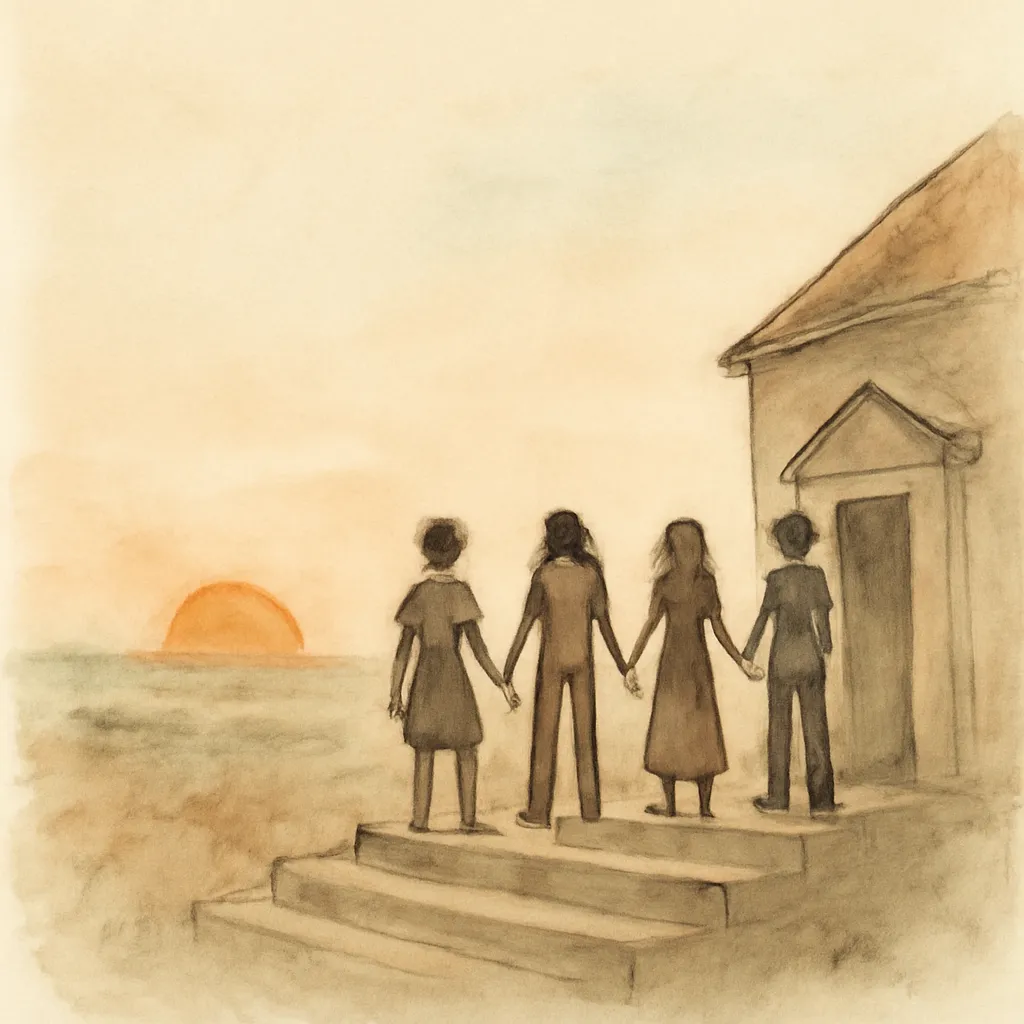
Despite its heavy themes, The Hate U Give ultimately offers hope. It suggests that change is possible through collective action, intergenerational dialogue, and the bravery of young people. The novel encourages readers not to be paralyzed by injustice, but to find their voices and work toward a more just future.