1.The Charm of Order and Neatness
The novel opens with a vivid description of the Worthington Farm, highlighting the meticulousness of Miss Eliza, Arethusa's aunt. The perfectly aligned water maple trees and the whitewashed trunks symbolize the values of order and precision that dominate Arethusa's early life. Miss Eliza's fastidiousness affects not only the physical landscape but also the emotional fabric of the household. This environment reflects not only Miss Eliza's personality but also the expectations placed upon Arethusa as she grows up. In this world, any deviation from order is seen as chaos, which creates a tension in Arethusa's spirit. The attention to detail in the setting serves to illustrate how a nurturing yet rigid upbringing can shape one's character, leading to internal conflicts as Arethusa yearns for freedom and adventure beyond the confines of her well-ordered home.
2.Arethusa's Childhood Adventures
Arethusa's childhood is marked by her playful spirit and mischievous exploits, particularly her triumph over the yard's fence. This accomplishment, celebrated with Timothy, signifies Arethusa's desire to break free from the constraints of her upbringing. The act of walking the fence becomes a metaphor for her journey toward independence and self-assertion. It highlights her resilience and determination, qualities that will serve her well as she encounters the challenges of adulthood. Through her playful nature, the narrative underscores the importance of childhood experiences in shaping one's identity and aspirations. The exuberance of her childhood contrasts sharply with the weight of expectations that comes with growing up, thus foreshadowing her later struggles with self-identity as she enters the adult world.
3.The Complexity of Family Dynamics
The relationships within the Worthington family are intricate and reveal the tensions that arise from differing values. Miss Eliza's strict adherence to order contrasts sharply with Arethusa's adventurous spirit, creating a generational clash within the family. Arethusa's interactions with her aunts, especially Miss Letitia and Miss Asenath, further complicate her understanding of love and loyalty. Each character embodies different aspects of femininity and societal expectations, from Miss Eliza's traditional role as the caretaker to Miss Asenath's romantic past that lingers in the woods. As Arethusa navigates these relationships, she learns about the complexities of love, sacrifice, and the importance of finding her own voice amidst familial obligations. This nuanced portrayal of family dynamics sheds light on how individual desires can often be overshadowed by collective expectations, ultimately compelling Arethusa to assert her individuality.
4.The Allure of the City
Arethusa's journey to the city represents a pivotal moment in her life, where she is exposed to new experiences and opportunities that challenge her perceptions. The transition from her rural upbringing to urban life is filled with excitement and trepidation, as Arethusa grapples with feelings of both anticipation and fear. In the city, Arethusa encounters a diverse array of characters, including the charming Mr. Bennet, who embodies the allure of sophistication and social intrigue. This contrast between her past and present emphasizes the theme of transformation, as Arethusa wrestles with her identity in a world that values different qualities. The city serves as a catalyst for her growth, pushing her to confront her desires and aspirations with newfound courage. As she navigates this bustling landscape, Arethusa learns that with new experiences come new challenges, further complicating her understanding of love and belonging.
5.The Trials of Independence
As Arethusa asserts her independence, she faces challenges that test her resolve and commitment to her newfound identity. Her initial excitement about traveling alone to the city is met with resistance from her aunts, who embody traditional values surrounding female vulnerability and safety. This conflict highlights the societal expectations placed on women during the era, reflecting the struggle between autonomy and protection. Arethusa's determination to forge her own path is a powerful statement about the importance of self-discovery and the courage to defy convention. The narrative captures instances where Arethusa must confront not only external obstacles but also her internal fears and insecurities. Through her trials, the story illustrates the complexities of growing up and the resilience required to navigate societal norms that often feel suffocating.
6.Love and Longing
Arethusa's romantic feelings for Mr. Bennet become a central theme in her journey of self-discovery and emotional growth. Their encounters are filled with a mixture of excitement and uncertainty, reflecting the complexities of young love. Arethusa's admiration for Mr. Bennet is juxtaposed with her feelings of insecurity and confusion about her place in the world. Her infatuation leads her to idealize him, yet the narrative also reveals the pitfalls of such idealization, as she must confront the reality of their relationship. The dynamic between them encapsulates both the thrill of attraction and the lessons that come from navigating the emotional landscape of love. Through her experiences with Mr. Bennet, Arethusa learns about the joys and heartaches of love, shaping her understanding of relationships and emotional connections, and ultimately pushing her toward a deeper comprehension of herself.
7.The Influence of Music and Art
Music and art play significant roles in Arethusa's life, serving as expressions of her innermost feelings and desires. The presence of the piano in the sitting room symbolizes the connection between creativity and emotional expression, mirroring Arethusa's journey toward self-actualization. Arethusa's fascination with Elinor's music highlights her yearning for beauty and inspiration, often providing her an escape from the mundanity of her daily life. This appreciation for the arts becomes a means for Arethusa to explore her identity and aspirations, transcending the limitations imposed by her rural upbringing. Music becomes a conduit for her emotions, allowing her to articulate feelings she struggles to express otherwise. The narrative emphasizes how art can serve not only as a refuge but also as a catalyst for personal growth, enabling Arethusa to connect with her true self and the world around her.
8.Navigating Social Expectations
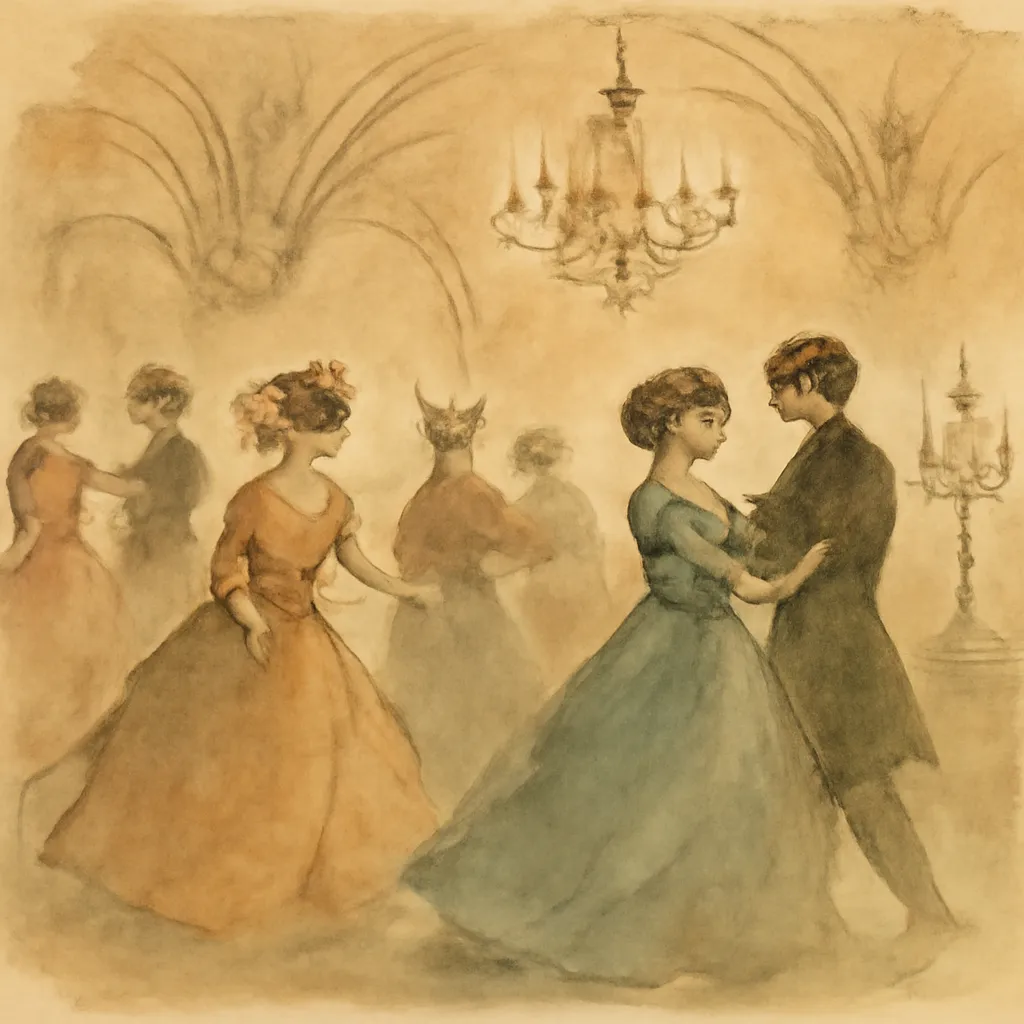
As Arethusa immerses herself in the social scene of the city, she grapples with the expectations placed upon her as a young woman. The intricacies of social gatherings, such as dinner dances and parties, reveal the pressures to conform to societal norms concerning behavior and presentation. Arethusa's innocence and naivety are juxtaposed with the sophistication of her peers, creating moments of both awkwardness and growth. The narrative captures her internal struggle as she learns to navigate these intricate social dynamics while striving to maintain her individuality. Through her experiences, the story highlights the importance of authenticity and self-acceptance in navigating a world that often prioritizes appearances over genuine connection. Arethusa's journey serves as a reminder that true belonging comes from embracing one's unique identity rather than succumbing to external pressures.
9.The Power of Friendship
Arethusa's relationships with her friends, particularly Elinor and Mr. Bennet, are instrumental in her journey of self-discovery. These friendships provide her with support, encouragement, and new perspectives on life, helping her to navigate the complexities of her emotions and the challenges she faces. Elinor's kindness and understanding serve as a guiding light for Arethusa as she attempts to reconcile her feelings for Mr. Bennet and her own aspirations. Meanwhile, Mr. Bennet’s charm and wit inspire Arethusa to embrace her individuality, encouraging her to explore the world with curiosity and confidence. The bonds of friendship serve as a source of strength for Arethusa, reminding readers of the importance of surrounding oneself with supportive individuals who encourage personal growth and self-acceptance. These relationships highlight the essential role of community in shaping one's identity and navigating life's complexities.
10.The Journey Back Home
Arethusa's return to the Worthington Farm marks a significant turning point in her journey. As she reconnects with her roots, she reflects on the lessons learned during her time in the city and how they have transformed her perspective. The familiarity of the farm offers comfort and warmth, a place where she can reconcile her past with her present. Arethusa's journey home symbolizes the cyclical nature of life, where experiences shape one's identity and understanding of the world. This return allows her to appreciate her upbringing while also recognizing the growth that has come from her experiences in the city. The narrative emphasizes the significance of home as not only a physical space but also an emotional anchor, reminding readers that embracing one's origins while venturing into the unknown is an intrinsic part of personal growth. Arethusa's return ultimately reinforces the idea that home is where one can integrate their past into their future.