1.The Allure and Danger of Desire
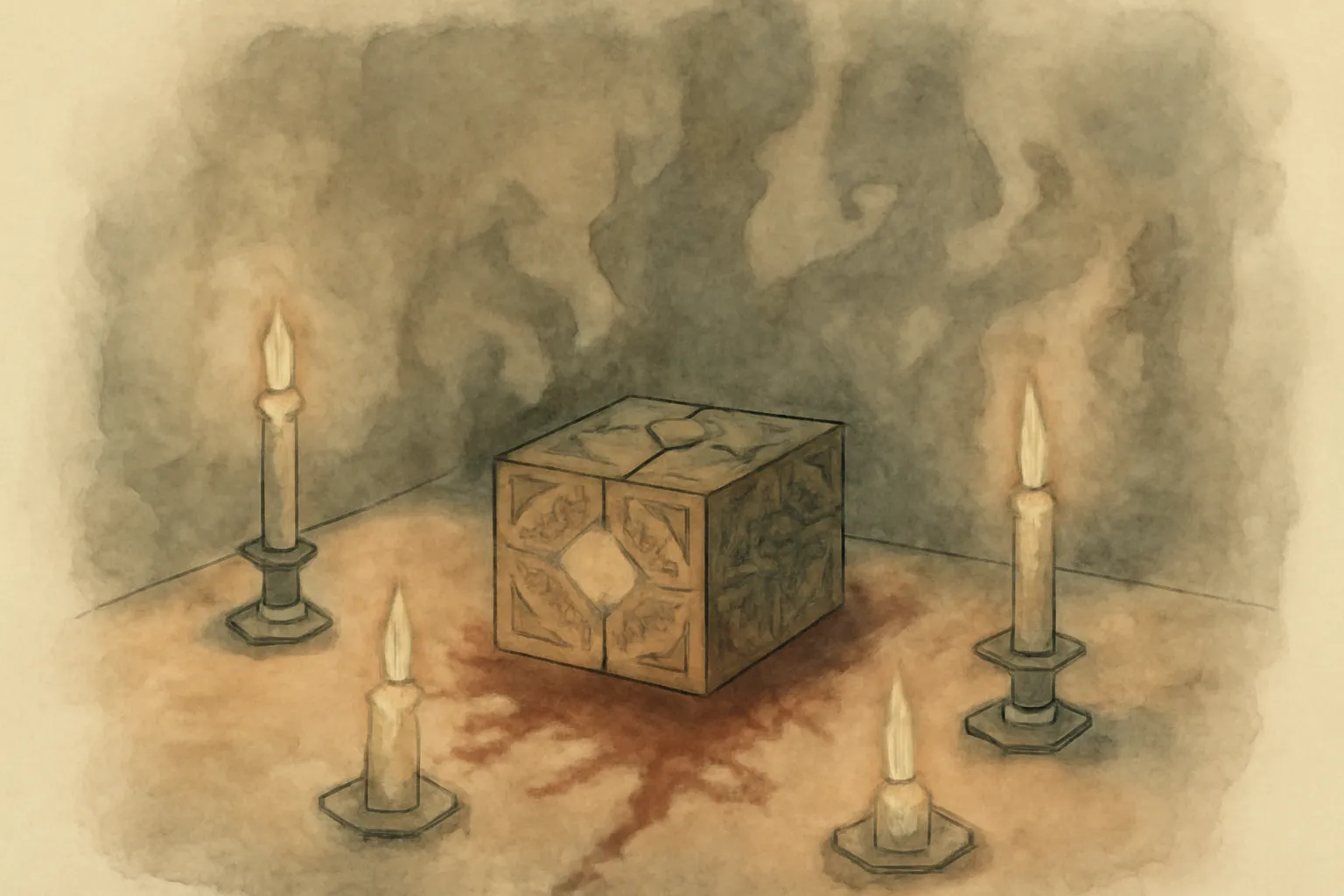
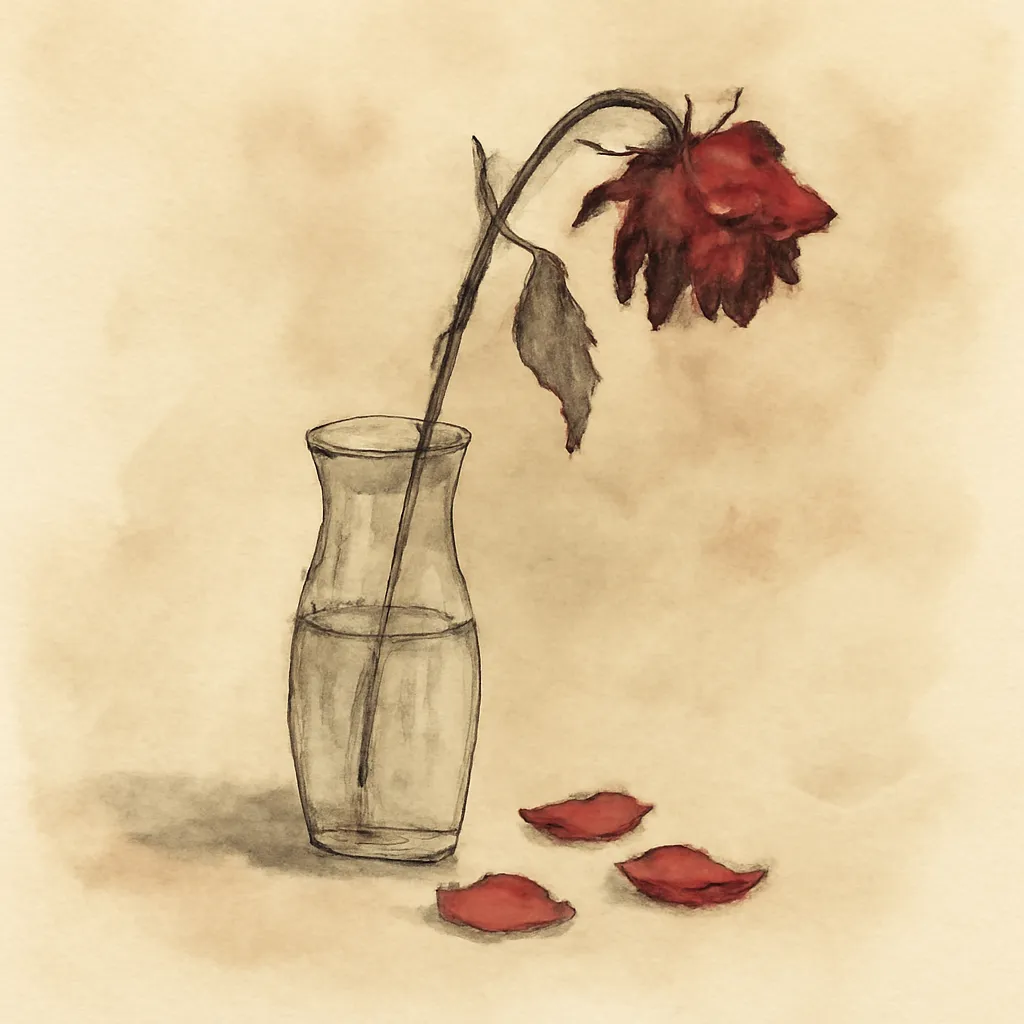
Central to The Hellbound Heart is the idea that human longing can become destructive when pushed to its extremes. Frank Cotton’s quest for ultimate pleasure leads him to open the Lemarchand Configuration, a puzzle box that summons the Cenobites—beings who conflate pain and pleasure in ways that transcend human comprehension. Barker uses Frank’s journey to explore how the pursuit of sensation can become an obsession, and how the boundaries between pleasure and suffering can blur, ultimately consuming those who seek too much.
2.The Cenobites: Horror Beyond Morality
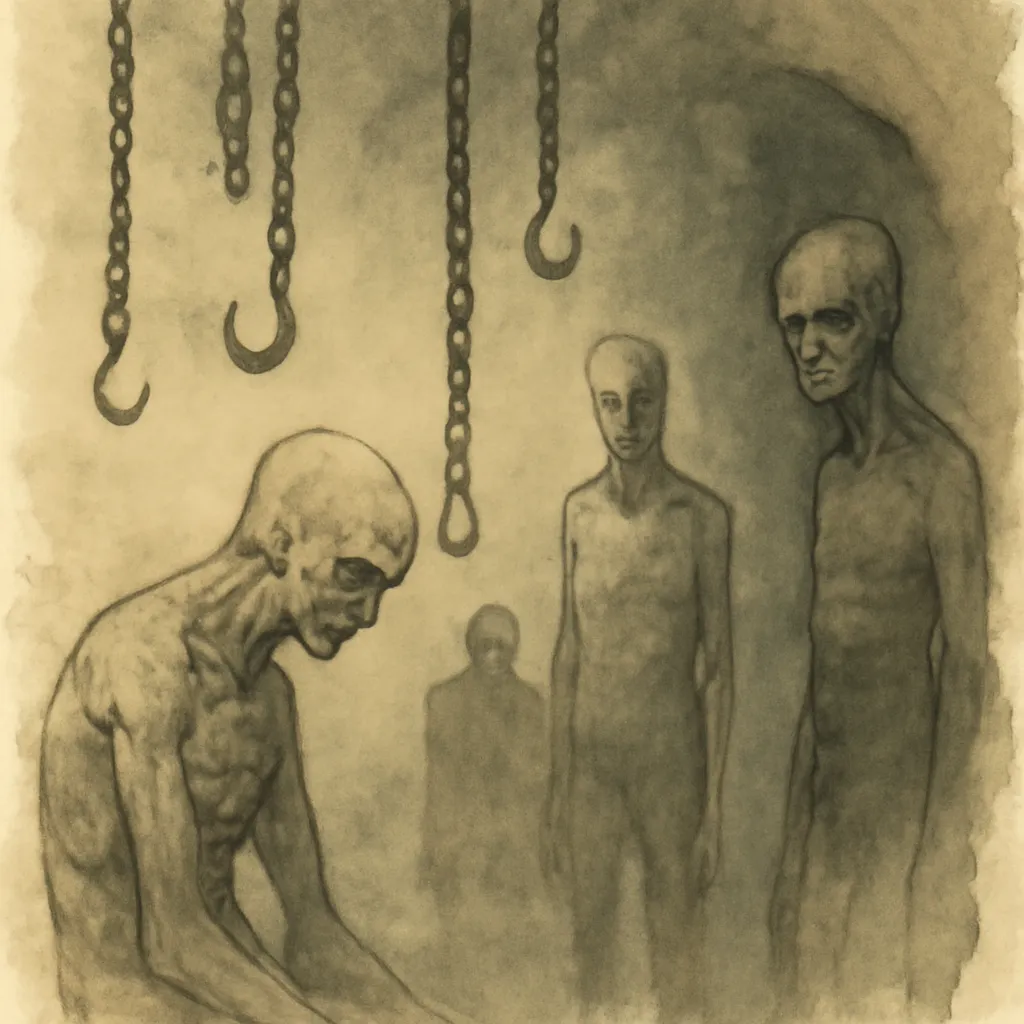
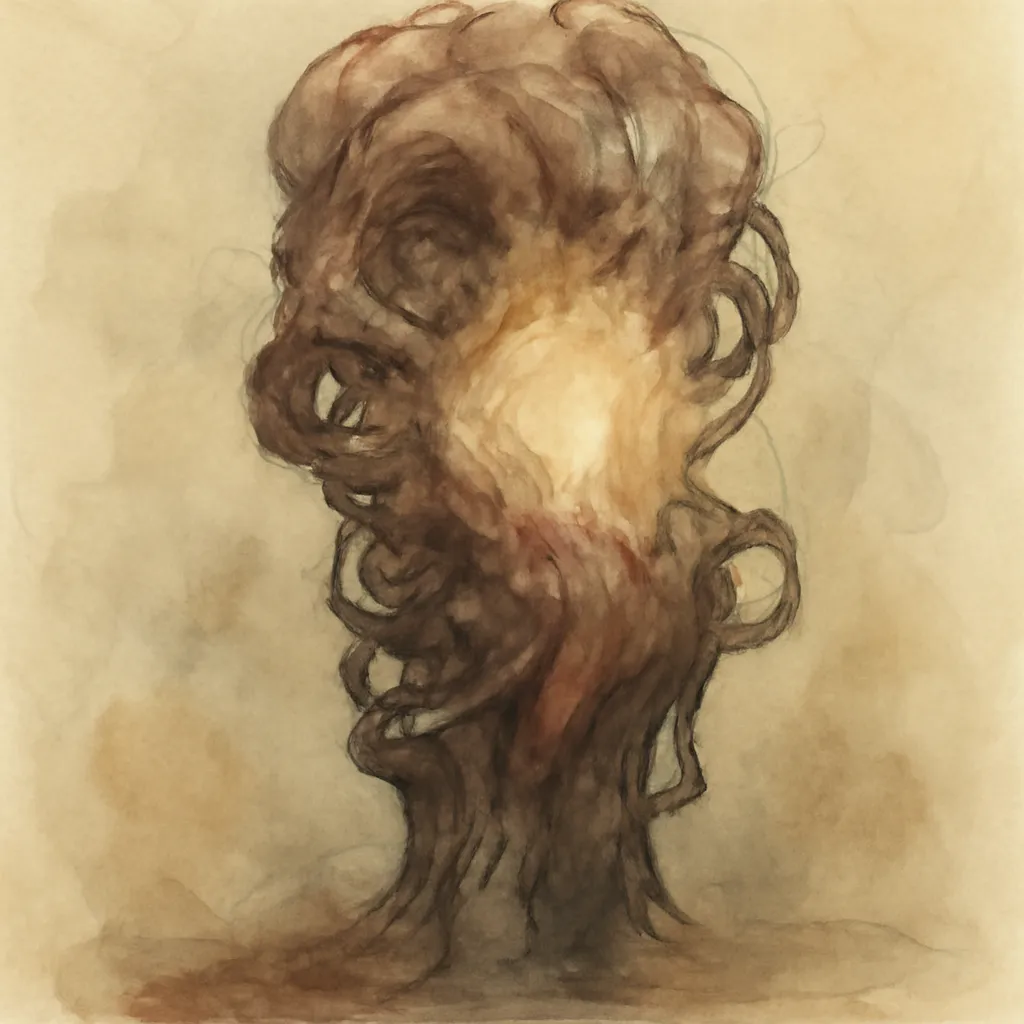
The Cenobites are not simply monsters; they represent a form of cosmic horror that is indifferent to human values. Their motivations are rooted in a logic alien to human morality, offering experiences that are both exquisite and excruciating. Barker’s depiction of the Cenobites challenges the reader to consider the limits of human experience and the terror that lies in encountering entities whose ethics and desires are utterly inhuman.
3.Transformation and Identity
Transformation—both physical and psychological—is a recurring motif. Characters are changed by their encounters with the box and the Cenobites, sometimes literally, as with Frank’s grotesque resurrection, and sometimes emotionally, as with Julia’s descent into violence. Barker suggests that our desires and actions can fundamentally alter who we are, for better or worse.
4.The Corruption of Love and Intimacy
The novella scrutinizes the darker sides of love, lust, and intimacy. Julia’s willingness to murder for Frank is driven by a toxic passion, illustrating how love can be twisted into something monstrous. Barker uses these relationships to highlight how intimacy, when corrupted by obsession or selfishness, can become a source of horror rather than comfort.
5.Ambiguity of Good and Evil
Barker’s world is morally ambiguous. The Cenobites are not evil in a traditional sense; they are agents of a different order. Likewise, the human characters are driven by selfishness, desire, and betrayal. The absence of clear moral boundaries forces readers to question what constitutes true monstrosity: the supernatural or the all-too-human?
6.Body Horror and the Limits of Flesh
The Hellbound Heart is renowned for its vivid, unsettling depictions of bodily transformation and mutilation. Barker uses body horror not just for shock, but to probe the limits of human sensation and identity. The body becomes a site of both desire and terror, reflecting the novella’s central themes.