1.The Cruelty of Slave Masters
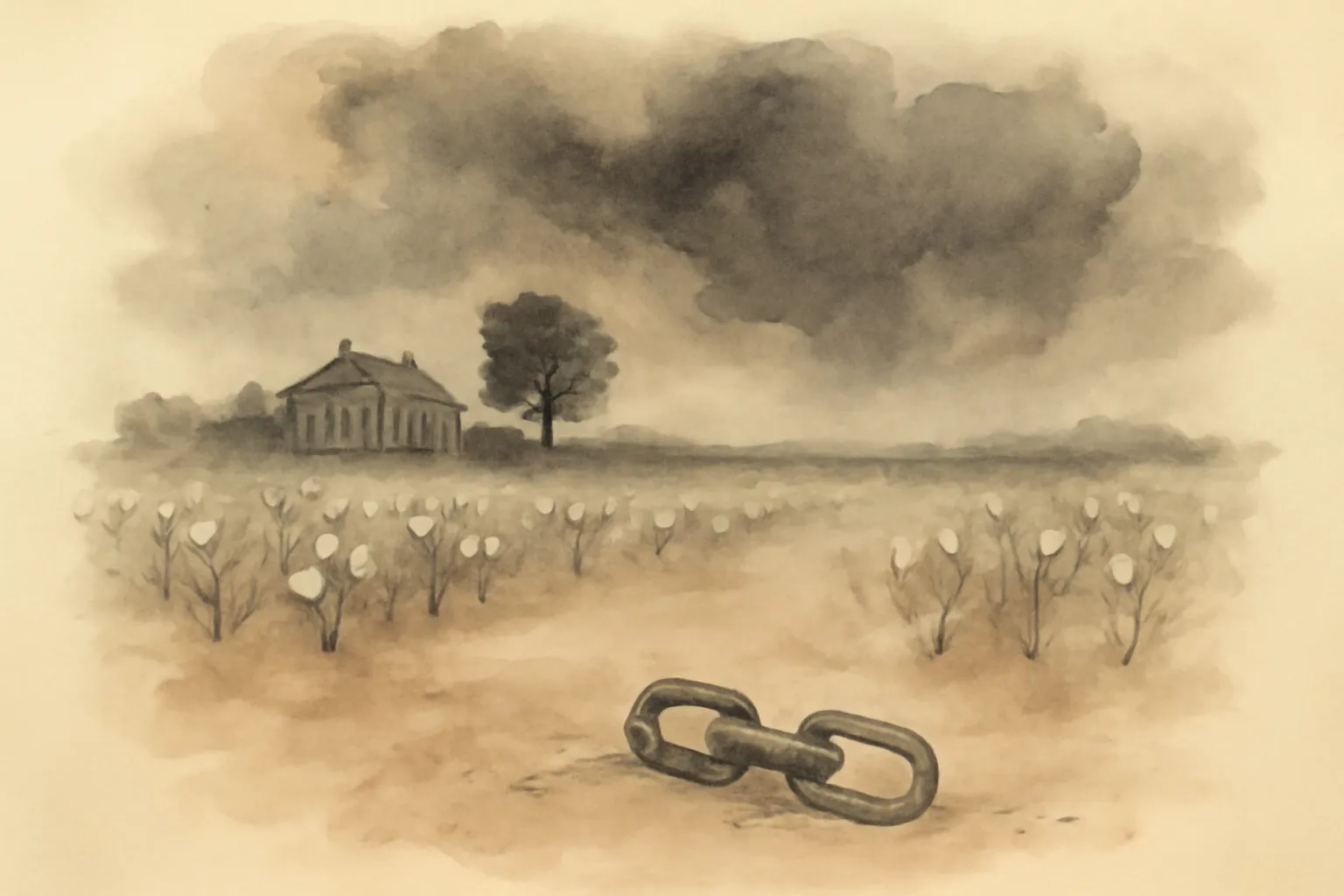
Mary Prince recounts her harrowing experiences under the control of her masters, particularly highlighting the brutal treatment she received from her mistress. She vividly describes the physical punishments inflicted upon her, detailing the difference between the various whips used on her body. The narrative emphasizes how her mistress's cruelty was not just physical but psychological, as the constant threat of violence loomed over her life. Prince's experiences with her mistress serve as a stark reminder of the systemic violence that defined the lives of enslaved individuals. The portrayal of her mistress as a 'fearful woman' illustrates how power dynamics in slavery often led to the dehumanization of both the enslaved and the enslavers, perpetuating a cycle of brutality.
2.Childhood Trauma and the Loss of Innocence
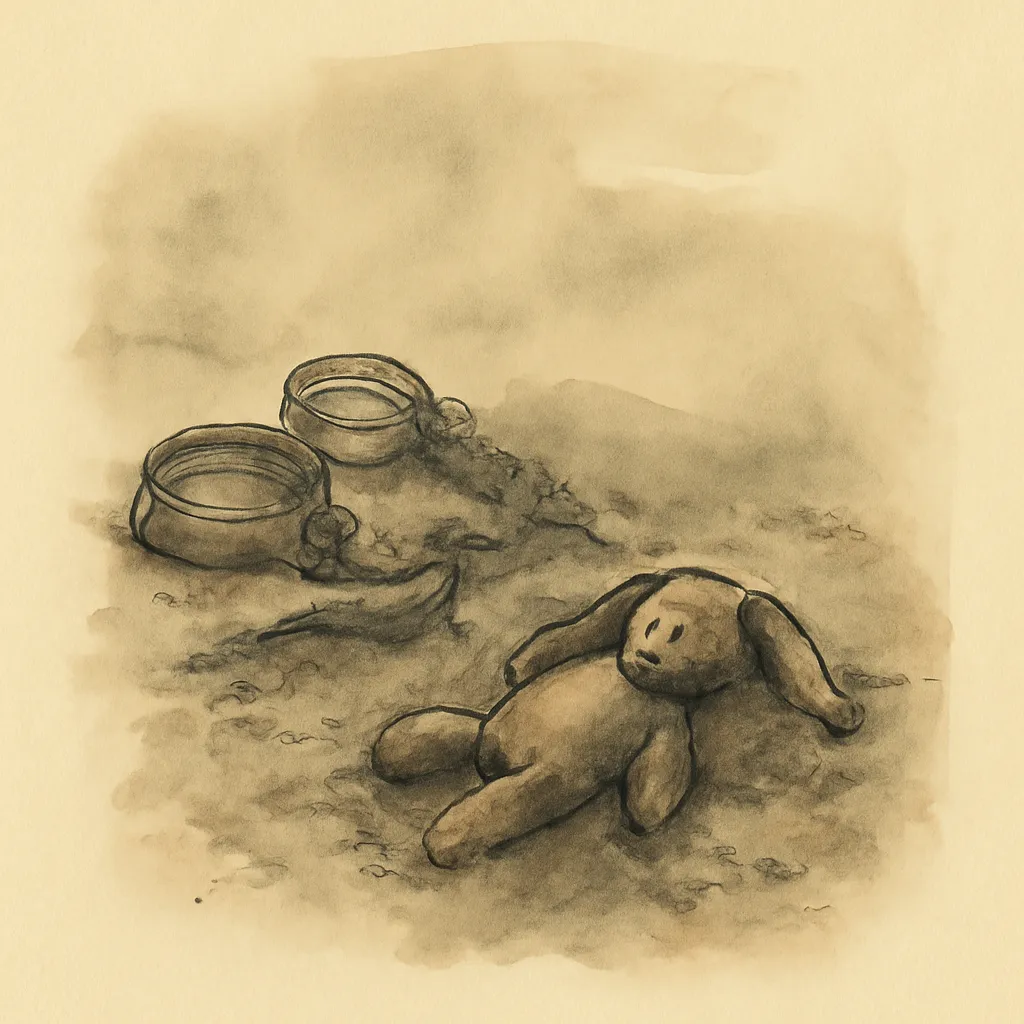
Prince reflects on her childhood, which was marred by the trauma of being a slave. She recalls her early years filled with hard labor and the constant fear of punishment. The narrative emphasizes the impact of slavery on children, as seen through the eyes of two young slave boys who suffered under her mistress's wrath. This portrayal creates a poignant image of lost innocence, as children who should be nurtured instead endure violence and fear. By sharing her memories, Prince underscores the emotional scars left by slavery that extend far beyond physical pain. The narrative serves as a powerful reminder of the toll that slavery takes on the most vulnerable members of society, robbing them of their childhood and humanity.
3.The Bond of Sisterhood Among Slaves
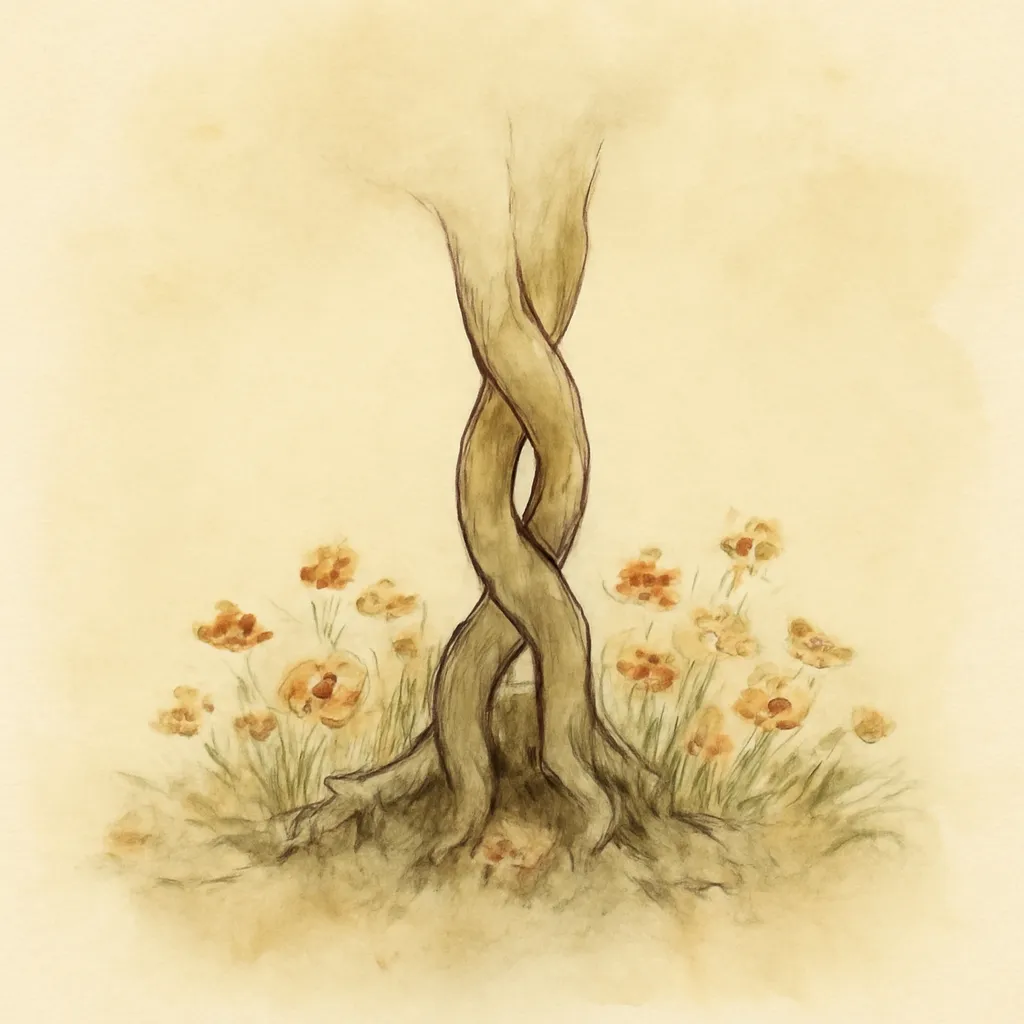
Amidst the suffering, Prince highlights the importance of solidarity and support among enslaved women. She expresses her affection for Hetty, a fellow slave whom she refers to as 'my Aunt.' Their bond illustrates the ways in which enslaved individuals found solace and companionship in one another, creating a sense of community despite their oppressive circumstances. Hetty's kindness stands in stark contrast to the cruelty of their masters, showcasing the resilience of the human spirit. This sisterhood becomes a lifeline for Prince, reminding her that even in the depths of despair, love and support can exist. The narrative emphasizes that the relationships forged among slaves were essential for survival, serving as a source of strength against the brutal realities of their lives.
4.The Psychological Toll of Slavery
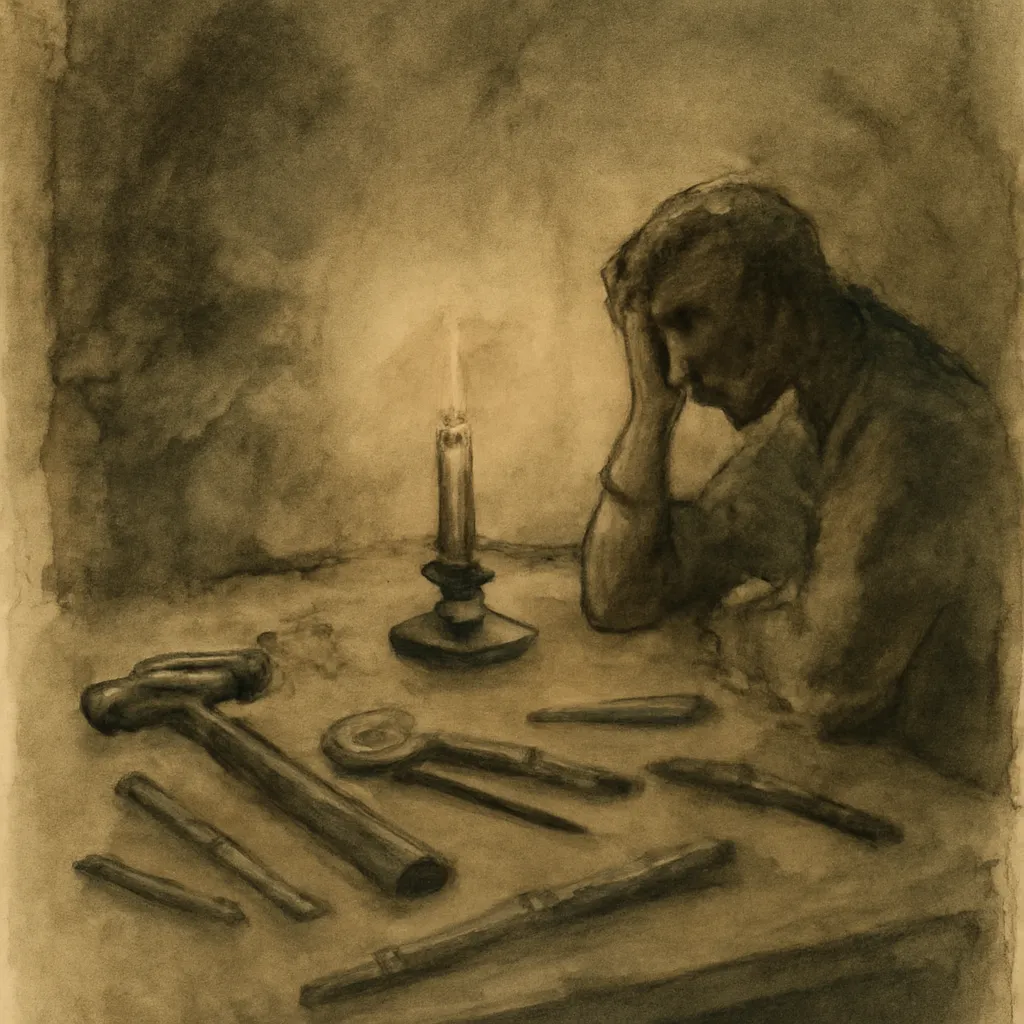
Prince's narrative delves into the psychological effects of slavery, illustrating how the constant abuse and degradation eroded the mental well-being of enslaved individuals. She recounts instances where her mistress robbed her of sleep, forcing her to work late into the night, only to be awakened by the whip. These experiences highlight the relentless nature of slavery, which does not allow for rest, recovery, or healing. The psychological burden of such treatment is profound, as it instills a sense of worthlessness and despair. Prince's reflections on her own mental state reveal the long-lasting impact of slavery, suggesting that the scars of such trauma can persist long after physical chains are broken. The narrative serves as a powerful examination of how slavery not only dehumanizes individuals but also leaves deep psychological wounds that can affect generations.
5.The Desire for Freedom
A central theme in Prince's narrative is her longing for freedom. Throughout her story, she expresses a deep yearning to escape the chains of slavery, illustrating her awareness of the value of freedom. Her attempts to negotiate for her own emancipation reveal her agency and determination, despite the oppressive environment surrounding her. When Prince pleads with her owners to allow her to buy her freedom, it underscores the desperation of enslaved individuals who sought autonomy over their own lives. This desire for freedom is further complicated by the fear of retribution, as she acknowledges the potential consequences of returning to Antigua as a slave. Her words, 'I would rather go into my grave than go back a slave,' encapsulate the profound depths of her desire for liberation. The narrative powerfully conveys that the quest for freedom is not merely a physical escape but an essential aspect of reclaiming one’s identity and humanity.
6.The Role of Religion in Slavery
Religion plays a complex role in Mary Prince's life and narrative. While she references her faith and the support of her husband, who shares her religious background, the narrative also reveals the hypocrisy of slave owners who professed Christian values while perpetrating cruelty. Prince's experiences demonstrate how religion was often manipulated to justify the institution of slavery, creating a moral contradiction for enslaved individuals. Her reflections on her husband's kindness, rooted in their shared faith, highlight the potential for compassion and humanity within the context of oppression. However, the contrasting behaviors of their masters reveal the dark side of religious justifications for slavery. This duality emphasizes the need for a critical examination of the ways in which religion can both uplift and oppress, depending on how it is wielded by those in power.
7.The Impact of Colonialism on Personal Lives
Prince's narrative illustrates the broader implications of colonialism on the lives of enslaved individuals. Her experiences in Turk's Island and her eventual journey to England reflect the ways in which colonial powers exploited human lives for economic gain. The forced migration of slaves and the commodification of their labor are central themes in her story, highlighting the inhumane practices that were justified in the name of profit. Prince's longing to return to her homeland and her family underscores the personal toll of colonialism, as it separates individuals from their roots and loved ones. The narrative serves as a poignant critique of the colonial system, revealing how it not only dehumanizes individuals but also disrupts familial bonds and cultural connections. This exploration of colonialism's impact adds depth to Prince's story, situating her personal struggles within a larger historical context.
8.The Struggle for Autonomy and Identity
Throughout her narrative, Mary Prince grapples with her sense of identity as a slave. The oppression she faces challenges her autonomy, forcing her to navigate a world where her worth is dictated by her masters. The struggle to assert her identity becomes a recurring theme, as she expresses her desire to be recognized as a human being deserving of freedom and respect. Prince's attempts to negotiate her own freedom and her reflections on her family reveal her longing for a life beyond the constraints of slavery. The narrative emphasizes that the fight for autonomy is not just a personal battle but a collective struggle for all enslaved individuals seeking to reclaim their identities. This quest for self-definition highlights the resilience of the human spirit, as Prince and others like her strive to assert their humanity in the face of systemic dehumanization.
9.The Power of Personal Narrative in Advocating for Change
Mary Prince's autobiography serves as a powerful tool for advocacy against slavery. By sharing her personal experiences, she provides a compelling argument for the abolition of the institution, appealing to the empathy of her readers. The raw honesty of her narrative allows her to connect with audiences on an emotional level, making her story not just a personal account but a call to action. Prince's desire for her story to be heard by 'good people in England' speaks to the potential of personal narratives to influence public opinion and inspire change. Her experiences highlight the need for societal awareness of the realities of slavery, pushing for a moral reckoning that challenges the status quo. This aspect of her narrative underscores the importance of storytelling as a means of resistance, emphasizing that individual voices can drive collective action towards justice.
10.The Legacy of Mary Prince's Narrative
Mary Prince's account is not just a historical document; it is a testament to the resilience of enslaved individuals and their capacity for hope and resistance. Her story has become a crucial part of the abolitionist movement, inspiring future generations to confront the realities of slavery and advocate for justice. The legacy of her narrative lies in its ability to humanize the struggle against oppression, reminding us that the fight for freedom is ongoing. Prince's voice resonates with contemporary issues of inequality and injustice, making her story relevant even today. By examining her experiences, we are compelled to reflect on the ongoing impacts of slavery and colonialism in our societies. Her narrative serves as a reminder that the fight for dignity and autonomy is a shared struggle that transcends time and space, urging us to continue the work of advocating for freedom and equality.