1.The Burden of Physical Appearance
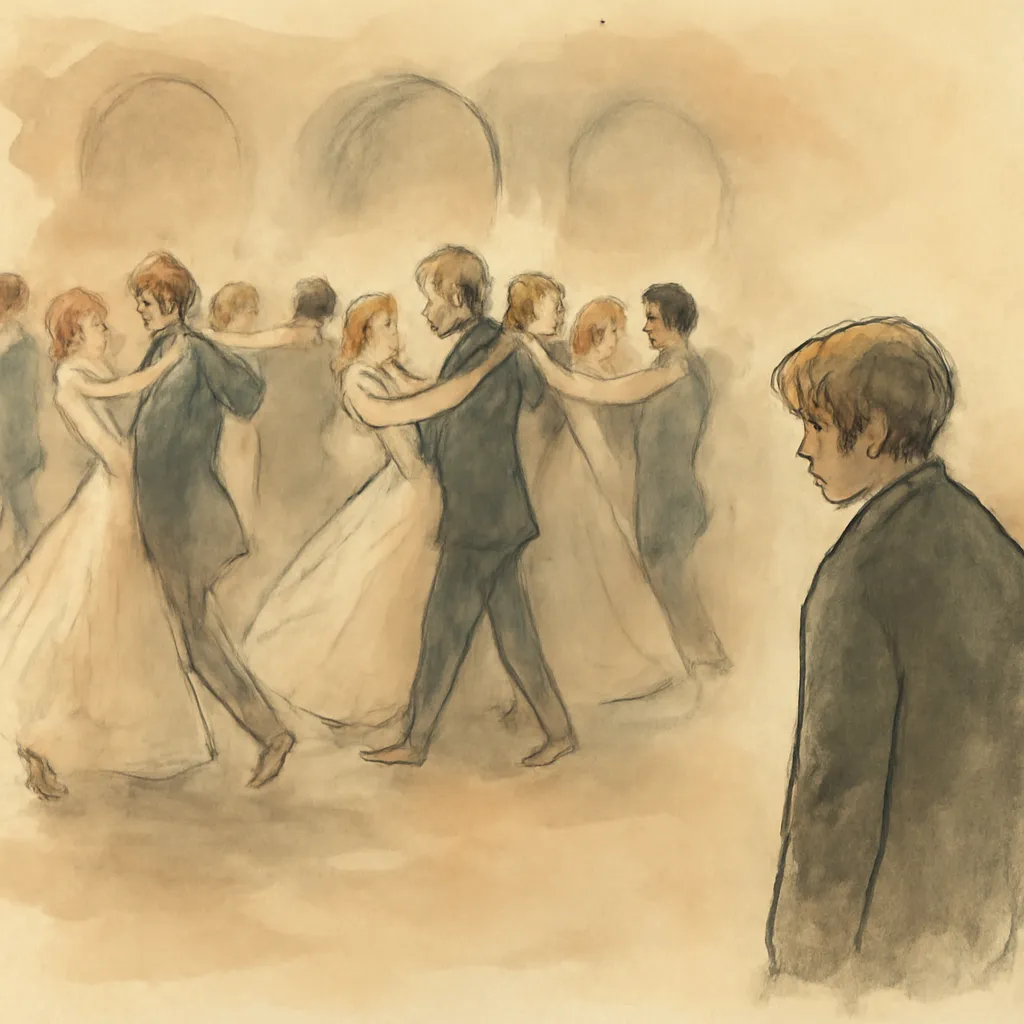
Richard Calmady's life is profoundly impacted by his physical deformity, which serves as both a source of personal anguish and societal stigma. From an early age, Richard is acutely aware of how others perceive him, which shapes his identity and interactions. His mother, Katherine, embodies the tension between pride in her son and the societal shame attached to his condition. This duality is palpable in her efforts to shield Richard from the harsh judgments of the world while nurturing his spirit. The narrative underscores the idea that physical appearance can dictate social acceptance, forcing Richard into a constant struggle to prove his worth beyond his appearance. The emotional toll this takes on him is significant, leading to a profound exploration of self-worth and acceptance that resonates with anyone who has felt marginalized or judged based on their looks.
2.The Influence of Maternal Love
Katherine Calmady's love for her son is a central pillar of the story, showcasing the transformative power of maternal affection. Her unwavering support and fierce protectiveness provide Richard with a sense of security, yet they also create a complex dynamic where her expectations weigh heavily on him. Katherine's desire to see Richard thrive often clashes with her fears about the world’s cruelty, leading to moments of tension that highlight the challenges of motherhood. The depth of her character reveals the sacrifices parents make for their children, as well as the delicate balance between nurturing and overprotectiveness. Through Katherine, Malet explores the theme of unconditional love, illustrating how it can empower individuals to face their demons while also revealing the potential for stifling their growth when taken to extremes.
3.Societal Expectations and Individual Desire
The tension between societal expectations and personal desires plays a crucial role in Richard's development throughout the novel. As he matures, Richard becomes increasingly torn between the life that others envision for him and his own aspirations. This conflict is vividly illustrated in his interactions with various characters, such as Julius March, who represents the intellectual and moral standards of the time, and the women he encounters, who evoke his romantic yearnings. Richard's struggle to carve out his identity amidst these pressures reflects a universal human experience of seeking authenticity in a world that often imposes rigid norms. Malet effectively captures the societal constraints of the Victorian era, showcasing how they can stifle individuality and lead to a profound internal conflict that many readers can relate to, regardless of the time period.
4.The Pursuit of Love and Acceptance
Richard's journey is also marked by his quest for love and acceptance, which he seeks in various forms throughout the narrative. His relationships with women, including his early infatuation with a dancer and later connections with more refined ladies, highlight the complexities of romantic desire when intertwined with personal insecurities. Malet delves into the nuances of these relationships, illustrating how Richard's deformity influences not only his self-image but also how he perceives the affections of others. The longing for love is a driving force in Richard's life, propelling him to confront his fears and ultimately seek out genuine connections. This pursuit is fraught with challenges, as Richard grapples with the fear of rejection and the societal stigma attached to his appearance. The exploration of love in its various forms underscores the idea that true acceptance often requires vulnerability and courage.
5.The Role of Friendship and Companionship
Friendships play a vital role in Richard Calmady's life, serving as a counterbalance to his struggles with isolation and self-doubt. Characters like Julius March and Roger Ormiston provide not only companionship but also an avenue for Richard to express his thoughts and emotions freely. These relationships allow Richard to experience moments of joy and camaraderie that are essential for his emotional well-being. Malet emphasizes the importance of friendship as a source of strength, illustrating how these bonds can help individuals navigate their challenges. The dynamic between Richard and his friends reveals the human need for connection, especially in the face of adversity. This theme resonates deeply, as it reflects the universal truth that friendships can uplift and empower individuals, providing a sense of belonging that is crucial for personal growth.
6.The Search for Identity in a Conflicted World
Richard's journey is ultimately a profound exploration of identity as he grapples with the conflicting expectations of society, family, and his own desires. Throughout the narrative, Richard is forced to confront who he is beyond his physical limitations and societal labels. This search for identity is fraught with challenges, as he navigates the complexities of love, ambition, and personal acceptance. Malet skillfully portrays Richard's internal struggles, allowing readers to witness his transformation from a boy burdened by shame to a man who seeks to define himself on his own terms. The journey of self-discovery is not linear; it is filled with setbacks and revelations that highlight the multifaceted nature of identity. This theme encourages readers to reflect on their own paths to self-acceptance and the societal pressures that may influence their journeys.
7.The Complexity of Human Relationships
The relationships in 'The History of Sir Richard Calmady' are intricately woven, showcasing the complexities of human emotions and interactions. Richard's connections with women, particularly his mother, romantic interests, and friends, reveal the multifaceted nature of love and companionship. Each relationship is marked by its own challenges, misunderstandings, and moments of clarity, reflecting the reality that human connections are rarely straightforward. Malet deftly navigates the emotional landscape of these interactions, highlighting how love can be both a source of comfort and a cause of pain. The narrative emphasizes that relationships are dynamic, evolving with the characters' growth and circumstances. This exploration of relational complexity resonates with readers, as it mirrors the intricate web of connections they experience in their own lives.
8.The Impact of Loss and Grief
Loss and grief are recurring themes throughout Richard's life, shaping his character and influencing his decisions. The death of loved ones, including his father and later significant figures in his life, leaves a profound impact on Richard, forcing him to confront the fragility of existence. Malet portrays grief not merely as a painful experience but as a transformative force that compels Richard to reevaluate his priorities and relationships. This exploration of loss adds depth to Richard's character, illustrating how it can catalyze personal growth and a deeper understanding of love. The narrative invites readers to reflect on their own experiences with loss and how these moments can shape their perspectives on life and relationships, ultimately fostering resilience and empathy.
9.The Interplay of Fate and Free Will
The tension between fate and free will is a central theme in Richard Calmady's journey, prompting readers to consider the extent to which individuals control their destinies. Throughout the narrative, Richard grapples with the notion of destiny—whether his life is predetermined by his physical limitations or if he can forge his own path despite societal constraints. This interplay is exemplified in key moments of decision-making, where Richard must choose between conforming to expectations or pursuing his own desires. Malet intricately weaves this theme into the fabric of the story, suggesting that while external forces may shape circumstances, it is ultimately one's choices that define their journey. This exploration encourages readers to reflect on their own lives and the balance between accepting what is beyond their control and actively shaping their futures.
10.The Quest for Redemption and Transformation
Richard's journey is also marked by a quest for redemption, as he seeks to reconcile his past struggles with his aspirations for the future. Throughout the narrative, moments of failure and regret serve as catalysts for transformation, pushing Richard toward self-discovery and growth. Malet illustrates that redemption is not merely a destination but an ongoing process, requiring introspection and the willingness to confront one's flaws. Richard's evolution from a boy burdened by shame to a man seeking to embrace his identity embodies the human capacity for change and renewal. This theme resonates deeply, as it reflects the universal desire for redemption that many individuals experience in their own lives, encouraging readers to embrace their journeys toward healing and self-acceptance.