1.The Prelude to War: Historical Context of Greek Society

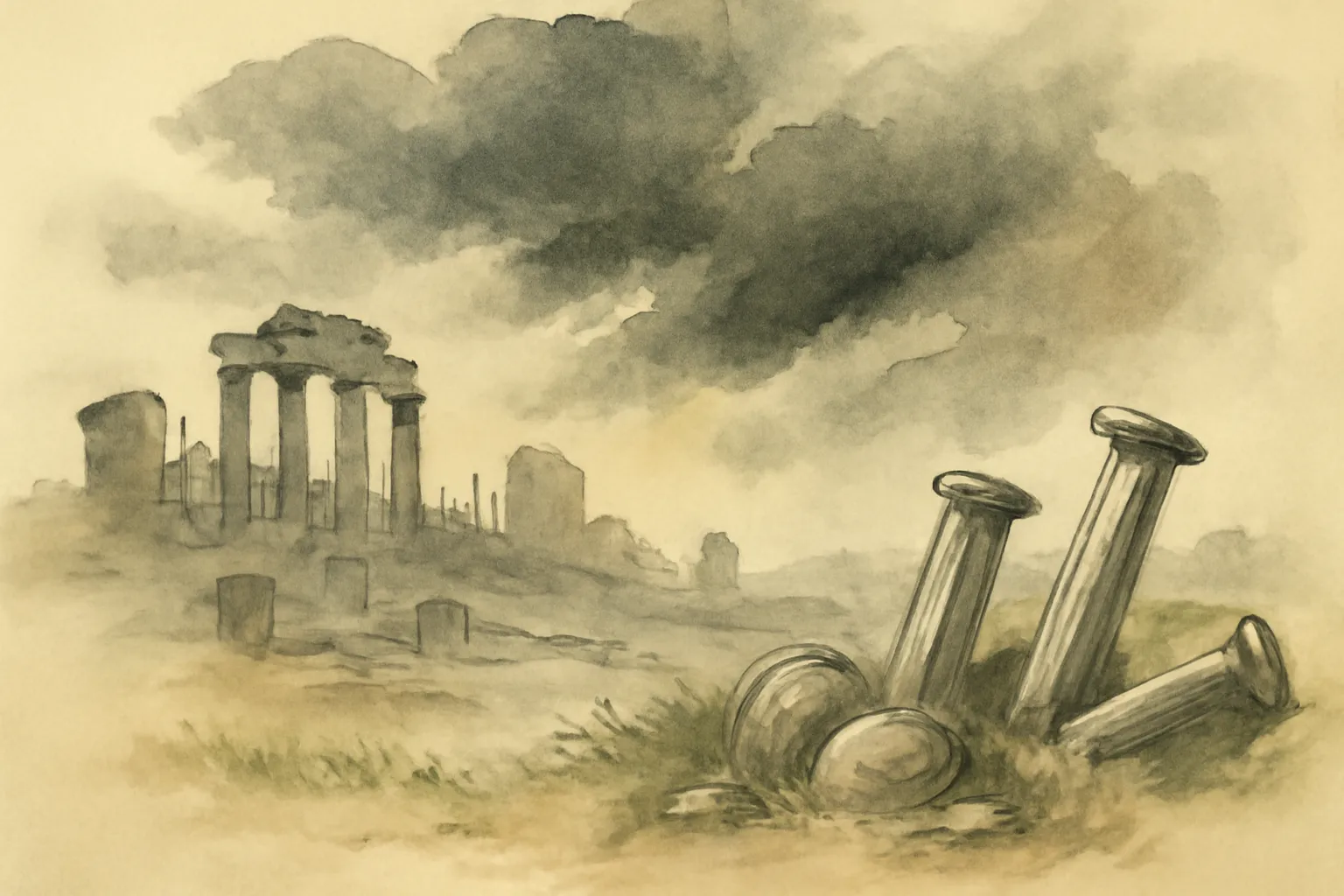
Thucydides begins by immersing readers in the historical context of Greece before the outbreak of the Peloponnesian War. He describes a landscape marked by frequent migrations and a lack of central authority, where various tribes regularly abandoned their homes due to invasions and conflicts. This instability fostered a society that was constantly at odds with itself, with no robust economic or political structures to maintain order. The Greeks were primarily concerned with subsistence, leading to a fragmented existence without significant urban development or trade. Land ownership was fleeting, with fertile regions subject to rapid changes in governance and ownership due to conflict. This chaotic backdrop not only set the stage for the eventual confrontation between the Athenian empire and the Peloponnesian League but also highlights how historical circumstances influence the trajectory of society, making them vulnerable to both internal strife and external threats.
2.Epidamnus and Potidaea: Local Conflicts Spark Wider War
The war's ignition can be traced to specific incidents that escalated into broader conflicts, particularly the affairs of Epidamnus and Potidaea. Epidamnus, founded as a colony of Corcyra, fell victim to internal strife and external pressures from nearby tribes. Seeking aid, the Epidamnians approached Corcyra, only to be dismissed, prompting them to turn to Corinth for help. This decision ignited tensions, as Corinth had its own ambitions and grievances against Athens. Similarly, Potidaea, a city allied with Athens but rooted in Corinthian heritage, became a focal point of conflict when Athens sought to curb its rebellion. Thucydides illustrates how these localized disputes were interwoven with larger political narratives, showing how alliances and hostilities can rapidly escalate into full-blown wars, fueled by the ambitions and fears of powerful city-states.
3.The Role of Diplomacy: The Congress of the Peloponnesian Confederacy
The Congress at Lacedaemon serves as a crucial moment in understanding the diplomatic landscape leading to war. Thucydides highlights how various city-states brought their grievances against Athens to this assembly, with Corinth accusing Athens of breaching treaties and inciting rebellion among its allies. This congress reflected the fragile nature of alliances in ancient Greece, where collective concerns could unify disparate states against a common enemy. The discussions revealed deep-seated resentments towards Athenian expansionism and hegemony. The Peloponnesians, particularly the Aeginetans and Megarians, voiced their fears of losing autonomy under Athenian rule. This assembly was not merely a forum for grievances; it was a decisive moment where the decision to go to war was made, showcasing how diplomacy can sometimes fail to mitigate tensions, ultimately leading to conflict.
4.Athenian Ascendancy: The Rise of the Empire
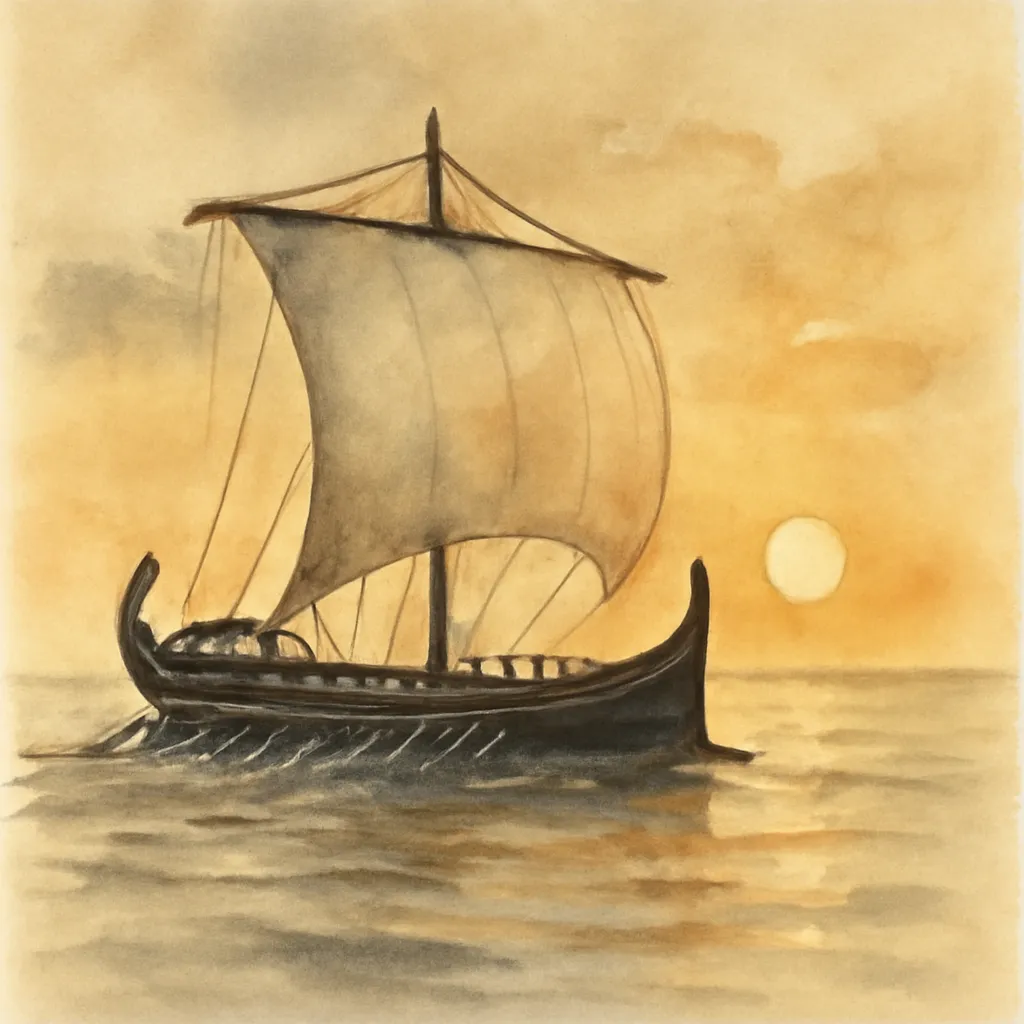
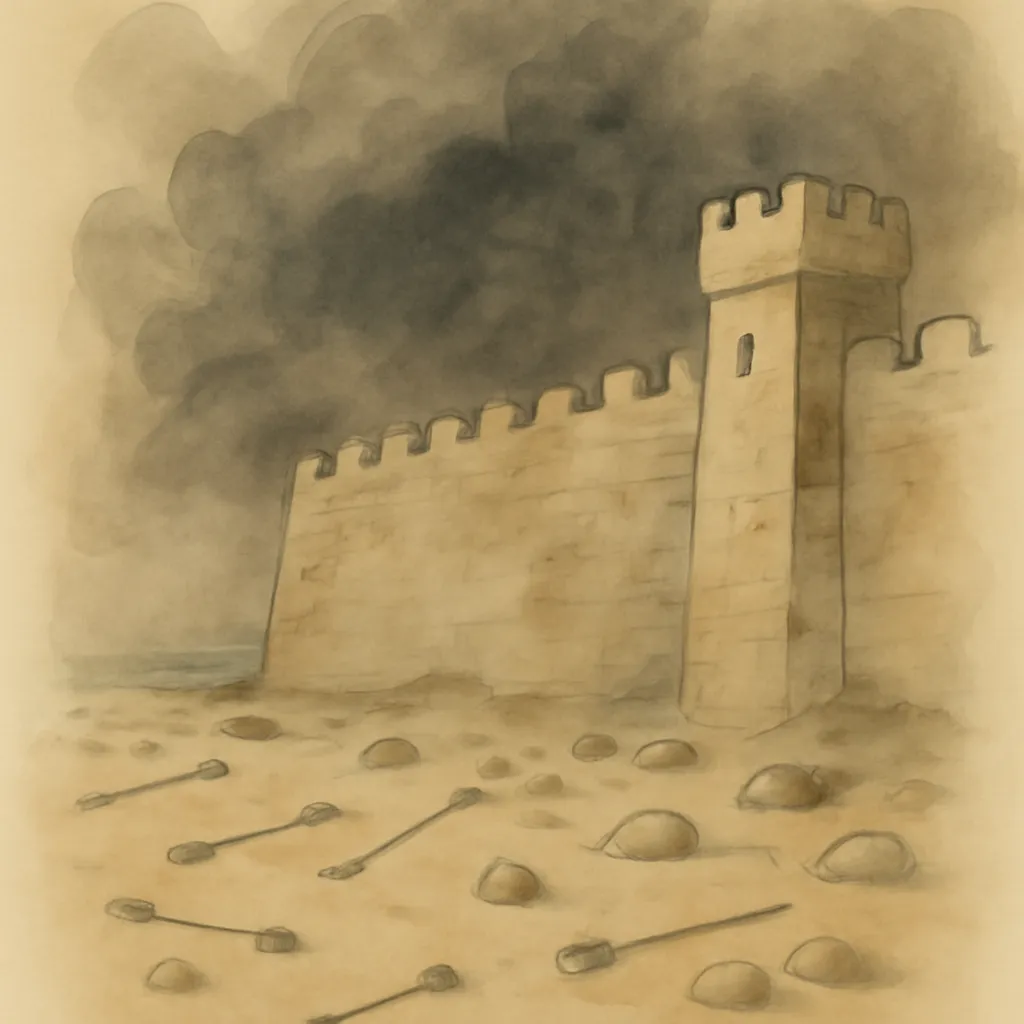
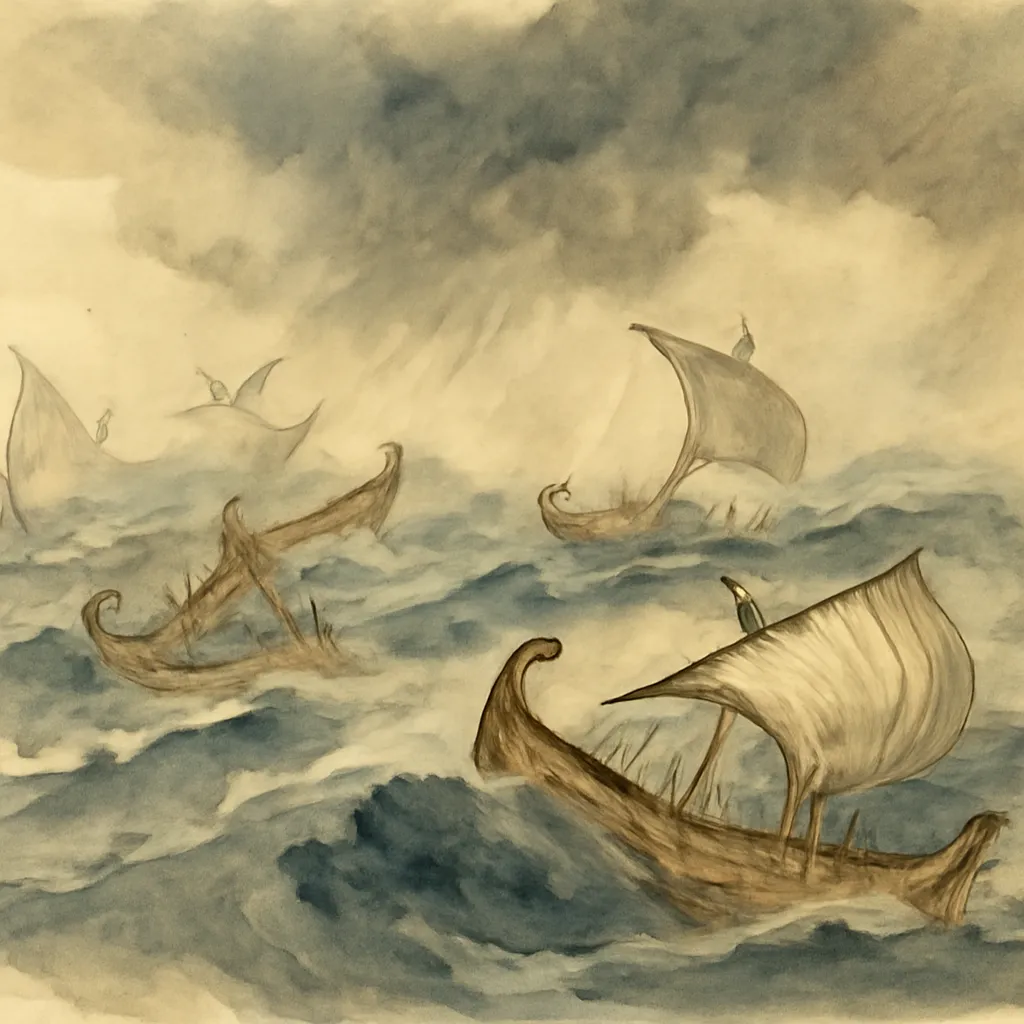
After the Persian Wars, Athens emerged as a dominant naval power, establishing the Delian League, which transformed from an alliance of mutual defense into an Athenian empire. Thucydides describes how the Athenians capitalized on their victory over Persia to fortify their city, expand their fleet, and impose their will on allied states. The construction of walls and the establishment of a strong navy solidified Athens' status as a superpower. However, this rise incited fear among Peloponnesian states, particularly Sparta, which viewed Athenian expansion and naval strength as direct threats to their traditional way of life. The tension between Athenian imperial ambition and Spartan conservatism highlights the delicate balance of power in ancient Greece, where the aspirations of one city-state could destabilize the entire region, eventually leading to war.
5.The Outbreak of Hostilities: Transition from Diplomacy to War
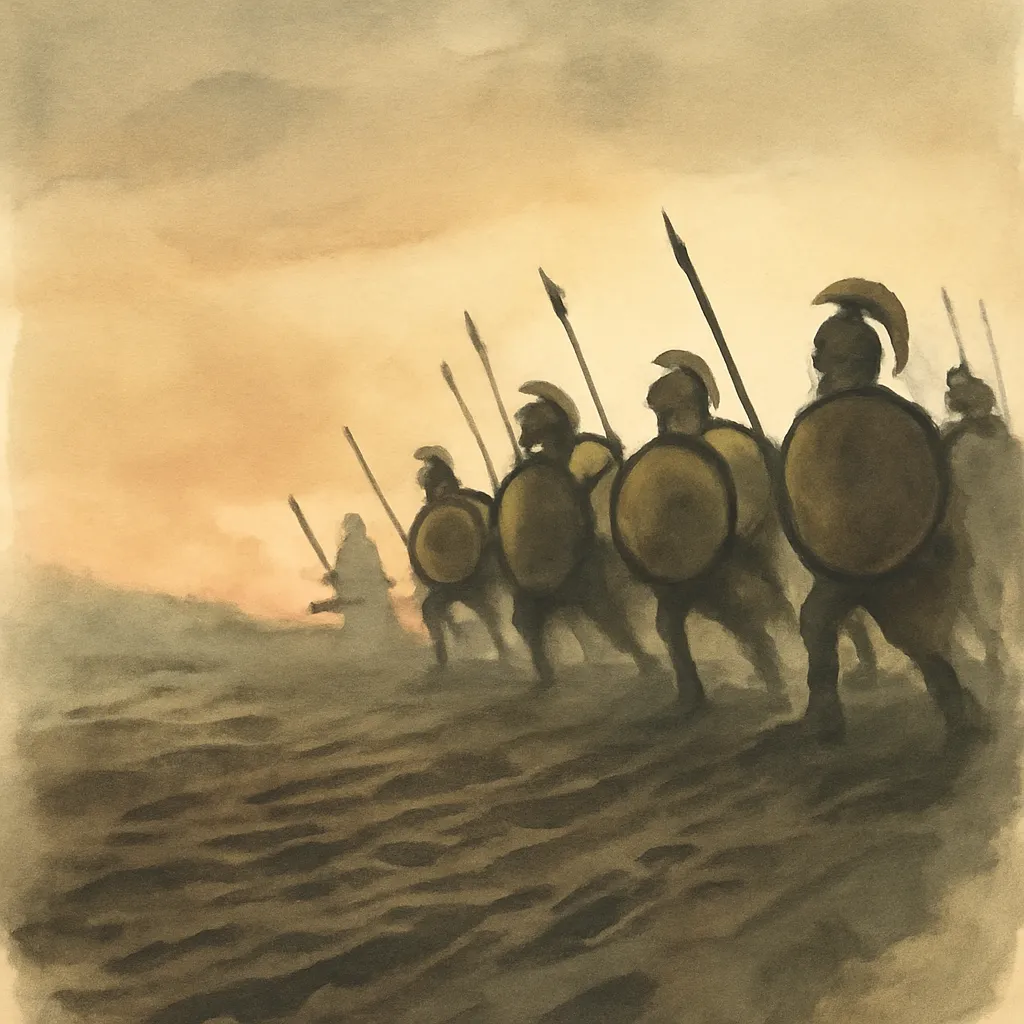
The Peloponnesian War officially commenced with a series of provocations and failed negotiations that culminated in hostilities. Thucydides chronicles the initial military actions, such as the invasion of Attica by Spartan forces under Archidamus, which marked the end of diplomatic efforts. Athens responded strategically by relying on its naval superiority and avoiding direct confrontations on land, illustrating the different military doctrines of the two powers. The conflict quickly escalated, with both sides engaging in a series of battles and skirmishes. This early phase of the war set a precedent for the brutal and protracted nature of the conflict, characterized by tactical shifts and the relentless pursuit of victory, which would ultimately define the course of the war.
6.The Plague of Athens: A Humanitarian and Strategic Catastrophe
As the war progressed, Athens faced a devastating plague that struck in the second year, claiming thousands of lives. Thucydides provides a vivid account of the plague's symptoms and its profound impact on Athenian society. The outbreak spread rapidly, leading to a humanitarian crisis that overwhelmed the city's resources and healthcare systems. Physicians were often among the first casualties, unable to cope with the scale of the epidemic. The plague not only decimated the Athenian population but also severely weakened morale, leading to social unrest and despair. Pericles, the Athenian leader, faced increased criticism and pressure as the public turned against his policies. This catastrophe serves as a stark reminder of how unforeseen events can dramatically alter the course of a war, shifting the balance of power and compounding the challenges faced by leaders.
7.The Siege of Plataea: A Case Study in War Ethics
Thucydides uses the siege and eventual fall of Plataea to explore the ethical complexities of wartime actions. Once a loyal ally of Athens, Plataea found itself besieged by the Peloponnesians, who sought to punish the city for its allegiance. The Plataeans, in their desperation, sent envoys to plead for mercy, invoking the historical ties that had bound them to Sparta and emphasizing their previous support against the Medes. However, the Peloponnesians were resolute in their intent to make an example of Plataea, leading to its eventual surrender and the brutal execution of its defenders. This episode raises significant moral questions about justice, loyalty, and the nature of retribution in wartime, challenging readers to reflect on the implications of political allegiance and the harsh consequences of warfare.
8.The Sicilian Expedition: Overreach and Catastrophe
The Athenian expedition to Sicily represents one of the most ambitious and disastrous military campaigns of the war. Thucydides details the motivations behind the expedition, which were driven by Athenian ambition to expand its empire and secure resources. The campaign, however, was plagued by strategic miscalculations, poor leadership, and a lack of unity among Athenian commanders. As the expedition faced fierce resistance from Sicilian city-states, Thucydides illustrates the chaos and disarray that unfolded. The failure of the Sicilian Expedition resulted in catastrophic losses for Athens, both in terms of manpower and resources, and significantly weakened its position in the war. This disastrous campaign serves as a cautionary tale about the dangers of overreach and the consequences of underestimating opponents, highlighting the unpredictable nature of warfare.
9.The Consequences of War: Internal Strife and Political Fragmentation
As the war continued, both Athens and Sparta experienced significant internal turmoil. Thucydides explores the political ramifications of prolonged conflict, including shifts in leadership, the rise of demagogues, and social unrest within both city-states. In Athens, the war exacerbated existing class divisions, leading to political strife and the emergence of radical factions. Conversely, Sparta faced challenges in maintaining cohesion among its allies, as not all were equally committed to the war effort. Thucydides emphasizes that war is not merely characterized by military engagements but is also a transformative force that reshapes the political landscape of societies. The struggle for power and authority amid chaos illustrates how warfare can destabilize even the most robust political systems, leading to unforeseen consequences.
10.The End of the War: Reflections on Power and Human Nature
Thucydides concludes his account with reflections on the lessons learned from the Peloponnesian War, emphasizing the cyclical nature of power and the fragility of political alliances. The eventual defeat of Athens and the restoration of Spartan dominance serve as reminders of the transient nature of success and the inevitability of change in the political landscape. Thucydides underscores the importance of understanding human motivations, ethical considerations, and the consequences of ambition in times of war. His insights into the complexities of governance and the darker aspects of human nature remain relevant, offering timeless wisdom for contemporary readers grappling with similar issues. The history of the Peloponnesian War not only chronicles a significant conflict but also serves as a profound exploration of the human condition in the face of power struggles.