1.The Burden of Honor
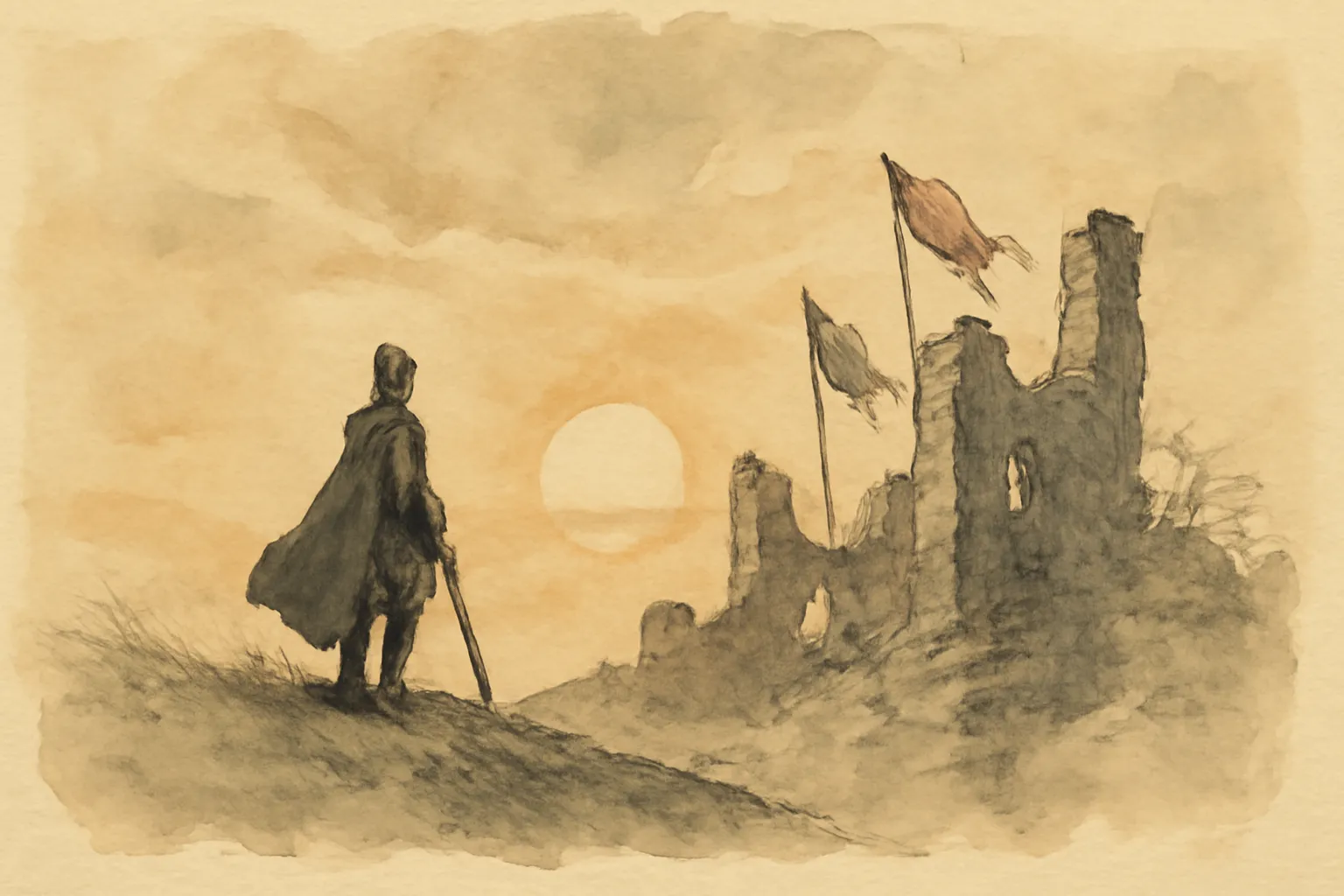
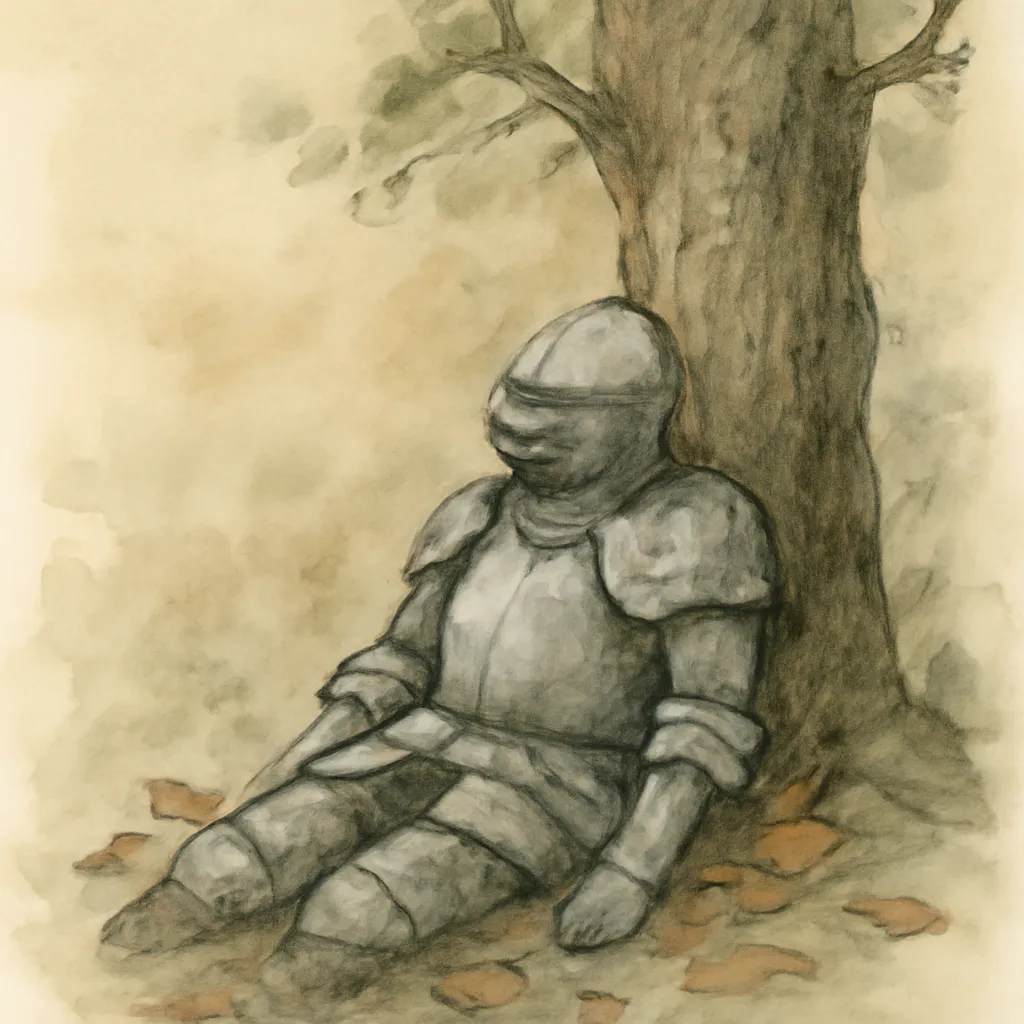
Ugo di Savelli embodies the weight of honor that comes with nobility. As a knight, he is bound to uphold the values of his lineage, but this often places him in precarious situations. The tension between personal desires and societal expectations is palpable as Ugo grapples with his feelings for Madame D'Entrangues, the wife of his rival. His commitment to honor forces him to navigate a landscape where every action is scrutinized, and a single misstep could lead to disgrace. This burden is not just a personal struggle; it reflects the broader societal norms of the time, where a noble's reputation was paramount and could dictate life or death. Ugo’s journey illustrates the profound impact that the pursuit of honor has on individual choices and relationships, making readers ponder the true cost of maintaining one’s dignity.
2.The Nature of Revenge
Revenge is a central theme that propels the narrative forward, particularly in Ugo's interactions with D'Entrangues. The desire for vengeance consumes Ugo, leading him to contemplate actions that could irrevocably alter his life and the lives of those around him. Yeats delves into the psychological complexity of revenge, showcasing how it can be both a motivating force and a destructive path. Ugo's contemplation of revenge against D'Entrangues evolves from a mere thought into a pressing need, especially after witnessing the consequences of D'Entrangues' actions against Madame. This exploration of revenge raises moral questions about justice and the cycle of violence, compelling readers to reflect on whether retribution truly brings closure or merely perpetuates suffering. Ugo's struggle highlights the internal conflict between his noble upbringing and the darker impulses that arise from betrayal.
3.Love in the Shadows of Betrayal
The romance between Ugo and Madame D'Entrangues is fraught with tension and complexity, serving as a poignant exploration of love amidst betrayal. Ugo's admiration for Madame grows as he witnesses her suffering under D'Entrangues' cruel hand. This admiration, however, is tinged with guilt as Ugo grapples with the implications of his feelings. The narrative intricately weaves their relationship with the broader themes of loyalty and betrayal, as Ugo's desire to protect Madame clashes with his code of honor. Their connection is not merely romantic; it becomes a symbol of hope and redemption in a world rife with treachery. Yeats captures the nuances of their relationship, illustrating how love can flourish even in the most adverse conditions, while also posing the question of whether love can truly conquer all, especially when entangled with the expectations of society. The emotional depth of their bond adds layers to the narrative, making it a compelling study of the human heart.
4.The Influence of Fate and Chance
Fate plays a significant role in 'The Honour of Savelli,' often dictating the characters' paths in ways they cannot control. Ugo's life is shaped by a series of events that seem to conspire against him, from his initial capture to the unexpected encounters that change his trajectory. Yeats employs a sense of inevitability throughout the story, suggesting that the characters are not merely victims of their choices but also of a larger, uncontrollable force. This interplay between fate and free will prompts readers to question the extent to which individuals can shape their destinies. Ugo's journey illustrates the fragility of human plans and the unpredictable nature of life in Renaissance Italy, where allegiances shift and fortunes can change overnight. The narrative ultimately suggests that while characters may strive for control, they are often at the mercy of circumstances beyond their understanding.
5.Chivalry and Its Discontents
The ideals of chivalry are both celebrated and critiqued throughout the novel, providing a lens through which to examine the behaviors of the characters. Ugo, as a knight, is expected to embody the virtues of bravery, loyalty, and honor, yet he finds himself in situations that challenge these ideals. The code of chivalry often serves as a double-edged sword, compelling Ugo to act in ways that may conflict with his personal beliefs. Yeats paints a vivid picture of a society where the chivalric code is both revered and burdensome, leading to moments of moral ambiguity. Ugo’s encounters with other knights and their varying interpretations of honor reveal the complexities of living up to such ideals. The narrative invites readers to consider the limitations of chivalry in a world where honor can be manipulated, and the consequences of adhering too rigidly to these codes can lead to tragic outcomes.
6.The Role of Women in a Man's World
Madame D'Entrangues serves as a powerful representation of the complexities of women's roles during the Renaissance. Although she is caught in a marriage that stifles her spirit, her strength and resilience shine through as she navigates her circumstances. The narrative reveals the limited agency women had in a patriarchal society, often relying on the men around them for protection and support. Yet, Madame’s character defies these constraints as she becomes a catalyst for Ugo’s transformation. Her suffering at the hands of her husband ignites Ugo's desire to act, showcasing how women's experiences can influence and drive male protagonists. Yeats highlights the often-overlooked narratives of women in history, emphasizing their strength in the face of adversity and the impact they have on the lives of the men around them. Through Madame, the story challenges traditional gender roles, allowing her to emerge as a figure of agency and courage.
7.Friendship and Loyalty
The bonds of friendship and loyalty play a crucial role in Ugo's journey, shaping his decisions and actions throughout the narrative. Characters like Braccio and Jacopo provide not only companionship but also serve as reminders of the importance of loyalty in a treacherous world. Their unwavering support highlights the theme of camaraderie, as Ugo relies on their strength during his darkest moments. Yeats contrasts these loyal friendships with the betrayals Ugo faces, particularly from D'Entrangues, underscoring the value of true allies in a landscape filled with deceit. The friendships depicted in the story serve as a refuge for Ugo, offering him solace and strength as he grapples with his internal conflicts. This exploration of loyalty invites readers to reflect on the significance of such bonds in their own lives, emphasizing how true friendship can provide clarity and purpose amid chaos.
8.The Consequences of War
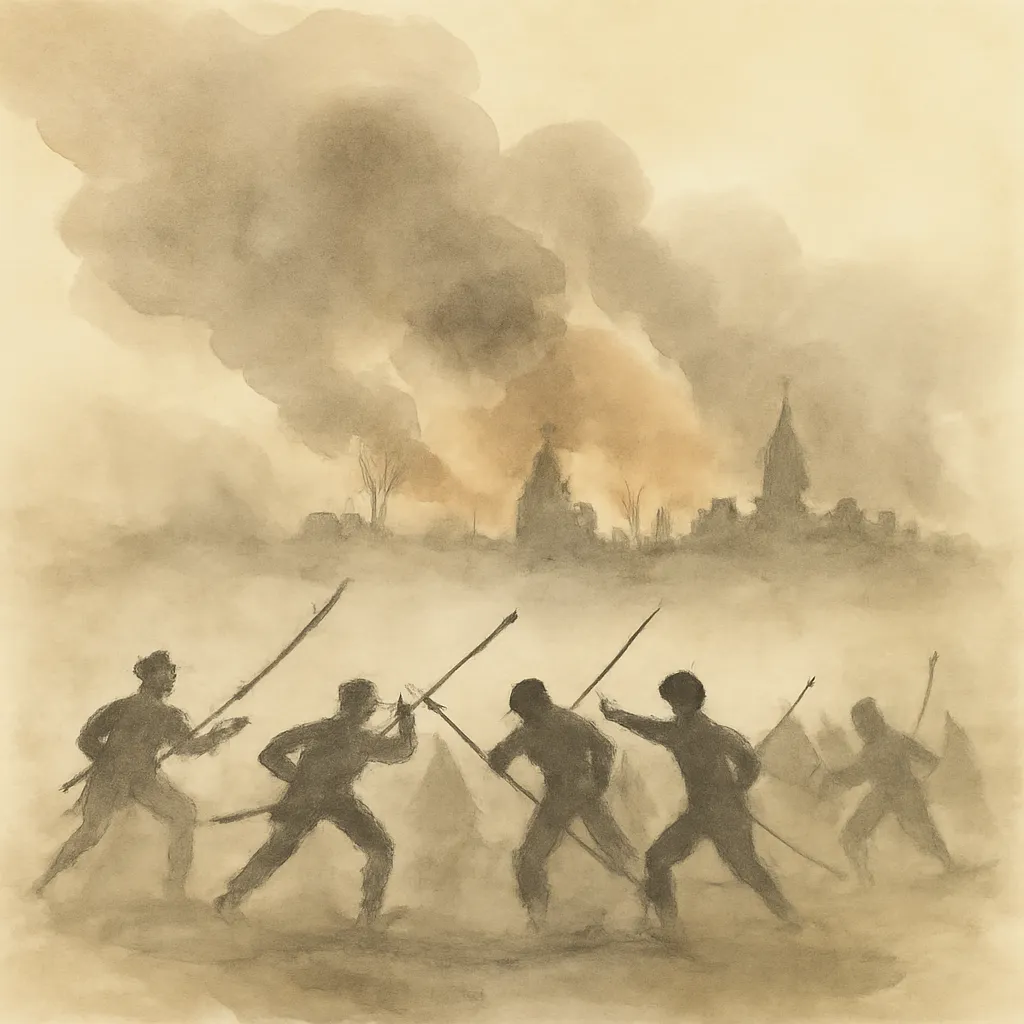
Set against the backdrop of Renaissance Italy, the narrative does not shy away from the brutal realities of war. Yeats vividly depicts the chaos and destruction that accompany conflict, illustrating how it permeates every aspect of life for nobles and commoners alike. Ugo's experiences in battle shape his character and inform his understanding of honor and duty. The psychological toll of war is palpable as characters confront the horrors of violence, loss, and the fragility of life. Yeats uses Ugo's encounters to delve into the moral complexities of warfare, raising questions about the justification of violence and the impact it has on human relationships. The consequences of war extend beyond the battlefield, affecting the emotional and psychological states of those involved. By highlighting these themes, the narrative serves as a poignant reminder of the enduring scars that conflict leaves on individuals and societies.
9.The Quest for Identity
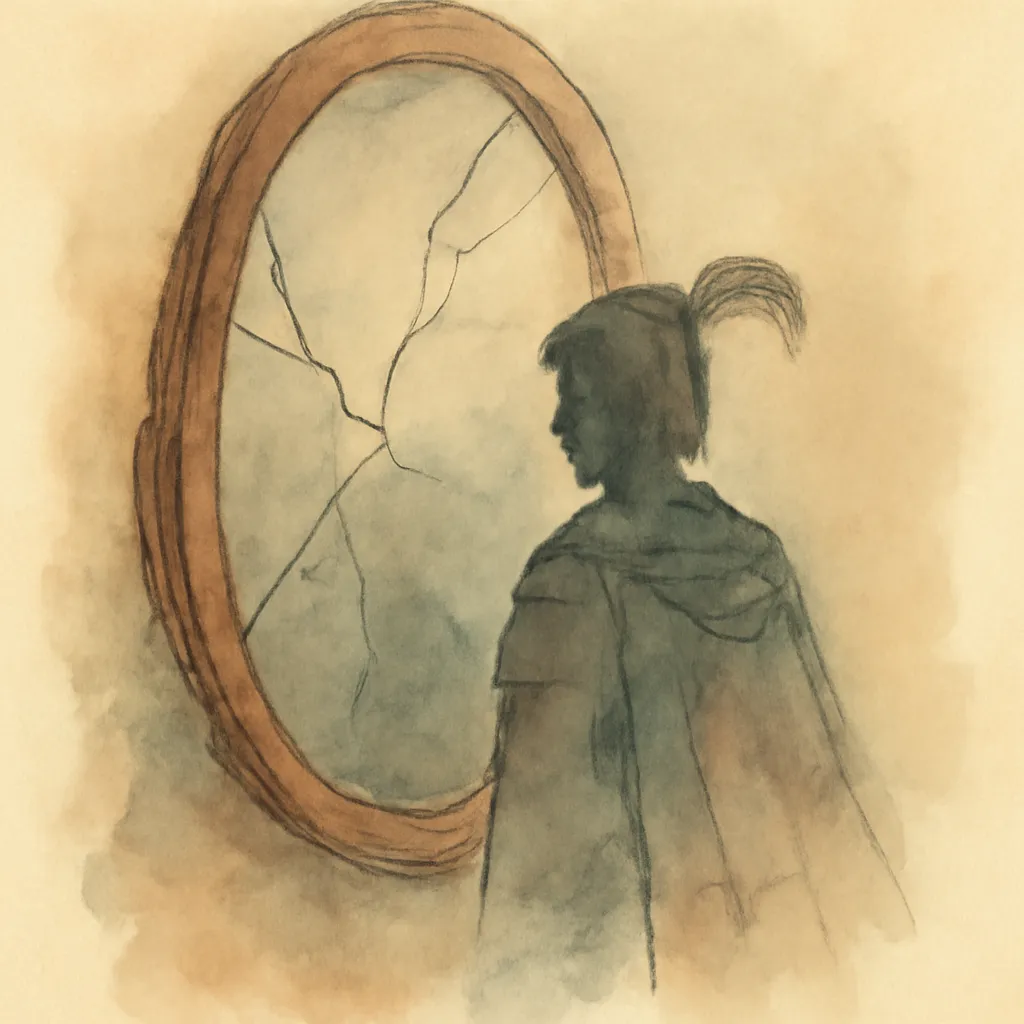
Ugo's journey is also a quest for identity, as he grapples with the expectations placed upon him as a nobleman and the man he wishes to become. Throughout the story, Ugo confronts the dichotomy between his inherited identity and his personal desires. This struggle is compounded by the societal expectations of honor and chivalry that dictate his actions. Yeats intricately weaves Ugo's internal conflict into the narrative, allowing readers to witness his evolution as he seeks to reconcile his duties with his personal values. The quest for identity becomes a universal theme, resonating with readers who may also grapple with the pressures of societal norms. Ugo's ultimate realization of who he is—beyond titles and expectations—serves as a powerful testament to the importance of self-discovery in the face of external challenges.