A meditation on grief, faith, and the search for meaning in modern New York.
The Hours by Michael Cunningham delves into the lives of two brothers grappling with loss, faith, and artistic ambition in the heart of New York City. Readers are invited to explore how personal tragedy, spiritual yearning, and the creative process intertwine, offering a nuanced look at how we attempt to find purpose amid suffering.
Michael Cunningham is a Pulitzer Prize-winning novelist known for his sensitive, lyrical explorations of identity, time, and the human condition. His work is acclaimed for its psychological depth and its ability to illuminate the quiet dramas of everyday life.
Key ideas
1.Grief as a Catalyst for Transformation
The novel examines how grief can upend lives but also serve as a crucible for change. The heartbroken protagonist, reeling from personal loss, is propelled into a spiritual journey after witnessing a mysterious vision. This event forces him to confront the void left by tragedy and seek solace beyond the material world, suggesting that suffering can be both destructive and generative.
2.Faith and the Search for Meaning
Cunningham explores the allure and ambiguity of faith in a secular age. The protagonist's turn to religion is depicted not as a straightforward embrace but as a complex negotiation between skepticism and hope. The novel raises questions about the nature of belief, the reliability of visions, and whether faith is a genuine answer or merely a coping mechanism in the face of existential despair.
3.Art as Salvation and Escape
The musician brother's creative struggle highlights the role of art in processing pain and seeking transcendence. His reliance on drugs to compose a song for his ill wife underscores the tension between inspiration and self-destruction. Cunningham suggests that art can offer moments of grace and connection, but also exposes the artist to new vulnerabilities.
4.Family Bonds Under Strain
The brothers' relationship is tested by their differing responses to crisis. While one seeks solace in religion, the other turns to music and substances. Their interactions reveal the complexities of familial love—how it can both support and fail us in times of need, and how shared history is both a comfort and a burden.
5.The Urban Spiritual Landscape
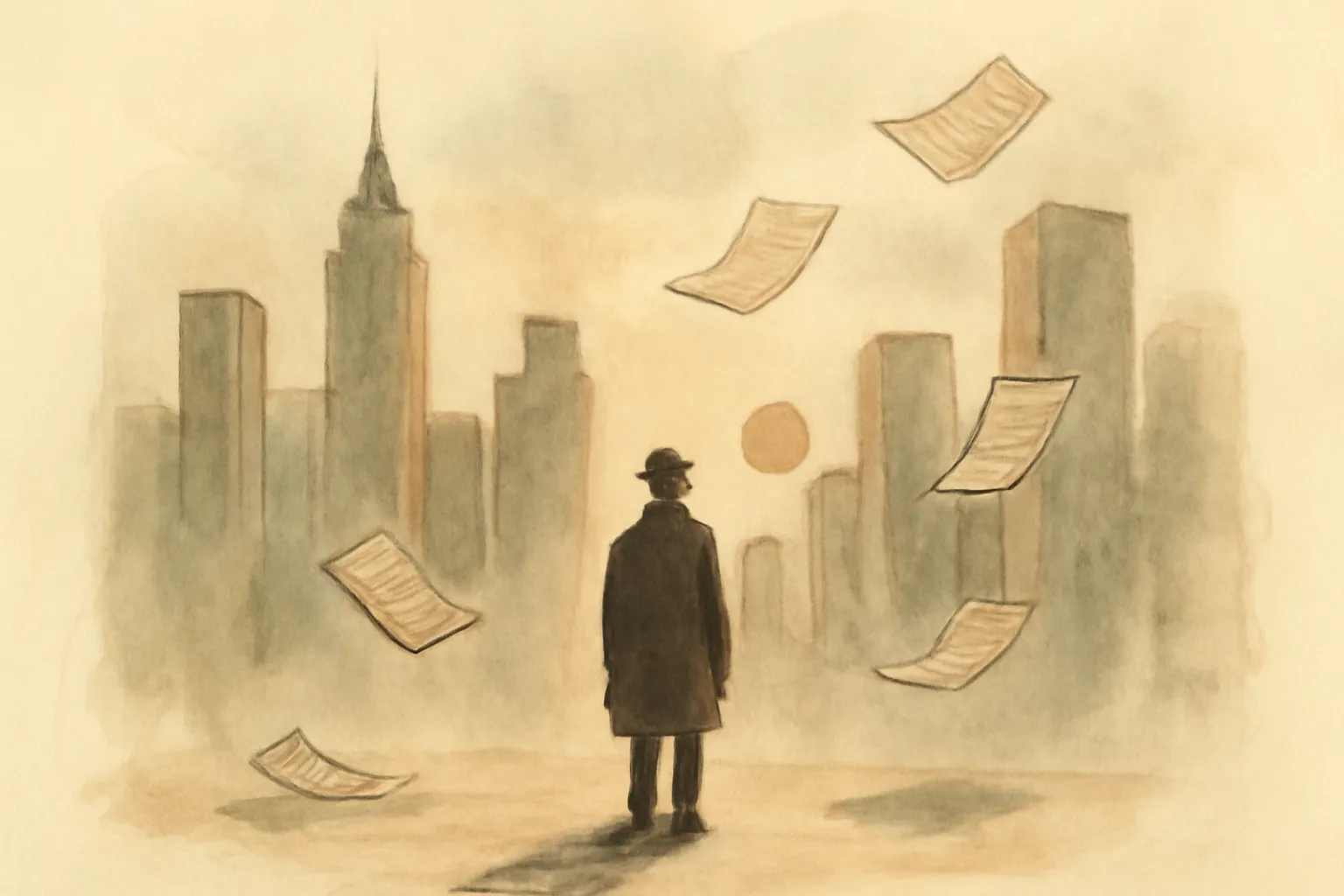
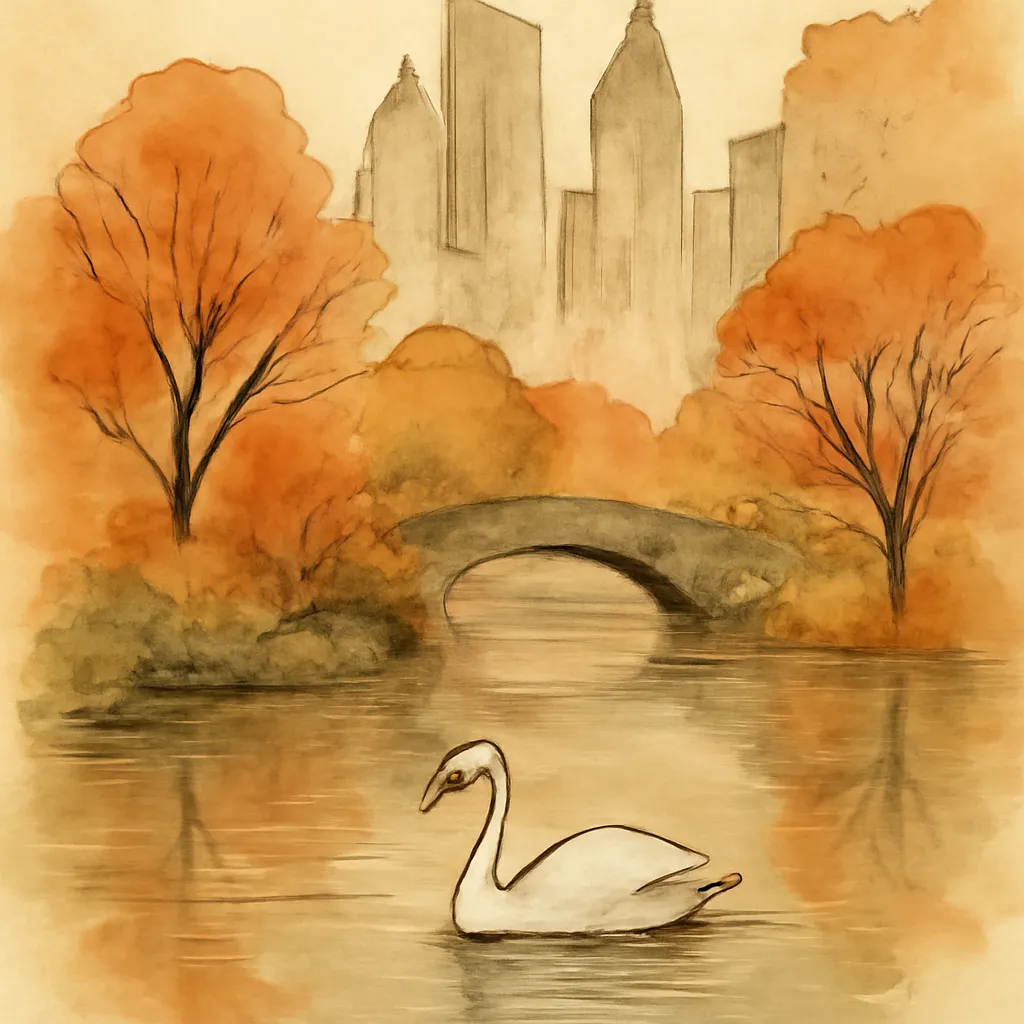
Set against the backdrop of Central Park and modern New York, the novel situates spiritual longing within the chaos and beauty of city life. The city itself becomes a character, reflecting the characters’ inner turbulence and offering moments of unexpected revelation. Cunningham uses the urban setting to probe how the search for meaning persists even amid noise, distraction, and anonymity.
6.Illness and Mortality
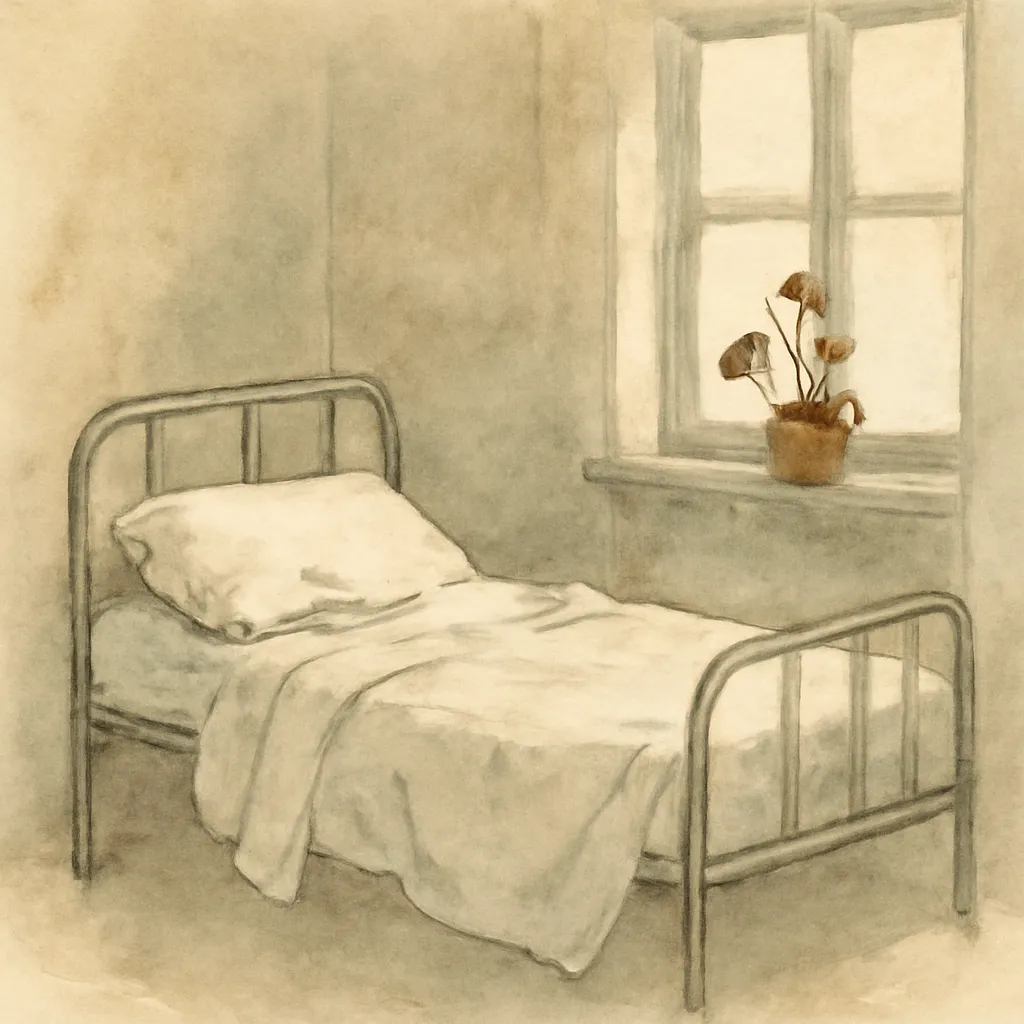
The presence of the seriously ill wife brings the reality of mortality into sharp focus. Her condition shapes the actions and emotional states of those around her, forcing characters to confront the limits of their control and the inevitability of loss. The novel treats illness not just as a personal tragedy but as a shared existential challenge.
Key takeaways
- ◆How does grief reshape our beliefs and relationships?
- ◆Can faith and art provide real solace, or are they just distractions?
- ◆What does the city setting add to the characters’ spiritual journeys?
- ◆How do family dynamics shift under the weight of illness?
- ◆Is transformation possible after profound loss?
In conclusion
The Hours offers a poignant exploration of how individuals respond to suffering, weaving together themes of faith, creativity, and human connection. Cunningham’s nuanced portrayal of loss and longing invites readers to reflect on their own sources of meaning and the ways we seek redemption in a complicated world.