1.The Revocation of the Edict of Nantes: A Turning Point

The Revocation of the Edict of Nantes on October 18, 1685, marked a catastrophic shift for the Huguenots, who had previously enjoyed a degree of religious tolerance in France. Signed by Louis XIV, this decree was not merely a personal decision of the king; it was backed by the Catholic Church and broadly supported by the populace. Despite having sworn to maintain the Edict, Louis XIV succumbed to pressure from his Catholic advisors, leading to a devastating loss of rights for the Huguenots. The aftermath saw the erasure of their social privileges, the destruction of their churches, and the onset of violent persecution. This decree symbolized the triumph of intolerance and set the stage for the mass exodus of Huguenots from France, as many sought refuge in countries that would accept them. The Revocation was celebrated by the Catholic clergy, who viewed it as a divine victory against heresy, illustrating the deep-rooted animosity towards Protestantism within French society.
2.The Immediate Effects of Persecution

The immediate aftermath of the Revocation was marked by widespread suffering among the Huguenots. Stripped of their rights, they faced civil death, meaning they could not own property, hold jobs, or worship freely. Louis XIV's regime enforced rigorous measures, including the prohibition of public worship and severe penalties for private gatherings. Families were torn apart; children were forcibly removed to be raised as Catholics, and many Huguenots faced torture or execution for their beliefs. This brutal crackdown served to both suppress the Huguenots and demonstrate the lengths to which the monarchy would go to enforce religious conformity. The atmosphere of fear and oppression drove many to flee, leading to a significant diaspora of Huguenots across Europe. The Edict's effects reverberated through society, as it not only decimated the Huguenot population but also stripped France of skilled workers, artisans, and merchants, leading to economic decline in regions heavily populated by Protestants.
3.Claude Brousson: Advocate and Martyr
Claude Brousson emerges as a pivotal figure in the Huguenot struggle during this dark period. Born in Nîmes in 1647, Brousson initially pursued a career in law, defending Protestant pastors against oppressive edicts. His legal acumen and commitment to his faith led him to become a prominent advocate for the Huguenots, passionately contesting the injustices they faced. Brousson's advocacy was not without peril; as persecution intensified, he became a target for the authorities, enduring imprisonment and threats to his life. His transition from legal advocate to pastoral leadership showcased the depth of his commitment to his faith and community. Ultimately, Brousson was captured and executed, becoming a martyr for his beliefs. His life illustrates the profound personal sacrifices made by many in the name of faith and justice, and his legacy continues to inspire subsequent generations of Huguenots in their quest for religious freedom.
4.The Camisards: Rise of the Insurgency

The Camisard uprising in the Cevennes represents a significant chapter in the Huguenot narrative, illustrating the desperation that drove the oppressed to armed resistance. This insurrection was not merely a rebellion but a cry for justice and religious freedom against the tyranny of Louis XIV's regime. The Camisards, comprised largely of impoverished peasants, took up arms after enduring years of persecution, torture, and loss. Their fight, characterized by guerrilla tactics and local knowledge of the terrain, enabled them to achieve several remarkable victories against the royal forces. Despite their ultimate defeat, the Camisards' resistance highlighted the lengths to which oppressed individuals would go to reclaim their rights and assert their religious identity. They remained steadfast in their beliefs, often engaging in secret worship and community gatherings, illustrating the resilience and courage of the Huguenot spirit. The Camisards' actions galvanized support among the Huguenots and drew attention to the injustices they faced, ultimately influencing the broader conversation about religious tolerance in Europe.
5.The Role of Exiled Huguenots in European Armies
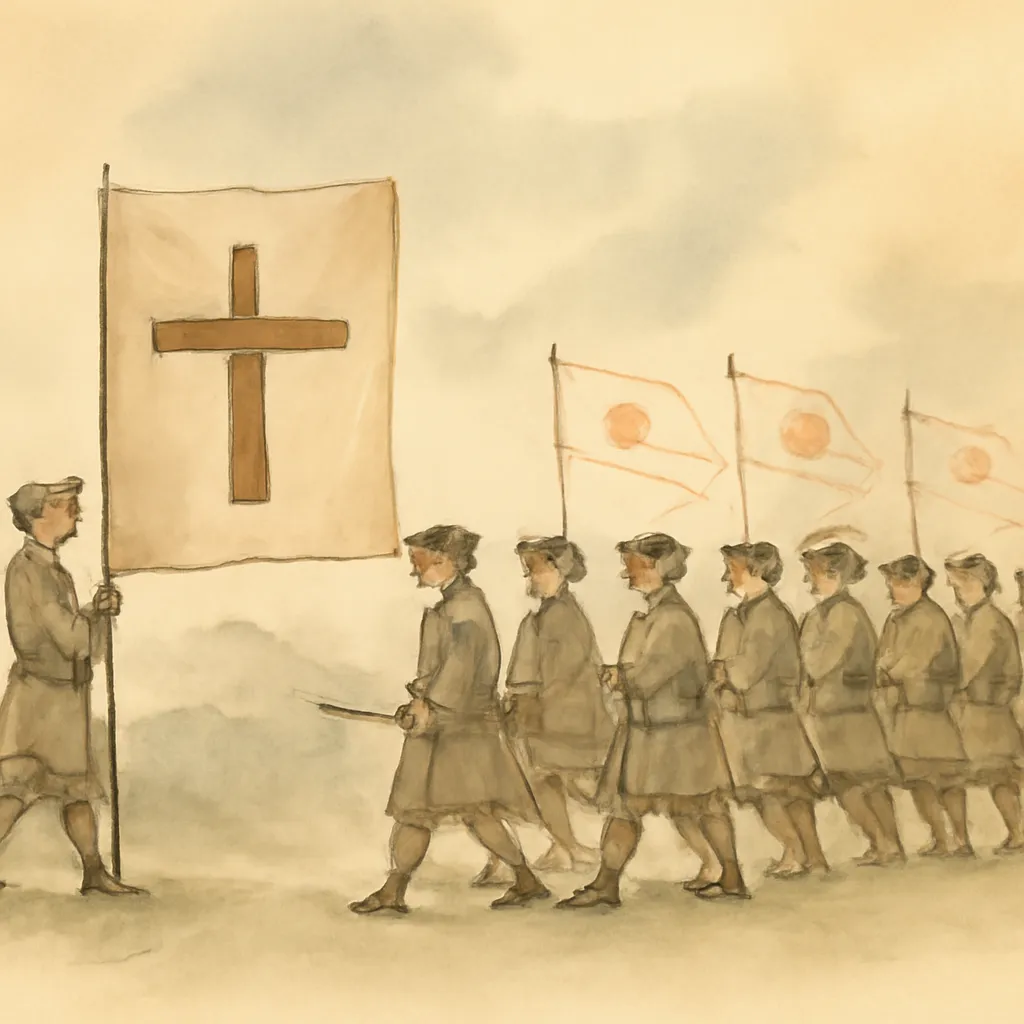
As Huguenots fled France, many found new roles in the armies of their host nations, significantly influencing military affairs across Europe. In England, a considerable number of Huguenots served in the army of William III, contributing their skills and military expertise gained from their experiences in France. They played crucial roles in several key battles, including the War of the Spanish Succession, where their strategic knowledge and training provided a significant advantage. Their participation not only helped solidify the Protestant cause but also contributed to the development of military tactics that would be adopted by their new allies. Moreover, the Huguenots brought with them a rich cultural heritage that included not only military skills but also craftsmanship, education, and philosophical thought, thereby enhancing the societies they joined. This migration resulted in the establishment of tight-knit Huguenot communities that preserved their customs and beliefs, further integrating their experiences into the broader fabric of European life.
6.Antoine Court: Reviving Faith in Exile
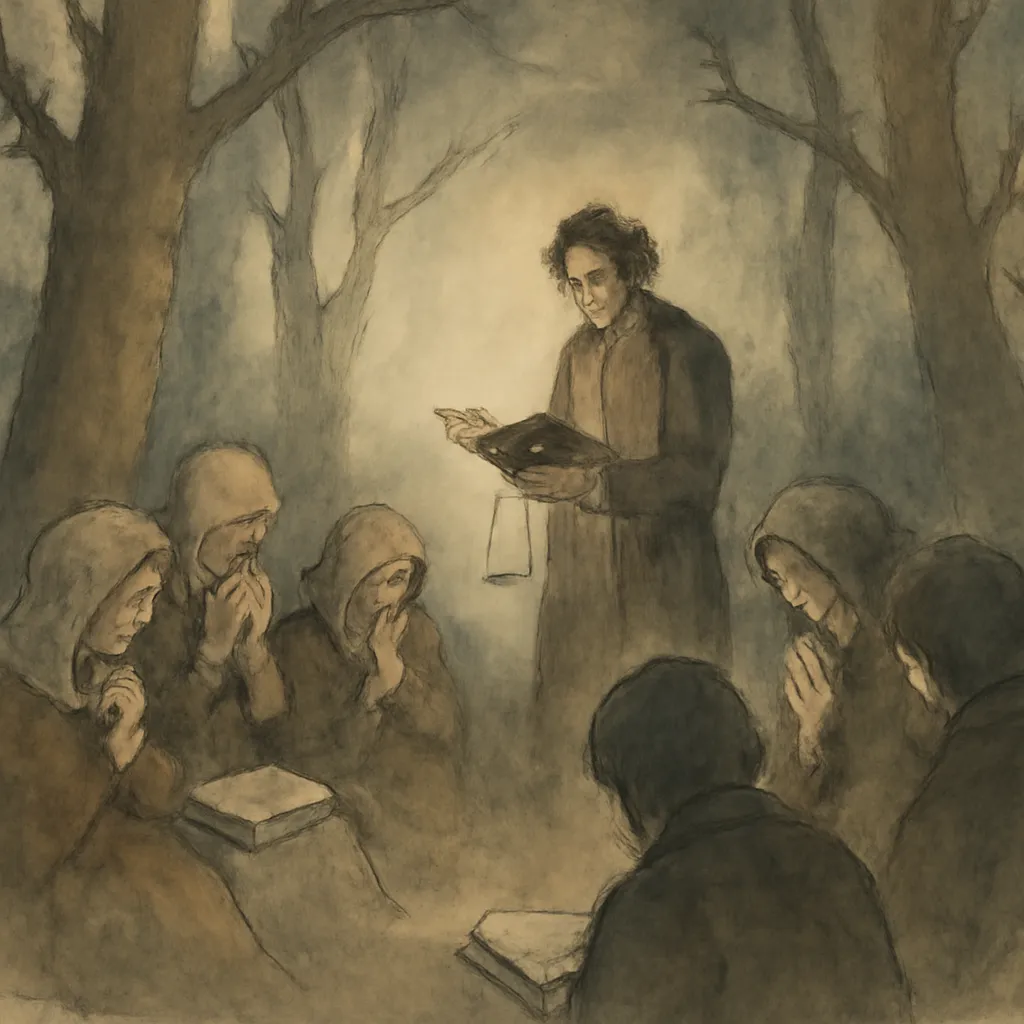
Antoine Court emerged as a beacon of hope for the Huguenots after the death of Louis XIV. Born in 1696, Court recognized the need to restore Protestantism in France despite the pervasive oppression. He organized clandestine meetings, reviving the 'Church in the Desert' where worshippers could gather in secrecy to practice their faith. Court's efforts were instrumental in re-establishing a sense of community and continuity among the Huguenots, who had been scattered and demoralized. He emphasized the importance of education and the preservation of Huguenot teachings, ensuring that the next generation would remain connected to their heritage. Through his passionate sermons and writings, Court reignited a spiritual fervor among the Huguenots, reminding them of their shared identity and faith. His leadership marked a pivotal point in the Huguenot revival, demonstrating that even in the face of relentless persecution, faith could flourish and inspire resilience.
7.Cultural Contributions of the Huguenots
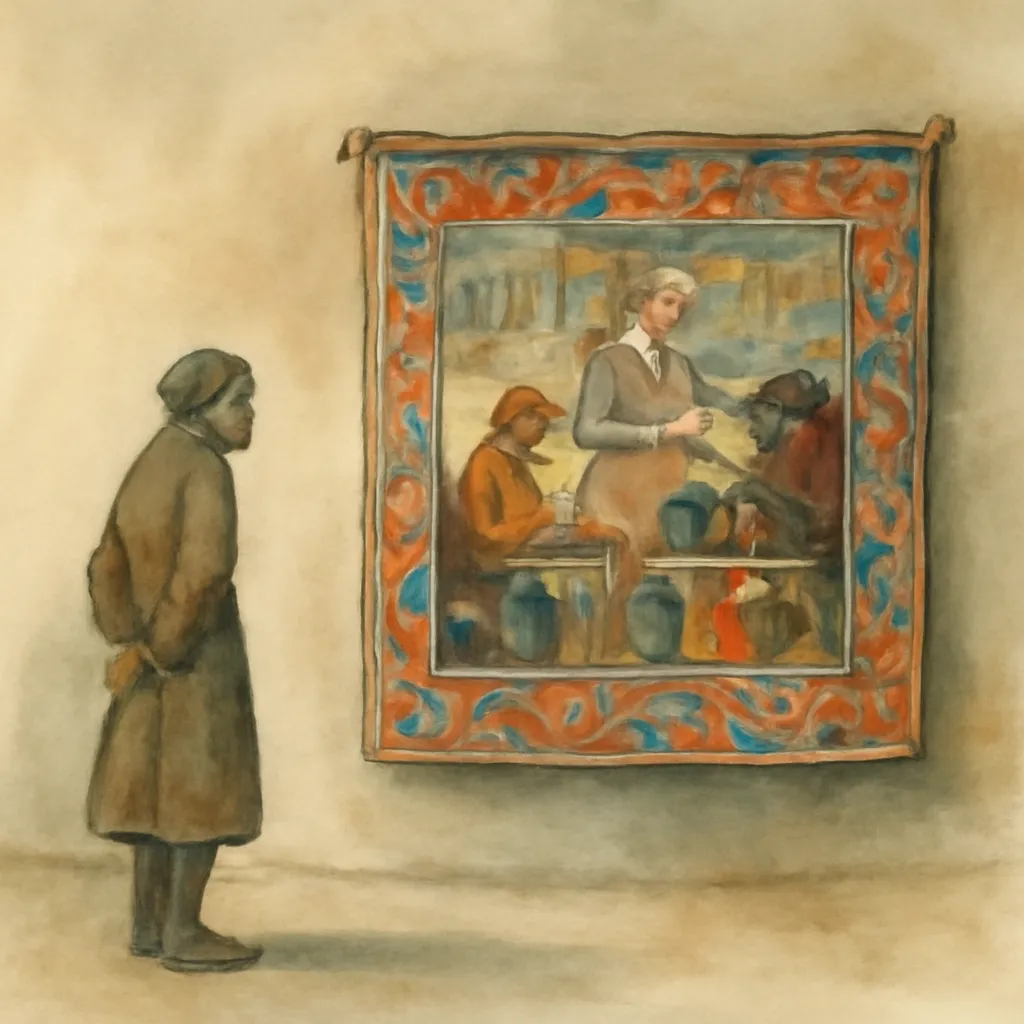
The Huguenots made significant cultural contributions to their host nations, enriching the social and economic landscapes of places like England, the Netherlands, and Prussia. As skilled artisans, merchants, and intellectuals, they brought expertise in various fields, including textiles, manufacturing, and agriculture. Their influence can be seen in the establishment of industries that would flourish in their new homes, often revitalizing local economies. For example, Huguenot silk weavers in England significantly advanced the textile industry, bringing new techniques and styles that transformed fashion. Moreover, the Huguenots contributed to the cultural fabric through literature, philosophy, and the arts, maintaining their identity while integrating into their new societies. This cultural exchange not only benefited the Huguenots but also left a lasting impact on the countries that welcomed them, illustrating the profound interconnections between faith, culture, and society. The resulting cultural syncretism enriched the intellectual life of Europe, fostering an environment of creativity and innovation.
8.The End of Persecution and the French Revolution
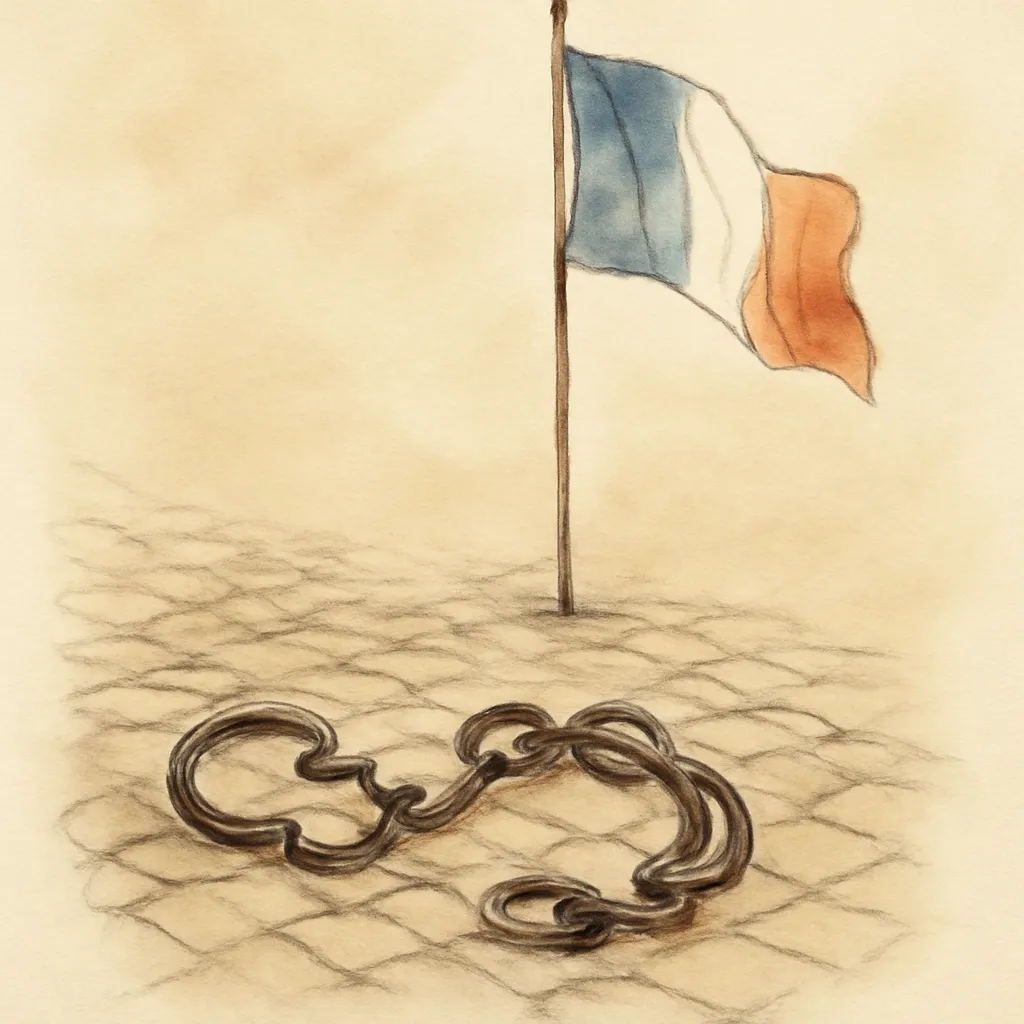
The French Revolution marked a turning point for the Huguenots, as the tides of oppression began to shift dramatically. The Revolution's principles of liberty, equality, and fraternity resonated with the Huguenots, who had long suffered under the weight of religious intolerance. In the wake of the Revolution, many Huguenots found renewed hope and a chance to reclaim their rights as citizens of France. The abolition of feudal privileges and the promotion of secularism allowed for the re-emergence of Protestantism in France, leading to a gradual restoration of civil rights. However, the journey was not without its challenges, as the legacy of persecution lingered, and many Huguenots had to navigate a complex landscape of newfound freedoms alongside remnants of their past suffering. The Revolution provided a unique platform for Huguenots to advocate for their rights and reestablish their communities, symbolizing a significant shift in the relationship between church and state in France. Their resilience during this tumultuous period solidified their identity and role in the modern nation.
9.The Legacy of the Huguenots: A Testament to Resilience
The story of the Huguenots is one of resilience, showcasing their unwavering commitment to faith and freedom despite overwhelming adversity. Their experiences serve as a powerful reminder of the human spirit's capacity to endure and resist oppression. The Huguenots' journey from persecution to exile, and ultimately to cultural revival, illustrates the complexities of religious identity and the struggle for liberty. Their legacy continues to inspire contemporary movements for religious freedom and human rights worldwide. As descendants of the Huguenots reflect on their heritage, they carry forward the lessons of courage, faith, and the importance of standing firm in one's beliefs, even in the face of tyranny. The Huguenots embody the enduring fight for conscience and the right to worship freely, reminding us that the pursuit of freedom is a universal struggle that transcends generations and borders.