1.Integration of Fossil and Archaeological Evidence
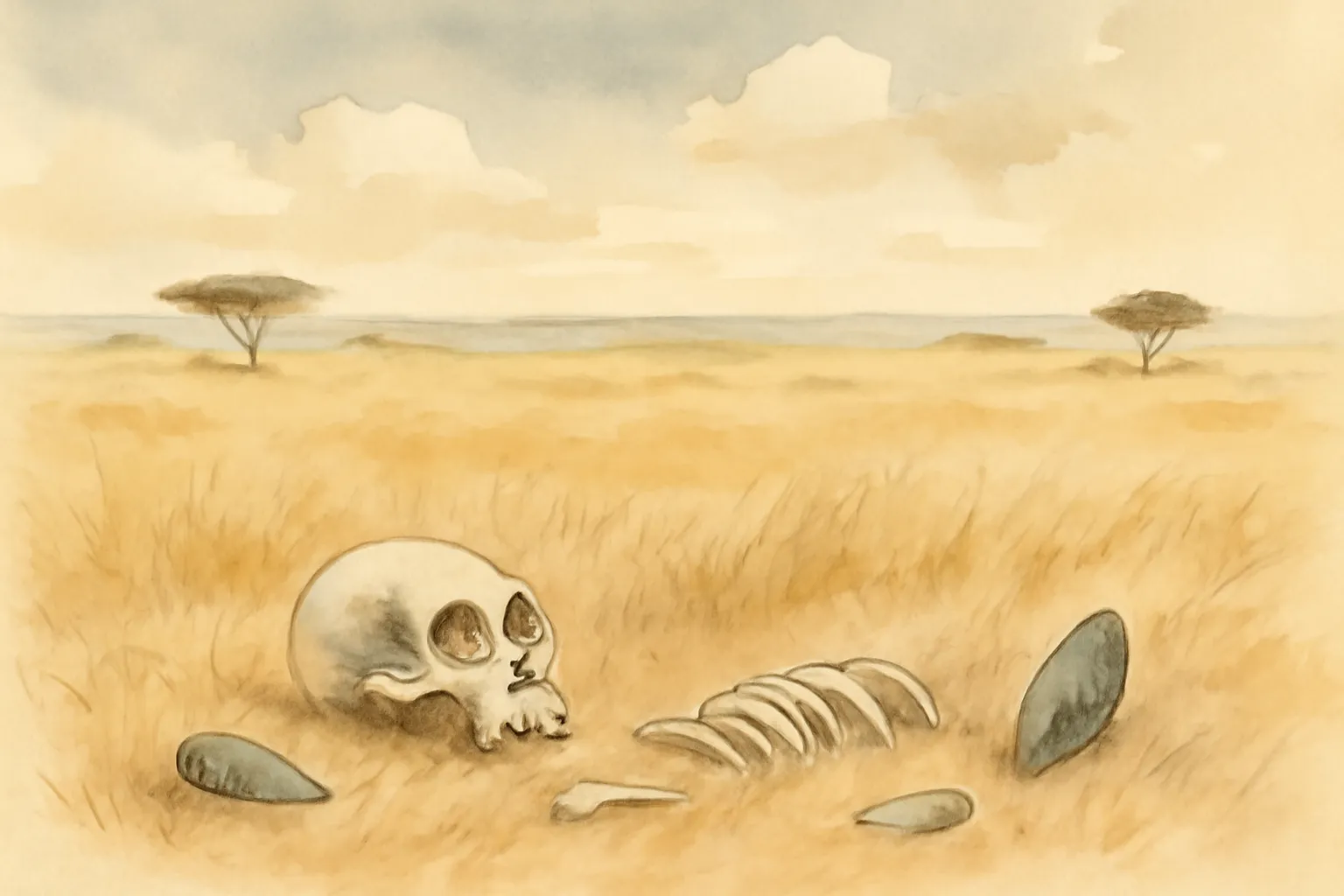
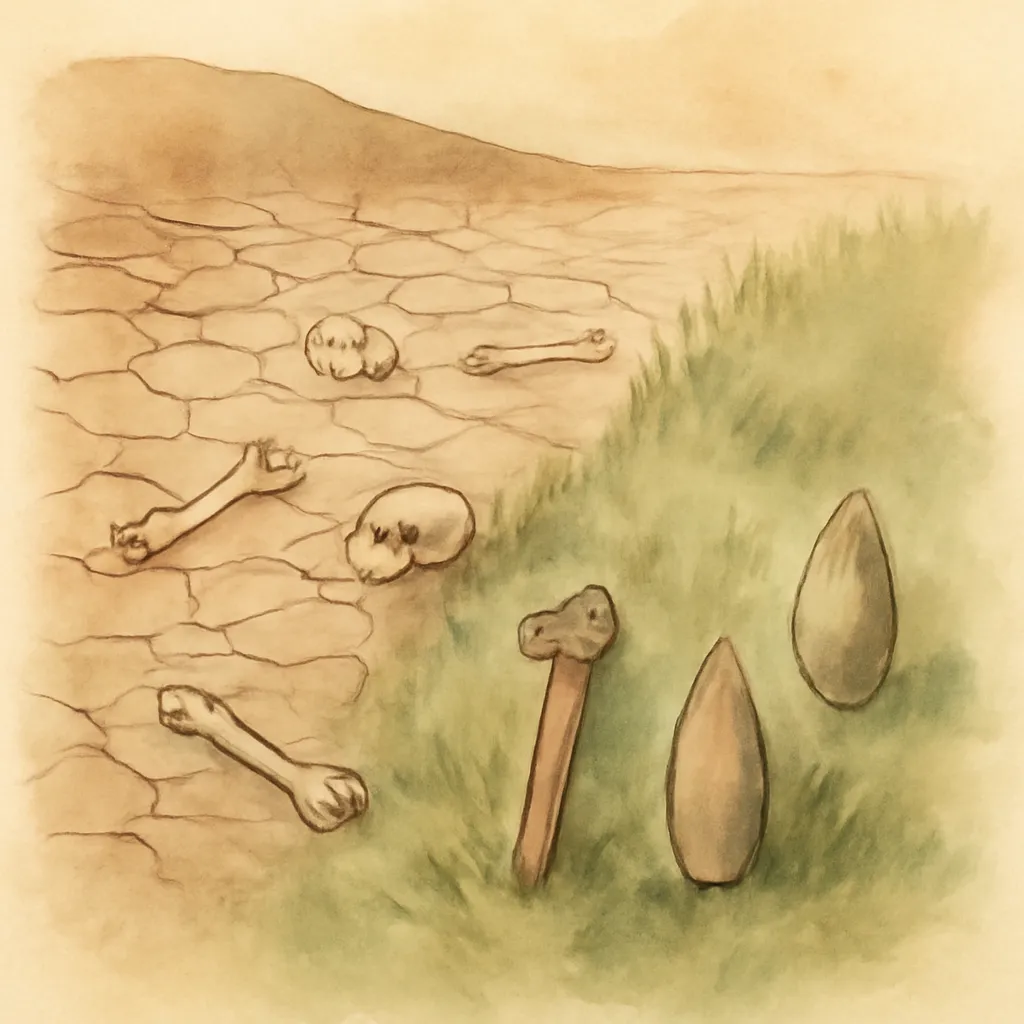
Klein’s approach stands out for its rigorous integration of fossil discoveries with archaeological data. Rather than treating bones and artifacts in isolation, he demonstrates how changes in physical form and behavior are interlinked, allowing readers to see how shifts in anatomy relate to new technologies, social patterns, and ecological adaptations. This holistic perspective provides a richer, more dynamic picture of human evolution than accounts focused solely on one type of evidence.
2.Recent African Origin of Modern Humans
A central argument in The Human Career is the 'Recent African Origin' hypothesis, which posits that anatomically modern humans evolved in Africa before spreading across the globe and replacing other hominins like Neanderthals. Klein marshals genetic, fossil, and archaeological evidence to support this view, while also engaging with competing models such as multiregional evolution. His clear-eyed analysis helps readers understand why the African origin model has become dominant.
3.Behavioral Modernity and Its Archaeological Signatures
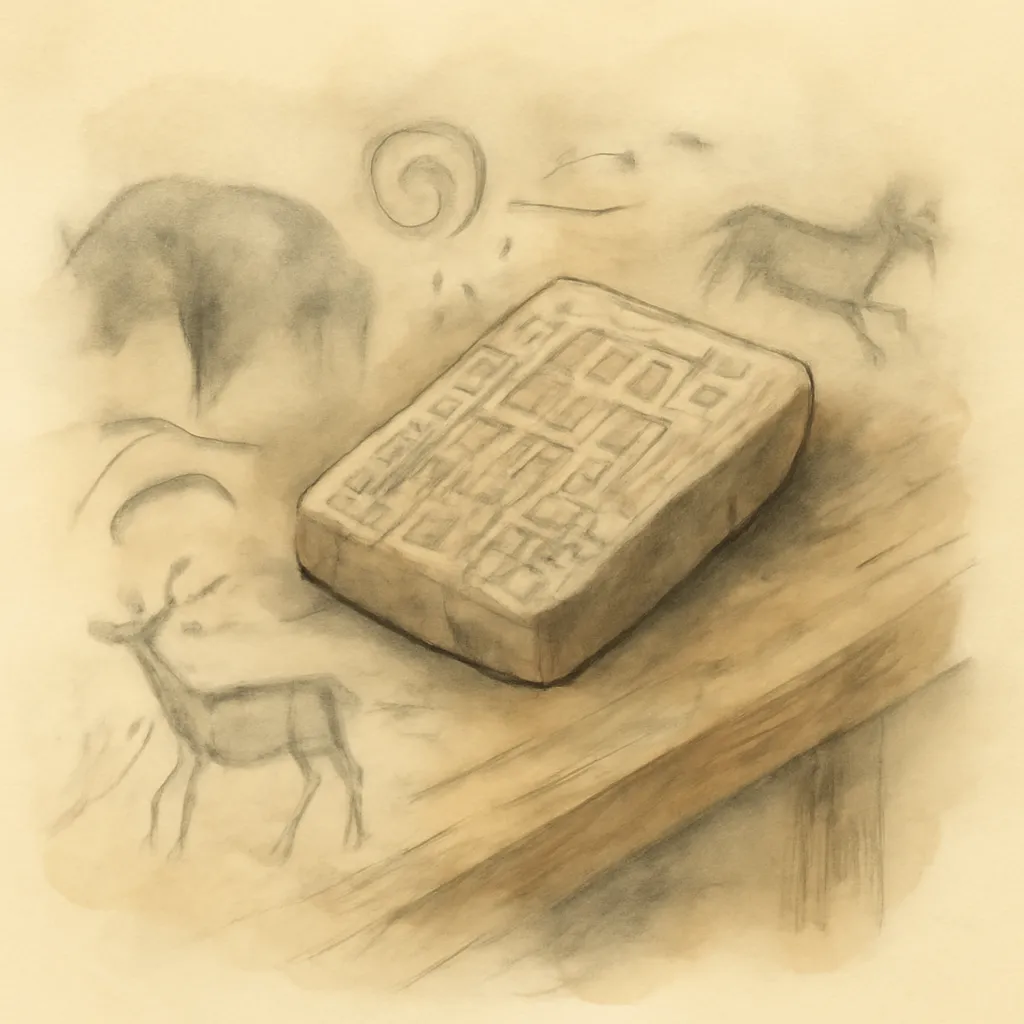
Klein delves deeply into what makes Homo sapiens unique—not just physically, but behaviorally. He explores the emergence of symbolic thought, art, complex tools, and social structures, and how these are reflected in the archaeological record. The book critically examines when and how these behaviors appeared, emphasizing that the leap to modern cognition and culture was as significant as anatomical changes.
4.Critical Engagement with Scientific Debate
Throughout the book, Klein does not shy away from controversy. He presents alternative interpretations of the evidence, discusses the limitations of current data, and openly states where consensus is lacking. This transparency models scientific thinking and encourages readers to appreciate the provisional, evolving nature of paleoanthropological knowledge.
5.The Role of Environment and Adaptation
Klein highlights how environmental changes—such as climate fluctuations and shifting habitats—shaped the evolutionary pressures on early humans and their relatives. He explains how adaptations in diet, mobility, and technology were responses to these challenges, underscoring the complex interplay between biology, behavior, and environment in our evolutionary story.
6.The Importance of Methodology and Evidence
A recurring theme is the importance of sound scientific methodology. Klein is meticulous in explaining how conclusions are drawn from fragmentary fossils and ambiguous artifacts, emphasizing the need for skepticism, replication, and continual re-evaluation as new data emerges. This methodological rigor is both a guide for students and a reminder of the field’s challenges.