1.The Mask of Identity
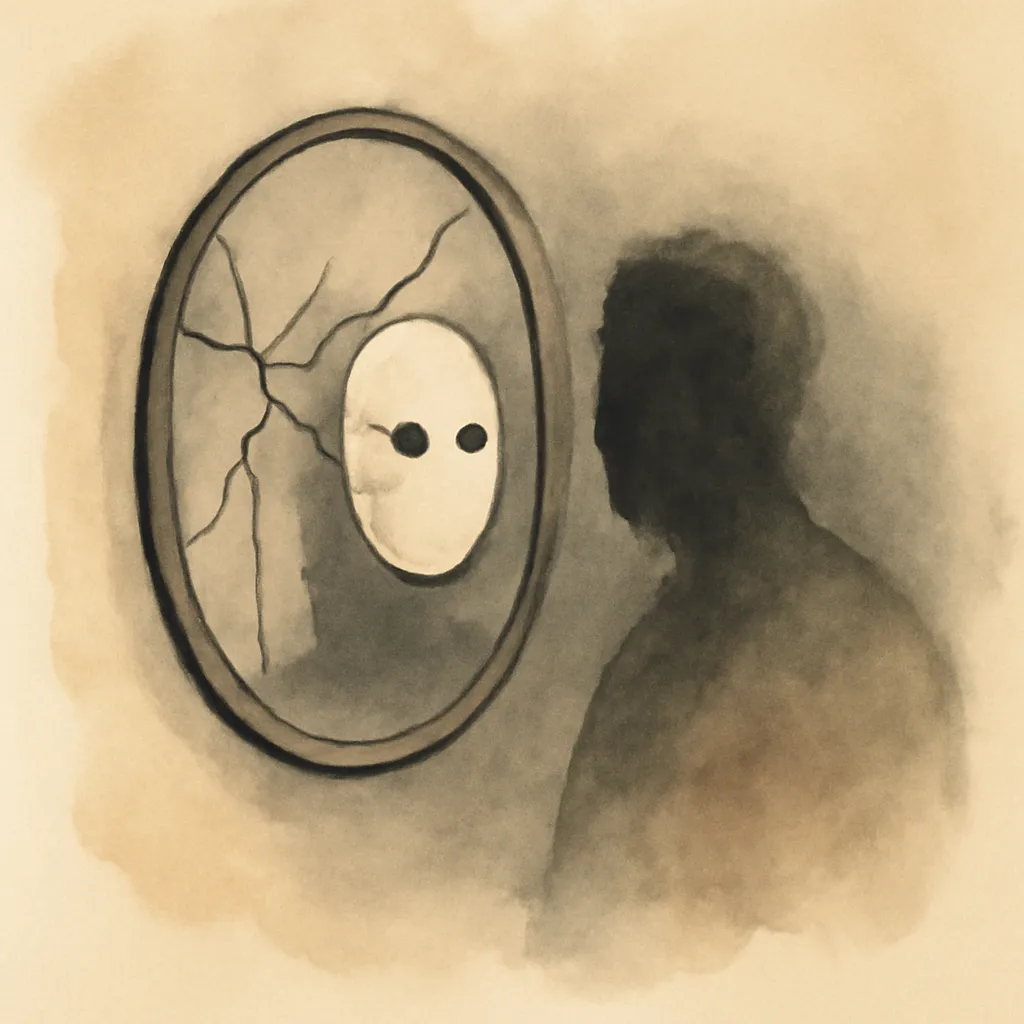
At the heart of The Human Stain is the question of identity—how it is constructed, concealed, and weaponized. Coleman Silk, a respected classics professor, hides his African American heritage by passing as white, a choice that shapes his entire life. Roth interrogates the lengths to which individuals go to control their narratives and the psychological toll of living behind a mask. The novel invites readers to consider the fluidity and fragility of identity, especially in a society obsessed with categorization.
2.Public Judgment and Private Lives
The novel unfolds against the backdrop of a university scandal, as Silk is accused of racism over an innocuous remark. Roth uses this incident to critique the culture of moral absolutism and public shaming that he saw emerging in 1990s America. The rush to judgment, the hunger for scandal, and the erasure of nuance are all dissected, showing how collective outrage can devastate individual lives and obscure the truth.
3.The Legacy of Secrecy
Secrecy is both a shield and a curse for Silk. His lifelong concealment of his true background protects him from racism but also isolates him from genuine connection. Roth explores how secrets can corrode relationships and self-understanding, suggesting that the cost of hiding one’s true self may ultimately outweigh the dangers of exposure.
4.America’s Racial Paradoxes
Roth uses Silk’s story to probe the contradictions of American attitudes toward race. The novel exposes how racial boundaries are both rigidly enforced and, paradoxically, easily traversed through performance. By making Silk’s racial passing central, Roth interrogates the social construction of race and the persistent, often irrational power it holds in American life.
5.The Power and Limits of Language
Language is both a tool and a weapon in The Human Stain. Silk’s downfall is triggered by a misunderstood word, highlighting how language can be twisted, misinterpreted, or used to destroy. Roth meditates on the inadequacy of words to capture complex realities and the dangers of literalism in a society quick to take offense.
6.The Scars of History
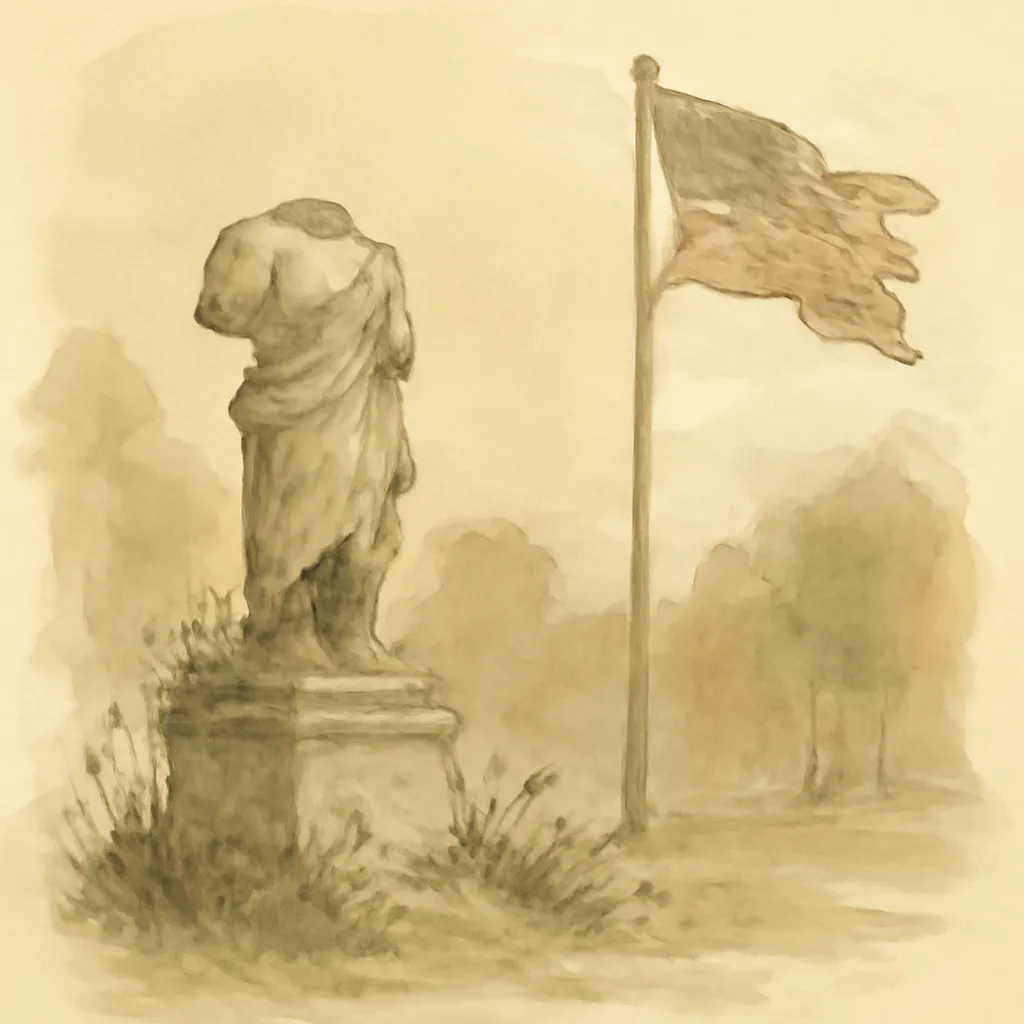
Set during the Clinton-Lewinsky scandal, the novel draws parallels between private and public transgressions. Roth suggests that America’s tendency to fixate on scandal is both a distraction from deeper issues and a reflection of unresolved historical wounds—racial, sexual, and cultural—that continue to shape national life.