1.Human Evolution as Contingency, Not Destiny
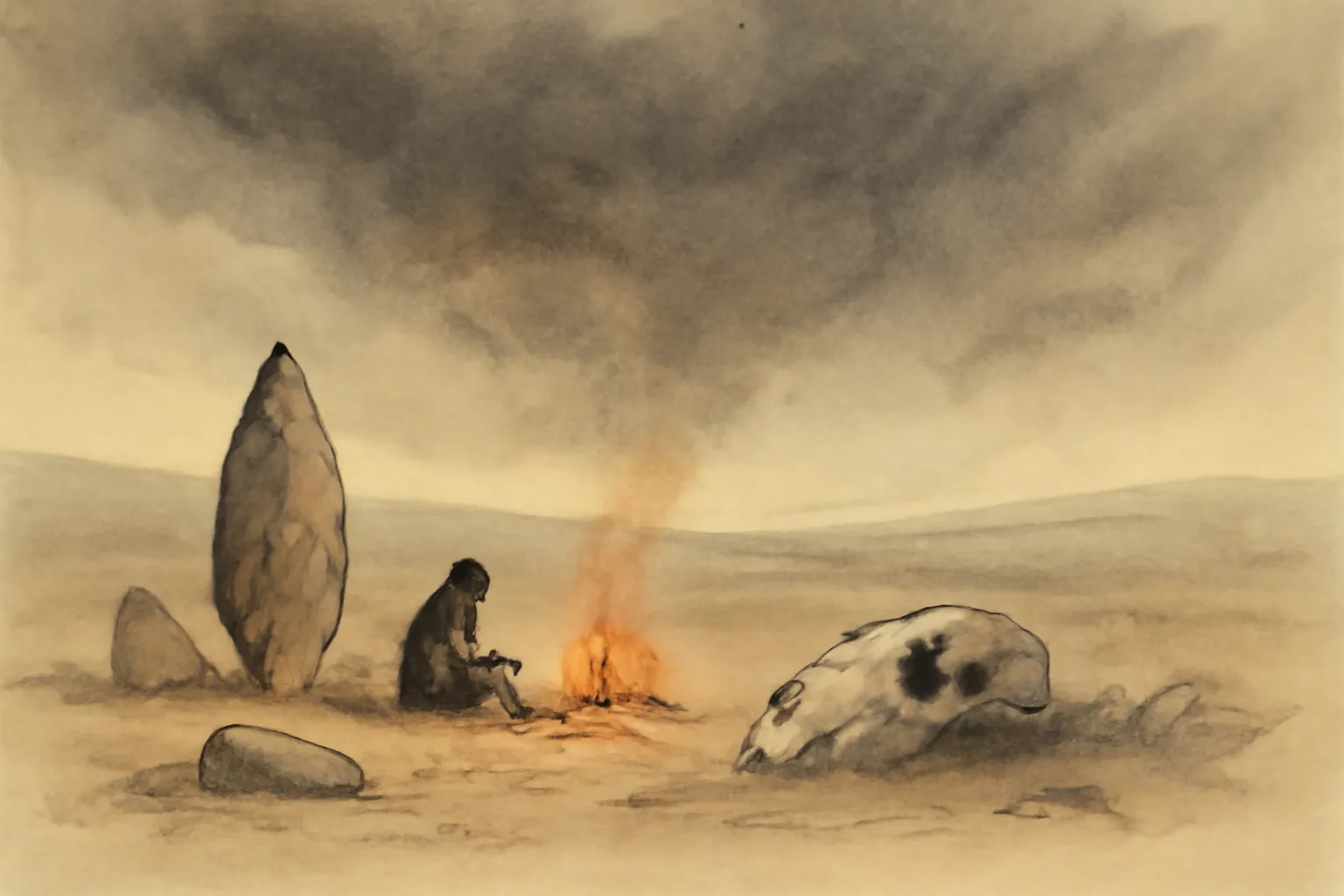
Finlayson challenges the traditional narrative of human evolution as a linear, inevitable march toward modern Homo sapiens. Instead, he emphasizes the role of contingency—chance events, shifting climates, and ecological pressures—in determining which human species survived. The survival of our species was not guaranteed; it was shaped by a complex interplay of factors, many beyond our ancestors’ control. This perspective reframes human history as one of many possible outcomes, not a predetermined path.
2.Climate Change as a Driver of Extinction
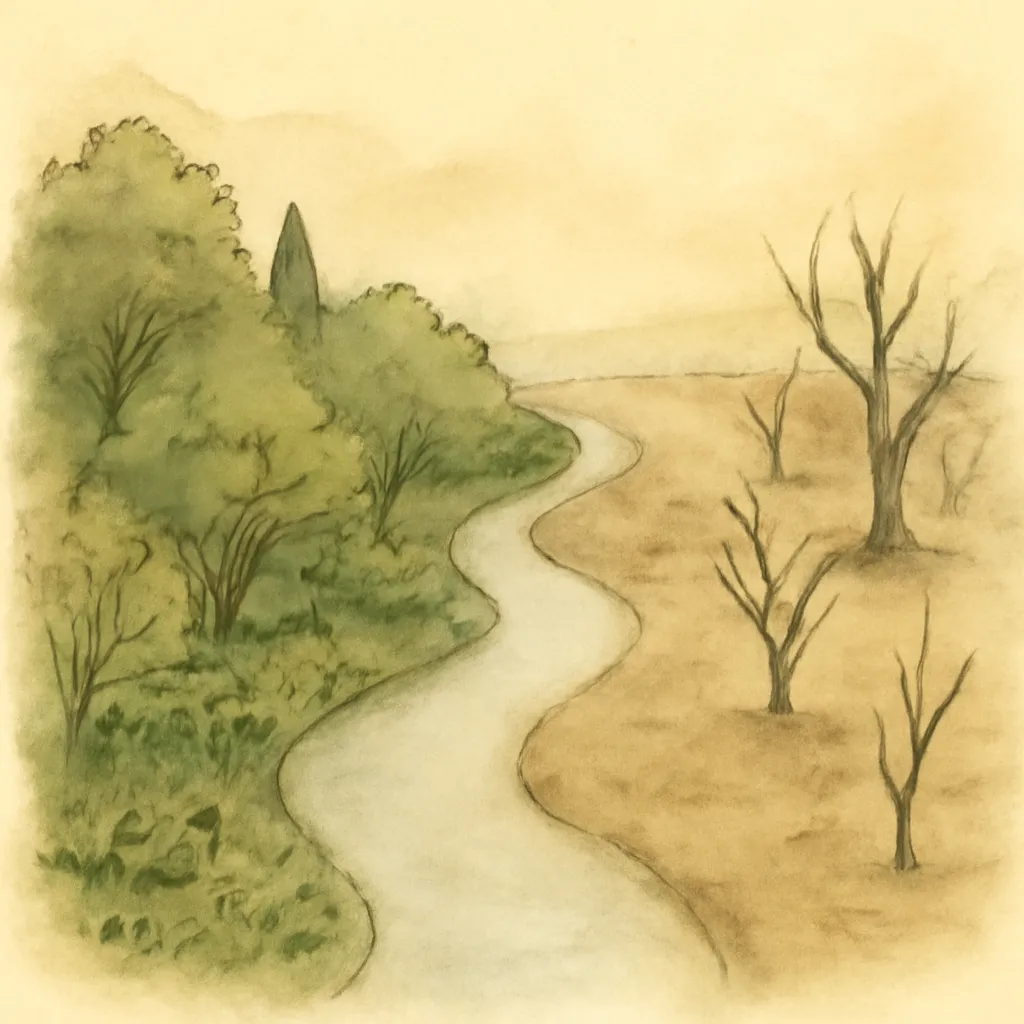
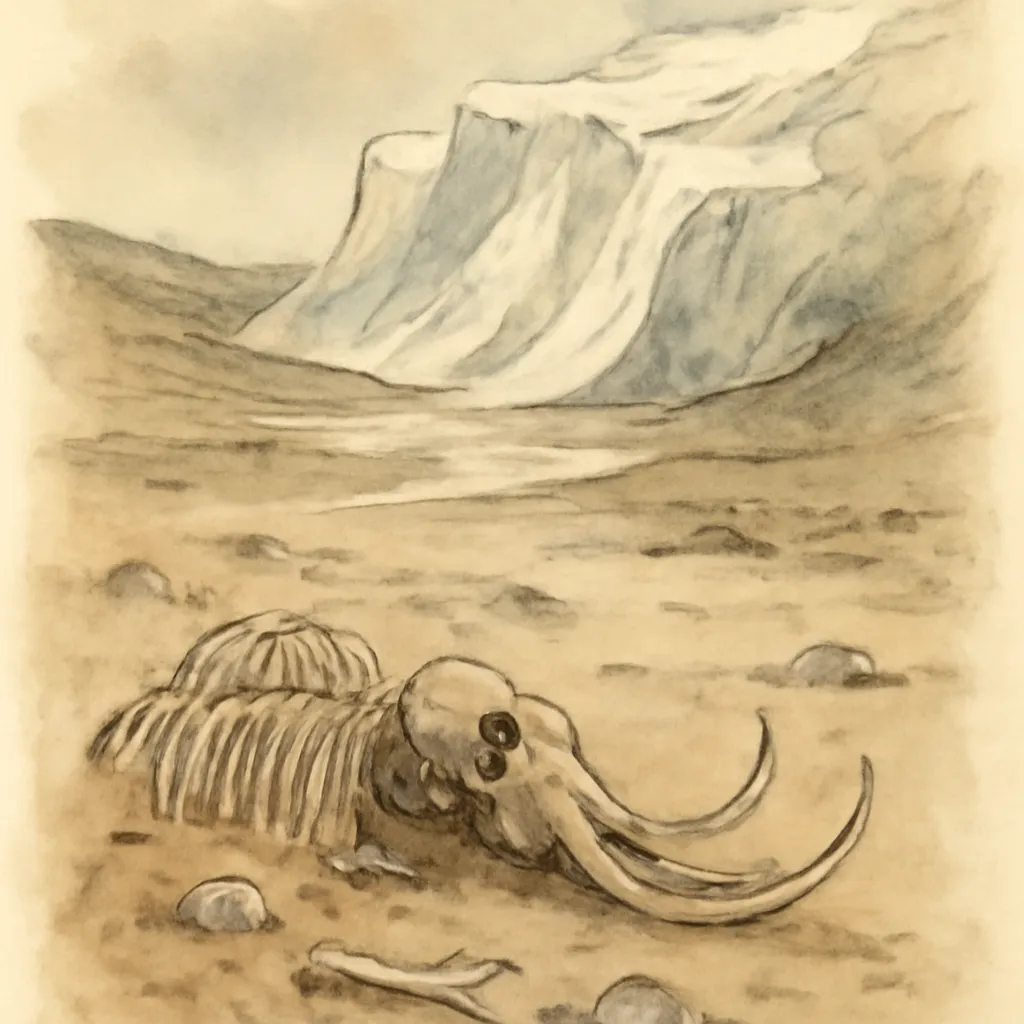
A central argument in the book is that dramatic climate fluctuations during the Pleistocene played a decisive role in the extinction of Neanderthals and other archaic humans. Finlayson details how shifting habitats and resource availability forced populations to adapt, migrate, or perish. He draws on evidence from paleoclimatology, archaeology, and genetics to show that environmental instability—not just competition with Homo sapiens—was a key factor in shaping human diversity and survival.
3.Ecological Flexibility as the Key to Survival
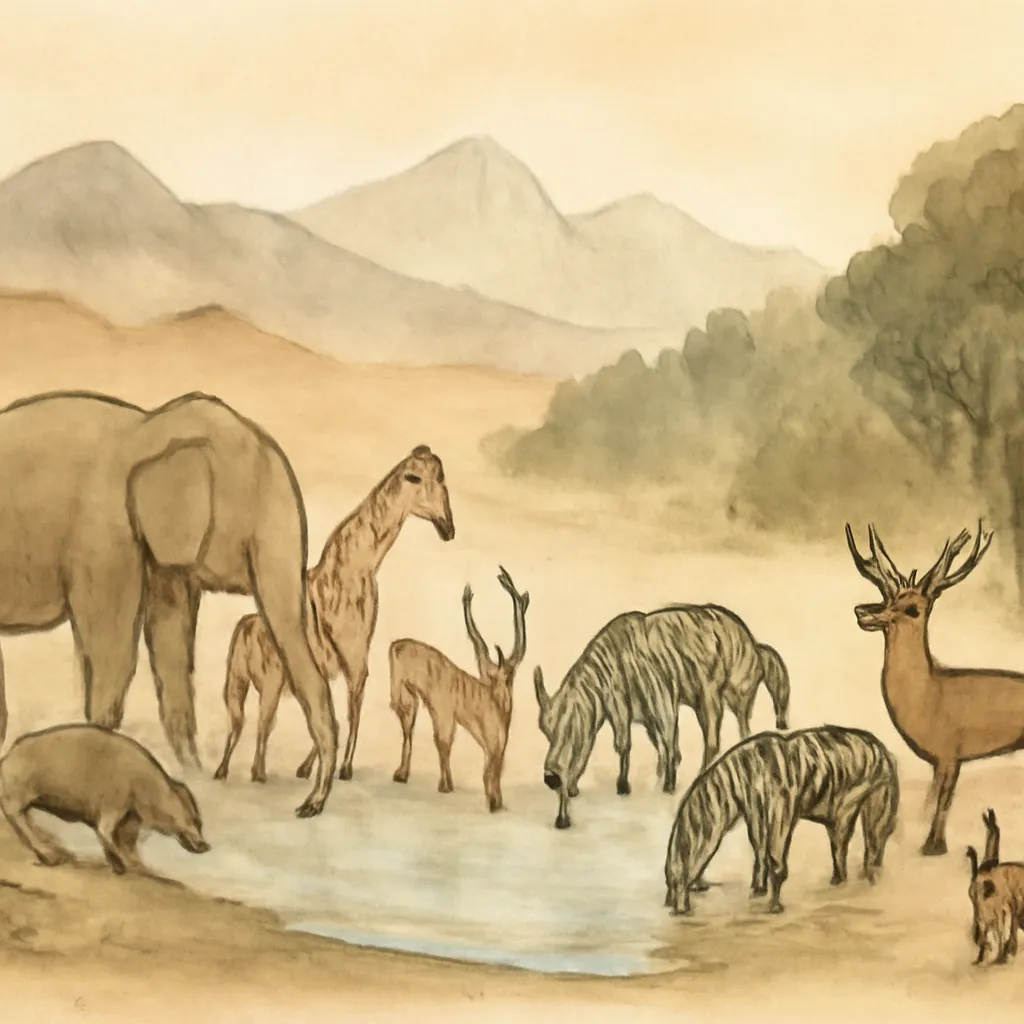
Finlayson posits that Homo sapiens’ greatest advantage over other human species was ecological flexibility—the ability to exploit a wide range of environments and resources. Where Neanderthals and others were more specialized, modern humans adapted to diverse climates and landscapes, from ice age tundra to tropical forests. This adaptability, rather than superior intelligence or technology alone, gave our species the edge when conditions changed rapidly.
4.Rethinking the 'Superiority' of Homo sapiens
The book questions the notion that Homo sapiens triumphed because of inherent superiority. Finlayson argues that Neanderthals and other extinct humans were intelligent, resourceful, and socially complex. Their disappearance was not simply the result of being outcompeted, but a consequence of bad luck, environmental upheaval, and random events. This challenges anthropocentric views and invites readers to see our ancestors as part of a broader, contingent evolutionary story.
5.Interconnectedness of Human and Natural History
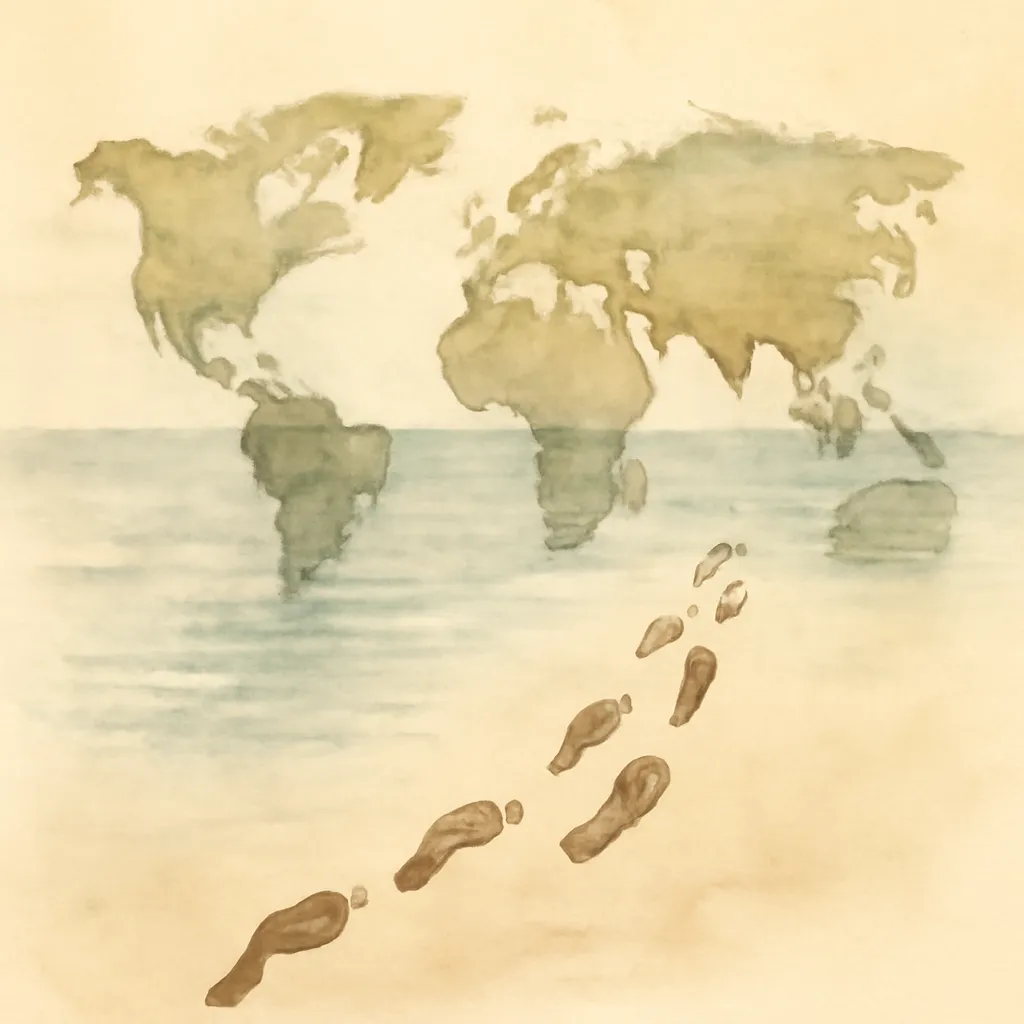
Finlayson weaves together evidence from geology, biology, and anthropology to illustrate how human evolution cannot be separated from the broader history of the planet. The fate of ancient humans was bound up with shifting continents, changing sea levels, and the ebb and flow of ice ages. This holistic approach encourages readers to appreciate the deep connections between human history and the environment.
6.Lessons for the Present and Future
By highlighting the fragility and unpredictability of human survival, Finlayson’s analysis has implications for today’s world. The book implicitly warns that adaptability to environmental change remains crucial, and that our current ecological challenges echo those faced by our extinct relatives. Understanding the past, he suggests, is key to navigating the uncertainties of our own future.