

Neanderthals · Extinction (biology) · Evolution
The Humans Who Went Extinct by Clive Finlayson — Summary, Key Ideas & Quotes
2011288 pages✦ 3-min Big ideas★ 4.0 (1)
Rate it
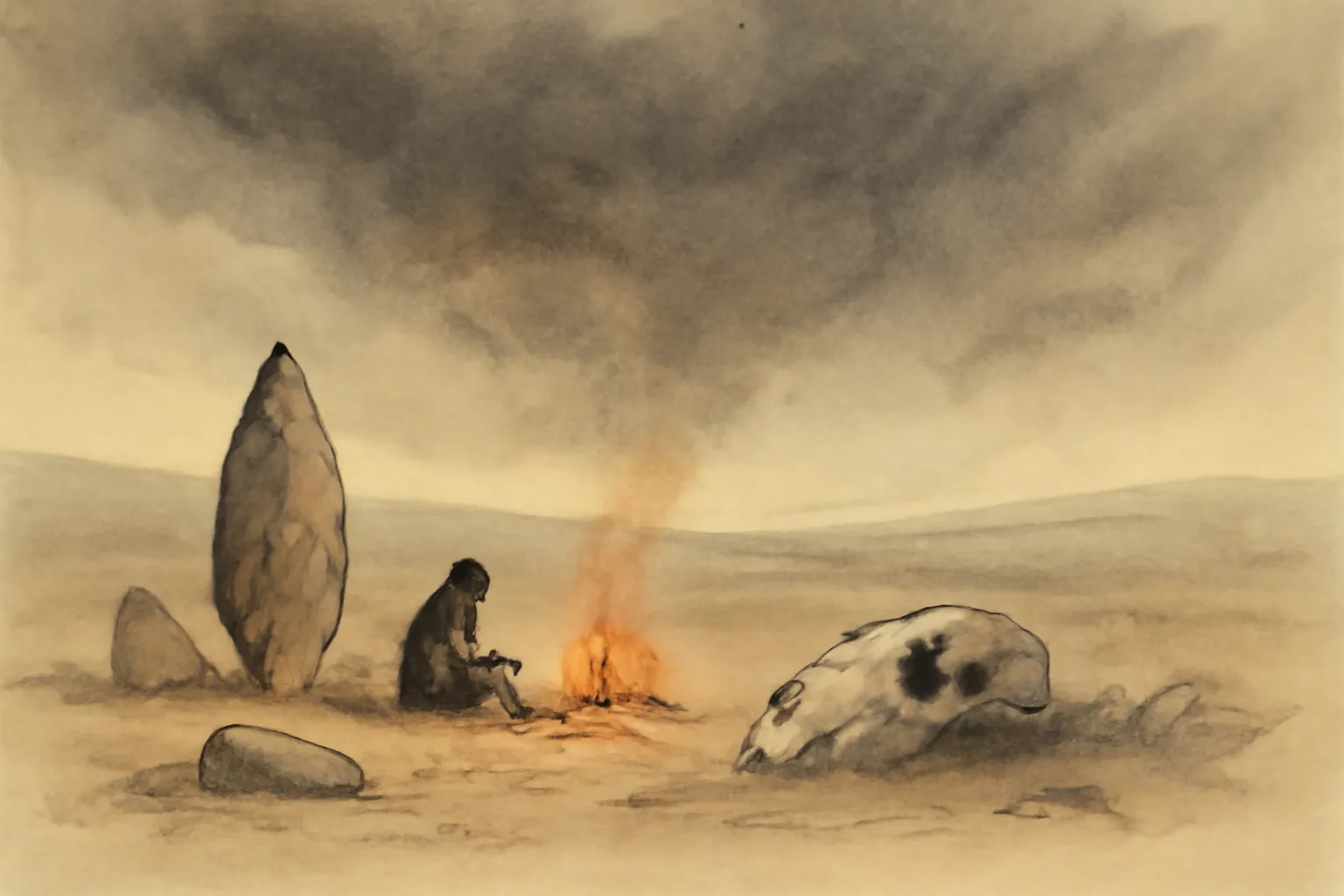
Finlayson challenges the traditional narrative of human evolution as a linear, inevitable march toward modern Homo sapiens. Instead, he emphasizes the role of contingency—chance events, shifting climates, and ecological pressures—in determining which human species survived. The survival of our species was not guaranteed; it was shaped by a complex interplay of factors, many beyond our ancestors’ control. This perspective reframes human history as one of many possible outcomes, not a predetermined path.
A central argument in the book is that dramatic climate fluctuations during the Pleistocene played a decisive role in the extinction of Neanderthals and other archaic humans. Finlayson details how shifting habitats and resource availability forced populations to adapt, migrate, or perish. He draws on evidence from paleoclimatology, archaeology, and genetics to show that environmental instability—not just competition with Homo sapiens—was a key factor in shaping human diversity and survival.