1.The Horrors of the Slave Trade

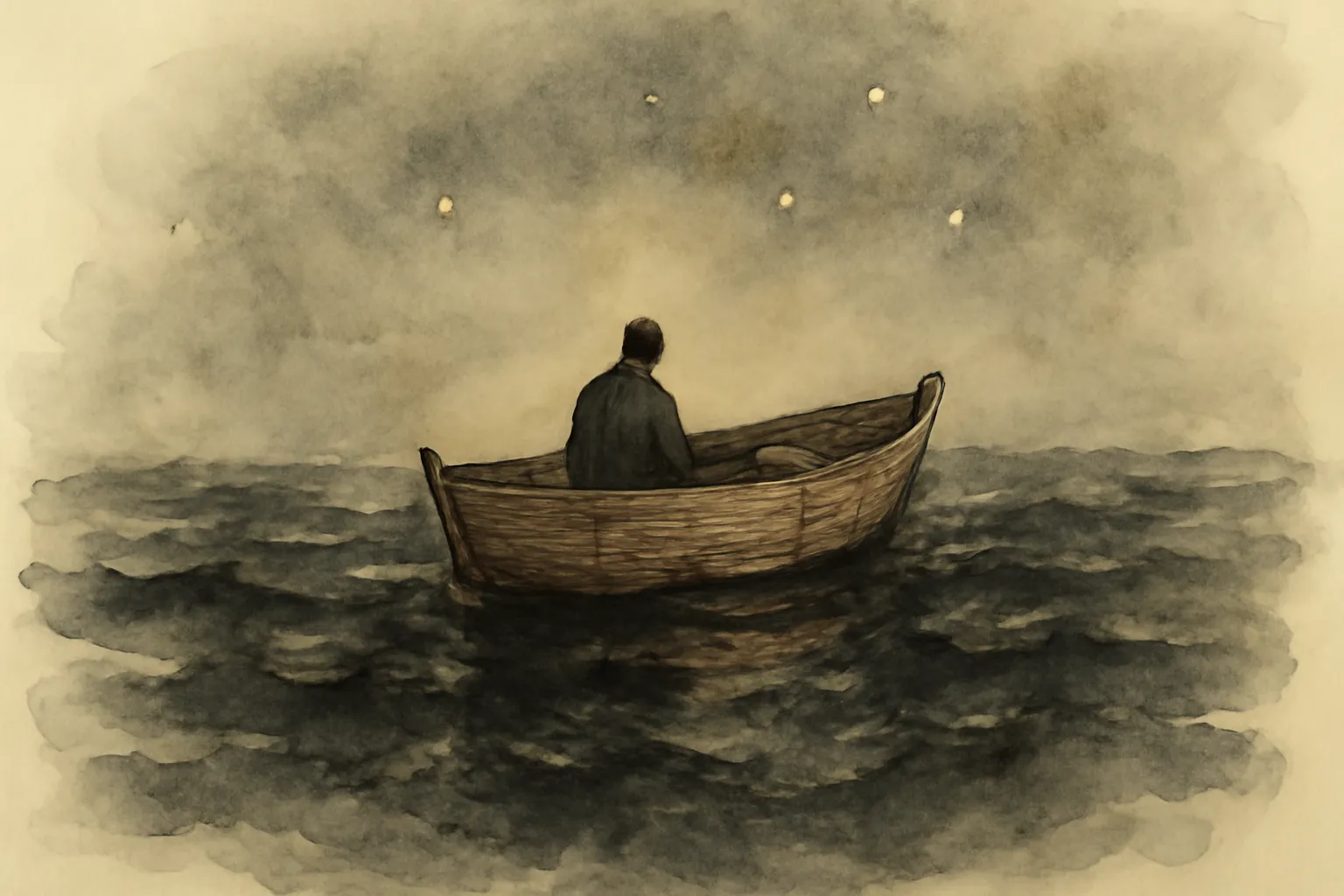
Equiano's narrative begins with the traumatic experience of being kidnapped from his homeland in Africa, which marks the start of his journey into the world of slavery. He vividly describes the moment he and his sister were taken, emphasizing the shock and disbelief he felt as he was torn from his family and culture. This initial trauma sets the stage for the subsequent horrors he witnesses aboard the slave ship. The conditions on the ship are indescribably brutal, with slaves packed tightly together, suffering from disease, malnutrition, and despair. Equiano's description of the slave ship as 'a world of bad spirits' highlights the psychological torment inflicted upon the captives, who were treated as mere cargo rather than human beings. He recalls the overwhelming sense of fear and helplessness as he witnessed the dehumanization of his fellow Africans. This harrowing account serves as a critical indictment of the slave trade, illustrating not only the physical suffering endured but also the deep emotional scars left behind, reminding readers of the urgent need for compassion and action against such atrocities.
2.Cultural Reflections and Misconceptions

Equiano takes the time to reflect on the cultural practices of his African homeland, challenging the prejudices held by Europeans regarding African people and their societies. He describes the simplicity and functionality of his people's homes, built with care and embodying a sense of community. By detailing the architectural styles and social structures, Equiano aims to counter the narrative that portrays Africans as primitive or uncivilized. He argues that the perceived 'inferiority' of Africans is largely a result of their circumstances and the ignorance of those who enslave them. Through his vivid descriptions, he invites readers to appreciate the richness of African culture, including the social structures, communal living, and agricultural practices he experienced. Equiano’s emphasis on the beauty and complexity of his culture serves as a reminder that dignity is inherent in every society, and understanding cultural differences can dismantle harmful stereotypes that persist even today.
3.Transformation Through Education

As Equiano navigates his new life in England, he emphasizes the transformative power of education and self-improvement. Initially overwhelmed by the foreignness of English society, he gradually learns the language and customs, which allows him to integrate into this new world. His journey of self-education is a testament to his perseverance; he recalls how he sought out knowledge, reading books and engaging with various intellectuals. This educational journey not only empowers him but also fosters a deep desire to advocate for the abolition of slavery. Equiano’s narrative illustrates that knowledge can be a tool for liberation, both personally and collectively. His commitment to learning and self-betterment serves as an inspiring model for others, reinforcing the idea that intellectual growth can lead to greater autonomy and social change. By engaging with the broader issues of morality and ethics, he demonstrates that education is not merely a means to personal advancement but also a powerful instrument for social justice.
4.Faith as a Source of Strength

Equiano's spiritual journey is intricately woven throughout his narrative, revealing how faith provides him with solace and strength amid suffering. After arriving in England, he encounters Christianity, which he initially struggles to understand. However, as he begins to embrace the teachings of the faith, he finds a source of hope and purpose that transcends his traumatic past. His reflections on prayer and divine intervention highlight the role of faith in navigating life's challenges. Equiano often attributes his survival and success to God's providence, suggesting that his experiences, however painful, were part of a larger divine plan. This emphasis on faith underscores the resilience of the human spirit and the capacity to find meaning even in the darkest of circumstances. By articulating his spiritual evolution, Equiano invites readers to consider the role of faith in their own lives and its potential to inspire courage and resilience in the face of adversity.
5.The Role of Compassion in Humanity
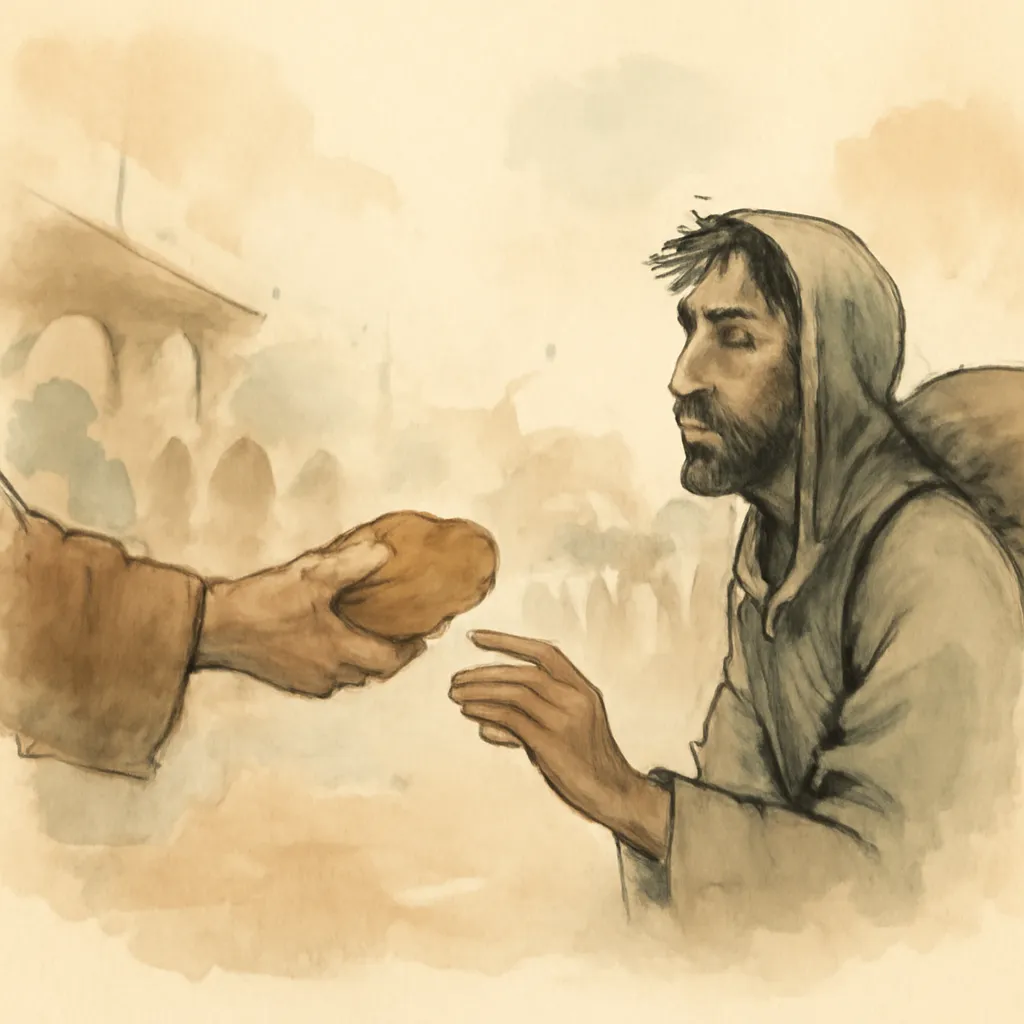
Throughout his narrative, Equiano appeals to the compassion of his readers, urging them to recognize the humanity of enslaved individuals. He recounts various instances of kindness he received from both black and white individuals, illustrating that empathy can bridge cultural divides. For example, he remembers a time when he was treated with dignity by a ship captain, which contrasted starkly with the cruelty he often witnessed. Equiano's call for compassion is not only a plea for the abolition of slavery but also a reminder that understanding and kindness are essential to fostering a just society. He implores his audience to see beyond the color of one's skin and recognize the shared suffering that connects all people. This powerful message of empathy challenges readers to reflect on their own attitudes and behaviors, promoting a vision of a world where compassion overrides prejudice and injustice.
6.The Complexity of Freedom

Equiano's journey to freedom is fraught with challenges that highlight the complexities of liberation. After gaining his freedom, he faces the harsh realities of navigating a society that still perpetuates racial inequalities. His experiences in England reveal that freedom does not equate to equality; rather, it is a constant struggle against societal prejudices. He recounts moments of discrimination and exclusion, emphasizing that a free man of African descent was still viewed through the lens of bias and inferiority. Equiano’s reflections on his status as a free man underscore the importance of advocating for the rights of all individuals, regardless of their background. He recognizes that true freedom encompasses not only the absence of slavery but also the attainment of social and economic rights, which remain distant for many. This nuanced understanding of freedom adds depth to his narrative, prompting readers to consider the ongoing fight for equality in their own contexts and the collective responsibility to address systemic injustices.
7.Advocacy for Abolition
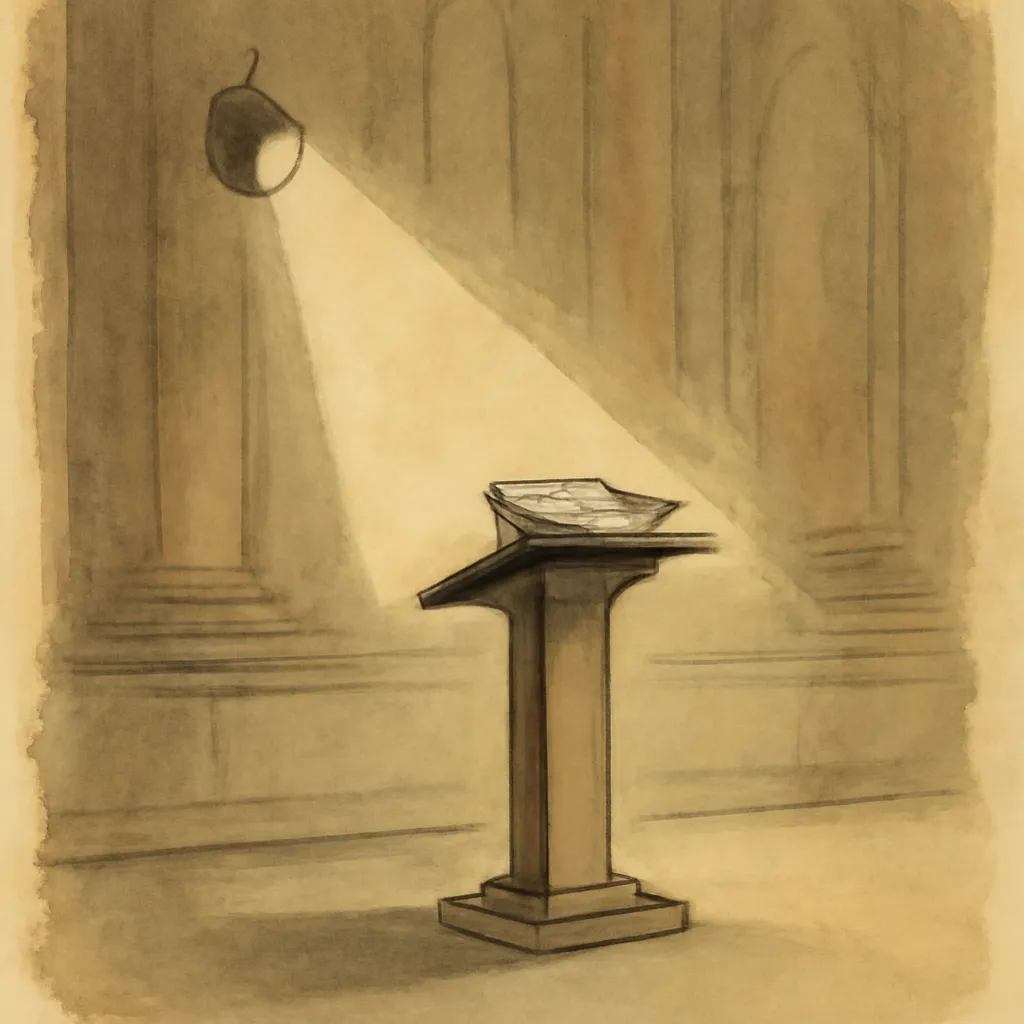
Equiano emerges as a passionate advocate for the abolition of the slave trade, using his narrative as a platform to raise awareness about its atrocities. His direct appeals to the British Parliament demonstrate the power of personal testimony in effecting social change. Equiano's ability to articulate the horrors of slavery from his own experience lends credibility to his arguments and compels readers to confront the moral implications of the slave trade. He challenges lawmakers to consider the human cost of their policies, emphasizing that the suffering of enslaved individuals should evoke a sense of urgency for action. Through his advocacy, Equiano is not merely telling his story; he is pushing for a societal shift in how slavery is viewed. His narrative serves as a weapon against the institution of slavery, advocating for a world where freedom and dignity are inherent rights for all individuals, thereby reinforcing the idea that the fight for justice is not only a personal battle but a collective moral imperative.
8.The Impact of Personal Narratives
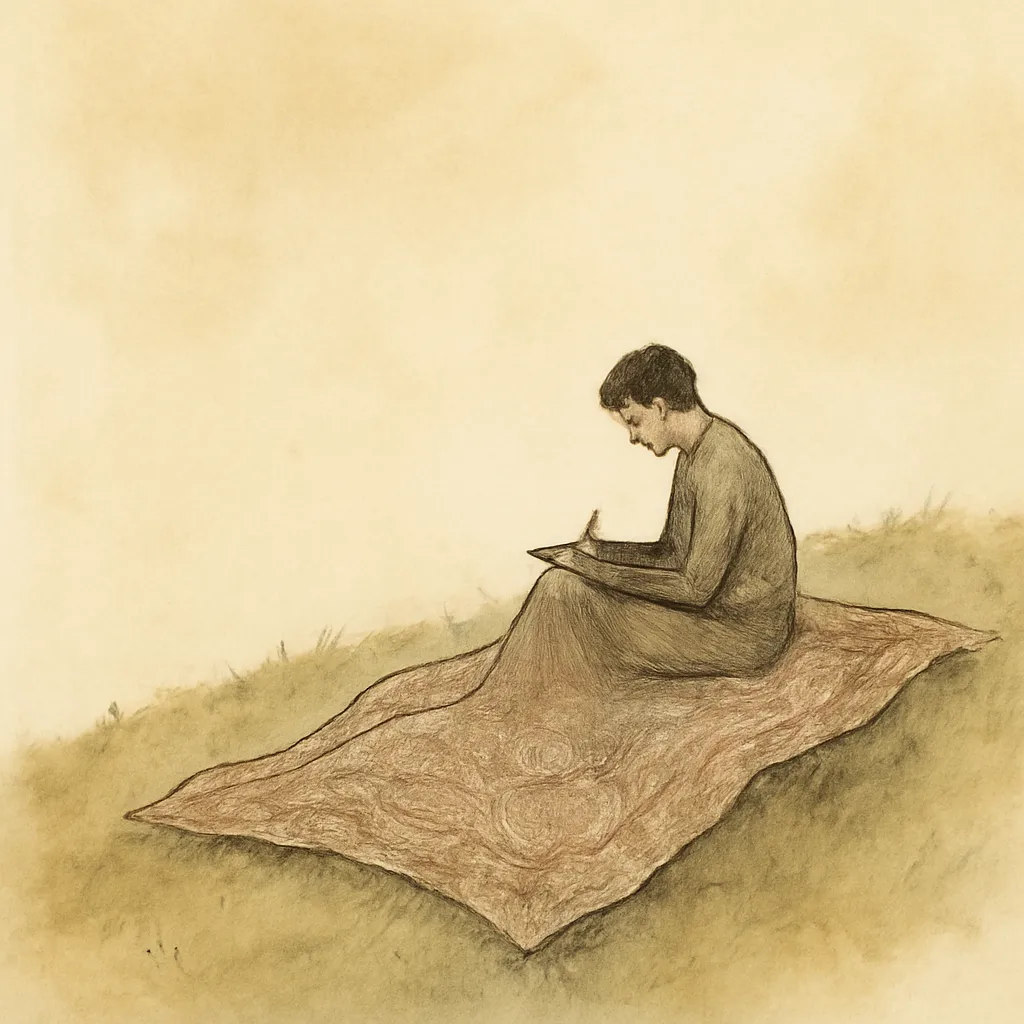
Equiano's life story exemplifies the power of personal narratives in shaping public opinion and fostering empathy. By sharing his experiences, he humanizes the abstract concept of slavery, allowing readers to connect emotionally with his plight. His narrative serves as a counter-narrative to the dehumanizing rhetoric often used to justify slavery, challenging readers to confront their own beliefs and biases. Through vivid storytelling and emotional honesty, Equiano captivates his audience, making the horrors of slavery palpable. He emphasizes that every individual has a story worth listening to, and that these stories have the potential to disrupt the status quo. This impact underscores the importance of individual voices in social justice movements, suggesting that personal stories can catalyze significant societal change. Equiano’s ability to convey his journey with such depth invites readers to reflect on their own narratives and the power they hold to inspire action.
9.Legacy of Resistance and Resilience
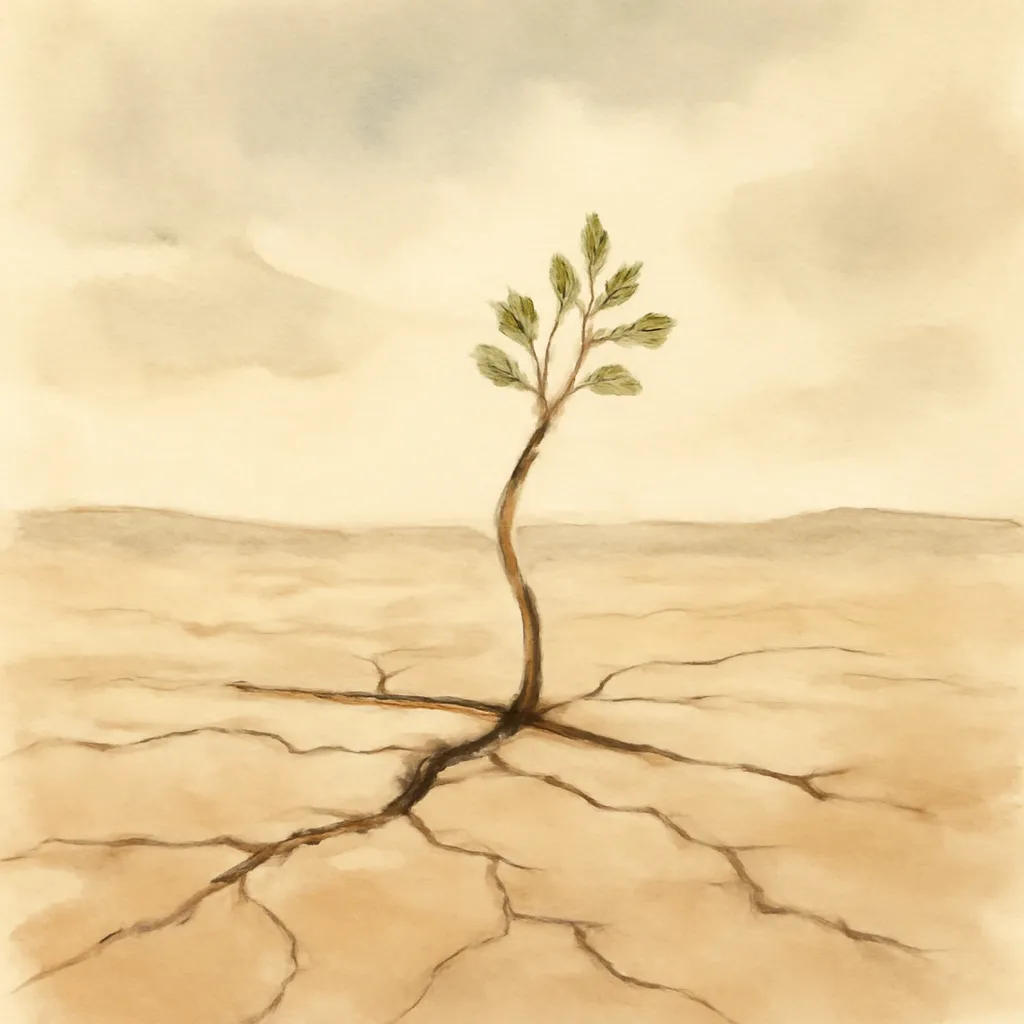
Equiano's narrative is not just a personal account; it is a testament to the resilience of the human spirit in the face of oppression. His journey from enslavement to freedom embodies the broader struggle of countless individuals who fought against the injustices of the slave trade. Equiano's life story serves as an inspiration, demonstrating that resistance can take many forms, including intellectual advocacy, spiritual fortitude, and personal transformation. His legacy continues to resonate today, reminding us of the ongoing fight for justice and equality. By sharing his experiences, Equiano not only honors the memory of those who suffered but also empowers future generations to challenge injustice and strive for a more equitable world. His narrative stands as a beacon of hope, illustrating that resilience and courage can lead to profound change and that the legacy of those who fought for freedom lives on in the collective struggle for human rights.